
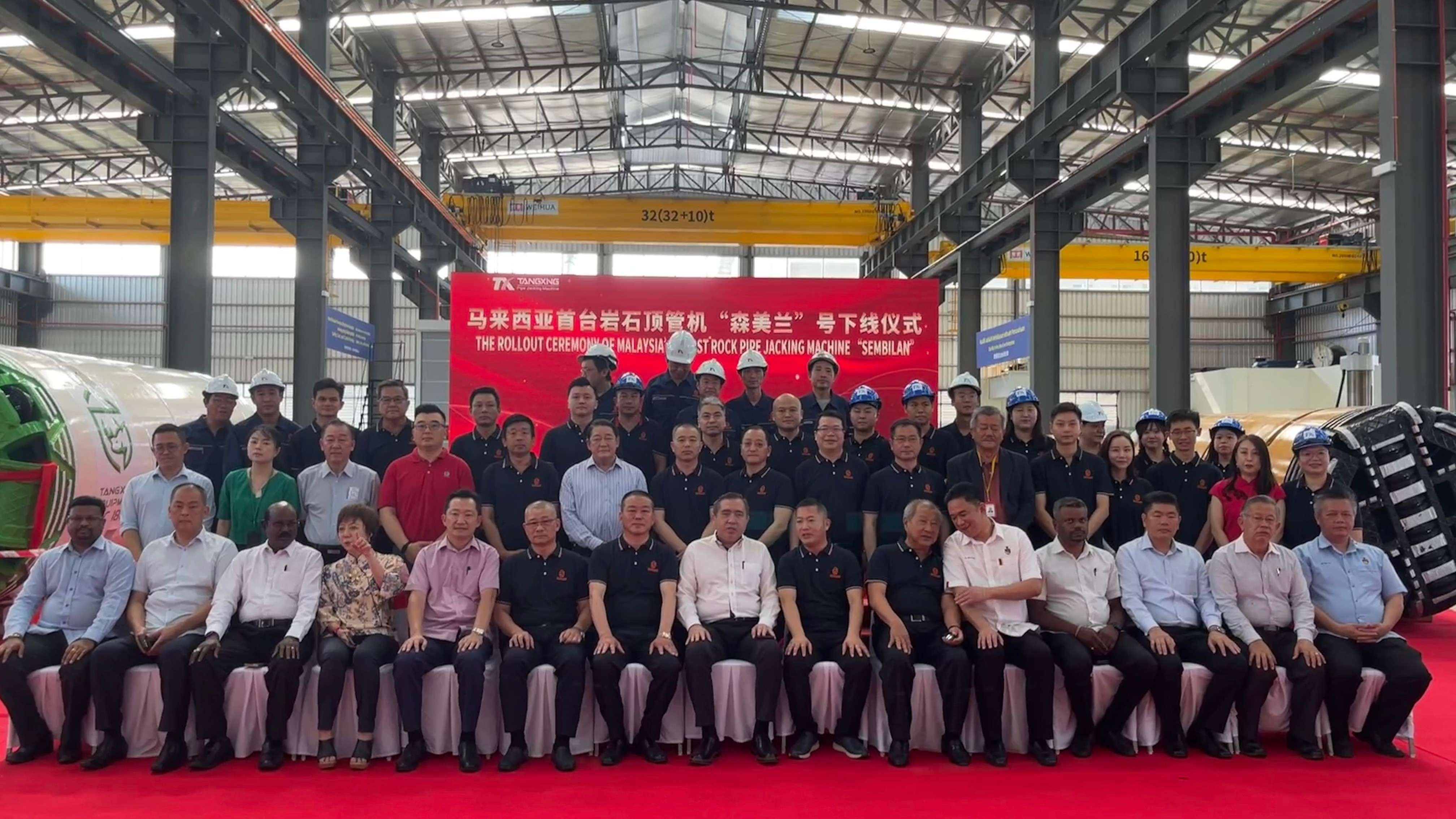
Microtunneling is transforming urban development by allowing cities to expand without disruptive roadwork. The small radius reduces permits for micro tunneling in cities, making the approval process smoother and more efficient. With small radius curves, microtunneling projects can navigate tight spaces and minimize the need for extensive permitting. For reliable microtunneling solutions in any city, you can trust CEGC to deliver exceptional results.
Key Takeaways
-
Small radius curves in microtunneling help move through tight city spaces. This means less roadwork is needed.
-
Trenchless technology keeps the surface from being disturbed much. This makes it easier to get city permits for microtunneling projects.
-
CEGC gives full support. They offer expert advice and special equipment. This helps microtunneling work well in any city.
Small Radius Curves in Microtunneling
Definition and Urban Relevance
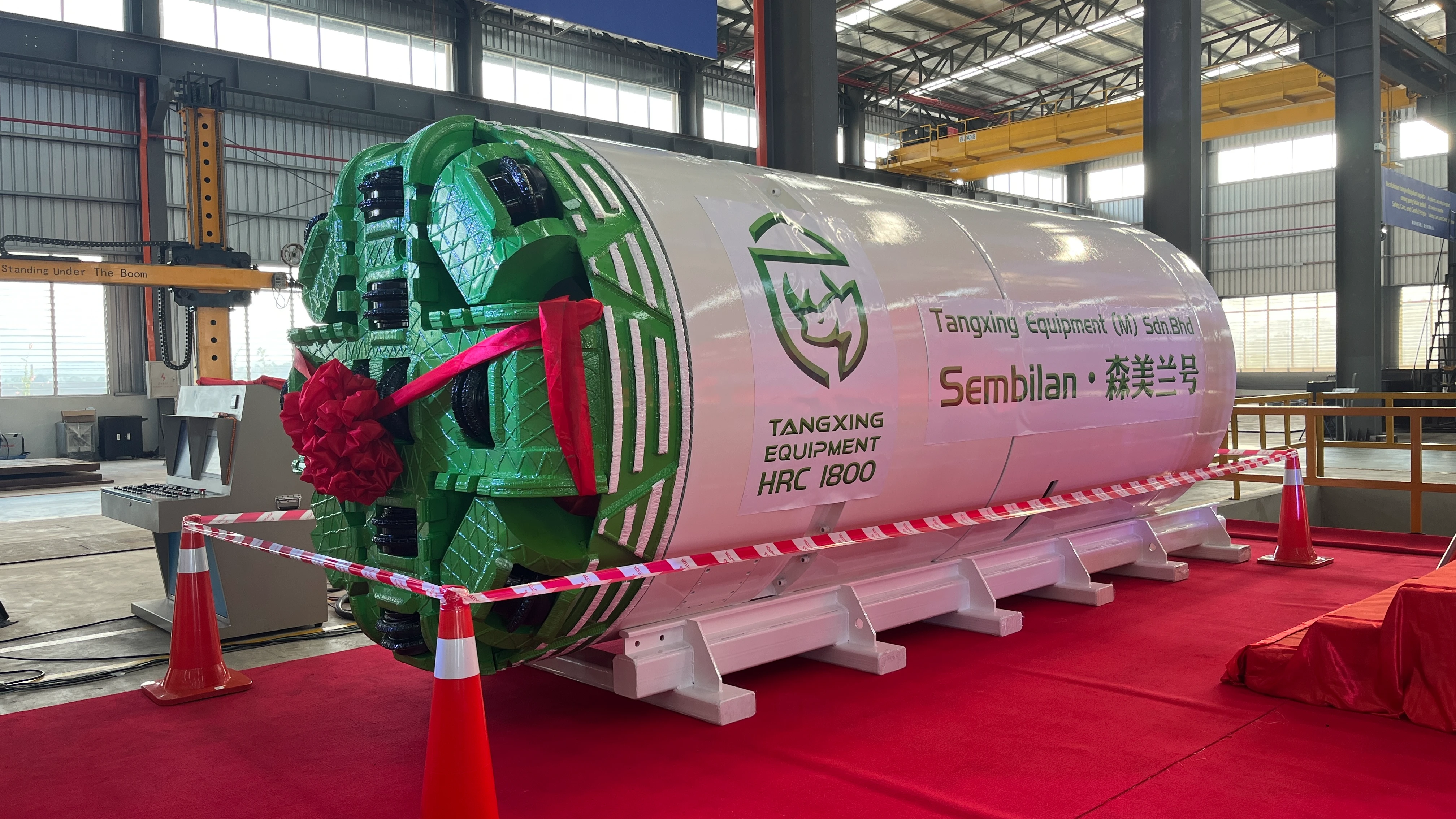
Small radius curves are very important in microtunneling. These curves help guide tunnels through tight city areas. A small radius lets the tunnel bend around sharp corners. This makes it easier to avoid things like buildings or pipes underground. Here are some facts about small radius curves in microtunneling:
-
Small radius curves help fit microtunneling into busy city streets.
-
These curves let you connect utility points without digging up roads.
Microtunneling uses trenchless technology to keep the ground above safe. You do not have to dig long trenches for this work. Instead, boring machines make tunnels under the ground. This is safer for people in the city. It also helps keep traffic moving. Trenchless technology and trenchless methods make microtunneling a great choice for city utility work. You can compare microtunneling to horizontal directional drilling. Both use trenchless technology, but microtunneling is better for small radius curves and careful boring.
Tunnel Machine Selection
Picking the right tunnel machine is very important for microtunneling. There are different types you can choose from:
-
Auger boring machine
-
Microtunnelling Machine
Each tunnel machine has special features for trenchless technology and boring. When you work with CEGC, you get more than just a machine. You get help for every part of your microtunneling job. Here is what CEGC gives you:
|
Aspect of Service |
Description |
|---|---|
|
After-sales support |
Fast help if something goes wrong during microtunneling, so work does not stop for long. |
|
Training |
3-5 days of engineering training for setup and starting the project. |
|
Customized equipment |
Special tunnel machines made for small radius trenchless jobs. |
|
Technical consulting |
Expert advice for planning and picking the right tunnel machine. |
|
On-site installation |
Factory-trained workers set up and test the boring machine at your site. |
|
Comprehensive support |
Full trenchless engineering help for tough microtunneling jobs. |
|
Parts inventory |
Quick access to real parts for fixing and keeping tunnel machines working. |
You can count on CEGC to help you with microtunneling, trenchless technology, and trenchless boring. Their help makes your project easy and fast, even in busy city places.
Permit Impact of Small Radius
Engineering and Safety Factors
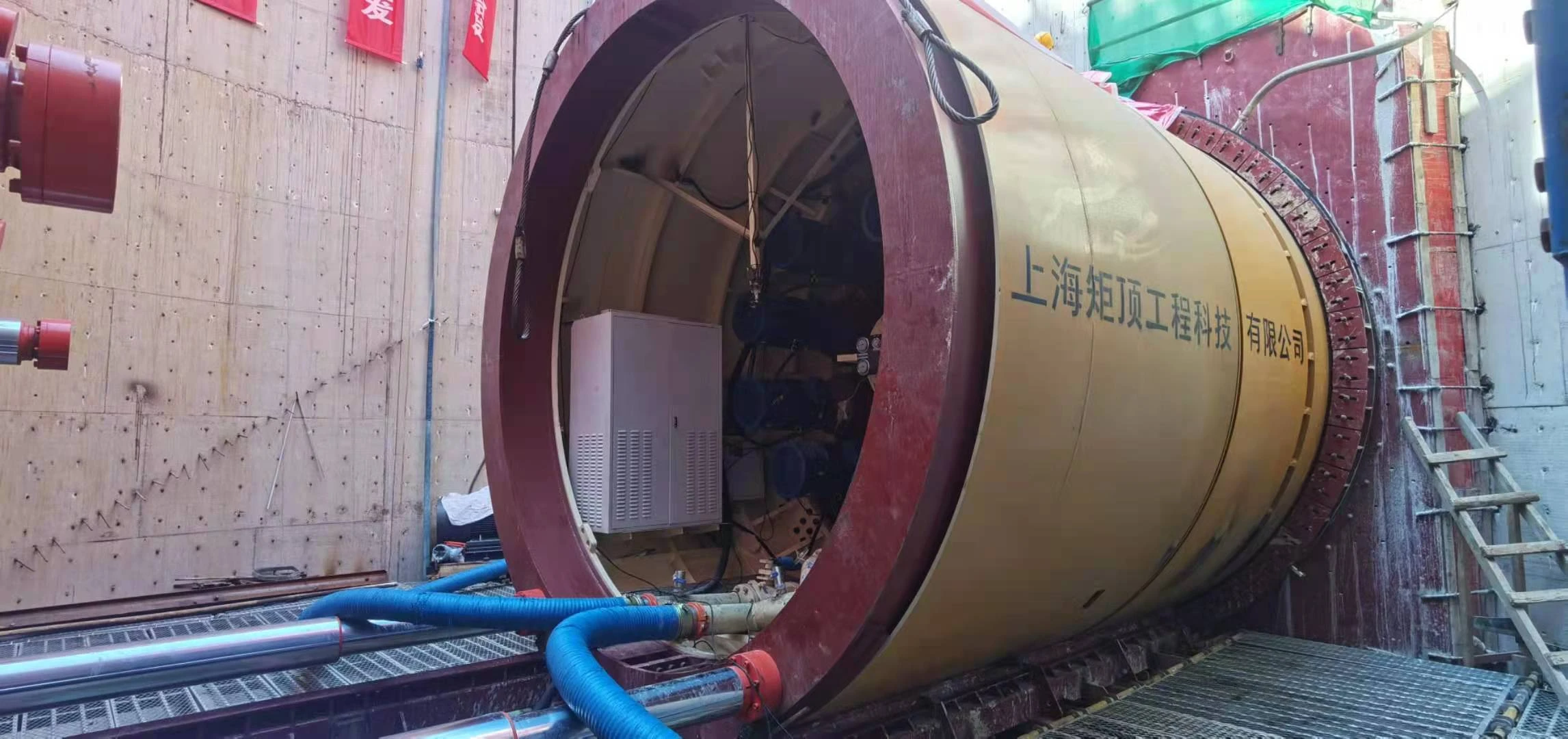
Small radius helps lower permits for micro tunneling in cities. It matters for engineering and safety. Microtunneling with a small radius avoids obstacles in the city. You can move boring machines around pipes and foundations. This makes trenchless technology safer for everyone. You do not dig up roads or sidewalks. The installation stays underground. Traffic keeps moving. People walking nearby stay safe.
Safety gets better with trenchless boring. The boring machine stays deep under the city. You do not risk collapse or surface damage. The impact on the city is less. Noise and dust are lower. Microtunneling with a small radius means less risk for workers. You do not need big open pits. Trenchless methods keep the installation safe.
Small radius lowers permits for micro tunneling in cities. You show city officials you can control the impact. Trenchless technology keeps the city safe. Boring machines fit tight spaces. You prove your installation will not harm the city. Getting permits for microtunneling becomes easier.
Regulatory and Zoning Issues
City rules and zoning laws can make microtunneling hard. You must show your installation will not disturb the city. Small radius lowers permits for micro tunneling in cities. Boring machines fit into narrow zones. Trenchless technology helps avoid breaking city rules. You do not close streets or block sidewalks. The impact stays low.
Regulators want safe trenchless boring. Microtunneling follows city zoning. Your installation does not change the city layout. Trenchless methods protect city utilities. You avoid water pipes, gas lines, and electric cables. Boring machines steer around obstacles. The impact stays small.
Permit outcomes change with small radius curves. For example, you plan a microtunneling job under a busy city street. Trenchless boring avoids traffic. The city gives you a permit because the impact is low. Trenchless technology shows you can finish the installation without surface disruption. Small radius lowers permits for micro tunneling in cities because you meet city rules.
Project Feasibility and Planning
You must plan your microtunneling project with care. Small radius lowers permits for micro tunneling in cities. You show the city your installation is possible. Trenchless technology fits boring machines into tight spaces. Trenchless methods keep the impact low. You prove your installation will not harm the city.
You look at soil properties and excavation techniques. Boring machines handle low cohesion and high friction. Staged excavations lower energy needs. Localized plastic zones reduce earth pressure. Trenchless technology keeps the impact small.
Here is a table that shows factors for microtunneling feasibility in the city:
|
Factor |
Description |
|---|---|
|
Soil Properties |
Low apparent cohesion, high depth-to-diameter ratio, high internal friction angle, low dilation angle. |
|
Excavation Techniques |
Staged excavations lead to localized plastic deformation zones, reducing energy and power requirements. |
|
Geometry of Plastic Zone |
Incremental formation of localized plastic zones lowers lateral earth pressure and shear strength. |
Trenchless boring helps plan your installation. You show the city you can finish the job with low impact. Microtunneling protects the city environment. Surface disruption stays low. Boring machines fit the city layout. Small radius lowers permits for micro tunneling in cities. You prove your installation is safe and possible.
Tip: Talk to city officials early. Show them your microtunneling plan. Use trenchless technology to explain how you keep the impact low. Use boring machines that fit the city. Getting permits for your installation becomes easier.
Challenges and Solutions
Technical Limitations
There are some problems when using small radius curves in microtunneling. These problems can make trenchless technology, boring, and installation harder in cities. The table below lists the main issues:
|
Technical Limitation |
Description |
|---|---|
|
Steering Challenges |
It can be tough to keep the tunnel machine going the right way during installation. |
|
Joint Sealing Issues |
Tight curves might cause leaks if the joints do not stay sealed under pressure. |
|
Lubrication Management |
You must control lubrication well to lower friction and help the pipe move easily. |
|
Pipe-Jacking Paradox |
Jacking forces can get high fast when moving from claystone to gravel, which makes boring tough. |
Tunnel machine limits also affect what you can do in a city. You need to check the bore diameter, drive length, smallest curve radius, thrust power, and ground type before starting. These things shape your project plan and help keep everyone safe.
Mitigation Strategies
You can solve many microtunneling problems by using smart ideas. Start with trenchless technology that uses hydraulic joints. These joints help control jacking loads during boring and installation. Advanced guidance systems give you feedback right away, so you keep the tunnel machine on track. Always plan for curves in your project to make installation easier.
Having skilled contractors helps you get permits. You need a team that knows trenchless technology, boring, and city installation. Contractors with experience follow safety rules and help you get permits faster. Local teams often know city safety needs best.
New trenchless technology keeps surface disruption low. Microtunneling makes the work area small. You support the tunnel with strong concrete pipe, so you do not need much extra slurry. This works well in cities where space is tight and safety matters. You finish the job fast and keep the city working.
You should talk to CEGC for help with planning and picking a tunnel machine. CEGC gives expert advice about equipment, ground types, and how to work better. Their help lets you plan safe and successful microtunneling jobs in any city.
Tip: Always talk to your tunnel machine supplier early when planning. This step makes things safer, helps you get permits faster, and makes sure your installation fits the city.
Small radius curves in microtunneling help your city stay safe. Good planning lets you follow city rules and protect streets. If you work with CEGC, you get:
-
Equipment made for your city project
-
Expert help with city permits
-
Local support to keep people safe
Advanced technology keeps your city working well.
FAQ
Can you use a TBM tunnel boring machine for small radius curves?
A TBM tunnel boring machine works for wide curves. For sharp turns, you need a Microtunnelling Machine or an auger boring machine.
How do small radius curves help you get city permits faster?
Small radius curves help you stay away from busy roads and important pipes. You can show city leaders your tunnel machine will not cause problems for people.
Does CEGC help you pick the right tunnel machine for your project?
Yes. CEGC has experts who give advice. They help you choose a TBM machine, auger boring machine, or Microtunnelling Machine.


