
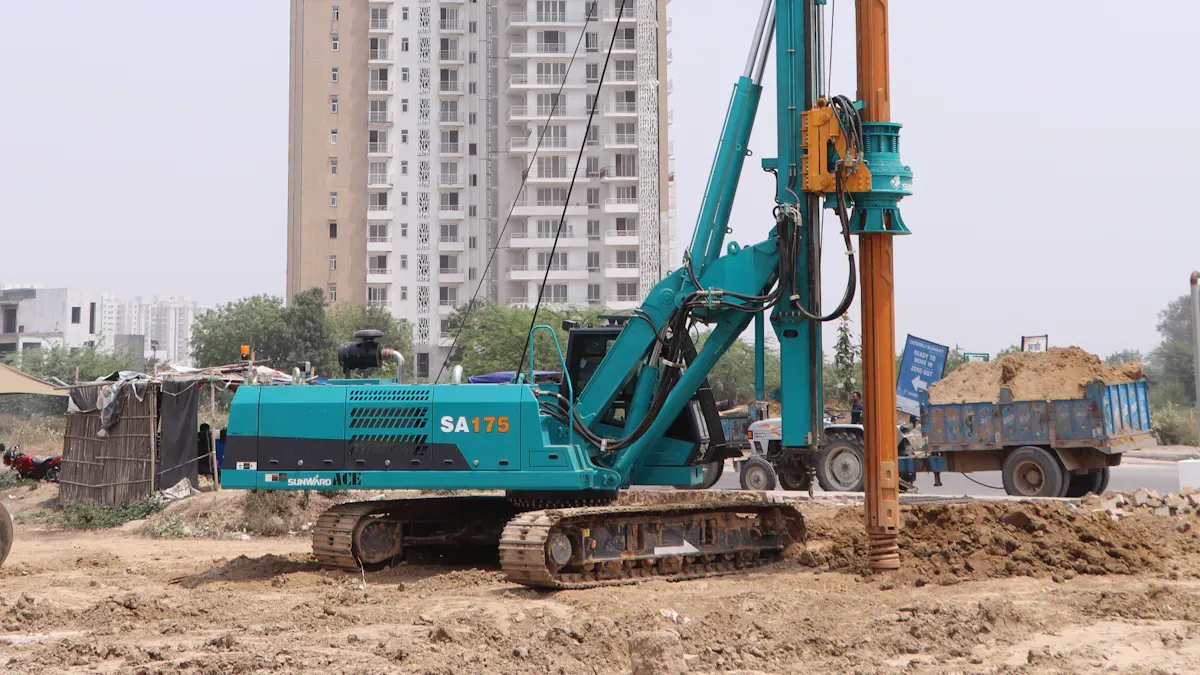
You use a static pile driver 2000kN pressure powers deep to make strong foundations. This machine pushes down with vertical force, weight, and counterweight. It uses a hydraulic system. CEGC makes these machines to disturb the ground as little as possible. Studies show that different soil types, like pebble layers, can affect how well this method works.
Key Takeaways
-
Static pile drivers use 2000kN pressure to push piles deep. This helps make strong foundations with little disturbance.
-
This method is quieter and makes less shaking than old ways. It works well for building in cities.
-
Always do static load testing after putting in the piles. This checks the strength and stability of the piles. It helps make sure the foundation is safe.
Static Pile Driver 2000kN Pressure Powers Deep Foundations
How Static Pile Drivers Work
You use a static pile driver 2000kN pressure powers deep to build strong foundations. This machine uses its own weight, a counterweight, and a hydraulic system to push piles into the ground. You see the machine apply steady vertical pressure instead of using impact or vibration. The hydraulic system helps control the force and keeps the process smooth. When you operate a static pile driver 2000kN pressure powers deep, you notice that it works quietly and does not shake the ground much. This makes it a good choice for places where you want to avoid disturbing nearby buildings or people.
Role of 2000kN Pressure in Deep Installation
The 2000kN pressure is a huge force. You rely on this power to push piles deep into many types of soil. Here is how the static pile driver 2000kN pressure powers deep through tough ground:
-
The machine creates enough force to overcome resistance from different soils.
-
You can install piles even in complex layers, such as those with pebbles or hard spots.
-
The pressure helps the pile interact with the soil, making sure it stays stable.
-
You learn about stress and lateral soil pressure, which helps you understand how the pile moves through the ground.
Tip: Using a static pile driver 2000kN pressure powers deep means you get less noise and vibration. This is important for city projects.
|
Method |
Ground Vibration (in/sec) |
Underwater Noise (dB re 1 µPa at 10 meters) |
|
|---|---|---|---|
|
Vibratory |
85-95 |
0.1-0.5 |
150-170 |
|
Impact |
100-110 |
0.5-2.0 |
190-210 |
You see that static pile drivers work much more quietly than impact or vibratory methods. This makes them a smart choice for sensitive sites.
Static Pressure Pile Installation Process and Effectiveness
Step-by-Step Installation Process
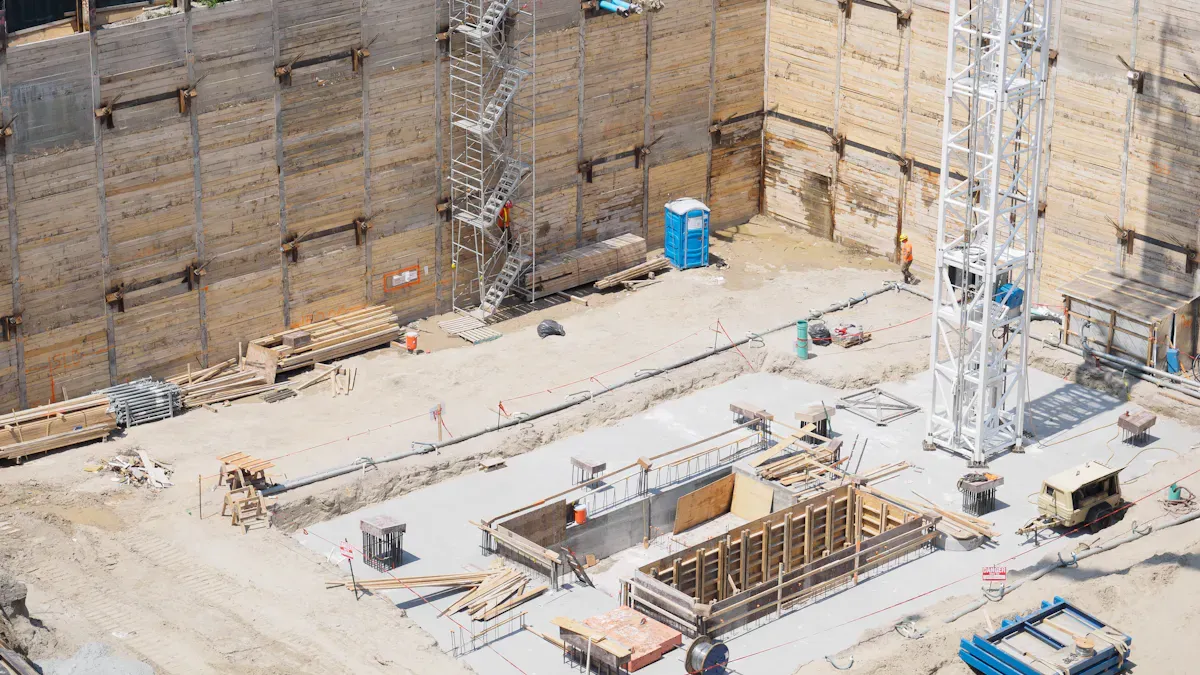
First, you get the site ready for work. You check the soil and mark where each pile goes. You bring the static pile driver to the site and set it up. You put the pile straight under the machine. The machine uses its weight and hydraulic system to push the pile down. You watch as the pile moves slowly and smoothly into the ground. You keep an eye on the pressure and how deep the pile goes. You do these steps for every pile until the foundation is done.
Here are the main steps for static pressure pile installation:
-
Get the site ready and mark pile spots.
-
Set up the machine and put the pile in place.
-
Use the hydraulic system to push down.
-
The pile goes into the ground without shaking or loud noise.
-
Check the depth and pressure for each pile.
-
Finish putting in all the piles.
Static pressure pile installation helps you make a deep foundation with little mess. The process is quiet and gentle. You can work in cities without bothering people or hurting buildings nearby.
Advantages Over Impact and Vibration Methods
Static pressure pile installation has many good points over impact and vibratory ways. You do not make loud sounds or strong shaking. You keep old buildings and nature safe. You lower risks for workers and people close by.
Note: People call static pressure pile installation the "Gentle Giant" because it works quietly and safely.
You can see how the methods are different in the table below:
|
Method |
Noise Level (dBA) |
Ground-borne Vibration (in/sec) |
Underwater Noise (dB) |
|---|---|---|---|
|
Vibratory Pile Driving |
85-95 |
0.1-0.5 |
150-170 |
|
Impact Pile Driving |
100-110 |
0.5-2.0 |
190-210 |
You pick static pressure pile installation when you want to protect nature. You do not bother animals or people. You can work near hospitals, schools, or homes. You get a deep foundation without causing trouble for others.
Results: Depth, Stability, and Load Testing
Static pressure pile installation gives you great results. You reach deep levels in many kinds of soil. The piles stay strong and hold heavy weight. You test the piles to make sure your foundation is safe.
You use static load testing to check how much weight a pile can hold. You put a heavy load on the pile and see how much it moves. Static load testing gives you true results. You trust this test to show the real pile strength. You know your foundation will last a long time.
You use static pressure pile installation to build safe buildings. The piles have high strength. You check each pile as you put it in. You use static load testing to make sure the piles are strong. You see that this method gives you good results every time.
Tip: Always test the pile strength after you finish. This makes sure your foundation is safe.
You use static pressure pile installation for bridges, buildings, and towers. You get strong support for deep foundations. You trust the piles because you test them well. You know your work will last.
Key Considerations for High-Pressure Static Pile Drivers
Safety and Operational Requirements
You must follow strict safety rules when you use high-pressure static pile drivers. These machines can be dangerous if you do not pay attention. Site supervisors, equipment operators, and safety staff all play important roles. Here are some key safety steps you should follow:
-
Wear hard hats, gloves, and safety boots at all times.
-
Check the machine before you start work.
-
Keep the work area clear of people who do not need to be there.
-
Watch for moving parts and stay alert.
-
Communicate with your team using hand signals or radios.
-
Stop work right away if you see a problem.
Tip: Always review safety plans before you begin each day. This keeps everyone safe.
Site Suitability and Limitations
You need to think about several things before you use a high-pressure static pile driver. Soil conditions matter a lot. Soft clay, sand, or mixed soils can change how deep you can push the piles. The type of pile you choose also affects the results. You must calculate the load each pile will carry. Local building codes and rules set limits for how deep and how strong your piles must be.
Some sites may not work well for static pile drivers. Tight spaces, rocky ground, or areas with underground pipes can cause problems. You should always check the site first. If you find limits, you may need to use a different method or adjust your plan.
|
Factor |
Impact on Installation |
|---|---|
|
Soil Type |
Affects pile depth and method |
|
Pile Material |
Changes load capacity |
|
Site Access |
Limits machine movement |
|
Local Regulations |
Sets safety and depth rules |
Note: Careful planning helps you avoid problems and keeps your project on track.
You build strong and deep foundations with static pile drivers. The 2000kN pressure helps make the piles go deep. This way causes less mess in the ground. You get results that are correct and steady. Static load tests check how strong the piles are. These tests work best, as you can see below:
|
Method |
Benefits |
Drawbacks |
|---|---|---|
|
Static Load Tests |
Very accurate, works in all soils, sure results |
Hard to set up, takes longer, needs space |
When you pick this method, keep these things in mind:
-
Dynamic analysis gives quick guesses, but static analysis is better.
-
Learn the difference between ultimate and allowable capacity.
-
Groundwater can change how strong the piles are.
-
How you install piles changes how they work in the soil.
Tip: Always check your site and follow safety rules to get the best results.
FAQ
What does penetration mean in static pile driving?
Penetration tells you how far a pile goes down. You use pressure and force to push the pile deep. This helps make the foundation strong.
How do you measure pile penetration resistance?
You check how much pressure and force are needed. This shows how hard it is to push the pile into the soil. It helps you find out the bearing capacity.
Why is sandy soil foundation important for pile installation?
Sandy soil gives good support for piles. You use pressure and force to reach the right pile load. You check bearing capacity to keep the foundation safe.


