
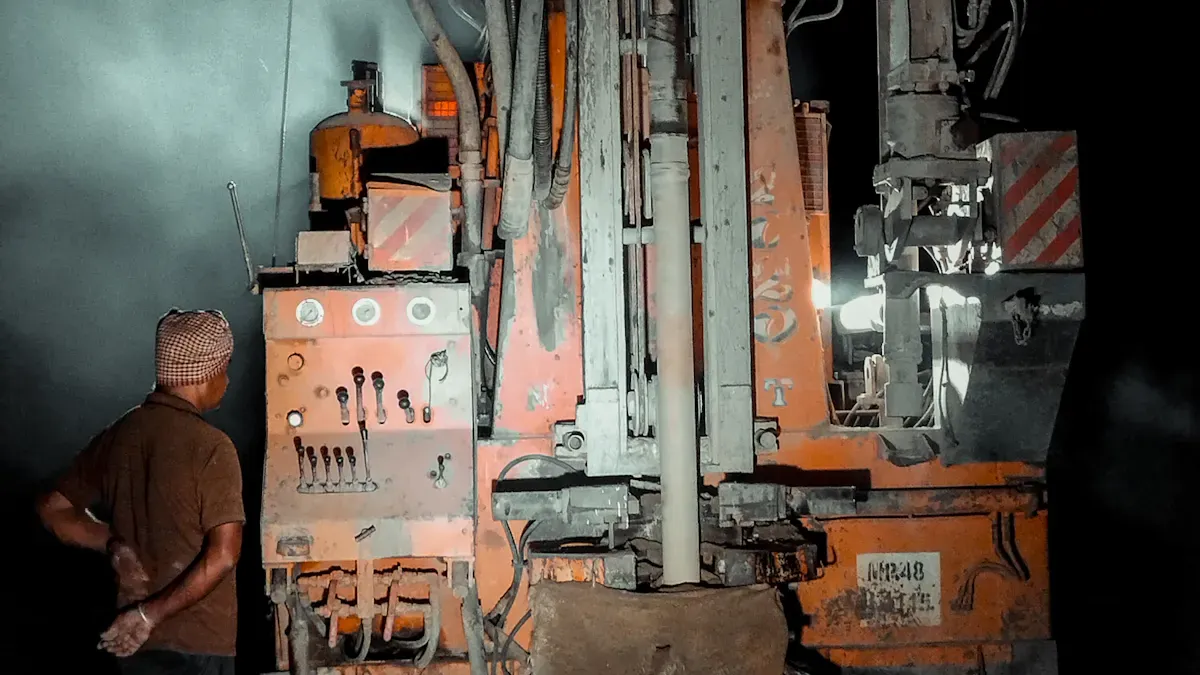
The Static Pile Driver 2200kN Output Handles Load is a strong tool for building foundations. CEGC uses this machine for jobs that need to hold heavy loads. It does not make noise or shake the ground. The table below shows its main benefits compared to other pile drivers.
|
Advantage |
Description |
|---|---|
|
Load Capacity |
Keeps piles strong, works well with weak precast piles. |
|
Noise/Vibration |
Quiet and does not shake, good for cities with sensitive areas. |
|
Environmental Impact |
No smoke or dust, follows rules for the environment. |
|
Precision |
Controls in real time, helps accuracy in tough places. |
|
Adaptability |
Works in many soils, stays reliable in bad weather. |
Key Takeaways
-
The Static Pile Driver 2200kN works well in cities. It makes little noise and vibration. This makes it safe near places like hospitals and schools.
-
This machine can handle heavy loads. It gives strong support for tall buildings and bridges. It works even when the soil is soft.
-
Regular maintenance and checks help the pile driver work well. This keeps it reliable and safe for big construction projects.
Performance Metrics
Load Capacity for Piles
A static pile driver with 2200kN output gives strong support. It helps many building projects stay safe. Engineers look at the load capacity before they start work. Load capacity means how much weight each pile can hold. This number tells builders if the piles are safe for the building. The pile driver’s capacity fits tall buildings and bridges. Workers use the pile driver to push piles deep into the ground. The high capacity keeps piles from bending or breaking. It works well even in soft soil where more support is needed. Builders trust the load capacity to keep buildings standing for years. The machine’s capacity makes it a good choice for big jobs.
Efficiency and Speed
How well a static pile driver works depends on speed and power. The 2200kN output gives steady speed and strong force. This machine is quiet and does not shake the ground. The table below shows how static pile drivers compare to other machines:
|
Pile Driving Method |
Advantages |
Disadvantages |
|---|---|---|
|
Static Pile Drivers |
Less noise and vibration, higher accuracy, suitable for urban areas |
Limited effectiveness in hard soils |
|
Impact Hammers |
Effective in hard soils, widely used |
High noise and vibration |
|
Vibratory Hammers |
Effective in sandy soils, faster driving |
Less effective in dense soils |
|
Diesel Hammers |
Effective in hard soils, high driving energy |
High pollution and noise |
Static pile drivers work well in cities. They finish jobs fast and do not hurt the area. The machine’s capacity helps workers finish more piles each day. The pile driver’s good performance makes it a smart choice for many projects.
Reliability and Maintenance
A pile driver’s performance also depends on repairs. Static pile drivers have simple parts and strong frames. This design helps the machine last a long time. It also means less downtime for repairs. The machine’s capacity stays high after many uses. Workers check the pile driver often to keep it working well. Good care means the pile driver works every day. The capacity does not drop if workers follow the rules. The machine’s good performance helps builders trust it for important jobs.
Static Pile Driver 2200kN Output Handles Load
Urban Construction Benefits
Cities need strong bases for tall buildings and bridges. The static pile driver 2200kN output handles load in busy places. It does not cause problems for people nearby. This machine works well in crowded spots. It does not make loud noise or shake the ground. Workers use it close to homes, schools, and hospitals. The static pile driver 2200kN output handles load without bothering people. It does not hurt nearby buildings. It also keeps underground pipes and wires safe.
Some main benefits for building in cities are:
-
It makes little noise and vibration when working.
-
It is safe to use near places like hospitals and schools.
-
It does not use impact force, so old buildings stay safe.
-
It is good for the environment and the community.
The static pile driver 2200kN output handles load where other machines cannot work safely. It helps builders finish jobs on time. It keeps the area quiet and calm.
Noise and Vibration Reduction
Noise and shaking can be big problems in cities. Many machines are loud and shake the ground. The static pile driver 2200kN output handles load with less noise and vibration. This makes it better for places where people live and work. Hospitals, schools, and offices stay quiet during building work. The machine does not bother people living nearby.
Key points about noise and vibration:
-
Hydraulic static pile drivers make less noise and vibration than other hammers.
-
They do not hurt nearby buildings or pipes.
-
They are more accurate, so workers fix fewer mistakes.
The static pile driver 2200kN output handles load and keeps the city safe and calm. Builders can work near important places without causing problems.
Static Load Testing Accuracy
Testing piles is important to keep buildings safe. The static pile driver 2200kN output handles load and helps engineers check pile strength. Static load tests give real numbers about how much weight the ground and piles can hold. These tests show if the base will last a long time.
Note: Field testing of piles gives true information about soil and pile strength. Static load tests are more reliable than other tests, but they take more time and cost more money.
The table below shows results from static and dynamic load tests:
|
Test Type |
Load Capacity (kN) |
Working Load Range (kN) |
Settlement (mm) |
|---|---|---|---|
|
3278 |
2450 - 2480 |
20 - 34.26 |
|
|
Dynamic Load Test |
Up to 6842 |
N/A |
Comparable |
Static load tests help engineers know if piles are safe. The static pile driver 2200kN output handles load and gives the right data for each job. This helps buildings stay strong and safe for many years.
Pile Driver Comparison
2200kN vs Other Capacities
Pile drivers come in different sizes. The 2200kN output is very strong. Smaller machines can only lift lighter things. Bigger machines, like the 2200kN, help build tall buildings and big bridges. Builders pick the right size for each job. The table below shows which machine fits each kind of work:
|
Output Capacity |
Typical Use |
Load Handling |
|---|---|---|
|
<1000kN |
Small homes, fences |
Light loads |
|
1000-2200kN |
Mid-rise buildings |
Medium loads |
|
2200kN+ |
High-rises, bridges |
Heavy loads |
A 2200kN pile driver helps builders feel sure. It can do hard jobs and keeps buildings safe.
Static vs Hydraulic and Diesel Drivers
Different pile drivers work in their own ways. Each type has special things it does:
-
Static Pile Drivers: Use steady pressure. They do not shake the ground. They are good for cities and sensitive places.
-
Hydraulic Pile Drivers: Use hydraulic force. They give careful control. They make less pollution and are good for careful jobs.
-
Diesel Pile Drivers: Use impact and vibration. They push piles deep into hard ground. They work fast but are noisy.
Builders choose machines based on the ground, job, and place.
Environmental Impact
Pile drivers can change the environment in many ways. Static and hydraulic machines make less noise and dust. Diesel drivers make more pollution and shake the ground. Cities like static and hydraulic machines for quiet and clean work. Builders help the community by picking machines that do not hurt the area.
Tip: Picking the right pile driver keeps the environment safe and helps people stay healthy.
Project Applications
Foundation Types for Piles
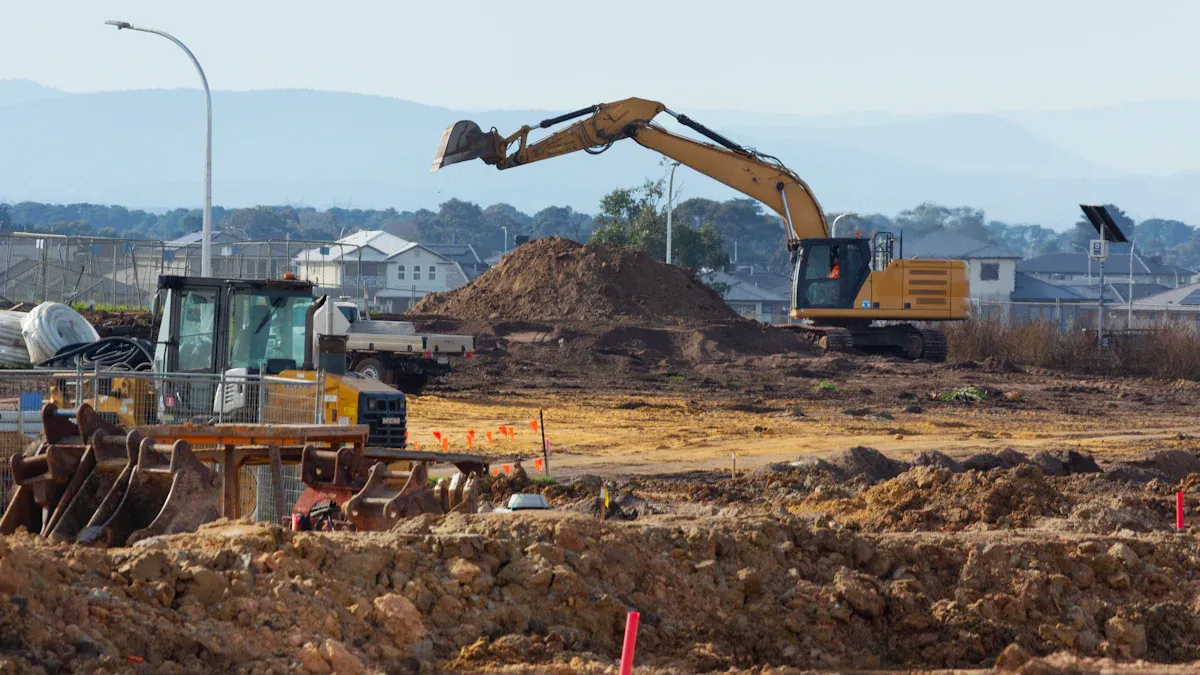
Engineers use many types of piles for different foundation needs. They choose the right pile for each foundation. Some projects need driven piles, while others use bored piles. The static pile driver works well with precast concrete piles, steel piles, and even composite piles. Each pile supports the foundation in a special way. For tall buildings, engineers use long piles to reach deep, strong soil. For bridges, they use piles that can handle heavy loads. The static pile driver helps place each pile with care. This keeps the foundation safe and strong. In cities, builders often use piles for foundations because the ground is soft or full of old materials. The static pile driver makes sure each pile fits the foundation plan.
Soil and Structural Demands
Soil changes from place to place. Some soil is soft, while other soil is hard. Engineers test the soil before they start the foundation. They pick the right pile for the soil type. Soft soil needs longer piles to reach firm ground. Hard soil needs strong piles that can handle pressure. The static pile driver pushes each pile into the ground without shaking the soil. This keeps the foundation safe. The pile must match the weight of the building. Heavy buildings need more piles or bigger piles. The static pile driver helps builders meet these demands. It places each pile in the right spot for the foundation.
Real-World Scenarios
Many projects show how static pile drivers help with piles and foundation work. In busy cities, builders use static pile drivers near hospitals, schools, and old buildings. The machine places each pile without making noise or shaking the ground. For example, a hospital in a city used a static pile driver to install piles for a new wing. The foundation stayed safe, and patients did not hear loud sounds. In another case, a bridge project used the static pile driver to set piles in soft soil. The piles held the bridge foundation steady. These real-world examples show how the static pile driver helps with piles and foundation work in many places.
Advantages & Limitations
Key Benefits
Static pile drivers with 2200kN output have many good points for building foundations. They let workers check the pile pressing force and straightness right away. This helps make sure the piles go in the right way. It is important for tough building jobs where the ground is tricky. The machine is quiet and does not shake much, so it is great for cities near hospitals and schools. It works well in small spaces and keeps other buildings safe while working. The static pile driver makes piles stronger in soft ground, so buildings do not sink. It does not hurt the work site and is easy to take apart for short-term jobs. The static pressure method keeps the pile strong and does not break it. The machine does not make smoke or use explosives, so it is good for the environment.
-
Makes less noise and shaking when working.
-
Keeps other buildings safe in cities.
-
Makes piles stronger in soft ground.
Operational Constraints
Even though it has many good points, the static pile driver also has some problems. The machine needs a lot of space to work. It does not work well in very hard ground. It can cost more than other machines. The big size means it cannot fit in small places. Workers must follow rules to keep the piles strong and safe. The machine needs to be checked often to keep it working right.
Note: The static pile driver is best for soft ground and city jobs, but it can have trouble in rocky places.
Safety and Regulations
Safety is always very important when using this machine. Workers must follow all the rules for building. The static pile driver helps keep people safe by making less noise and shaking. It keeps nearby buildings and pipes safe. The machine does not pollute the air or ground. Engineers check the piles after each job to make sure they are safe. The law says builders must keep good records for every job.
Selection Guide
Project Assessment Checklist
A project team should check important points before choosing a pile driver. This checklist helps them make smart choices:
-
Check the total load the foundation must support.
-
Study the soil type and see if it is soft, medium, or hard.
-
Measure the space at the job site.
-
Look for nearby buildings, pipes, or sensitive areas.
-
Review noise and vibration rules in the city.
-
Set the project timeline and budget.
Tip: Teams should talk with engineers and local officials before making a final choice.
When to Choose 2200kN Output
A static pile driver with 2200kN output fits many big projects. Teams pick this machine when they need:
|
Situation |
Why Choose 2200kN Output? |
|---|---|
|
High-rise buildings |
Handles heavy loads safely |
|
Bridges and overpasses |
Supports large structures |
|
Urban construction |
Reduces noise and vibration |
|
Soft or mixed soil |
Pushes piles deep without shaking |
|
Sensitive environments |
Protects nearby buildings and pipes |
This machine works best when the job needs strong support and quiet operation.
Alternative Solutions
Some projects need different machines. Teams can look at these options:
-
Use a smaller pile driver for light loads or small spaces.
-
Pick a hydraulic or diesel hammer for very hard ground.
-
Try bored piles if the site has many rocks.
Note: Each project is different. Teams should match the machine to the job needs for the best results.
Static pile drivers with 2200kN output work for many jobs. They can hold heavy loads and work fast. They do not hurt the environment much. People can use the checklist to pick the best machine.
For special jobs, it is smart to ask engineers for help or look up more information before choosing.
FAQ
What is the difference between static and dynamic load tests in pile driving?
Static and dynamic load tests both check the bearing capacity of piles. Static load tests measure slow pressure. Dynamic load tests use quick force during pile driving.
Why do engineers use both static and dynamic load tests for piles?
Engineers use both tests to get a full picture of pile strength. Static load tests show long-term support. Dynamic load tests help during fast pile driving.
How do static and dynamic load tests affect the safety of a building’s foundation?
Static and dynamic load tests help engineers know if piles can handle the load. These tests make sure pile driving gives safe support and keeps buildings strong.


