
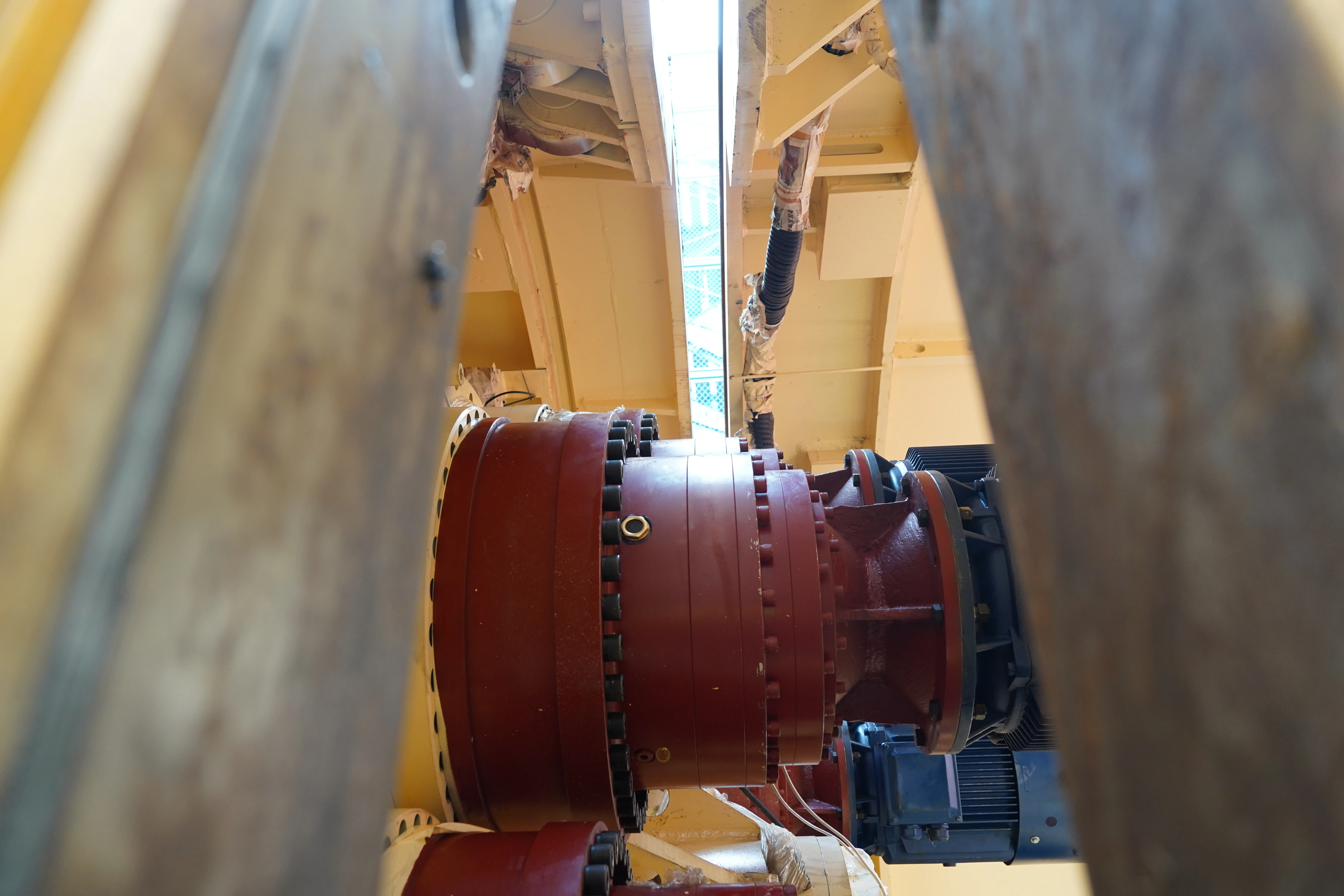
You count on a tunnel machine to keep your project going, especially when work is busy. A TBM machine needs discharge redundancy for peaks during busy times. This helps stop delays and keeps work moving consistently. CEGC provides TBM solutions that meet market standards. These solutions come with customizable features that help maintain ground stability and reduce settlement risks. This ensures the machine operates efficiently and minimizes downtime.
Key Takeaways
-
Discharge redundancy is very important for TBM machines. It helps the machines keep working during busy times. This stops delays and keeps the project on time.
-
Using backup systems for muck and slurry removal makes things safer and faster. It lowers the chance of tunnel flooding and face problems.
-
Planning for discharge redundancy early in the project saves money on emergency repairs. It also makes tunneling go more smoothly.
Why a TBM Machine Needs Discharge Redundancy for Peaks
Peak Operations and Spoil Removal Challenges
When you dig tunnels in mixed ground, the work gets tough. During busy times, a TBM machine needs discharge redundancy for peaks to keep digging and stop slowdowns. The tunnel can change fast, especially in cities. You have to handle high water pressure, slurry flow, and muck removal well. If you do not have enough discharge, spoil piles up and slows the machine.
When you use tunnel boring machines in mixed ground, you face many spoil removal problems:
-
It gets harder to keep the excavation face stable. You must control support pressure to stop too much jacking force and overloading the TBM drive unit.
-
The soil gets more disturbed as digging loosens the ground. This means more soil loss and extra muck in the tunnel.
-
Pressure changes during box jacking shake the soil. Mud films can form when you pause, making it hard to know the real digging conditions.
-
High groundwater and slurry pressure can let water in, especially if the discharge system cannot keep up.
You need a strong slurry system to deal with these problems. CEGC makes TBM machines that meet market standards. You can change discharge redundancy features to fit your project’s grouting plan, pre-excavation grouting, and muck transport needs. This helps keep the face stable and tunneling safe and smooth.
Tip: Always check slurry flow and muck removal rates during busy tunneling. This helps you find problems early and fix discharge redundancy before things get worse.
Risks of Insufficient Discharge Capacity
If you do not plan for discharge redundancy, you can lose time and money. A TBM machine needs discharge redundancy for peaks to stop these problems. Not enough discharge can cause:
-
Ground becomes unstable as muck and slurry build up and pressure rises.
-
Water can get in, especially in high water pressure areas. More recharge wells help control groundwater and lower these risks.
-
Work gets harder, because blocked muck transport slows tunneling and means more repairs.
-
The face can become unstable, which can cause blowouts or make the tunnel go off track.
You must make sure your TBM has backup systems for slurry and muck removal. CEGC gives you choices, like modular discharge systems and grouting interfaces. You can test each recharge well to make sure it handles at least 25 l/s. This means you do not need to discharge into the GUC as much and keeps the tunnel safe.
You also need a good pre-excavation grouting plan. Grout seals the tunnel face and stops water from getting in. You can change the grouting plan for mixed ground and high pressure spots. This keeps the tunnel safe and helps it work better.
-
Redundancy in discharge systems lets you keep tunneling in mixed ground.
-
High pressure and lots of water need good slurry and muck removal.
-
Grouting and pre-excavation grouting keep the tunnel face stable and lower risks.
You stay on schedule and save money when you invest in discharge redundancy. CEGC’s tunnel boring machines and microtunnelling machines help you with market-standard specs and custom options for your project.
Technical Solutions for Reliable TBM Discharge
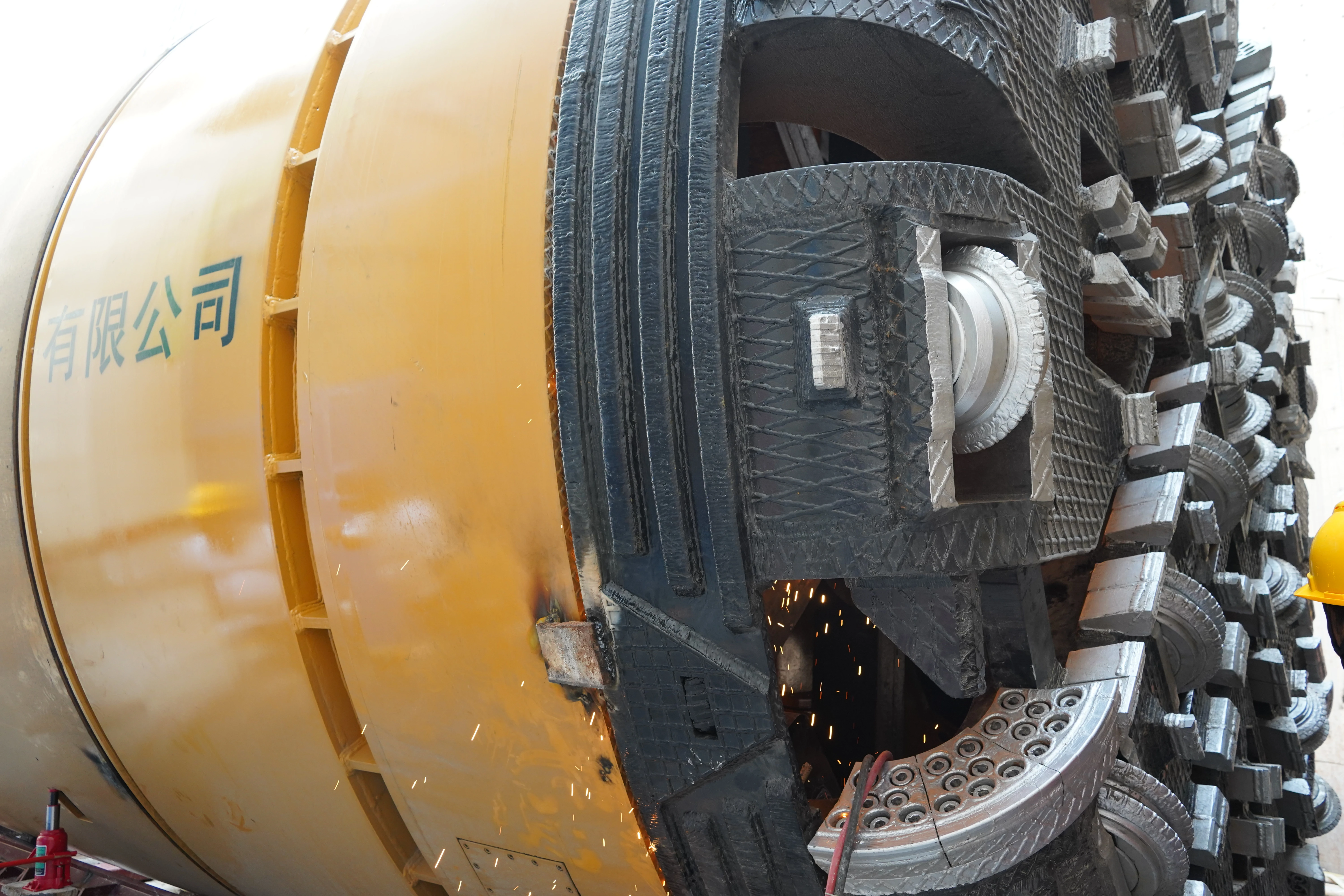
Redundancy Systems in Tunnel Boring Machines
You need strong backup systems in your TBM. These help keep tunneling going without stopping. Backup conveyors and pumps are important for tunnel work. Modular muck transport systems also help a lot. They let you remove muck and slurry even when tunneling is busy. If a part breaks, you can fix or replace it fast. This keeps your TBM working and cuts down on delays. Backup pumps and conveyors stop muck and slurry from piling up. This protects the tunnel face and makes grouting work well.
Here is a table that shows important features for discharge redundancy and TBM performance:
|
Feature |
Description |
|---|---|
|
Hydraulic Power and Control |
Many circuits keep your TBM working, even during repairs. |
|
Real-time Monitoring |
You get updates on slurry and muck flow right away. |
|
Modular Design |
You can change parts quickly, so tunneling does not stop. |
|
Pressure Monitoring Systems |
Early warnings help you fix problems before they get big. |
|
Emergency Shutdown Capabilities |
You can keep your team and equipment safe if something goes wrong. |
CEGC’s Approach to Discharge Redundancy
CEGC gives you TBM solutions that meet market standards. You can pick backup slurry pumps and modular muck transport. Advanced grouting interfaces are also available. These choices help you control slurry flow, muck removal, and grout injection. CEGC uses face pressure control and soil conditioning to keep tunnels stable. Service-friendly designs make it easy to reach and fix your TBM. You can change grouting plans and slurry systems for different ground and water conditions. This helps your TBM work well and keeps tunneling safe and efficient.
Benefits and Best Practices for TBM Discharge Redundancy
Project Performance and Safety Gains
When you use discharge redundancy in your tbm, you get clear benefits. Backup slurry pumps and muck transport systems help keep tunneling going. This means your machine works longer without stopping. Safety gets better because you avoid tunnel flooding and face instability. You spend less money since downtime and emergency repairs are reduced. Your schedule stays steady because spoil removal and grouting are consistent.
Here is a table that shows how discharge redundancy helps your project:
|
Benefit |
Impact on TBM Projects |
|---|---|
|
Uptime |
Keeps tbm running during busy tunneling |
|
Safety |
Stops tunnel flooding and instability |
|
Cost Control |
Cuts muck removal delays |
|
Schedule |
Keeps slurry and grouting steady |
Planning for redundancy protects your tunnel and your team. You also finish your project faster.
Real-World Examples and Industry Standards
You can use best practices to get the most from your tbm discharge systems. Start your hydrogeological investigation early. Plan how you will manage discharge before you pump slurry. Use automated tools to watch your systems in real time. Add grouting to your dewatering plan to lower water inflow. Keep extra pump capacity ready in case a system fails. Write down every step for permits and quality checks.
-
Begin hydrogeological investigation early.
-
Plan discharge management before pumping slurry.
-
Monitor with automated systems all the time.
-
Add grouting to dewatering plans.
-
Keep extra pump capacity ready.
-
Record everything for compliance.
CEGC gives you tbm and microtunnelling solutions that meet market standards. You can change slurry, muck, and grouting systems to fit your tunnel project. You get safer tunneling and reliable performance when you follow these best practices.
You need discharge redundancy for peaks in your TBM machine. This keeps tunneling safe and helps it work well. CEGC gives you smart solutions for reliable tunneling. When you plan your tunnel, always think about discharge redundancy for peaks. Make sure redundancy is a main part of your tunneling plan.
-
Make tunneling safer and keep machines running longer
-
Save money and stay on schedule
FAQ
What is discharge redundancy in a TBM machine?
Discharge redundancy means there are backup systems for muck and slurry removal. These backups help your tunnel machine keep working when things get busy. They also stop long breaks that can cost a lot of money.
How does CEGC customize discharge redundancy for my project?
You can pick modular muck transport, backup pumps, and grouting interfaces. CEGC changes these features to match your tunnel’s ground and what your project needs.
Why should you plan for discharge redundancy before tunneling starts?
-
You stop delays from happening.
-
You help keep the tunnel stable.
-
You have fewer emergency repairs.
-
You make sure your project stays on schedule.


