
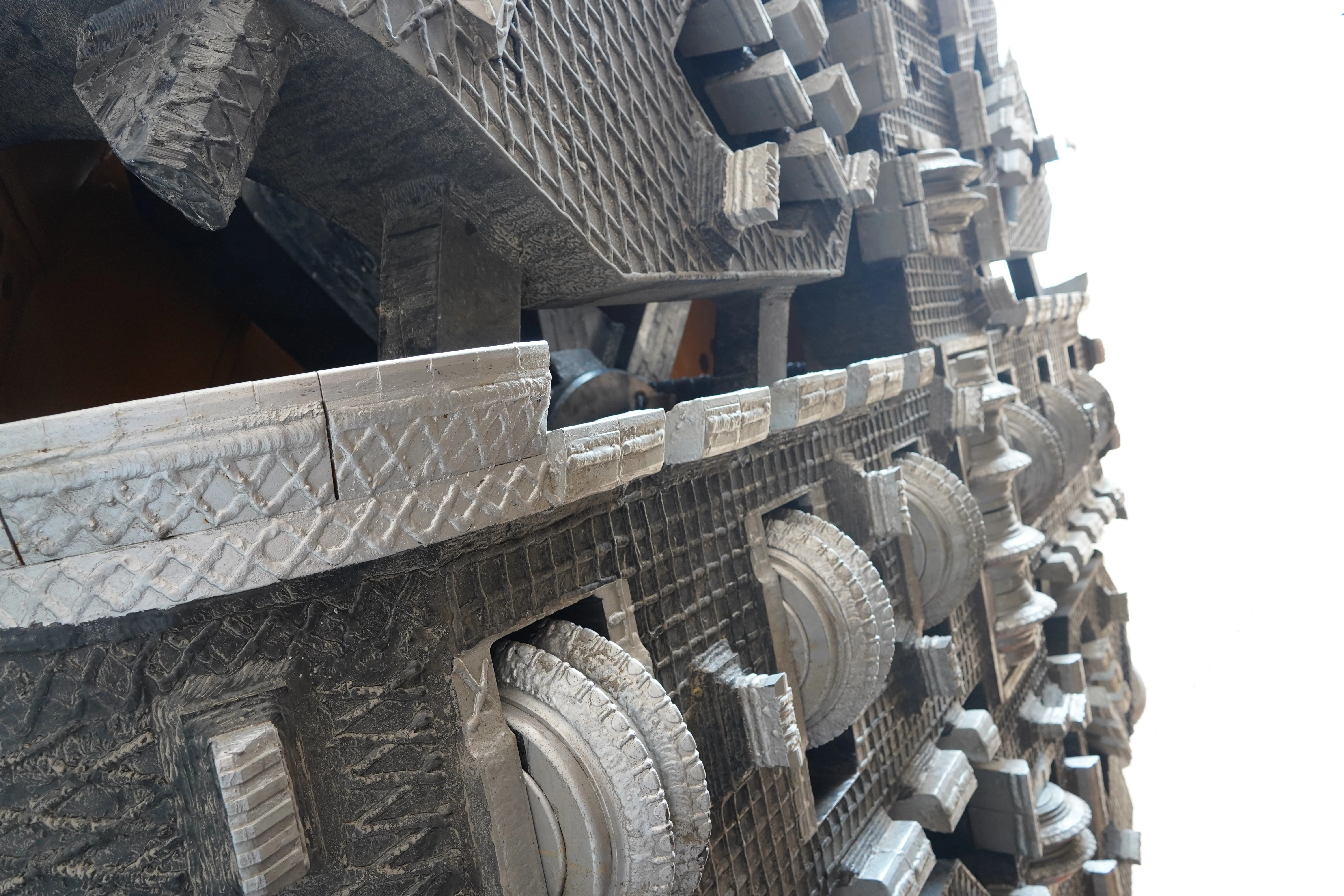
TBM tunnel discharge friction rises with fines buildup, which occurs due to the increased density, viscosity, and abrasiveness that make the slurry more challenging to move. CEGC provides tunnel boring machine solutions that feature market-standard specifications along with customizable options. When fines accumulate in the slurry, it leads to higher costs, more complications, and greater risks in tunneling projects.
Key Takeaways
-
Check fines in the slurry often to stop blockages and keep flow smooth. This helps your tunnel boring machine work well.
-
Change slurry properties like water and additives using real-time checks. This keeps performance high and lowers the chance of stopping work.
-
Do regular maintenance and use smart monitoring systems to watch slurry flow and cutter wear. This careful plan cuts down problems and makes the project run better.
Fines in TBM Discharge
What Are Fines?
Fines are tiny pieces of soil or rock. They are so small that they pass through a 75-micron sieve. These bits can be clay, silt, or other small parts. In tunnel boring machine jobs, fines mix with the slurry and change how things work. Microtunnelling machines and auger boring machines also let fines into the slurry from the ground or the machine. Fines are normal in tunneling, but too many can cause trouble.
Sources During Tunnel Boring
Fines come from many places during tunnel building. The table below lists common sources in tunnel boring machine, auger boring, and microtunnelling machine jobs:
|
Source of Fines |
Description |
|---|---|
|
Faulty cutter head design |
Bad parts or structure |
|
Seal failure at shield tail |
Sealing system breaks down |
|
Excessive cutter head torque |
Too much force on cutter heads |
|
Improper face pressure |
Wrong pressure on tunnel face |
|
Inappropriate TBM and cutter types |
Wrong tools for the ground |
|
Blockage in conveyor belt |
Debris stuck in the system |
|
Insufficient conveyor belt capacity |
Not enough material moves |
|
Misalignment/off-route |
Tunnel goes off course |
|
Insufficient backfill grout |
Not enough grout behind lining |
|
Uncontrollable muck transportation |
Hard to move excavated material |
You must watch these sources to keep the tunnel boring machine and slurry system working well.
Impact on Slurry Properties
When fines build up in the slurry, you see several changes:
-
The slurry gets denser. This makes it harder for the tunnel boring machine to push the slurry through pipes.
-
The slurry gets thicker. The flow slows down, and the system needs more power to move.
-
The slurry flow becomes less steady. Sometimes, the slurry stops if fines block the pipes.
-
The separation process at the surface works less well. Fines that stay in the slurry can go back to the tunnel and make things worse.
You can use a rheometer to measure plastic viscosity. This tool shows how fines change the flow of the slurry in real life. CEGC’s soil conditioning and muck transport interface help you handle fines and keep the slurry moving. By controlling fines, you stop filter cake from forming on the tunnel face and help the slurry flow better. Good fines management also stops filter cake from forming in pipes and lowers the risk of blockages. You keep your tunnel boring machine, microtunnelling machine, and auger boring machine working well by watching for fines and changing your slurry system when needed.
Why TBM Tunnel Discharge Friction Rises with Fines Buildup
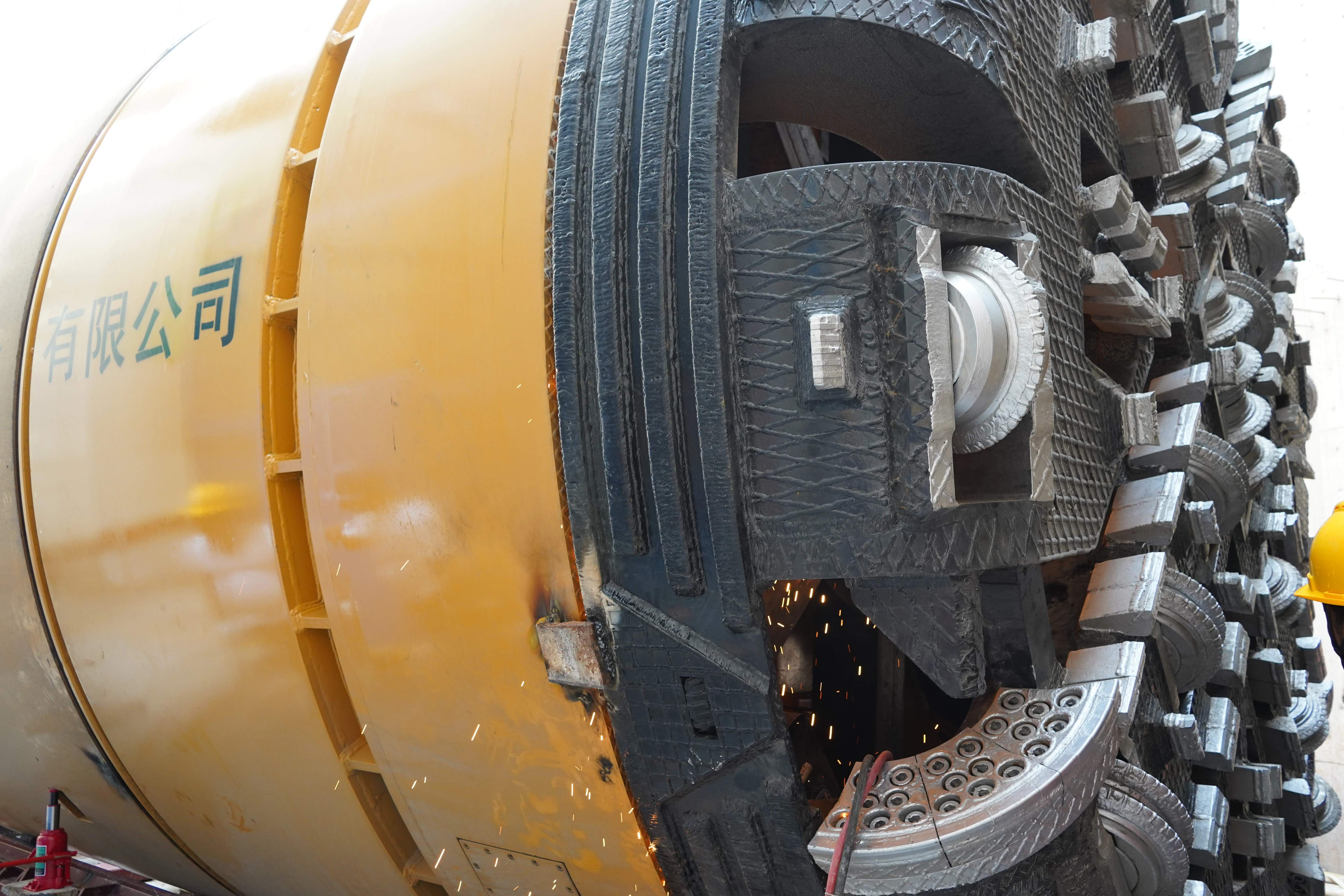
Friction Mechanisms in Slurry Systems
Friction goes up when fines build up in the slurry. The slurry moves through pipes and hoses in tunneling. More fines make the slurry thicker and heavier. This makes it harder for the tunnel machine to push the slurry. Bentonite helps keep the flow smooth. Too many fines can make bentonite less effective.
The tunnel boring machine must handle both bentonite and fines. If fines increase, the slurry gets denser. The flow slows down. The tunnel machine needs more power to move the slurry. You see that energy needed to move the slurry goes up. Bentonite tries to keep the flow steady. Extra fines make the slurry sticky and hard to move.
-
When the disc cutter wears, it takes more energy to cut rock. This shows the cutting process needs more power.
-
If the cutter wears more than 12 mm, energy use goes up by 35%.
-
This higher energy use comes from more friction caused by fines buildup. It makes TBM work less efficient.
You must watch the slurry properties closely. If you ignore fines, the discharge system can clog. Bentonite cannot fix this problem alone. You need to manage the flow and keep the slurry balanced.
Particle Interactions and Clogging
Fines in the slurry do not just make it thicker. They also change how particles interact. Many small particles pack together tightly. This makes clogging in discharge pipes more likely. Bentonite tries to coat particles and keep them apart. Too many fines can stop bentonite from working well.
The study shows angular particles are more abrasive than rounded ones. They cause more wear by cutting and scraping pipe walls. This means particle size and shape affect friction in TBM discharge slurry.
Angular fines can scratch and wear down pipes. The tunnel machine faces more resistance as slurry moves. The flow becomes uneven. Sometimes, the slurry stops moving. Mud cake can form on pipe walls. This mud cake blocks flow and increases friction.
You can use real-time monitoring to check fines in the slurry. You measure dry gravel and sand with weighers on conveyor belts. You also check water content in the muck pit. These steps help you estimate fines in the slurry. Bentonite and other additives must be adjusted based on these measurements to keep flow steady.
Operational Impacts and Solutions
When friction rises in tunnel discharge, you face problems. The tunnel machine uses more energy. Slurry pumps work harder. Blockage risk goes up. You may need to stop tunneling to clear pipes. This downtime costs money and delays the project.
-
Good monitoring methods help find and manage mud cake early. This can make TBM construction more efficient.
-
Adding more negative charge to solid particles can help stop clogging in thick soils.
-
Many ways to prevent and fix clogging are used in EPB shield TBMs.
You can use CEGC’s closed-mode face support to keep the tunnel face stable. This system controls pressure and keeps slurry flow steady. CEGC’s wear management system tracks cutter wear and helps plan maintenance. Modular designs make maintenance easier. These features help reduce downtime and keep the tunnel machine running.
You should use a separation treatment plant to remove bigger particles from the slurry. Fines are separated offline with centrifuges or filter presses. This keeps slurry density under control. You must monitor slurry density and adjust bentonite and water as needed. This helps keep flow smooth and avoid blockages.
You need to watch slurry flow at every stage of tunneling. If flow slows down, check fines content. Adjust bentonite and water to restore flow. Regular maintenance and monitoring help you avoid stoppages and keep your tunnel project on track.
Fines buildup makes friction go up in tunnel discharge. This happens a lot in slurry systems. You need to watch and control fines to keep flow steady. This also helps lower the risk of problems. CEGC gives special tunnel boring machine and microtunnelling machine choices. These help you handle slurry, keep the tunnel face safe, and make flow better.
|
Function |
|
|---|---|
|
Microtunnel Boring Machine (MTBM) |
Digs tunnels and deals with soil. |
|
Spoil removal system |
Takes spoil away fast to stop fines buildup. |
|
Slurry transportation system |
Keeps water pressure right and separates spoil. |
|
Separation process |
Cleans slurry so it can be used again. |
-
Control slurry pressure to hold up the tunnel face.
-
Use lasers and sensors to keep the tunnel straight.
-
Do regular maintenance to keep things working.
FAQ
What happens if you let too many fines build up in the slurry?
You see the slurry get thicker. The flow slows down. The tunnel machine works harder. You risk blockages and more downtime.
How do you keep slurry flow steady in a tunnel project?
You monitor slurry properties often. You adjust water and additives. You use separation plants. You keep the flow moving and avoid blockages in the tunnel.
Why does slurry flow matter for tunnel boring machines?
Slurry flow keeps the tunnel face stable. It moves spoil out. If flow stops, the tunnel machine cannot work. You must keep flow steady for safe tunneling.


