
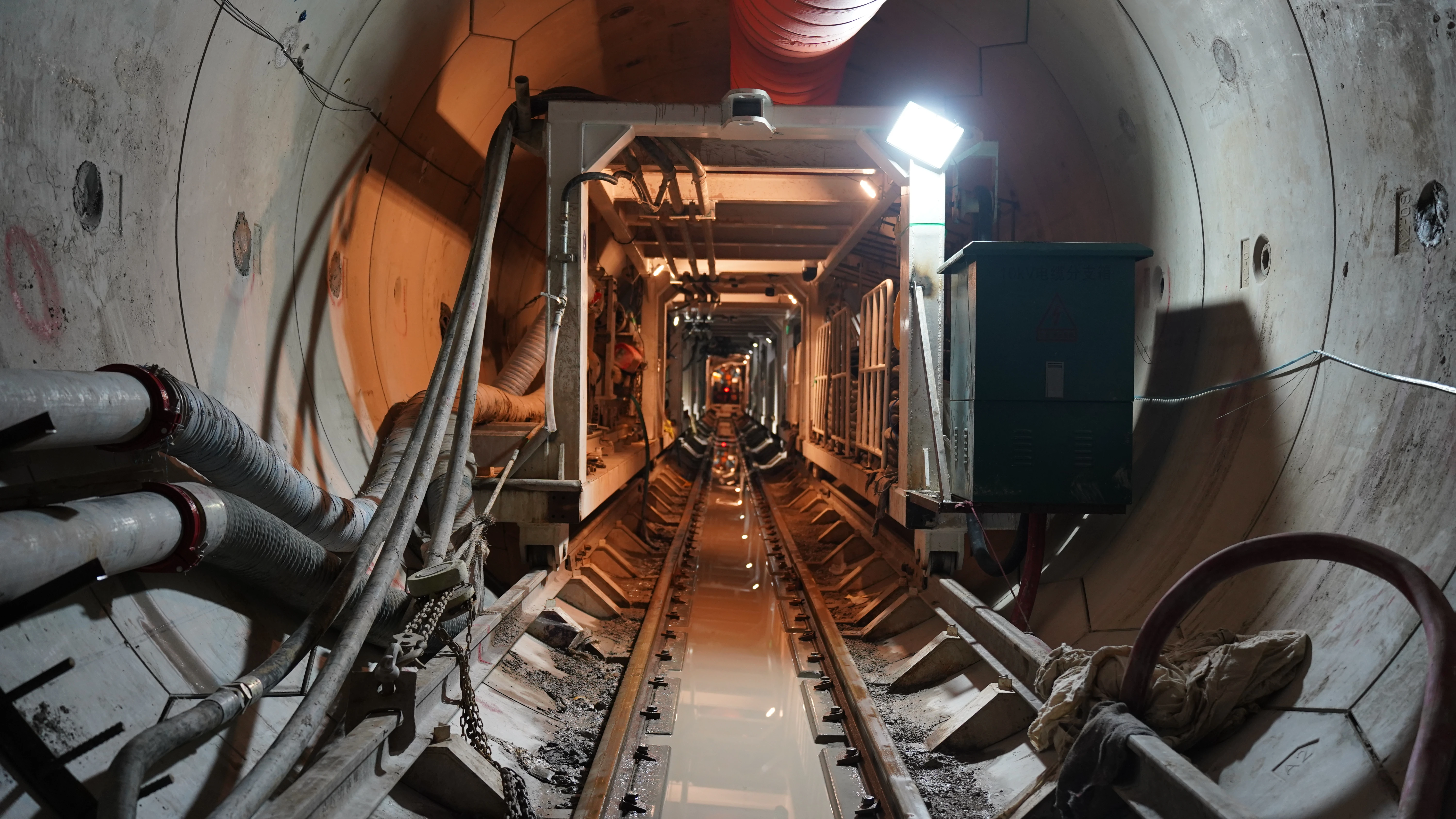
Steady pressure is essential during TBM work to prevent issues such as ground sinking and tunnel face movement. CEGC's TBM tunnel adhesion control keeps pressure more stable, which is particularly beneficial when the soil conditions fluctuate significantly. With CEGC's adhesion control tools, you can effectively manage water ingress and ensure that your TBM operations remain safe and efficient for every project.
Key Takeaways
-
Keeping pressure steady is very important for TBM work. It stops the ground from sinking and keeps the tunnel face from moving. This helps make the work safe and efficient.
-
CEGC's adhesion control tools help control water coming in. They keep the pressure stable, which is very important for tunnels in cities.
-
Changing TBM settings for different soils makes the machine work better. These changes can make the cutters last longer and help the tunnel go faster.
TBM tunnel adhesion control keeps pressure more stable
Adhesion control in tunnel boring machines
It is important to keep pressure steady when using tunnel boring machines. TBM tunnel adhesion control helps keep pressure stable by controlling how soil and water touch the machine. When you use a TBM or Microtunnelling Machine, you face many problems. These problems include ground sinking, tunnel face moving, and water getting in. Adhesion control uses smart tools to fix these problems.
-
TBM tunnel adhesion control keeps pressure more stable by:
-
Lowering ground sinking. For example, using a smaller tail void and strong filler keeps ground movement low. In one project, ground sinking was only 13.1 mm, much less than the allowed 30 mm.
-
Controlling support pressure at the tunnel face. You balance earth and water pressure to stop soil from moving or falling.
-
Using soil conditioning to make soil act better. You add polymers to make soil less sticky and stop it from sticking to metal parts. This makes tunneling easier and keeps pressure steady.
-
Making a sand plug in the excavation chamber. This plug keeps the right pressure and stops soil from leaving the tunnel too fast.
-
TBM tunnel adhesion control gives you better ground stability. It also keeps the tunnel safe and dry while you dig.
These solutions work together in tunnel boring machines. Closed-mode face support, soil conditioning, and sealing architecture all help. They keep the tunnel face stable and stop water from entering the tunnel. These solutions are very important in city projects. You must follow strict rules for ground movement and deal with changing soil.
Pressure stability and ground protection
You need steady pressure to protect the ground and tunnel. TBM tunnel adhesion control keeps pressure stable by using different solutions. These include pressurized air chambers, bentonite slurry injection, and EPB or Slurry TBM systems.
-
Bentonite slurry grows bigger when mixed with water. It makes a thick mix that supports earth pressure and stops soil from falling.
-
Slurry is needed for Slurry TBM work. It helps keep the digging face stable and controls pressure while tunneling.
-
Bentonite slurry makes a filter cake on tunnel walls. This cake seals the walls and stops soil and water from getting in.
-
Slurry also controls water coming into the tunnel. It keeps pressure steady and protects the tunnel from water.
Urban tunneling projects have many challenges. Strict rules mean you cannot let the ground move much. Changing soil, like argillized mudstone, can clog cutters and make tunneling harder. This makes it tough to keep pressure steady. You must use the right solutions to fix these problems.
TBM tunnel adhesion control helps you follow industry rules for pressure. You keep pressure just above the minimum, usually between +0.2 and +0.5 bar. This stops cutter wear and surface heave. It also prevents sudden drops in pressure that cause ground sinking.
You can trust CEGC's solutions for your tunnel machine, TBM tunnel boring machine, or Microtunnelling Machine. These solutions help keep pressure steady, protect the ground, and finish tunneling projects safely and on time.
Technical solutions for stable TBM tunnel pressure
Face support and soil conditioning
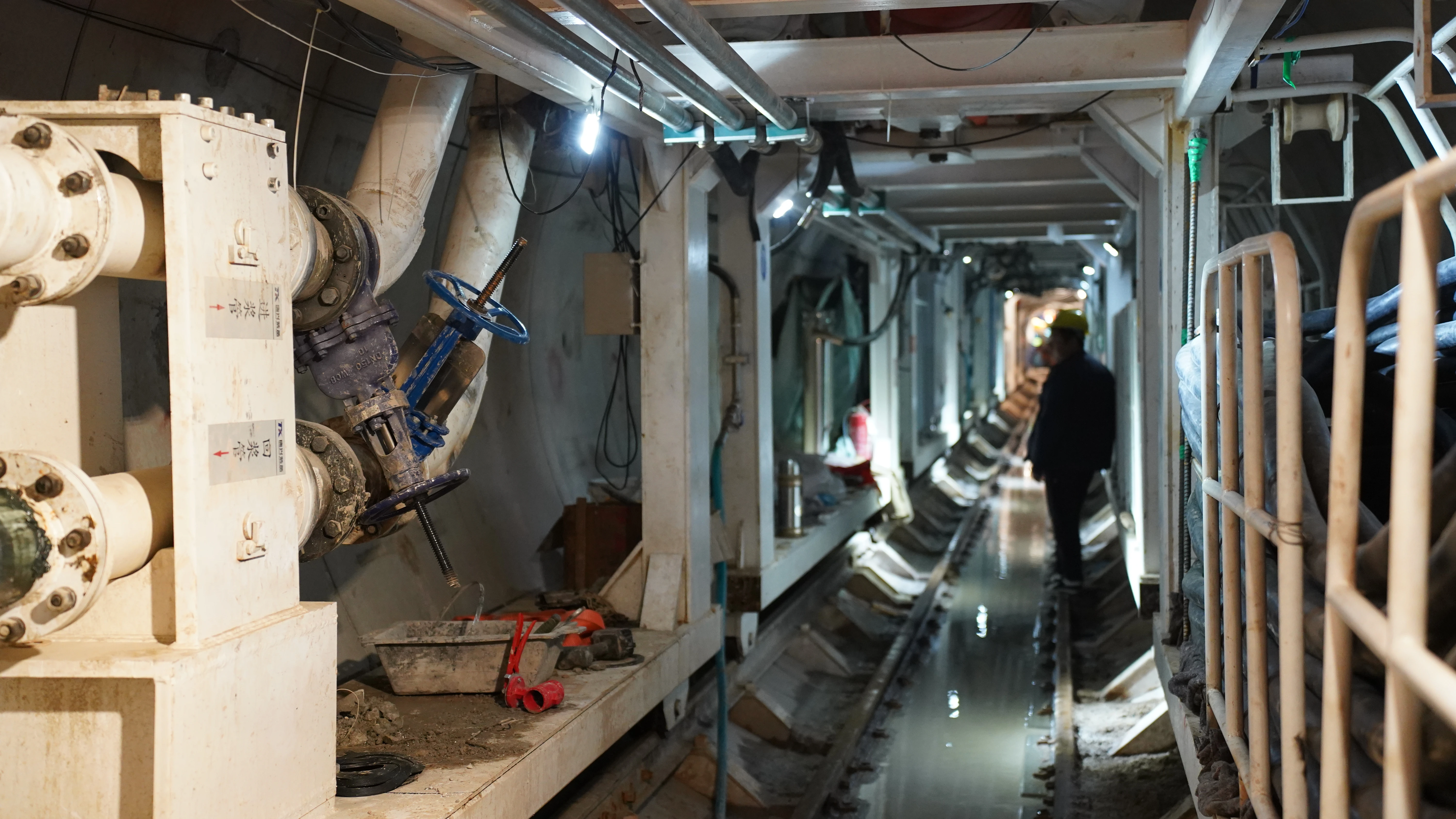
You need strong face support to keep TBM tunneling safe. Soil conditioning also helps make tunneling steady. The support pressure stops the tunnel face from moving or falling. You use soil conditioning agents like foam to make soil easier to work with. These agents help when the soil is too loose or sticky. You can use tests and computer models to see how things move inside the pressure chamber. This helps you find the best way to keep the tunnel face stable. It also makes tunneling faster. Thrust stability gives your TBM a steady push. This keeps the cutter moving well. It also lowers cutter wear and helps you move forward faster. Good pressure control helps you control the cutter and makes tunneling better.
Sealing and pressure retention systems
You need good sealing systems to keep TBM pressure steady. The most common systems are Earth Pressure Balance and Slurry Shields. Here is a table that shows how they work:
|
Sealing Architecture |
Description |
Contribution to Pressure Stability |
|---|---|---|
|
Earth Pressure Balance (EPB) |
Uses conditioned excavated material to maintain face pressure |
Prevents collapse and water ingress by stabilizing the tunnel face |
|
Slurry Shields |
Uses bentonite or polymer suspensions to stabilize the face |
Maintains stability under high groundwater pressures, allowing for effective spoil removal |
These systems help keep the tunnel face safe and dry.
Customization and project-based performance
You can change your TBM for different soil types. For weak rocks, you make muck travel a shorter distance to the cutter. This makes tunneling faster. In very hard rocks, you use fewer openings and set the cutter for more movement. This lowers cutter wear and saves time. In mixed face conditions, you use a pressurized face TBM with enough openings to stop clogging. For rocks that wear down tools fast, you use bigger cutters and change the cutterhead design. This means you spend less time fixing things and work faster. CEGC gives you standard specs and lets you change face support, sealing, and conditioning for your project.
You see how adhesion control helps you keep pressure stable in tbm tunnels. CEGC gives you technical solutions that fit your project. You get safer tbm operations and better quality. You protect the ground and keep water out. You can trust CEGC for your next tbm tunnel project. You choose tbm machines that match your needs. You get tbm systems that work in tough soil. You keep your tbm tunnel safe. You finish your tbm work on time. You get support for every tbm job.
You make your tbm tunnel strong and stable with CEGC.
FAQ
What does tbm adhesion control do for your project?
You use tbm adhesion control to keep pressure steady. This helps you stop ground movement and water from entering your tunnel.
How does tbm pressure control help in city tunnels?
You use tbm pressure control to meet strict city rules. It keeps the tunnel face safe and helps you avoid claims from ground movement.
Can you use tbm machines in different soil types?
You can use tbm machines in many soils. You adjust the tbm settings for soft, hard, or mixed ground to keep your tunnel safe.


