
You can prevent costly delays by using TBM tunnel anti-jam features from CEGC to reduce cutterhead stalls. These advanced features monitor torque in real time, reverse the cutterhead when needed, incorporate anti-vibration designs, condition the ground, add sensors, and utilize chemical additives. Each component enhances safety and speeds up tunneling operations. CEGC guides you in selecting the ideal tunnel machine for your specific ground conditions and project requirements.
|
Type of Mechanism |
Description |
Operational Benefits |
|---|---|---|
|
Some shields retract to reduce the diameter during tunneling |
Handles swelling rock and prevents jamming with TBM tunnel anti-jam features |
|
|
Extendable Invert Shoe |
Adjusts cutting tools and adds overcut housings to increase diameter |
Improves adaptability to various ground types |
|
Double Anti-Reverse Lock |
Multiple bracing systems secure the TBM in the tunnel |
Enhances safety and prevents slipping during power interruptions |
Key Takeaways
-
Use TBM tunnel anti-jam features to stop expensive delays. These features watch torque and can turn the cutterhead backwards. This keeps tunneling work running smoothly.
-
Pick the right tunnel machine for the ground type. CEGC gives advice to match machines to project needs. This makes work safer and faster.
-
Use real-time monitoring and sensors together. This technology finds possible jams early. It lets workers act fast to keep projects on time.
Causes of Cutterhead Stalls
Ground Conditions
There are many problems when making tunnels underground. Some ground types make cutterhead stalls happen more often. These include:
-
Squeezing ground closes up fast after you dig it.
-
Loose soil falls on the cutterhead before you move ahead.
-
Water and silts can rush in quickly at weak spots.
-
Some rock cannot hold itself up.
-
It gets very hot deep underground.
-
Some rock is very hard or rough.
These things can stop your tunnel boring machine (TBM). You should know what ground you will dig through before starting. CEGC helps you pick the best tunnel machine and anti-jam features for your job.
Mechanical Factors
Mechanical problems can also make cutterhead stalls happen. You might see too much force if rock falls or moves. Big changes and creep can jam the machine. These problems often show up in weak places, like fault fracture spots or areas with lots of cracks. The cutterhead or shield can get stuck when TBM parts hit these hard spots. You need strong anti-jam features to keep your machine working. CEGC’s experts look at your project and ground data to help you stop these problems.
Tip: Always choose your tunnel machine and anti-jam features for your ground and project. This step helps you avoid expensive delays.
TBM Tunnel Anti-Jam Features Reduce Cutterhead Stalls
Torque Monitoring & Real-Time Prediction
Torque monitoring and real-time prediction help stop jams before they start. These systems check the force and speed of tunneling machines as they dig. By watching torque and thrust, you can see how cutter tools work with the ground. This lets you know if your tunnel boring machine is working right or if it might get stuck.
-
You can guess how tunneling machines will do by looking at torque and thrust numbers.
-
You can fix cutter tools fast if you notice a problem.
-
You can stop jams and keep tunneling machines moving.
New technology uses machine learning to guess when cutter tools might jam. These smart systems use sensor data and warn you early. You can change tunneling machines to stop problems. This keeps your project safe and on time.
|
Advancement Type |
Description |
Impact |
|---|---|---|
|
Machine Learning Models |
Guess torque and jack speeds for tunneling machines |
Make tunneling safer and faster |
|
Real-time Monitoring |
Watch torque and jack speeds while digging |
Stop jams and help you fix things quickly |
|
Predictive Maintenance |
Use AI to find equipment problems before they happen |
Lowers downtime by 20% in test projects |
You can trust CEGC to help you pick the best torque monitoring system for your tunnel machine. This is an important way tbm tunnel anti-jam features stop cutterhead stalls.
Cutterhead Reversal & Anti-Vibration Design
Cutterhead reversal lets tunneling machines escape jams. If cutter tools get stuck, you can reverse the cutterhead. This loosens the ground and frees the cutter tools. You do not have to stop for long. Tunneling machines can keep going forward.
Anti-vibration design helps cutter tools work better. When tunneling machines shake less, cutter tools last longer and cut smoother. Engineers found that keeping cutterhead speed between 5.88 and 6.2 rpm lowers vibration. This makes tunneling machines safer and steadier.
|
Evidence Description |
Key Findings |
|---|---|
|
Adaptive Position Control |
Makes tunneling machines more stable in tough ground |
|
Nonlinear Adaptive Controller |
Handles changing loads and keeps cutter tools working |
|
Simulation Results |
Shows better results than old control ways |
You can see how tbm tunnel anti-jam features stop cutterhead stalls with these smart designs. CEGC has tunneling machines with strong anti-jamming for all ground types.
Ground Conditioning & Chemical Additives
Ground conditioning and chemical additives help cutter tools move through hard soils. These methods change the ground so tunneling machines can dig without getting stuck. You can add foam, polymers, or bentonite to the soil. These things make the ground softer and easier for cutter tools to cut.
-
On the MetroSur project, workers used foams and anti-clay polymers. They set a record by digging 936 meters in 31 days.
-
On the M30 motorway project, soil conditioning kept cutterhead torque at just 30% of the machine’s power.
-
In the New Kaiser Wilhelm rail tunnel, foam and polymer bentonite turned hard rock chips into soft paste. This helped cutter tools move from hard rock to soft ground.
You can see how tbm tunnel anti-jam features stop cutterhead stalls by using the right ground conditioning. CEGC helps you pick the best chemical additives for your tunneling machines and ground.
Sensor Integration
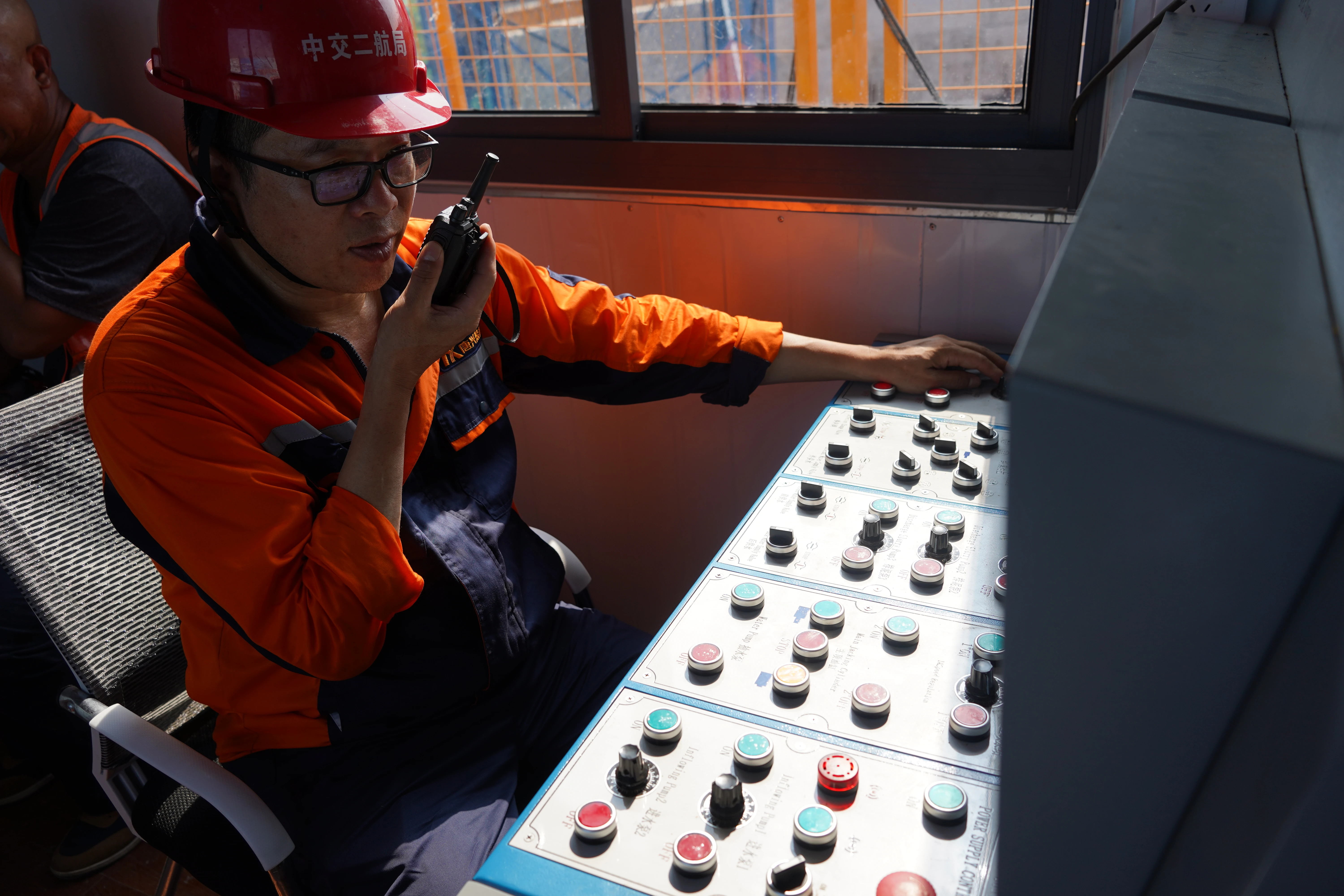
Sensor integration gives tunneling machines eyes and ears underground. You can use sensors to watch torque, thrust, and vibration of cutter tools. These sensors send real-time data to your control room. You can spot problems before they stop tunneling machines.
|
Sensor Type |
Application |
|---|---|
|
Thrust Sensor |
Measures the force tunneling machines use to push forward |
|
Torque Sensor |
Checks the power cutter tools use to cut the ground |
|
Vibration Sensor |
Sees how much tunneling machines shake as they dig |
TBM vibration shows how cutter tools work with the rock. This helps you know if tunneling machines are working well or if you need to change something.
Integrated sensor systems use advanced positioning and zero-velocity correction. These tools help you find the exact spot where cutter tools might jam. You can act fast and keep tunneling machines running. A new system uses a Bayesian model to find jamming risks with 95% accuracy. This means you can trust tunneling machines to finish the job.
You can see how tbm tunnel anti-jam features stop cutterhead stalls by using smart sensors and positioning tools. CEGC has tunneling machines with the newest sensor integration for every project.
Reducing Cutterhead Stalls
Prevention Scenarios
You can stop cutterhead stalls with anti-jam features. Picture digging through clay with cutter tools. Sensors notice when torque gets higher. You get a warning right away. You reverse the cutterhead to help. The cutter tools loosen the clay soil. You add foam or polymers to the ground. The cutter tools start moving again. You do not have a stall. Tunneling machines keep working without stopping.
Tip: Watch cutter tools with real-time sensors. You can find problems before tunneling machines stop.
Rapid Response
If cutter tools get stuck, you must act quickly. Zero-velocity correction helps you find the jam spot. You reverse the cutterhead to free the tools. The cutter tools break loose from the jam. You change the ground with special additives. The cutter tools cut through hard places. Tunneling machines keep moving forward.
|
Action Step |
Result |
|---|---|
|
Sensor alert |
Early warning |
|
Zero-velocity correction |
Accurate jam location |
|
Cutterhead reversal |
Cutter tools freed |
|
Ground conditioning |
Cutter tools cut easier |
Efficiency & Cost Benefits
You make digging faster by stopping stalls. Cutter tools last longer and do not break as much. You spend less money fixing them. Projects finish sooner. You save money on the whole job. If you use zero-velocity correction three times, you see fewer stalls. Tunneling machines keep running more often. You finish tunnels when you plan to.
Note: Anti-jam features protect cutter tools and help your project succeed.
You improve tunnel safety and speed when you use TBM anti-jam features. You need to match your tunnel machine to the ground. CEGC helps you choose the right method.
-
The right TBM fits your ground and water conditions.
-
Real-time data shows jamming risks and helps you act fast.
FAQ
What makes a tunnel boring machine better than other digging machines?
You get more safety and speed with a tunnel boring machine. It works well in many ground types. You finish projects faster and with less risk.
How do you choose the right tunnel boring machine for your project?
You look at ground conditions and project needs. A tunnel boring machine fits many jobs. CEGC helps you match the best tunnel boring machine to your site.
Can a tunnel boring machine handle hard rock and soft soil?
Yes. You use a tunnel boring machine with anti-jam features. It moves through hard rock and soft soil. You keep working without long stops.


