
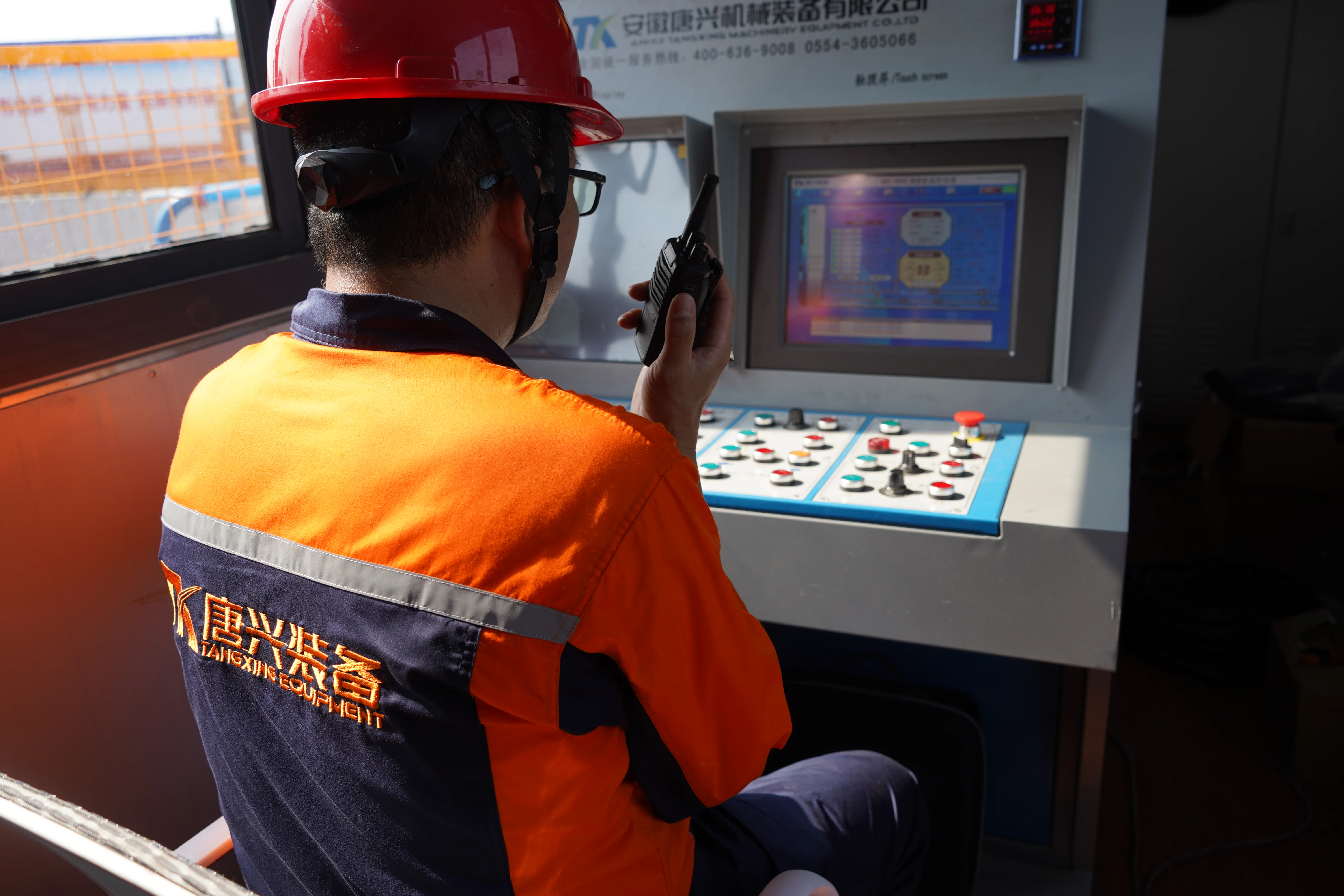
You have a hard time when sticky silt stops tunnel machines. Micro tunneling anti-jam control helps in sticky silt. It keeps your project going. CEGC gives expert help and tools for horizontal boring. You can pick the best way—HDD, auger boring, or micro tunneling—for your ground type.
Key Takeaways
-
Micro tunneling anti-jam control has sensors that work in real time. These sensors find jams fast and help fix them quickly. This keeps your project moving on time. Automatic system changes help the tunnel move smoothly in sticky silt. This means there is less time when work stops and fewer repair costs. Picking the best tunneling method with help from CEGC experts makes work safer. It also helps the project run better.
Sticky Silt Challenges in Micro Tunneling
Clogging and Downtime Risks
Sticky silt creates serious problems for tunnel boring machines. You often see sticky silt cling to the cutterhead and form a thick mud cake. This mud cake slows down the tunnelling process and can even stop your machine. When sticky silt builds up, you need to stop work to clean the cutterhead. This leads to more downtime and higher costs.
Here is a table showing the most common operational challenges you face in sticky silt:
|
Challenge |
Description |
|---|---|
|
Cutter Wear |
Sticky silt causes fast wear on cutterhead parts. |
|
Clogging |
Sticky clay can jam disc cutters and cause uneven wear. |
|
Maintenance Issues |
You spend more time and effort fixing cutter wear and clearing clogs. |
|
Cutter Clogging |
Mudstone can turn into a sticky slurry that sticks to cutter surfaces. |
|
Mud Cake Formation |
Mud cake lowers excavation speed and makes tunnelling harder. |
Impact on Tunnel Machine Operations
Sticky silt affects your tunnel machine in many ways. You may notice the support fluid gets thicker, which makes mud cake form faster. Mud cake can block the cutterhead and reduce how deep the cutters go. This means you need more thrust and torque to keep moving. In some cases, the cutterhead can get so hot that it becomes a safety risk.
-
Sticky silt can slow down your microtunnelling project.
-
You may need to stop often for cleaning and repairs.
-
High moisture in silty soil can make boreholes unstable and cause collapses.
-
Sticky soil can make it hard for equipment to move and finish the job on time.
Choosing the right method for your ground conditions helps you avoid these geotechnical challenges. Microtunnelling works well in sticky silt because it gives you better control and face support. If you use HDD or auger boring in these soils, you may face more stoppages and risks.
Micro Tunneling Anti-Jam Control Helps in Sticky Silt
Real-Time Jam Detection
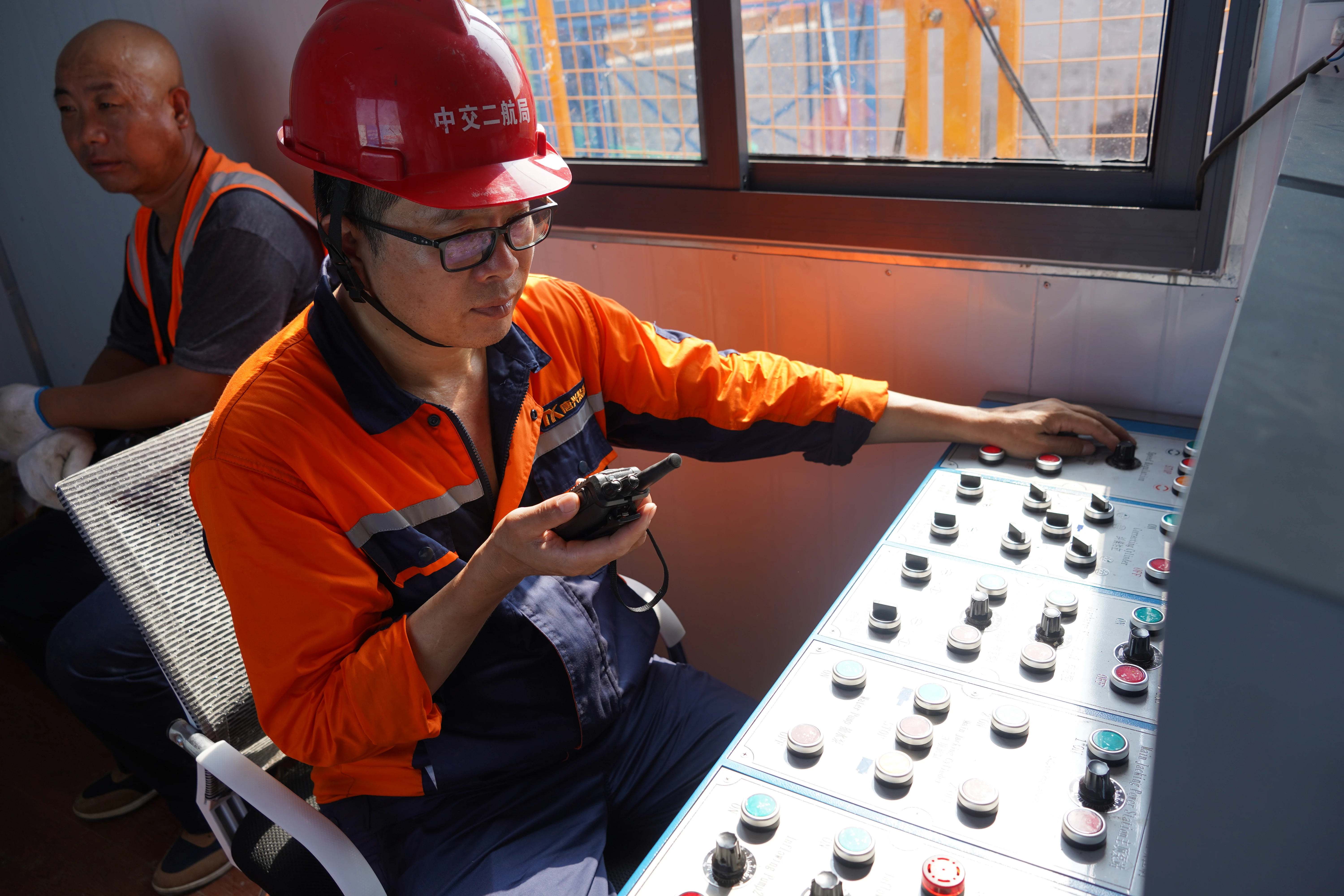
Sticky silt is common in many tunnel jobs. Micro tunneling anti-jam control uses sensors in real time. These sensors check the cutterhead and soil flow. You get alerts if there is a jam or blockage. The sensors watch torque, thrust, and speed. You get feedback right away. You can fix jams quickly. This keeps your machines working and stops delays.
Tip: Real-time jam detection helps you find problems early. You save time and avoid big delays.
Automatic System Adjustments
Micro tunneling anti-jam control makes changes by itself. The system changes machine settings while you keep working. Here are some ways it helps:
-
Steering systems turn to keep tunneling straight and smooth.
-
Lubrication plants add fluids to stop sticking and jams.
-
Monitoring systems speed up jacking and check pipes for damage.
These changes help stop clogs. You do not need to stop tunneling for fixes. The machine handles sticky silt and keeps going.
|
Adjustment Type |
How It Helps You in Sticky Silt |
|---|---|
|
Steering System |
Keeps tunnel path straight and lowers drag |
|
Lubrication Plant |
Adds fluids so cutterhead does not stick |
|
Monitoring System |
Speeds up jacking and checks pipe health |
Benefits for Project Efficiency
Micro tunneling anti-jam control helps your project go faster in sticky silt. You have less downtime and more steady tunneling. You spend less time cleaning and fixing things. Your team works safer and quicker.
Here are some clear benefits:
-
You tunnel without stopping all the time.
-
You finish tunnels on time.
-
You spend less money on repairs.
-
You lower the risk of pipe damage and soil collapse.
Let’s look at an example. You start a micro tunneling job in sticky silt. The anti-jam system finds a blockage. It changes steering and adds lubrication. The cutterhead keeps moving. You do not have to stop. Your project stays on schedule.
Note: Micro tunneling anti-jam control gives you more control and less worry in sticky silt. You get good results and better projects.
When you plan a tunnel job, you should use anti-jam systems. You need to pick the right system for your soil and project. CEGC helps you choose the best method and tools. You get expert help for micro tunneling anti-jam control in sticky silt. CEGC checks your ground data and gives you the best advice for your tunnels.
-
Anti-jam control systems help you keep tunnels clear in sticky silt.
-
You choose the best method with CEGC’s advice.
-
Your project runs faster and safer.
You see better results and fewer delays when you use the right equipment and support.
FAQ
What is pipejacking and how does it help in sticky silt?
Pipejacking pushes pipes through the ground. This method works well in sticky silt. It helps tunneling go smoothly. Pipejacking lowers the chance of machine jams.
How does pipejacking compare to other tunnelling methods?
Pipejacking gives you better control in sticky silt. You do not have to stop as much. It helps keep your project on track.
Can you use pipejacking for long tunnelling projects?
Pipejacking works for both short and long tunnels. It helps you keep moving forward. You finish tunneling faster and with fewer problems.
Tip: Using pipejacking and tunneling together helps with sticky silt. You get safer projects and better results.


