
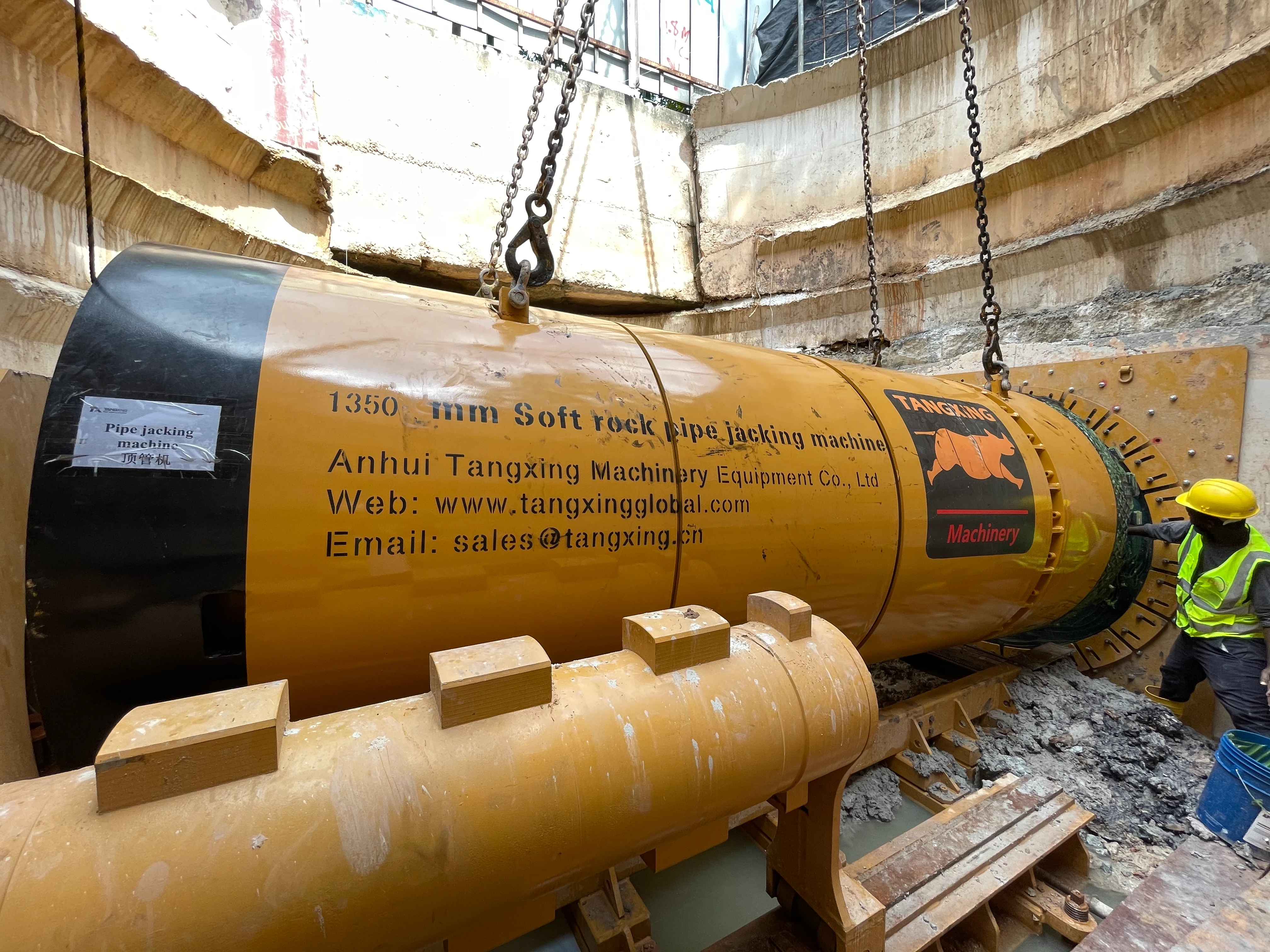
You notice that TBM tunnel claims improve when clogs are rare. This is because there are fewer problems, less money spent, and it is easier to determine responsibility. CEGC provides a tunnel boring machine that performs on par with others in the market and can be customized for your specific project needs. Your biggest challenges include:
-
TBM performance
-
Operator training
-
Monitoring systems
Key Takeaways
-
When there are fewer TBM tunnel clogs, projects work better. This means there is less waiting and projects finish faster. - Using soil conditioning methods, like super water-absorbent polymers, can stop clogs. This helps your tunnel boring machine work well. - Watching pressure logs during tunneling gives proof for claims. This makes arguments less likely and shows who is responsible if problems happen.
Fewer Disruptions from TBM Tunnel Clogs
Improved Project Efficiency and Schedule
You have fewer delays when tbm tunnel clogs do not happen often. Clogs can make pressure rise fast in the excavation chamber. This can cause slurry to leak and put people on the road above at risk. It is hard to clear clogs, especially if sticky clay blocks the suction entry gate. If you avoid these problems, your tunnel boring machine works better and your project stays on track.
You can stop tbm tunnel clogs by using soil conditioning methods. Super water-absorbent polymers turn soil into a paste and help it stick together. They also make it harder for water to pass through and help keep pressure steady in the TBM chamber. This lowers the chance of clogs and keeps the cutter head moving. Foaming agents and anti-clay polymers also help. These tools let you handle many soil types and cut down on lost time.
|
Solution Name |
Description |
|---|---|
|
Sika® Stabilizer-1215/1219 |
Foaming agents for granular soils |
|
Sika® Stabilizer-1514/1518 |
Anti-clay polymers for clays |
|
Sika® Stabilizer-3710/3750 |
Water absorber polymers for water control |
Clearer Claims with Pressure Log Evidence
You can make claims clearer by tracking pressure logs while tunneling. Pressure logs show thrust pressure, chamber earth pressure, and how much bentonite you use. These logs tell you how your tunnel boring machine worked at each step. When tbm tunnel clogs are rare, there are fewer arguments. You can use pressure logs to show that clogs did not slow down or harm your project. This makes it easier to solve claims and keeps your project safe.
Tip: Write down pressure log details for every shift. This gives you proof if you need to make a claim.
Cost, Risk, and Claims: Why TBM Tunnel Claims Improve When Clogs Are Rare
Lower Unexpected Costs and Ground Settlement Risks
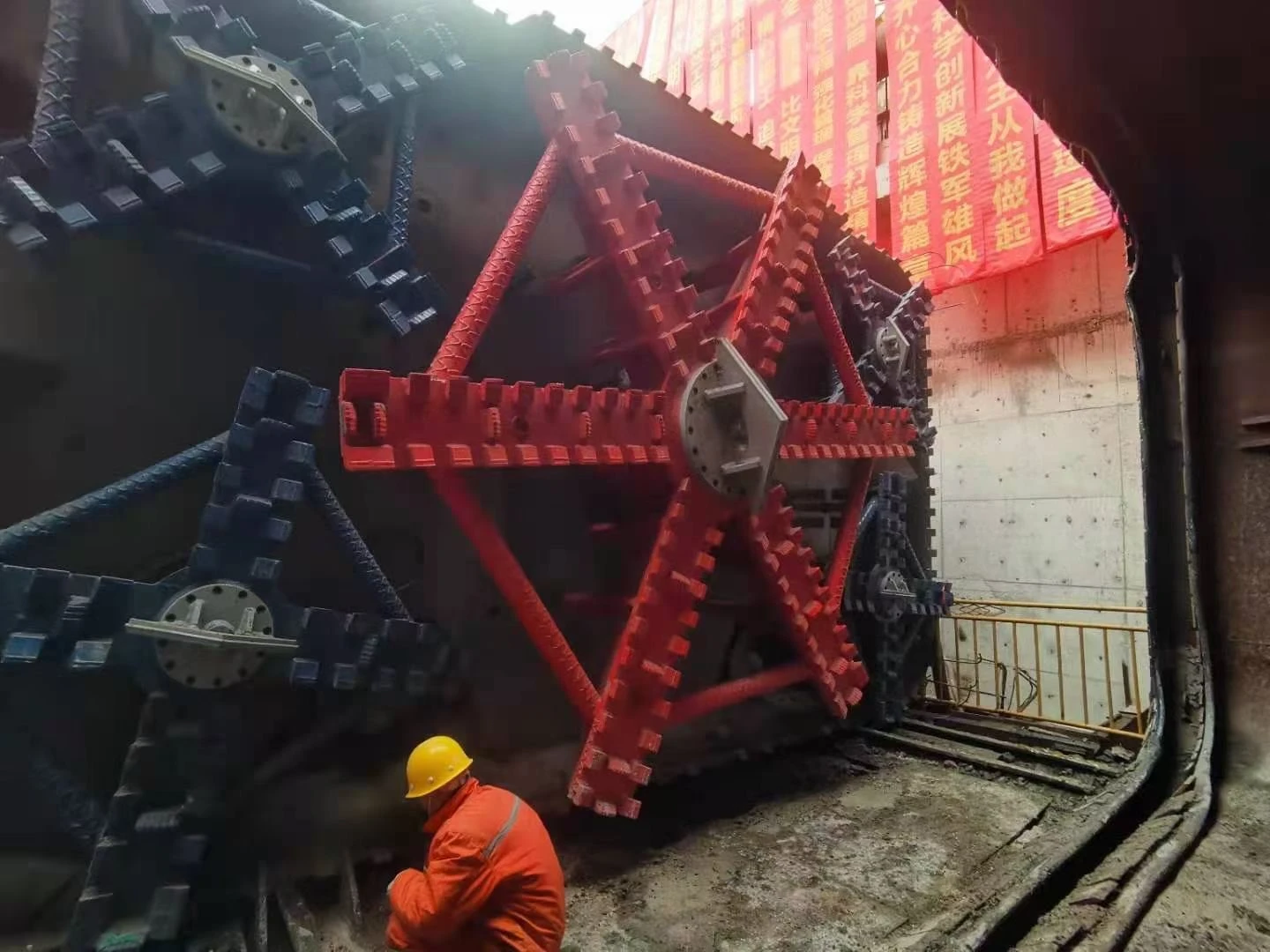
You face many risks when you work with a tunnel boring machine. If you have frequent tbm tunnel clogs, you see more project delays, higher costs, and more safety problems. When you keep clogs rare, you lower these risks and make your work safer and more predictable. You also see that tbm tunnel claims improve when clogs are rare because you avoid many common problems.
You often deal with hard rock, loose soil, or high groundwater. These conditions can cause ground settlement, water ingress, and even sudden blowouts. You need strong pressure control to keep the ground stable and protect the tunnel. CEGC gives you advanced pressure control systems that help you manage these risks. You can keep the face stable, reduce water leaks, and avoid ground movement. This means you have fewer project delays and less chance of damage to buildings above.
You also save money when you avoid clogs. You do not need to stop work to fix the tunnel boring machine. You do not pay for extra repairs or emergency ground support. You finish your project faster and with fewer surprises. Here are some main risk factors you can control with CEGC solutions:
-
Hard rock and loose soil can block the machine, but you can manage these with the right cutterhead and soil conditioning.
-
High water and steep tunnel alignment can cause clogs, but you can use pressure control and ground protection to keep the tunnel safe.
-
Good planning and teamwork help you spot risks early and share them with your partners.
You also get long-term benefits when you keep tbm tunnel clogs rare. The table below shows how you gain from fewer clogs:
|
Benefit |
Explanation |
|---|---|
|
You keep the machine running smoothly and avoid downtime. |
|
|
Reduced Project Timelines |
You finish the tunnel faster because you do not stop for repairs. |
|
Improved Safety |
You protect workers by keeping the ground stable and safe. |
|
Cost Savings |
You spend less on repairs and maintenance. |
|
Environmental Benefits |
You make less noise and cause less disruption in cities. |
|
Precision Control |
You keep the tunnel on line and avoid wasting materials. |
Stronger Documentation and Reduced Disputes
You need clear records to prove your work and solve claims. When you keep good pressure control and track your pressure logs, you make tbm tunnel claims improve when clogs are rare. You can show exactly what happened during tunneling. This helps you avoid arguments and makes it easier to find who is responsible if something goes wrong.
You often see two main types of disputes in tbm tunnel projects. The first type happens when the ground is different from what you expected, like finding wet clay instead of sand. The second type happens when the ground acts in a strange way, such as behaving like wet concrete. You must tell the owner right away if you find these problems. Good documentation helps everyone check the facts and solve the issue quickly.
Pressure logs are your best tool for this. They show the pressure in the tunnel at every step. You can use these logs to prove you followed the right pressure control. If there is ground settlement or damage, you can show you did your job correctly. Courts and tribunals use these logs to decide who is responsible.
You also get fewer disputes when you use CEGC’s modular design and wear management systems. You can plan maintenance, replace parts on time, and keep the tunnel boring machine running. You do not have to stop for unexpected repairs. This means you have fewer project delays and less chance of claims.
Here are some ways you can make your claims stronger and reduce disputes:
-
Keep detailed pressure logs for every shift.
-
Use CEGC’s wear management to avoid sudden breakdowns.
-
Plan your maintenance with CEGC’s modular design for quick repairs.
-
Work closely with your partners to share risks and solve problems early.
You can see that tbm tunnel claims improve when clogs are rare. You get lower costs, better safety, and fewer arguments. You also finish your project on time and keep your reputation strong.
You have less trouble, spend less money, and make claims easier when TBM tunnel clogs do not happen much. Good tunnel boring machine solutions, such as the ones from CEGC, help you handle risks and finish your work well. Big projects show that careful planning and good TBMs give better results and fewer arguments.
FAQ
What causes TBM tunnel clogs?
Clogs happen when sticky clay or loose soil blocks the tunnel boring machine. Water can also cause clogs. Using soil conditioning and pressure control can help stop these problems.
How do pressure logs help with tunnel claims?
Pressure logs show how you used the tunnel boring machine. You can use them as proof for your claim. This helps lower arguments and makes things clearer.
Why choose CEGC for your tunnel boring machine?
|
Feature |
Benefit |
|---|---|
|
Customization |
Matches your project needs |
|
Reliability |
Lowers machine downtime |
|
Support |
Makes maintenance easier |


