
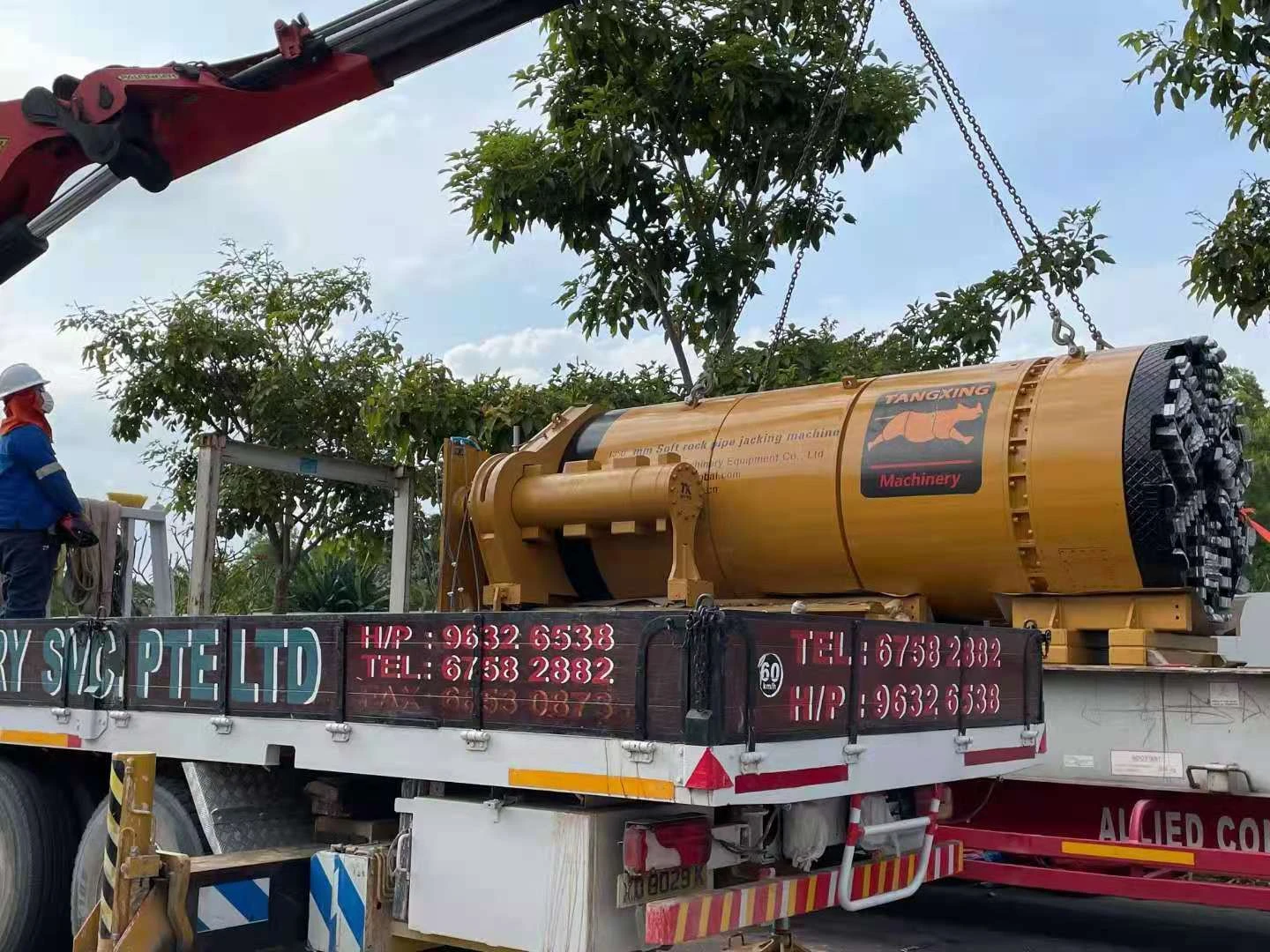
To ensure optimal tunnel operations, it’s essential to monitor TBM tunnel clogging indicators you can track daily. Key parameters include cutterhead torque, muck flow, slurry pressure, advance rate, and sensor alarms. By keeping a close eye on TBM tunnel clogging indicators you can track daily, you enhance safety, control costs, and boost overall performance. CEGC provides advanced solutions for tunnel boring machines and microtunnelling machines, with the flexibility to customize systems for your specific project needs.
With CEGC’s real-time monitoring systems, you can continuously track TBM tunnel clogging indicators you can track daily, helping to prevent settlement, face instability, cutterhead wear, alignment errors, and costly downtime. Reliable system solutions from CEGC ensure your tunnel operations run smoothly and efficiently.
Impact Factor
Description
Safety
Monitoring TBM tunnel clogging indicators you can track daily helps identify potential safety risks early in tunnel operations.
Cost Control
Early detection of issues through daily tracking prevents unexpected expenses and supports effective budget management.
Performance
Continuous data collection on TBM tunnel clogging indicators you can track daily enhances machine efficiency and project speed.
Key Takeaways
-
Watching TBM tunnel clogging signs every day, like cutterhead torque and muck flow, helps stop expensive delays and makes the tunnel safer.
-
Using live data and machines that work by themselves lets you find problems fast, keeps the tunnel working well, and lowers dangers.
-
Writing down and checking data often with your team helps everyone talk better and fix problems before they get big, so your tunnel project stays on schedule.
Key TBM Tunnel Clogging Indicators
Cutterhead Torque Monitoring
You should check cutterhead torque every day. This helps stop cutterhead clogging and keeps the tunnel stable. Cutterhead torque tells you how hard the tunnel boring machine works. High torque means clogging might happen, especially if clay minerals are over 10%. If torque goes above 2800 kN·m, look for cutterhead clogging and hot spots. These problems can slow tunnel progress and lower performance.
CEGC’s wear management system lets you watch torque and cutterhead temperature live. It warns you early about clogging and cutterhead wear. You can use the online monitoring system to get data and change operations fast. Watching torque and temperature helps keep the tunnel stable and makes performance easier to predict.
Tip: Make daily logs for torque and cutterhead temperature. Check these logs with your team to find patterns and act before clogging slows the tunnel.
Muck Flow Rate Tracking
Muck flow rate shows how well the tunnel boring machine removes dirt. If muck flow drops, cutterhead clogging or bad ground may happen. Steady muck flow keeps the tunnel stable and helps predict daily progress. You should use sensors and the online monitoring system to watch muck flow. This helps you spot clogging and keep tunnel performance strong.
CEGC’s soil conditioning and muck transport solutions help muck move easily. These solutions lower clogging risk and keep the tunnel stable. You can check muck flow and cutterhead temperature in real-time. If you see changes, adjust the system to stop downtime and keep tunnel boring machine performance steady.
-
Check muck flow rate every shift.
-
Compare flow with cutterhead torque and temperature.
-
Use the online monitoring system for clogging alerts.
Slurry and Face Pressure
Slurry and face pressure are important for tunnel stability and cutterhead performance. Keep pressure between 120 and 280 kPa to stop ground loss and cutterhead clogging. Sudden pressure spikes can cause fast clogging and hurt tunnel stability. Regular checks help you predict daily progress and performance.
Field data shows pressure spikes in the excavation chamber happen before operators can react. These spikes raise clogging risk and can cause slurry loss at the surface. Use real-time monitoring and the online monitoring system to watch pressure changes. CEGC’s face pressure control system keeps pressure steady and stops clogging.
|
Parameter |
Value Range |
|---|---|
|
Advance Speed |
5 to 8 mm/min |
|
Penetration per Revolution |
< 8 mm/r |
|
14000 to 20000 kN |
|
|
Cutterhead Torque |
2000 to 2800 kN·m |
-
Keep pressure steady.
-
Use sensors for real-time checks.
-
Train operators to answer pressure alarms.
Advance Rate and Settlement
Advance rate and settlement show how fast the tunnel boring machine moves and how the ground reacts. Low advance rates can mean cutterhead clogging or bad ground. High settlement means tunnel stability or face stability is lost. You should check advance rate and settlement every day to keep tunnel performance and predictability high.
CEGC’s guidance and alignment solutions help you watch advance rate and settlement. The online monitoring system collects data on tunnel movement and cutterhead temperature. You can use this data to change operations and stop clogging.
|
Monitoring Section |
Settlement Initiation (m) |
Stabilization (m) |
|
|---|---|---|---|
|
I-I |
17 |
10 |
30 |
|
II-II |
40 |
10 |
40 |
|
III-III |
58 |
10 |
58 |
|
IV-IV |
65 |
10 |
65 |
|
V-V |
70 |
10 |
70 |
|
VI-VI |
60 |
10 |
80 |
-
Log advance and settlement data every day.
-
Watch for sudden drops in advance rate or jumps in settlement.
-
Use real-time monitoring for quick alerts.
Sensor Alarms and Real-Time Data
Sensor alarms and real-time data give you fast updates on tunnel boring machine performance. You can connect the online monitoring system to your phone for quick tunnel data. This system tracks cutterhead temperature, torque, muck flow, and pressure. It sends alarms if it finds clogging or cutterhead clogging.
CEGC’s real-time monitoring system puts all tunnel data in one dashboard. You can see performance prediction, tunnel stability, and daily progress in one place. The system helps you make quick choices and keep tunnel operations safe.
|
Feature |
Description |
|---|---|
|
Real-Time Jacking Insights |
See jacking forces and daily results for fast project updates. |
|
Quick Reporting Access |
Share tunneling progress with others using a mobile app. |
|
Monitoring And Alarming |
Combine ground and TBM data for full control and alarm management. |
|
Shift Reporting |
Log shift activities on your phone to improve work and find problems. |
-
Use the online monitoring system for all tunnel data.
-
Set alarms for cutterhead temperature, torque, and pressure.
-
Check real-time data with your team every day.
Note: The unified analytics center from CEGC links all your tunnel boring machine data. This platform lets you customize for your project and helps keep tunnel stability, performance, and safety.
Why Daily Monitoring Matters for TBM Tunnel Projects
Early Detection and Risk Reduction
You should check tbm tunnel clogging indicators every day. This keeps your tunnel safe and working well. When you watch cutterhead temperature, torque, and muck flow, you can find clogging early. This stops the tunnel machine from getting stuck. Real-time monitoring shows changes in ground and cutterhead temperature fast. You can change your system quickly and avoid stopping work.
Daily monitoring helps you in many ways:
-
You see ground changes early and change tbm tunnel operations.
-
You fix problems before they get worse and stop downtime.
-
You use real-time shield strain checks to guess tbm performance and cutterhead stability.
-
You check cutterhead torque and temperature to guess tbm performance and rock quality.
You lower risk by using a system that tracks all tunnel data. This helps manage risks and keeps your tunnel boring machine running well. In city projects, you must control settlement and face stability. This avoids claims and third-party risk. CEGC gives you good performance and custom solutions for your tbm tunnel needs.
|
Key Risks in Tunnel Construction & TBM Operations |
Description |
|---|---|
|
Geotechnical Uncertainty |
Soil and rock can change and cause tunnel collapses, ground settlements, or water leaks. |
|
TBM-Related Risks |
Machine failure, cutterhead damage, or misalignment can cost a lot of money. |
|
Third-Party Liabilities |
Underground work can affect buildings, roads, utilities, and water tables. This can lead to claims from others. |
|
Delays & Cost Overruns |
TBM breakdowns, bad ground, or contract problems can make projects take longer and cost more. |
|
Fire & Explosion Risks |
Tunnels have little air, so stopping fires and helping in emergencies is very important. |
Impact on Productivity and Cost
You get more work done and save money by checking tbm tunnel clogging indicators every day. Real-time data helps you find problems early and keep your tunnel boring machine on schedule. Wireless monitoring and automation give you updates on cutterhead temperature, torque, and muck flow all the time. High sampling rates help you find problems fast and fix them before they slow tunnel work.
|
Monitoring Technique |
Contribution to Cost Savings |
|---|---|
|
Finds defects early and lowers risks and costs. |
|
|
Wireless monitoring technologies |
Checks tunnel all the time and makes projects work better. |
|
Automation in monitoring |
Makes better predictions and helps you make smart choices. |
|
High sampling rates |
Finds defects quickly and lets you fix them fast. |
|
Integration of data intelligence |
Helps you understand soil and structure, so you manage risks better. |
You keep your tbm tunnel project going by using a system that combines all tunnel data. This helps you get good performance, less downtime, and keeps cutterhead temperature and torque steady. CEGC’s solutions help you watch, study, and act on real-time data for every tunnel project.
Tip: Check your tunnel data and cutterhead temperature logs with your team every day. This helps you find clogging and keep the tunnel stable.
Real-Time Monitoring and Data Solutions
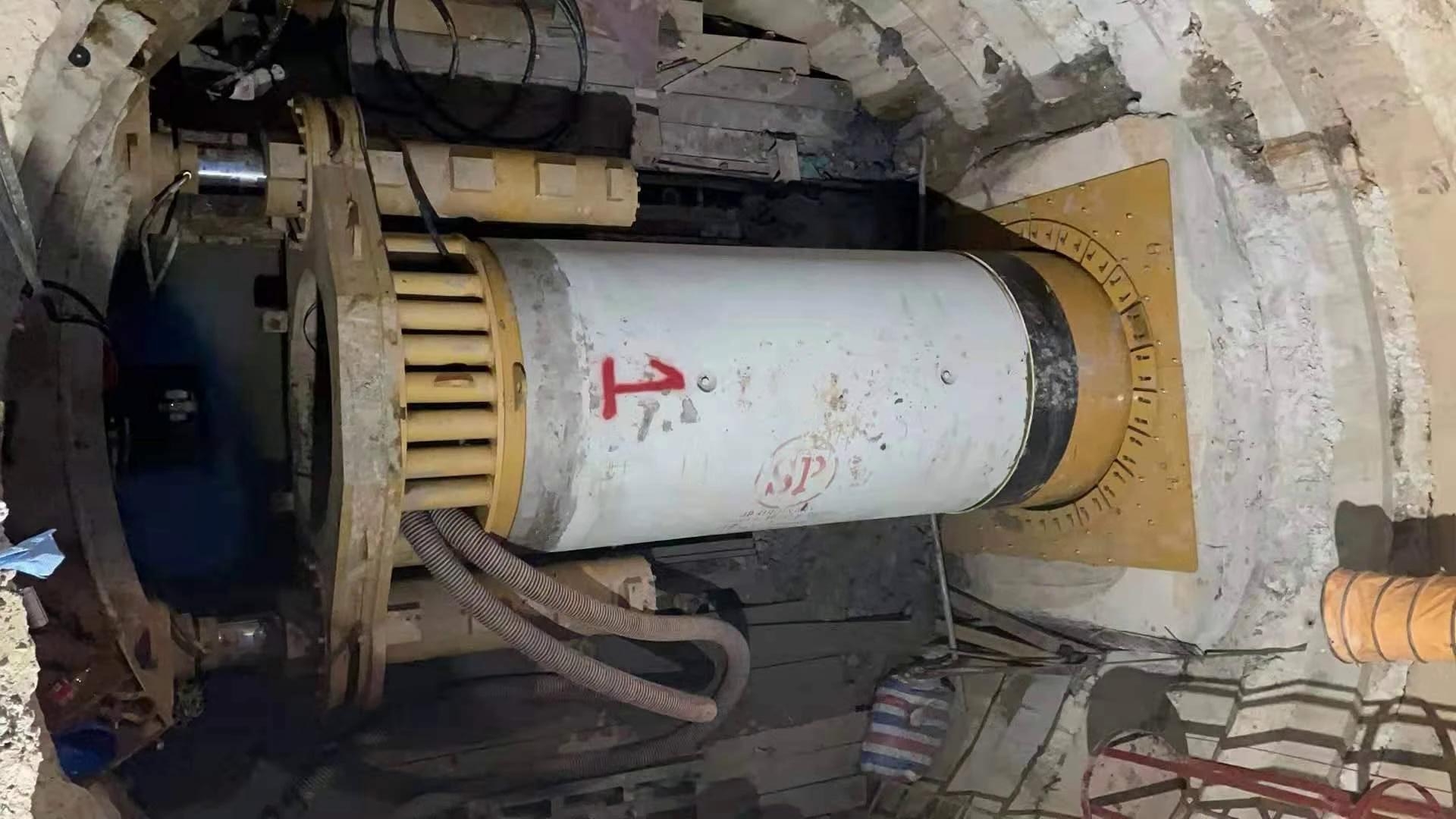
Automated Systems and Big Data
Automated systems and big data help you watch tunnels better. These tools let you see important things like cutterhead torque, temperature, and muck flow all the time. You can check tunnel data on dashboards that are easy to use. This makes it simple to track grout use and tbm performance every day. Project managers can see tunnel progress live and change resources fast. Automated reports help teams talk and keep costs under control. You make better choices and react quickly to clogging or cutterhead temperature changes.
Automated systems use smart technology to track tunnel clogging indicators. The table below shows how these systems help:
|
Mechanism/Technology |
Description |
|---|---|
|
Geostatistical Models |
Guess ground conditions and help you know tunnel stability and clogging risks. |
|
Machine Learning Models |
Use tbm operation data to update ground conditions and predict cutterhead temperature trends. |
|
Advanced Sensing |
Measure things like shear strength and compressibility for better tunnel performance. |
Practical Setup for TBM Tunnel Monitoring
You can build a strong tunnel monitoring system by following some steps. Start by collecting data from tbm sensors. These sensors track cutterhead torque, temperature, muck flow, and pressure. Next, bring together all data sources, including CAD drawings and geotechnical data. Use process-control software to see real-time data and watch tunnel stability.
CEGC gives support packages that make real-time monitoring simple. You get predictive maintenance, real-time monitoring, and modular solutions. These features help you find ground movement and cutterhead temperature changes early. You can change tbm settings fast to stop clogging and keep tunnel performance high.
Tip: Check your tunnel data and cutterhead temperature logs with your team every day. This habit helps you spot clogging and keep the tunnel stable.
Daily TBM Tunnel Clogging Checklist
Indicator Summary Table
You need a simple checklist to keep your tunnel boring machine working well. Use this table to track the most important tbm tunnel clogging indicators. Check each item every day to keep your tunnel safe and working fast.
|
Indicator |
What to Monitor |
How to Monitor (Method) |
Why It Matters for Performance |
|---|---|---|---|
|
Cutterhead Torque |
Sudden jumps |
Real-time system, daily logs |
Finds clogging and keeps tunnel stable |
|
Cutterhead Temperature |
Strange increases |
Sensors, data dashboard |
Stops cutterhead damage |
|
Muck Flow Rate |
Drops or stops |
Sensors, visual checks |
Shows clogging and keeps tunnel moving |
|
Slurry/Face Pressure |
Spikes or drops |
Pressure sensors, alarms |
Protects tunnel and cutterhead |
|
Advance Rate |
Slow progress |
Data logs, system dashboard |
Shows clogging and ground issues |
|
Settlement |
Sudden changes |
Survey data, monitoring system |
Keeps tunnel alignment and safety |
|
Sensor Alarms |
Any alerts |
Real-time monitoring system |
Gives early warning for clogging |
Routine Monitoring Tips
You can make tunnel performance better by using these daily tips. Good monitoring helps you find clogging early and keeps your tbm running.
-
Look at the cutterhead for worn or broken parts before you start.
-
Check all monitoring data, like cutterhead torque and temperature, at the start of each shift.
-
Have a short meeting with your team to talk about tunnel progress, risks, and sensor alarms.
-
Keep the monitoring system clean and make sure all sensors work.
-
Ask experts to check ground conditions and plan for clogging risks.
-
Get ready for emergencies by having a plan and expert help ready.
-
Use probe drilling and pre-grouting to fix weak ground before tunneling.
-
Write down all cutterhead temperature and torque data for each shift.
-
Compare muck flow rate with cutterhead temperature to spot early signs of clogging.
-
Make sure the monitoring system sends real-time alerts to your phone or dashboard.
Tip: You can stop most tunnel clogging problems by checking your monitoring data and cutterhead temperature every day. This routine keeps your tunnel boring machine safe and your project moving forward.
You make tunnels safer when you check tbm clogging indicators every day. Watching cutterhead torque and temperature helps you find problems early. You can see cutterhead temperature spikes and ground movement with daily checks. Real-time monitoring and CEGC’s tools help lower cutterhead temperature risks. These tools help you stop clogging and keep your tunnel boring machine working.
-
You check cutterhead torque, temperature, and tunnel movement for early warnings.
-
You use color-coded alarms to act fast when cutterhead temperature changes or torque jumps.
-
You check cutterhead temperature and torque to stop clogging and cutterhead damage.
|
Benefit |
Description |
|---|---|
|
Enhanced Precision |
Real-time monitoring helps you do better tunnel work. |
|
Reduced Construction Time |
Advanced controls let you react quickly to ground changes and keep projects on schedule. |
|
Improved Safety |
Remote operation means fewer workers in tunnels, so there are fewer risks and mistakes. |
|
Minimized Community Disruption |
Continuous checks stop ground sinking and let you build without hurting the surface. |
|
Long-term Value |
Reliable work and following rules give lasting benefits for B2B owners and EPC contractors. |
You keep your tunnel, cutterhead, and project safe by checking monitoring data and cutterhead temperature every day.
FAQ
What daily data should you track for tbm tunnel clogging?
You need to watch tbm cutterhead torque, muck flow, face pressure, and advance rate. These indicators show if clogging is happening. Tracking them helps your tunnel project stay on track.
How does real-time tbm monitoring improve tunnel safety?
Tbm sensors send alerts right away. You can react fast when tunnel conditions change. Quick responses lower risks and keep your team safe.
Can you customize tbm monitoring systems for different tunnel projects?
Yes, you can change tbm monitoring systems for any tunnel size or ground type. CEGC lets you customize systems for your project needs.


