
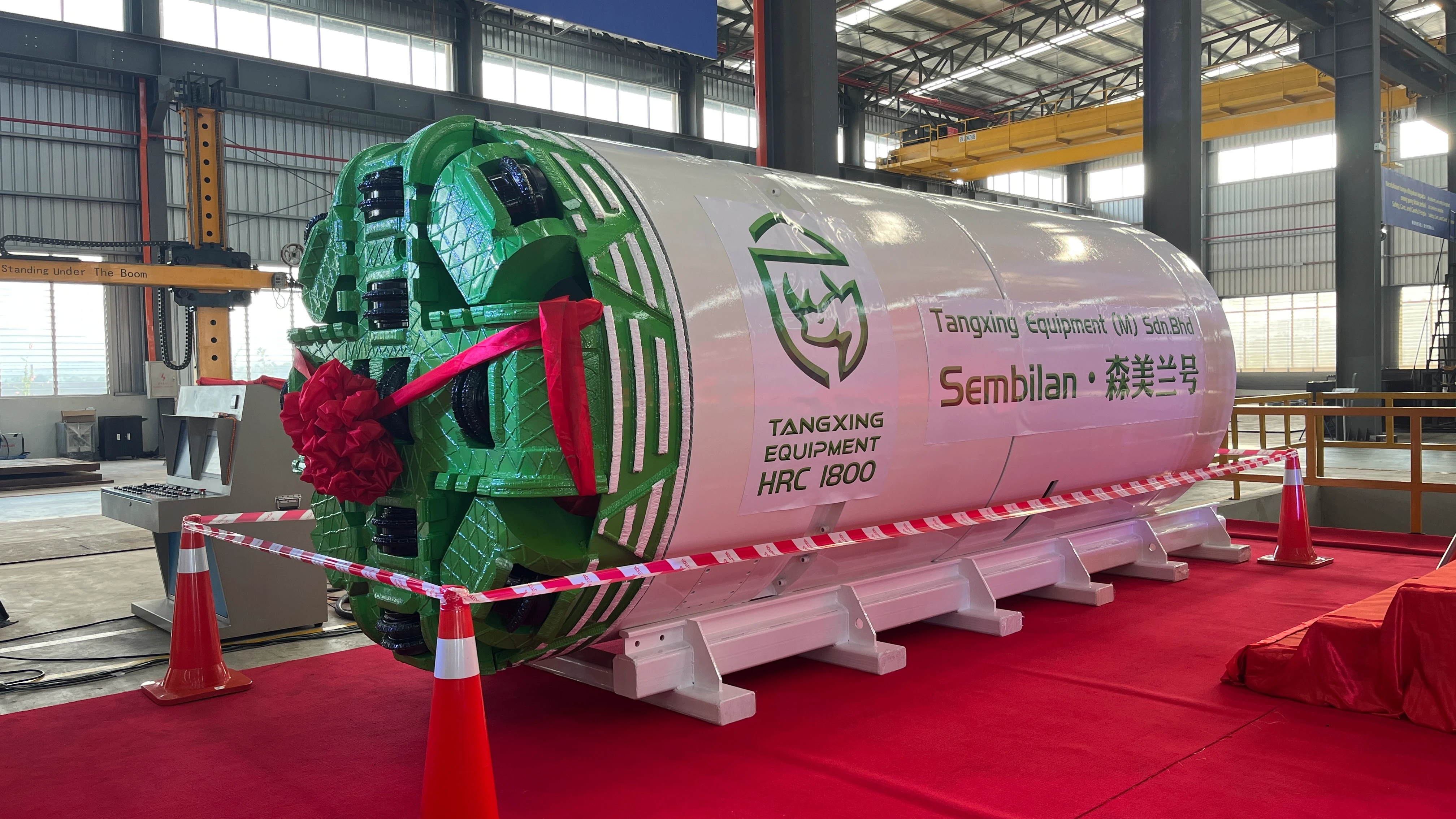
You can see how TBM tunnel cutter swaps can protect segment quality in every tunneling project. When you change cutters at the right time, you prevent segment cracks and reduce repair costs. If you do not swap cutters, you risk damaging tunnel segments. CEGC demonstrates why cutter swaps are essential.
Key Takeaways
-
Change TBM cutters often to stop segment damage and lower repair costs. Check cutter wear with sensors and by looking at them to make sure you replace them on time. Make a maintenance plan and write down details to help the project work better.
How TBM tunnel cutter swaps can protect segment quality
Cutter Condition and Segment Quality
Cutter condition matters every time you use a tunnel boring machine. TBM tunnel cutter swaps help keep segment quality high. Worn cutters make rough surfaces and cause too much breakage. If you use cutters for too long, vibration goes up. This can make cracks in tunnel segments. You may also see more problems like spalling and breakage. These issues cost more money and slow down the project.
You can check cutter wear in different ways. Some systems use sound and vibration sensors to watch cutter health. Machine learning can guess when cutters need to be changed. You also look for cracks, leaks, and steel showing in tunnel segments. These checks help you find problems early and keep segments safe.
-
Common signs of segment quality problems:
-
Crack
-
Leakage
-
Breakage
-
Spalling
-
Exfoliation or detachment
-
Efflorescence
-
Exposure of steel
-
Carbonation
-
Faulting step
-
Bolts condition
-
Drainage condition
-
Ground condition
-
Contact section condition
-
Conduit condition
-
You need to watch for these signs during tunneling. TBM tunnel cutter swaps lower vibration and stop damage. This helps tunnel segments last longer and keeps repairs from happening underground.
Preventing Segment Damage in Tunneling
You stop segment damage by following strict maintenance rules. TBM tunnel cutter swaps help keep segment quality good with regular checks and daily looks. You measure how much cutting tools wear down and change them before they get too thin. You write down every replacement and inspection. This helps you plan for future work.
|
Description |
|
|---|---|
|
Scheduled Maintenance |
Follow the manufacturer’s maintenance manual for lubrication intervals and wear inspections. |
|
Daily Inspections |
Perform visual and functional checks before each shift for signs of wear or misalignment. |
|
Wear Monitoring |
Track thickness loss on cutting tools and replace parts when wear exceeds 70% of original size. |
|
Record Keeping |
Maintain logs of all replacements and inspections for predictive maintenance planning. |
|
Pro Tip |
Implement condition-based maintenance using sensors for real-time health assessment. |
New technology makes cutter swaps safer and faster. The McNally Support System keeps workers safe and helps with rock falls. In-tunnel diameter conversion lets you change the TBM for different ground types. These tools help you solve tunneling problems and protect segment quality.
TBM tunnel cutter swaps lower the chance of cracks, spalling, and other damage. You keep segment quality high and make sure your tunneling project stays on schedule.
Tunneling risks and best practices for cutter swaps
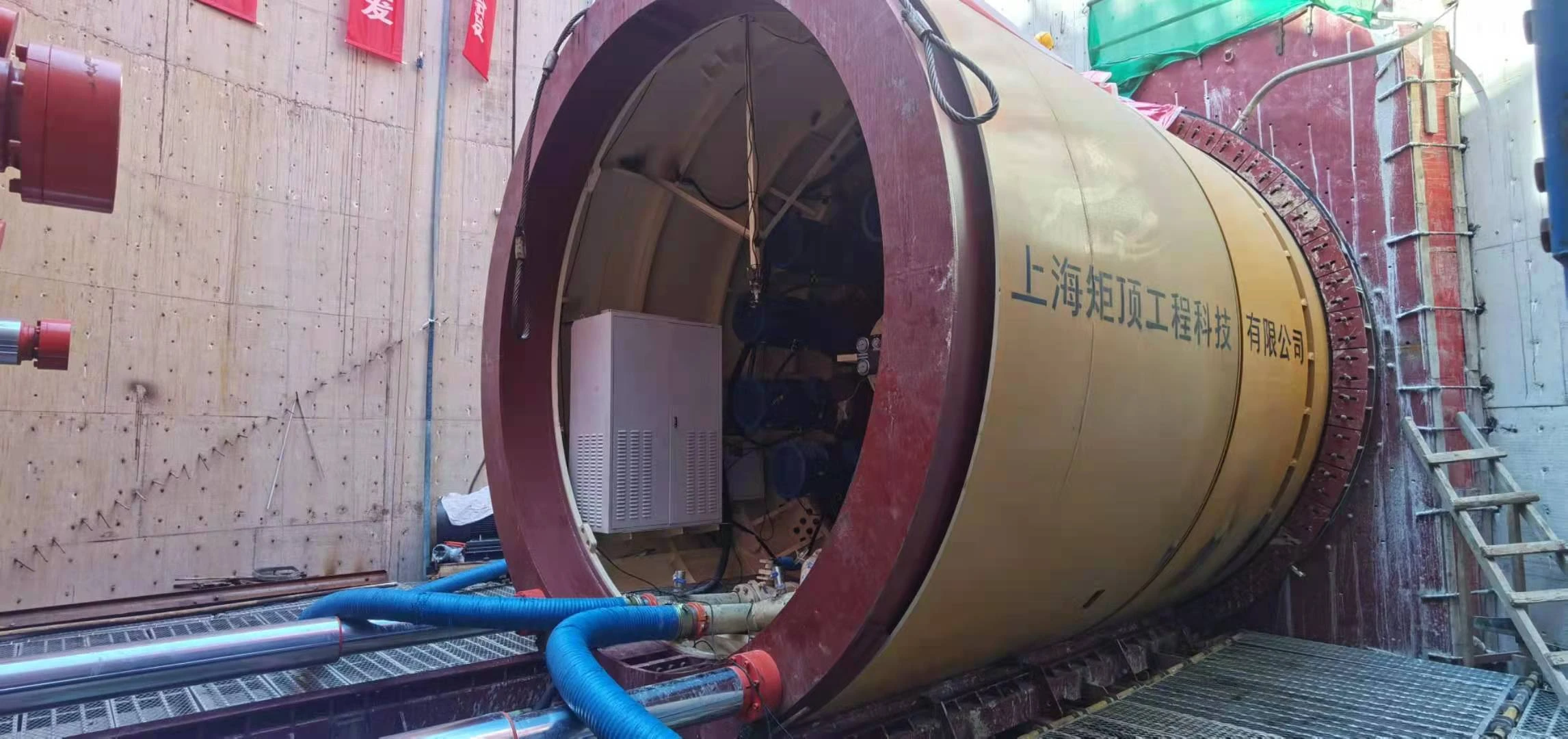
Signs a Cutter Swap Is Needed
Working underground brings many problems. Cutter swaps help fix these problems. You must look for signs that show a cutter swap is needed. Watch for slow work, more shaking, and rough tunnel walls. You might see more cracks or leaks in tunnel segments. If you hear loud sounds or the TBM has trouble, these are signs too. Check cutter wear often. Use sensors and look closely to find problems early.
-
Signs to watch for:
-
Slow tunneling speed
-
Increased vibration
-
Segment cracks or leaks
-
Rough tunnel surface
-
Unusual noise from the tunnel machine
-
Best Practices for Segment Protection
You keep tunnel segments safe by using good habits. Plan cutter swaps before cutters get too worn. Make a schedule for checks and repairs. Teach your team to spot problems fast. Use sensors to check cutter health. Write down every swap and check. Good teamwork helps you fix problems quickly.
Tip: Make a daily checklist for cutter and segment checks. This helps you find problems before they get worse.
Case Examples in Tunneling Projects
Real projects show why cutter swaps matter. The Kani Sib Water-Conveyance Tunnel project changed cutters in over 10% of cases. This made cutter forces lower and helped the TBM work faster. The tunnel boring machine worked better and segment quality got better.
|
Project |
Number of Cases |
Improvement Achieved |
Description |
|---|---|---|---|
|
Kani Sib Water-Conveyance Tunnel |
94 |
> 10% cutter replacement |
Reduced cutter forces and enhanced penetration rates, restoring TBM efficiency |
You can learn from these real examples. Cutter swaps help you solve tunneling problems and keep your project safe and working well.
You keep tunnel segments safe when you change TBM cutters on time. This also helps the work go faster. If you check cutters often, you can stop big repairs.
-
Watching cutter wear all the time means less waiting.
-
Sharp cutters make tunneling quick and safe.
-
Knowing when cutters will wear out stops jams and keeps people safe.
Follow good steps to build strong and good tunnels.
FAQ
What challenges do you face when swapping TBM cutters?
There are many problems you can face. Hard rock makes swaps harder. Water can get into the tunnel and slow you down. Sometimes, it is hard to reach the tools. You must always think about safety. You also need to protect the segments every time you swap a cutter.
How do cutter swaps help protect underground structures?
Swapping cutters before they wear out keeps tunnels safe. This lowers shaking in the tunnel. It also stops cracks and leaks from happening in the tunnel lining.
Why do underground projects need careful cutter management?
Every underground project has its own problems. Managing cutters well helps you finish on time. It also saves money and keeps the segments strong.


