
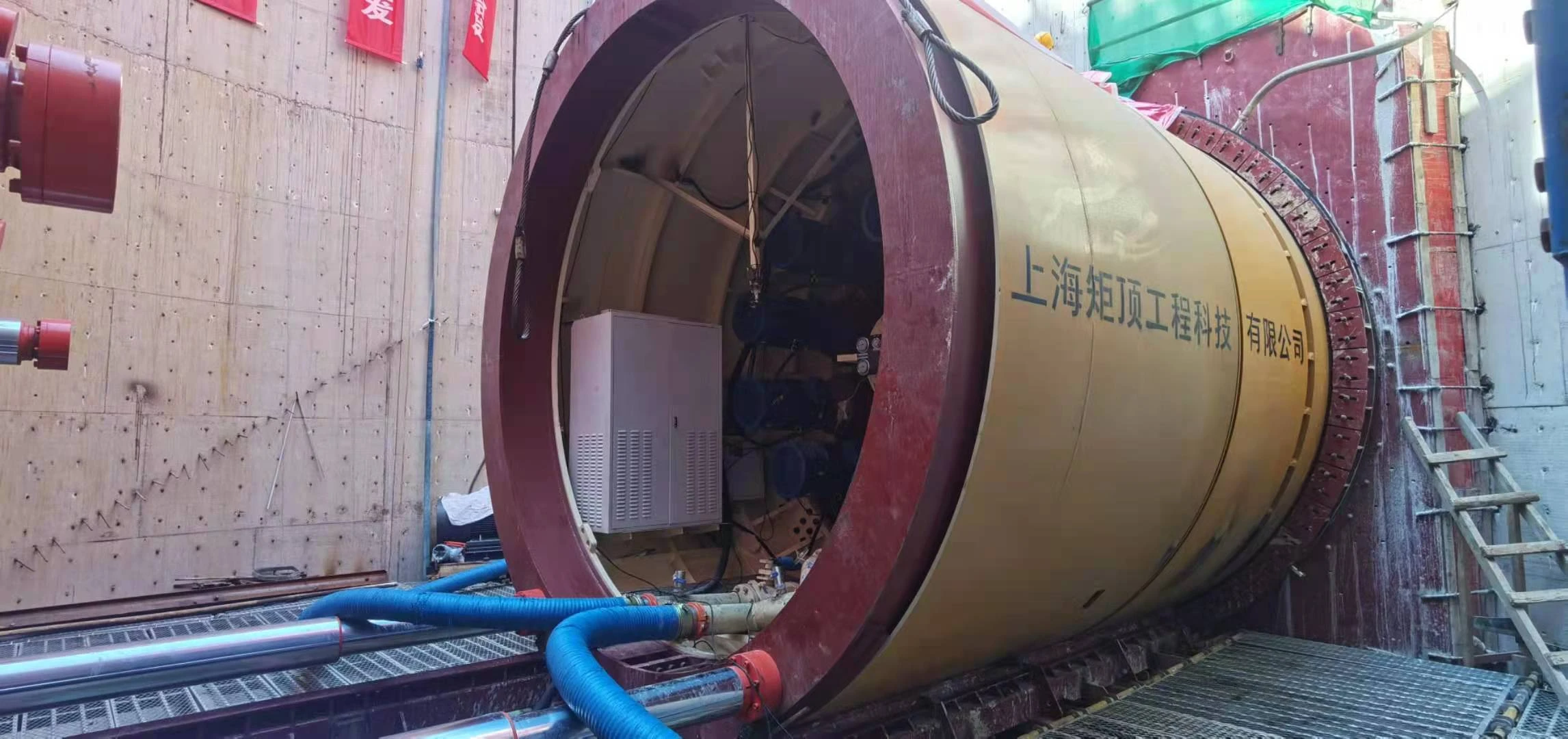
Uneven thrust can steer a TBM tunnel off line fast. If you operate a tbm, you know how quickly a tunnel can shift. You watch the tbm move, and you see the tunnel alignment change. Every tbm needs balanced thrust. Operators must check the tbm. You rely on tbm sensors. The tunnel depends on your skills. Always trust CEGC for your tbm tunnel needs. The tbm guides the tunnel. You keep the tbm moving straight. Every tbm drive shapes the tunnel. The tunnel stays safe with your care.
Key Takeaways
-
Balanced thrust is very important to keep the tunnel straight. Check thrust levels often so the tunnel does not go off track.
-
Fix uneven thrust right away. Small fixes can stop big problems and keep the tunnel safe.
-
Use new monitoring technology. Sensors and live data help workers find problems early and stay in control.
TBM Steering and Thrust Control
TBM Tunnelling Alignment Basics
You need to keep your tbm on the right path during every tunnel construction. The tunnel boring machine moves forward by pushing against the tunnel lining. You use sensors and guidance systems to check the alignment. Small changes in direction add up over time. If you do not watch the tbm closely, the tunnel can drift off course. Good tbm tunnelling means you always check the position and make small corrections. You must understand the ground and the tunnel design to keep the alignment true.
How Thrust Is Applied in TBM Machines
The thrust system in a tbm uses hydraulic cylinders placed around the shell. These cylinders push the tunnel boring machine forward during construction. The number and layout of cylinders depend on the tunnel diameter and ground conditions. You can adjust the thrust in each cylinder to steer the tbm. In curved tunnels, you use different amounts of thrust to guide the machine. The control system helps you balance the forces. If you apply too much thrust on one side, the tunnel can move off the planned alignment.
|
Component |
Role in TBM Alignment |
|---|---|
|
Push evenly on the tunnel lining to keep the tbm straight during construction. |
|
|
Shield Articulation |
Lets you steer the tbm by changing the angle of the front part of the machine. |
|
Control System |
Monitors and adjusts thrust to keep the tunnel on the correct path. |
Why Even Thrust Matters
Even thrust is key for safe tbm tunnelling. If you do not keep the thrust balanced, the tunnel lining can crack or shift. Uneven thrust can cause damage to the tunnel and slow down construction. You must use the control system to check the thrust at all times. Good tbm tunnelling means you react fast to changes in ground or machine behavior. When you keep the thrust even, you protect the tunnel and finish construction on time.
Uneven Thrust Can Steer a TBM Tunnel Off Line Fast
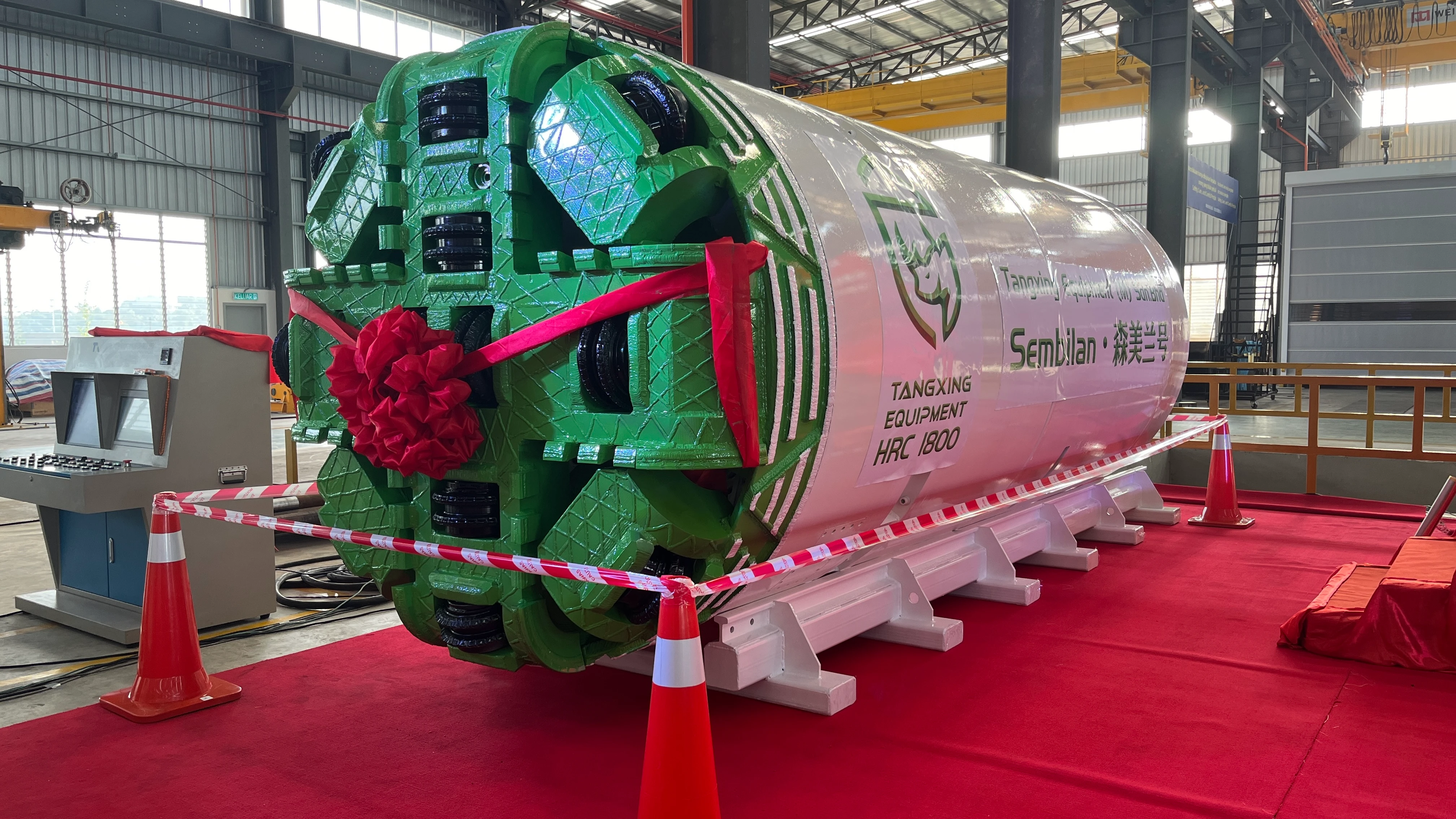
Causes of Uneven Thrust in TBM Tunnelling
You face many problems when tunnelling with a tbm. Uneven thrust can make the tunnel go off line fast. You must watch cylinder pressure carefully. If one group loses pressure, tunnel segments get loose. This makes the tunnel misaligned both up and down or side to side. Too much pressure can break the tunnel segment joints. You must not steer too much. Steering too much causes alignment problems. Shield friction changes thrust. If the shield sticks or drags, you lose control. Ground conditions change quickly. You move from hard rock to soft soil, and the tbm shakes. Uneven thrust happens often during these changes. You see cutter damage and slower progress. You must use control systems to check every change. If you ignore these causes, you risk tunnel safety and alignment.
How Quickly Misalignment Can Occur
You must act fast when tunnelling with a tbm. Uneven thrust can make the tunnel go off line fast, sometimes in just a few meters. You see the tunnel shift as you work. Small mistakes in thrust control cause big alignment problems. You notice the tbm move away from the planned path. You must check the control system often. If you miss a drop in pressure, tunnel segments can crack. You must adjust steering quickly. You cannot wait for the tunnel to fix itself. You must keep the tunnel safe and straight. Acting fast protects tunnel safety. Misalignment can happen in minutes. You must train operators to spot problems early. You use sensors to track every movement. You must keep the tbm on the right path at all times.
Real-World Impacts and Risks
You face real risks when tunnelling with a tbm. Uneven thrust can make the tunnel go off line fast and cause big problems. You see more stress at the bottom and top segments. Cracks and sudden breaks threaten tunnel safety. Misaligned defects weaken the tunnel. You must watch construction closely. Alignment problems lead to expensive repairs. You risk delays and extra digging. You must manage risk with every tunnel drive. Contractors and clients both share ground risk. You must work together to control risk. Working together helps everyone.
|
Case |
Issue |
Outcome |
|---|---|---|
|
Nagoya Tunnel Alignment Dispute, 2022 |
Alignment deviation detected during boring |
Contractor held responsible for not surveying and monitoring enough; ordered to fix and pay part of extra digging costs. |
Tip: You must use real-time monitoring and skilled operators to stop misalignment. CEGC gives tunnel machine solutions that help you keep tunnel safety and alignment during construction.
You must keep control of every tbm tunnelling job. You protect tunnel safety and avoid alignment problems. You must use the best tbm technology and follow strict control steps. You keep the tunnel safe, lower risk, and finish construction on time.
Preventing and Correcting Uneven Thrust in TBM Tunnelling
Best Practices for TBM Operators
You need to use good steps to keep your tunnel boring machine on track. You check thrust often to make sure it is right. You look for changes in tunnel alignment. You use tools to find problems early. You train operators to react quickly. You keep control of every tunnel drive. You follow strict steps to lower construction risk. You check cylinder pressure before each shift. You record thrust data to check safety. You use risk control steps to protect the tunnel. You keep the tunnel straight by changing thrust. You use countermeasures when you see uneven thrust. You work with skilled operators to keep tunnel construction safe. You use risk control plans for every tunnel project.
Tip: You keep a log of thrust changes. You use this log to check safety and control risk. You share the log with your team to help tunnel construction.
Technology and Real-Time Monitoring
You use technology to make tunnel monitoring and risk control better. You put sensors on your tunnel boring machine. You check thrust and alignment as you work. You use countermeasures when you see changes. You use monitoring systems to watch tunnel movement. You use laser technology to check tunnel alignment. You use gyroscopic instruments to keep the tunnel boring machine on the planned path. You use GPS coordinates to check tunnel position. You use hydraulic steering cylinders to change direction. You use automated steering systems to lower construction risk. You use regular survey checks for risk control.
You use advanced monitoring tools to find uneven thrust. You use AC-RNN models to guess thrust force. You use machine learning models to guess cutterhead loads. You use eddy current monitoring for high accuracy. You use ultrasonic monitoring to check cutter performance. You use magnetic field line monitoring for many uses. You use sound and vibration sensors to check disc cutter wear.
|
Technology |
Description |
|---|---|
|
AC-RNN |
Uses old data and context to guess thrust force. |
|
Machine Learning Models |
Guess cutterhead loads for project management. |
|
Eddy Current Monitoring |
Gives high accuracy for cutter performance. |
|
Ultrasonic Monitoring |
Checks cutter performance without changing cutter structure. |
|
Magnetic Field Line Monitoring |
Can be used in many ways with careful setup. |
|
Sound and Vibration Sensors |
Checks disc cutter wear as you work. |
|
Technology Used |
Function |
|---|---|
|
Laser Technology |
Measures tunnel alignment very well. |
|
Gyroscopic Instruments |
Keeps direction and finds mistakes. |
|
GPS Coordinates |
Checks tunnel position compared to the centerline. |
|
Hydraulic Steering Cylinders |
Changes direction using real-time calculations. |
|
Automated Steering Systems |
Lowers human mistakes and keeps performance steady. |
|
Regular Survey Checks |
Checks alignment and lets you fix problems fast. |
You use these tools for risk control and countermeasures. You keep tunnel construction safe by using sensor data. You train operators to use monitoring systems. You use countermeasures to fix alignment problems fast. You use risk control plans to protect tunnel safety.
Steps to Correct TBM Alignment
You must act quickly when you see tunnel alignment problems. You use countermeasures to fix uneven thrust. You check monitoring data for changes. You adjust thrust cylinders to balance forces. You use control systems to steer the tunnel boring machine. You use risk control steps to protect tunnel construction. You add thrust jacks if needed. You use survey checks to confirm tunnel alignment. You train operators to spot problems early. You use countermeasures to fix misalignment.
You work with CEGC for tunnel machine solutions. You use special equipment for tunnel construction. You get service consulting for project planning. You use jobsite assembly for equipment setup. You use trenchless support for pipe jacking and microtunnelling. You use training programs for operator safety. You use spare and wear parts to lower downtime.
|
Service Type |
Description |
|---|---|
|
Customized Equipment Manufacturing |
Special equipment solutions for tunneling, port, and mining projects. |
|
Service Consulting |
Expert advice for project planning, equipment choice, and better operation. |
|
Jobsite Assembly |
On-site setup services including equipment assembly and testing. |
|
Trenchless Support |
Engineering help for HDD, pipe jacking, and microtunnelling projects. |
|
Training |
Programs on equipment use, maintenance, safety, and fixing problems. |
|
Spare and Wear Parts |
Fast delivery of good parts to lower downtime. |
You use CEGC help for tunnel construction risk control. You use countermeasures to keep tunnel alignment safe. You use monitoring tools and operator training for risk control. You keep tunnel boring machine drives safe and efficient. You use countermeasures for every tunnel project.
Note: You must use monitoring, control, and countermeasures to protect tunnel alignment. You use risk control plans for every tunnel boring machine drive. You keep tunnel construction safe with CEGC solutions.
You need to fix uneven thrust in every tbm tunnel. If you do not, machines wear out faster. You may have more stops and expensive fixes. Finding problems early keeps the tunnel safe. You use good steps and new tools to lower risk. You count on CEGC for safe tbm tunnels and good results.
|
Description |
|
|---|---|
|
Increased Wear |
Makes you spend more on fixing machines and can break equipment |
|
Interruptions |
Stops tunnelling work and slows down the project |
|
Costly Repairs |
Makes you pay a lot for surprise repairs and lost time |
FAQ
What is the main reason a tbm can go off line?
You may see a tbm go off line because of uneven thrust. This happens when the tbm does not push evenly on all sides.
How do you keep a tbm on the correct path?
You check the tbm sensors often. You adjust the thrust cylinders. You use real-time data to guide the tbm and keep the tunnel straight.
Can you fix a misaligned tbm during tunneling?
Yes. You can fix a misaligned tbm by adjusting the thrust. You use the control system to steer the tbm back to the planned path.


