
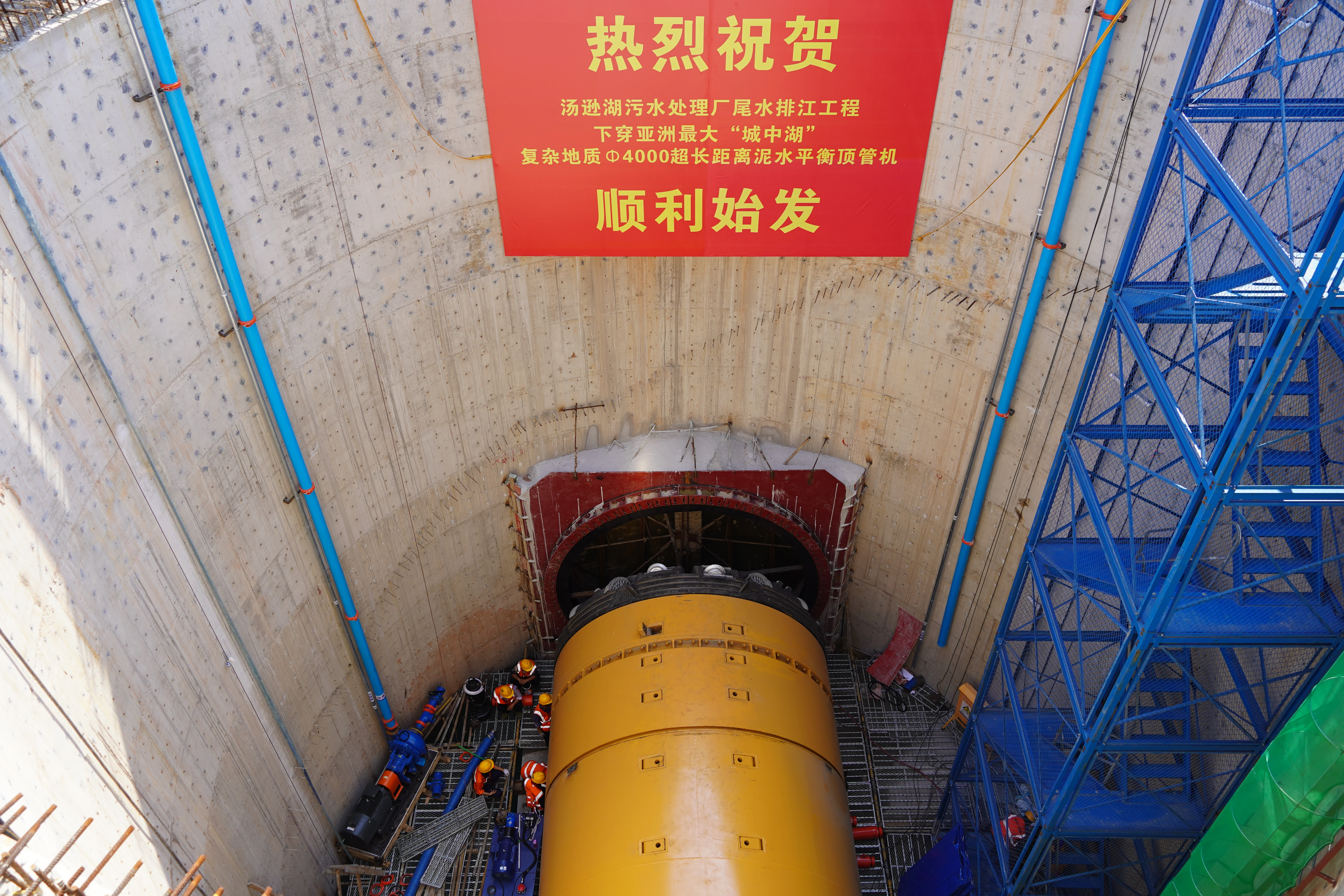
You can manage TBM tunnel jam risk by implementing monitoring systems, and TBM tunnel jam risk can be priced with monitoring. Real-time data collection enhances project safety and efficiency, allowing your tunnel boring machine to operate smoothly. Automated monitoring solutions from CEGC provide clear information to help you make fast decisions and effectively control risk. With CEGC’s smart monitoring, you can quantify and set a price for TBM tunnel jam risk, ensuring your project stays on track.
Key Takeaways
-
Use monitoring systems to help control TBM tunnel jam risk. Collecting data right away makes work safer and faster.
-
Use Bayesian statistical methods to guess jamming risks better. This helps set fair prices for risk and stops surprise costs.
-
Put monitoring data in contracts to show who pays for accidents. This keeps both sides safe and lets them handle changes.
TBM tunnel jam risk overview and pricing
What is TBM tunnel jam risk
TBM tunnel jam risk happens when the machine hits things underground. Accidents often occur because the cutterhead and shield face too much force. Sometimes, rocks fall or change shape and block the machine. Shield pressure can go up, and the area of contact gets bigger. Bad ground conditions make digging slower and raise accident chances. Water in the ground can make dangers worse. The most common accident is when rocks around the tunnel collapse and jam the TBM.
-
Too much force on the cutterhead and shield
-
Rocks falling, changing shape, or creeping block the machine
-
Shield pressure goes up and contact area gets bigger
-
Bad ground and water make risks higher
-
Rocks around the tunnel collapse
Why pricing risk matters
Pricing TBM tunnel jam risk helps protect your project money. If you guess accident risk too low, costs can go up a lot. One project had costs go up by $25 million because planners missed climate effects. Market changes added $47 million more. Guessing wrong about risk causes budgets to break and more accidents. Pricing risk helps you get ready for dangers and stop surprise costs.
Role in project planning
Correct risk pricing helps you plan your project better. You use risk-based geotechnical design to handle dangers and plan resources. Penetration rates change how fast you build. If you price accident risk right, you can set good timelines and avoid delays. Some models miss some accident types, so you need to change your plan. Safety risk checks and expert advice help you deal with new risks and unknowns.
|
Key Lessons Learned |
Implications for Project Planning |
|---|---|
|
Risk-based geotechnical design |
Finds and handles dangers, makes scheduling better |
|
Penetration rates |
Helps set good timelines, cuts accident delays |
|
Model limitations |
Changes plans for possible accident risks |
TBM tunnel jam risk can be priced with monitoring
Key monitoring parameters
You need to watch several things to manage TBM tunnel jam risk. Cutter-head vibration shows how the machine reacts underground. Pressure readings around the shield tell you about stress from rocks and soil. Checking the advance rate helps you spot slowdowns that may mean jamming. Water inflow and soil movement are important too. These things help you see accident risks early and keep your tunnel boring machine safe.
Tip: Always check vibration and pressure data while working. Sudden changes can warn you about jamming before it stops your TBM machine.
Monitoring technologies and methods
You can use advanced monitoring tools to make things safer and faster. Hybrid data mining uses different ways to look at real-time data. Bayesian statistical methods use models to check risks and help you decide. Integrated monitoring systems bring together tools and data for a full view of tunnel conditions.
|
Monitoring Technology |
Description |
|---|---|
|
Hybrid Data Mining Approach |
Uses many data mining ways to look at real-time TBM monitoring data for safety management. |
|
Bayesian Statistical Methods |
Uses models to check risks and help decisions in TBM operations. |
|
Integrated Monitoring Systems |
Brings together monitoring tools and data for full risk checks in real-time. |
Many tunnel projects now use Bayesian networks and neural networks to predict jamming. These methods help you spot patterns in boring data and improve accuracy. You can recognize jamming states with a high success rate. Neural networks and Bayesian models work together to estimate jamming chances and help you plan digging in tough ground.
-
Bayesian networks and neural networks predict jamming risks.
-
These methods were used in a tunnel project in China with strong results.
-
You can look at real-time TBM monitoring data and make better choices.
Data analysis and early warning
You can use real-time analytics to spot jamming before it causes an accident. Data analysis shows patterns between normal and jamming states. For example, cutter-head vibration links to advance parameters and geology. Intense vibration happens when you restart the TBM after stoppage or entrapment. Pressure monitoring shows how rock pressures change as you move away from the tunnel face. Squeezing pressures drop after you use relief measures on a trapped TBM.
|
Key Findings |
Description |
|---|---|
|
Cutter-head Vibration |
Strongly linked with TBM advance and ground conditions. |
|
Vibration During Restart |
Intense vibration happens when TBM restarts after stoppage or entrapment. |
|
Pressure Monitoring |
Rock pressures on the shield are uneven and get higher farther from the tunnel face. |
|
Squeezing Pressures |
Drop and return to lower levels after relief steps on trapped TBM. |
You can use these findings to set up early warning systems. When you see strange vibration or pressure, you can act fast to stop jamming. This keeps your tunnel boring machine moving and lowers accident risks.
Using monitoring data for risk pricing
You can use monitoring data to price TBM tunnel jam risk. Real-time information lets you guess the chance of jamming and set a fair price for risk. Bayesian statistical methods help you spot jamming states and figure out chances. You can get high accuracy in predicting jamming, which helps you plan costs and avoid surprises.
Note: TBM tunnel jam risk can be priced with monitoring. You can use data from vibration, pressure, and advance rate to set risk prices and protect your budget.
Ground investigation and geotechnical data are very important for risk checks. You need to look at soil and rock conditions before you start. This information helps you pick the right boring method and set good risk prices.
Integrating risk pricing into contracts
You can use monitoring data to write better contracts. When you know the risk of jamming, you can set clear rules for accident coverage and cost sharing. You can include risk pricing in your contract to protect both sides. Real-time monitoring lets you change risk prices as conditions change.
Monitoring data also helps you pick the best boring method for your project. You can compare TBM, HDD, auger boring, and microtunnelling based on ground and risk. TBM tunnel jam risk can be priced with monitoring, so you can make smart business choices.
CEGC gives advice to help you pick the right method and manage risk. You can get expert help on ground investigation, risk pricing, and contract rules. CEGC checks your project details and suggests the best tunnel machine for your needs.
Callout: TBM tunnel jam risk can be priced with monitoring. You can use CEGC’s advice to make smart choices and keep your project safe.
Best practices and common pitfalls
Case study: successful risk pricing
You can learn from a tunnel project that used monitoring to handle jamming dangers. The team checked how the TBM shield and cutterhead worked with the rock around them. They looked for blockages from rock collapse, big changes, and creep. Engineers used real-time monitoring and looked at past projects for help. They made early warning systems to find jamming before accidents happened. The project got a high rate of finding jamming risk and made things safer.
-
Check how TBM parts work with the ground.
-
Use real-time monitoring to spot jamming early.
-
Use lessons from real engineering jobs.
-
Make early warning systems for quick action.
Common mistakes to avoid
You can have trouble if you skip important steps in risk checks. Some teams do not use real-time data or only trust models. Others forget to change risk pricing when things change. You should not make these mistakes to keep your tunnel boring machine safe.
|
Key Performance Indicator |
Description |
|---|---|
|
Comprehensive Jamming Perception Index (η) |
|
|
Refined Jamming Probability Model |
Gives good guesses of jamming chance, about 94% in jamming spots. |
|
Real-time Data Monitoring |
Finds jamming index and chance right away for fast risk checks. |
|
Early Warning System Integration |
Sends alarms when jamming chance is high, so engineers act fast. |
|
Decision Support |
Gives numbers for risk checks to help make safe choices. |
|
Construction Plan Optimization |
Looks at jamming risk to make safer plans and pick better ways. |
Tip: You can ask CEGC for advice. CEGC helps you pick the best tunnel machine and handle jamming risks. You get help with ground checks, risk pricing, and planning.
You can use monitoring data to set a price for TBM tunnel jamming risk. This helps you stop accidents and save money. You can see clear patterns in the data. You can act fast before jamming slows down your project. Using monitoring helps you make better business and technical choices.
The rise of ‘cohesive knowledge systems’ means using smart data tools. These systems help people make decisions using real facts. They change how tunnel projects are planned, built, and taken care of.
You get more control when you follow good steps and ask experts for help. The risk management plan uses expert advice and fuzzy set theory. This way, you can understand jamming risks and handle unknowns in TBM projects.
FAQ
Is microtunnelling more accurate than HDD?
You get higher accuracy with microtunnelling. Laser guidance helps you keep the tunnel straight. HDD works well for curves but has less precision.
When should you use an auger boring machine instead of HDD?
You should use auger boring for short, straight crossings in stable soils. HDD fits longer, curved paths and works best for flexible pipes.
What is the cheapest horizontal boring method?
Auger boring usually costs less per meter. You save money on short, simple crossings. Microtunnelling and HDD cost more for longer or complex projects.


