
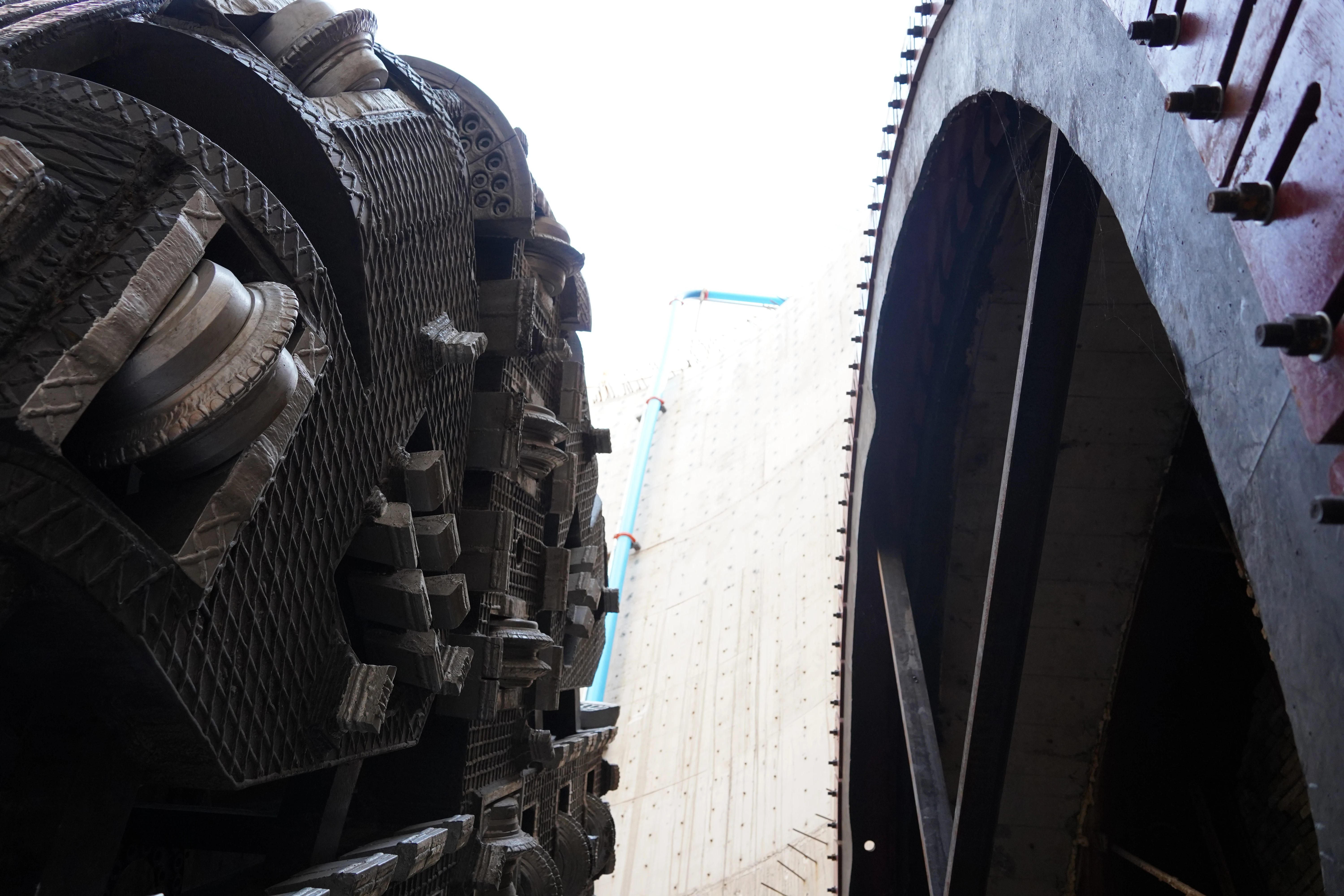
You can see how TBM tunnel overload data can support variation pricing in your projects. With CEGC, TBM tunnel overload data can support variation pricing by providing accurate, real-time information that directly impacts your project decisions. This data is essential for maintaining safety and reducing risk throughout the tunneling process. CEGC offers advanced TBM machine solutions that leverage TBM tunnel overload data to protect the cutterhead, ensure precise alignment, and streamline maintenance. By relying on TBM tunnel overload data, you can make informed choices that enhance safety and operational efficiency. CEGC’s TBM tunnel overload data can support variation pricing, giving you the confidence to manage project costs and adapt to changing conditions. Trust CEGC and TBM tunnel overload data to provide the support and insights you need for successful, safe, and cost-effective tunneling projects.
Key Takeaways
-
TBM tunnel overload data gives you real-time information. This helps you make smart choices. It makes tunneling projects safer and more efficient. Using overload data lets you explain why prices need to change. You can show that overload events cause delays or higher costs. This helps make sure everyone gets paid fairly. Checking TBM data often helps stop sudden breakdowns. This saves you money and keeps your project on time.
TBM Overload Data in Construction
What Is TBM Overload Data?
TBM overload data helps you see how tunnel machines react to changes. Sensors and monitors collect information about pressure, force, and how the machine works. You can connect these checks to how tunneling is going. Everyone working on the project needs to look at this data together often. Automatic reports send important facts to people who need them. This makes talking about the project easier and cuts down on confusion. TBM overload data helps you guess and check for settlement, deformation, and how well tunneling is going. You use this data to make good models and fix problems before they get big.
Causes of Overload in Tunnel Machines
Tunnel machines get overloaded when things change or the model does not match the rock. The table below lists some main causes:
|
Cause of Overload |
Explanation |
|---|---|
|
Interaction between excavation face and TBM design |
If things do not line up, it takes more force and wears out the cutter faster. |
|
Management of support pressure |
Too much support pressure makes the drive unit work too hard and blocks the spoil system. |
|
Soil conditions |
Sandy soil can shoot out because it turns soft and loose. |
You need to watch these things to stop settlement and tunnel problems.
Impact on Project Costs
TBM overload data helps you plan repairs and stop surprise breakdowns. Checking and fixing machines often keeps them from breaking without warning. Regular checks find problems early, so you do not have big delays. Fixing things on a schedule keeps machines working well. This way, you spend less money fixing things and work goes smoother. CEGC’s TBM and microtunnelling machines have smart systems to help you watch and fix problems. You get good checks, tests, and guesses about settlement, deformation, and tunneling. Using clear data helps you save money and finish your project well.
Using Overload Data for Variation Pricing
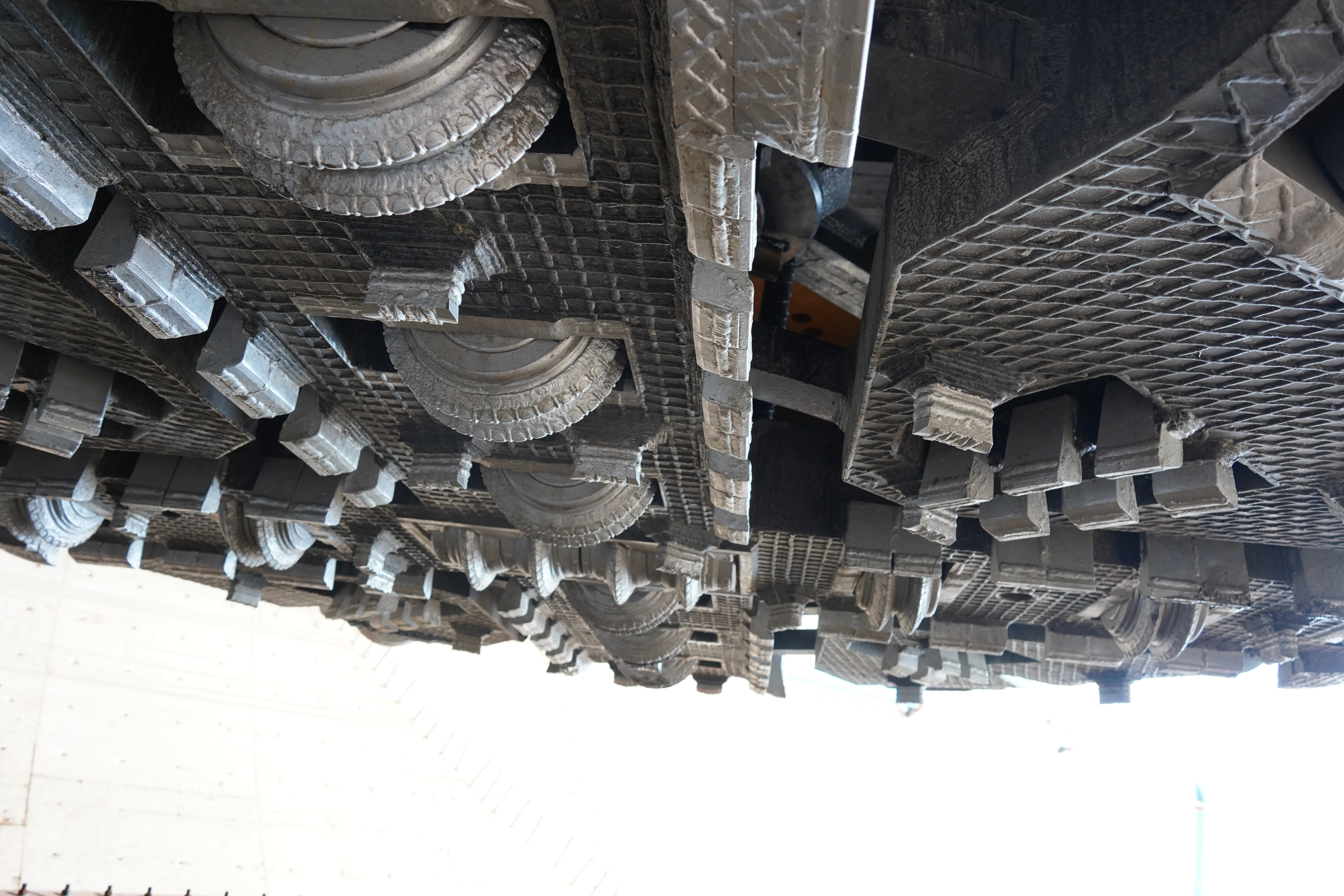
Linking Overload Events to Pricing Adjustments
You can use tbm tunnel overload data to help with fair pricing changes. When your tunnel boring machine faces extra force or pressure, the data shows the exact time and place. This information helps you prove the ground or machine loads were not what you expected. You can use this data to explain why you need a price change in your contract.
Here is a step-by-step way you can do this:
-
Collect tbm tunnel overload data from sensors during each shift.
-
Look at the data to find overload events like spikes in pressure or force.
-
Match these events with your project timeline and work logs.
-
Make a report that links each overload event to extra work, delays, or higher costs.
-
Use this report to support your request for a pricing adjustment.
By following these steps, you make your case clear and based on data. You show that tbm tunnel overload data can support variation pricing by giving proof everyone can trust.
Presenting Data to Stakeholders
You need to share tbm tunnel overload data in a way everyone understands. Good communication helps you reach agreement faster. You can use charts, graphs, and dashboards to show how often overload events happen and how they affect your project. Visual tools make it easy for owners, contractors, and city officials to see the facts.
When you share tbm tunnel overload data, you build trust. You can use chargeback or showback methods so everyone knows who is responsible for extra costs. Instead of arguing about who pays, you focus on sharing value and keeping the project moving.
-
Use clear visualizations to show overload trends.
-
Share regular updates with all project partners.
-
Talk about value and results, not just costs.
This way shows how tbm tunnel overload data can support variation pricing and helps everyone work together.
CEGC Solutions for Overload Risk
CEGC gives you advanced tools to manage overload risk. Their tbm and microtunnelling machines collect detailed data on pressure, force, and machine performance. You can use this data to spot problems early and plan repairs before they cause delays. CEGC machines have features that let you adjust face pressure, cutterhead design, and guidance systems for each project.
You get support for every step of your project. CEGC helps you set up data collection, review overload events, and prepare reports for pricing talks. Their service team trains your crew to use the tbm tunnel overload data and keep your machine running well.
With CEGC, you see how tbm tunnel overload data can support variation pricing by giving you the facts you need. You lower your risk, control your costs, and finish your project on time. CEGC stands with you to make sure your tunnel machine gives the best results.
You use tbm tunnel overload data to help set fair prices and lower risk. Accurate data helps you check if your plans are right and change them if needed. The table below lists important points for managing risk and making your project work well. New sensor technology will help you get better data and set prices.
|
Key Takeaway |
Description |
|---|---|
|
You check tbm hazards and risk with this method. |
|
|
Addressing Uncertainty |
You look at ground risk early in the project. |
|
Case Study Validation |
Athens Metro shows tbm data helps with risk choices. |
|
Probabilistic Modeling |
You use data to check risk levels. |
|
TBM Advance Rates |
You see data helps your project do well. |
Watching the data shows that tbm data helps you check your plans and manage risk. If your plans change, you use the data to make new choices and keep tbm work safe.
-
New tbm sensors help you collect more data and guess risk better.
-
AI and machines help you get better tbm data and set prices right.
You can ask CEGC for help with your project using smart tbm and microtunnelling machine data tools.
FAQ
What is TBM overload data and why do you need it?
You use tbm overload data to track how your tbm works. This data helps you spot problems early and keep your tunnel safe.
How does TBM data help you control project costs?
You check tbm data every day. This data shows when your tbm faces tough ground. You use this information to plan repairs and avoid big delays.
Can TBM data improve safety during tunneling?
You watch tbm data to see if your tbm faces overload. This data warns you about risks. You can act fast to protect your team and your tunnel.


