
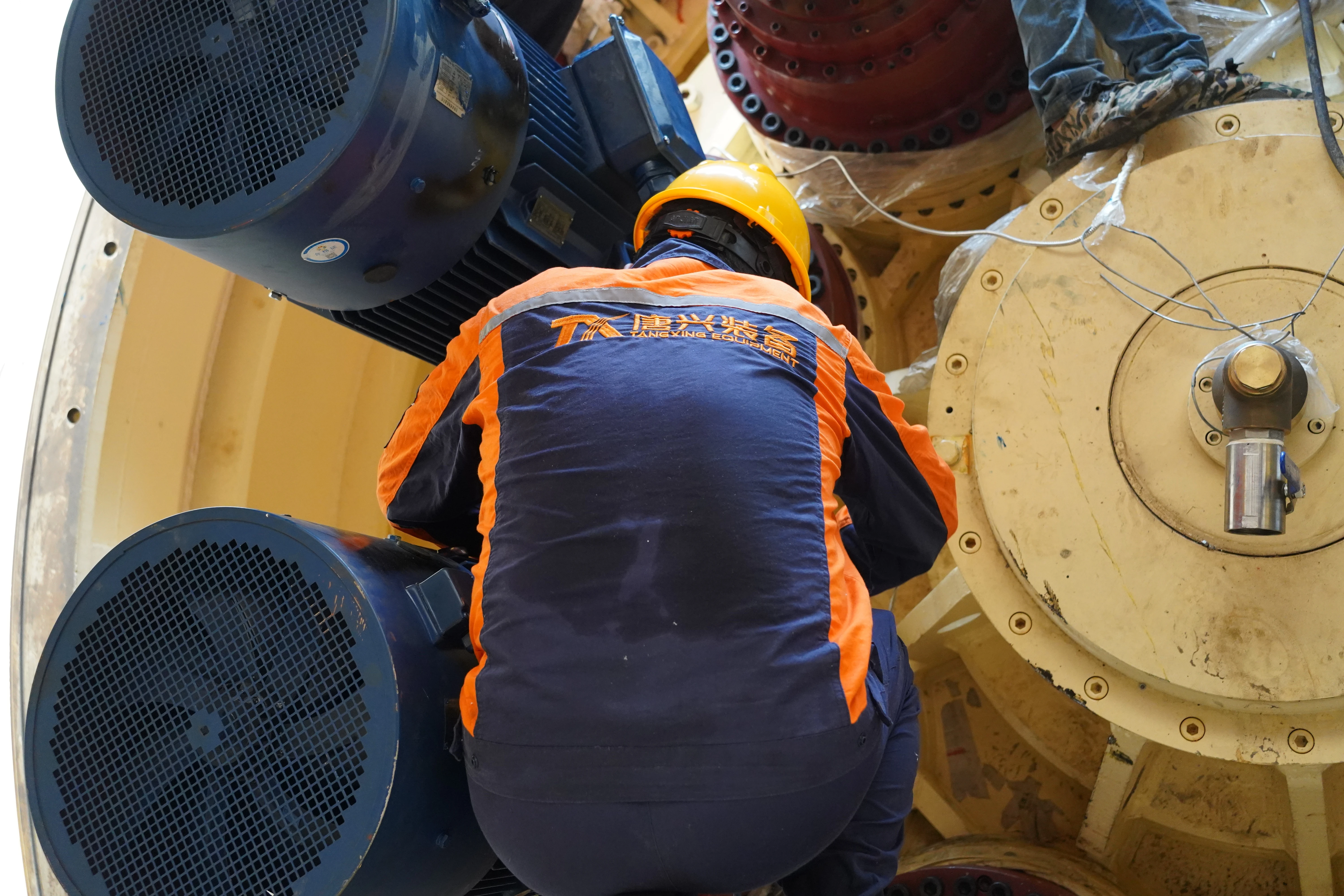
Overload protection keeps TBM machine torque in safe bands, ensuring your tunnel machine operates securely and efficiently. By managing torque levels, you enhance safety and reliability throughout your tunneling project. CEGC delivers TBM and Microtunnelling Machine solutions tailored to your requirements. With proper torque control, you effectively prevent ground settlement, cutterhead wear, and alignment issues, optimizing performance and minimizing risks.
Key Takeaways
-
Overload protection helps your TBM stay safe by keeping torque in safe levels. This stops damage and saves money on repairs.
-
Torque limiters help the machine dig smoothly. They lower the chance of cutterhead wear. This makes tunneling work better.
-
Automatic systems find high torque fast. This cuts down on delays and repair costs. It also makes the project more reliable.
TBM Machine Torque and Its Importance
What Is Torque in Tunnel Boring Machines
Torque is the power that turns the cutterhead. You need torque to break rocks and move through dirt. When you use a TBM machine, torque spins the cutterhead so it can dig. Torque is measured by how much twisting force is on the cutterhead. If you control torque, you get steady digging results.
-
Torque helps you control the cutterhead’s load.
-
Keeping torque steady makes rock breaking better.
-
Torque can change when the cutterhead hits hard or soft ground.
-
Watching torque lets you find problems early.
CEGC’s TBM and Microtunnelling Machines let you set torque for your job. You can pick the right torque for the ground and tunnel size. This keeps torque steady and stops sudden changes.
Why Torque Control Matters for TBM Safety
You must control torque to keep your tunnel machine safe. If torque is too high, parts can wear out or break. If torque is too low, the TBM can get stuck. Good torque control stops jams and keeps work going.
-
Bad torque control can cause accidents or machine problems.
-
Harder rocks make more friction, so you need enough torque.
-
Not enough torque can slow work and cause danger.
CEGC builds machines that keep torque steady and match the drive. You can set torque for your project’s needs. This keeps the ground stable and protects your machine. Managing torque saves money on repairs and makes the machine last longer.
Tip: Always check torque when tunneling. This helps you stop cutterhead damage and keeps your machine running well.
Overload Protection Keeps TBM Machine Torque in Safe Bands
Torque Limiter Mechanisms in TBM Machines
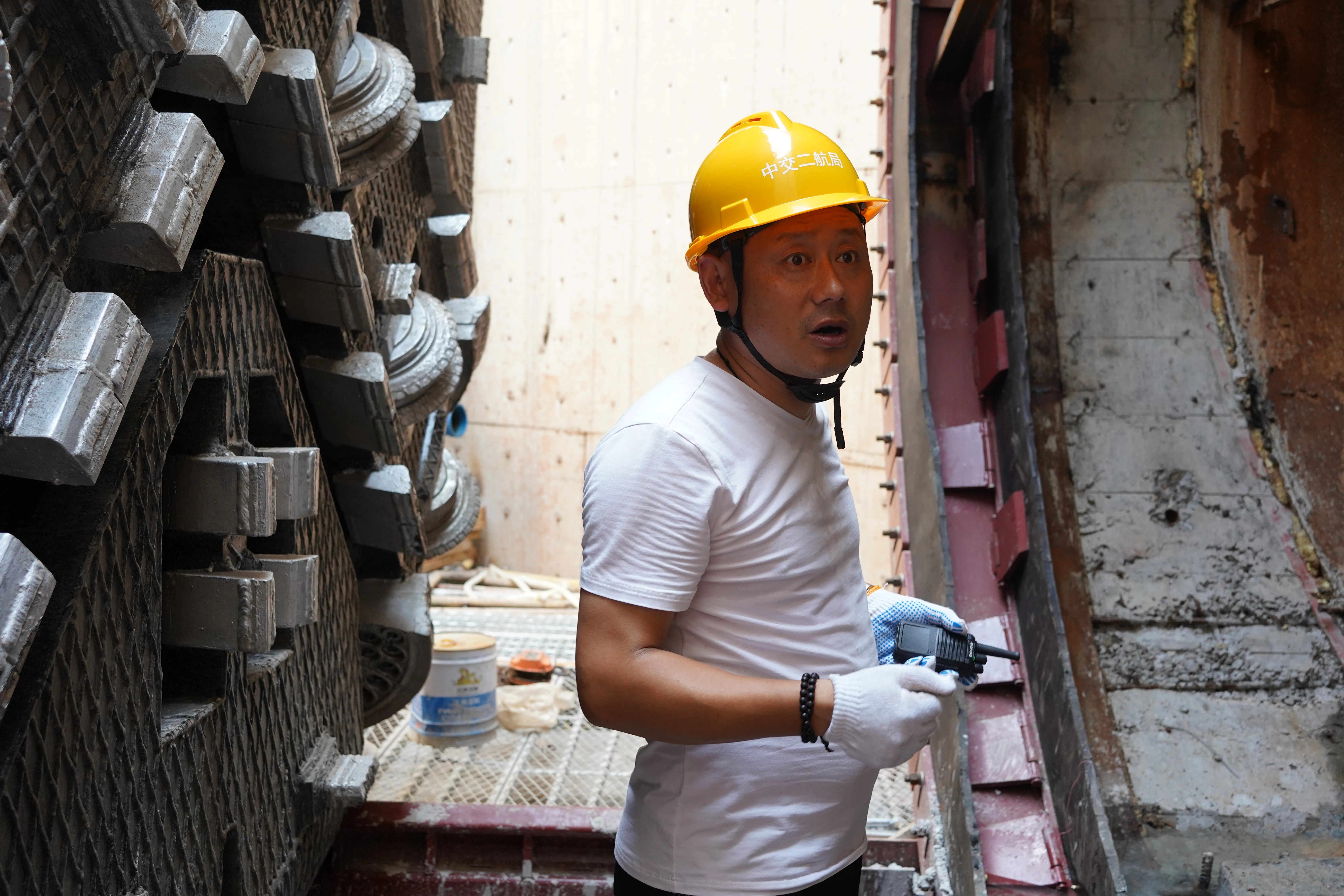
You want your tunnel machine to work safely and well. Torque limiters help by controlling how much force twists the cutterhead. These limiters keep the torque in the right range. This means overload protection keeps TBM machine torque in safe bands, even if the ground changes.
A torque limiter works like a safety switch. It stops too much force from reaching the cutterhead. If the torque gets too high, the limiter slips or disconnects. This keeps your tunnel boring machine from getting damaged. You avoid sudden shocks that can break or wear out parts.
CEGC’s tunnel machines use advanced torque limiters. These systems match the power to the ground. You get steady torque, so digging is smooth. The torque limiter also helps with long drives and hard jobs. You can check the technical details for CEGC’s torque limiter solutions in the table below:
|
Feature |
Specification |
|---|---|
|
Torque |
|
|
Rotation speed |
up to 26 rpm @ 260 l/min |
|
Drive length |
up to 200m (219yd) |
|
Wear-resistance |
Yes |
|
Digitalization |
Enhanced performance analysis |
Using torque limiters lowers the risk of cutterhead wear and bearing stress. You also help the tunnel boring machine last longer. Overload protection keeps TBM machine torque in safe bands, so you spend less time fixing things and more time working.
Automatic Response to Excessive Torque
You do not need to watch the torque all the time. Automatic overload protection keeps TBM machine torque in safe bands by acting fast when force spikes. When torque goes over the safe limit, the system reacts right away. The torque limiter senses the overload and acts before damage happens.
This automatic action helps you avoid stopping work. You do not have to fix the tunnel machine as often. The system also saves you money on repairs. You spend less because you do not need to replace worn parts as much. The table below shows the main benefits of automatic overload protection:
|
Benefit |
Description |
|---|---|
|
Reduced Downtime |
Automation and real-time monitoring help keep work going, so there are fewer stops. |
|
Lower Maintenance Costs |
Adaptive features can cut costs by 20-30%, so you spend less on repairs. |
|
Early Problem Detection |
Real-time monitoring gives alerts for problems, so you can fix them early. |
Overload protection keeps TBM machine torque in safe bands, so you get steady work. You also get early warnings if something is wrong. This lets you fix small problems before they get big. Torque limiters and overload protection work together to make your tunnel boring machine safer and better.
When you pick CEGC’s tunnel machines, you get torque limiter mechanisms that protect your machine. You keep your project on track and avoid big delays. Overload protection keeps TBM machine torque in safe bands, so you can feel confident on every job.
Impact of Overload Protection on TBM Performance
Consequences of Operating Without Overload Protection
Running a tunnel boring machine without overload protection is risky. If torque gets too high, the machine can stop fast. The cutterhead may break or bearings can get damaged. Sometimes, the drive system fails and work must pause. In city tunnels, these problems can cause the ground to sink. You might have to fix pipes or launch shafts. When torque overload happens, fixing things takes more time and money.
Here are some real-world issues you may face:
-
Cutterhead jams happen when torque spikes suddenly.
-
Pipe strings break if thrust and torque overload mix.
-
Alignment shifts during long drives, so you must redo work.
-
Fragile utilities get damaged by uncontrolled jacking forces.
Note: Using overload protection keeps your tunnel machine safe. You avoid sudden stops and need fewer repairs.
Benefits for Safety, Reliability, and Project Success
Overload protection keeps torque in safe bands. You get steady work and fewer breakdowns. CEGC’s tunnel machines meet market specs and can be customized. You can set torque limits for your ground and tunnel size. This helps you follow strict settlement and alignment rules in city utility projects.
-
Managing jacking forces keeps fragile utilities safe.
-
Predicting torque overload helps you spot problems early.
-
Controlled torque stops pipe and shaft damage.
-
You keep alignment steady during long drives.
You spend less on repairs and your machine works longer. Projects finish on time and you avoid claims for settlement or alignment mistakes. Overload protection gives you confidence in every tunneling job.
|
Feature |
Benefit |
|---|---|
|
Torque control |
Stable excavation |
|
Customization |
Project-specific safety |
|
Early detection |
Fewer repairs |
|
Alignment assurance |
Accurate tunnel placement |
Overload protection helps your TBM machine stay safe and work well. You have less time when the machine is not working. This also helps you save money on repairs. CEGC gives you choices that match what your project needs.
-
Pick overload protection to make your machine safer
-
Make your machine work better and last longer
Do not wait—add overload protection to your tunnel machine plans now.
FAQ
How does overload protection help your TBM machine?
Overload protection keeps torque safe. It stops sudden stops. It lowers cutterhead wear. Your tunnel machine lasts longer. You fix it less often.
Can you customize overload protection for your project?
|
Option |
Available? |
|---|---|
|
Torque settings |
✅ |
|
Ground type |
✅ |
|
Tunnel size |
✅ |
What happens if you ignore torque limits?
-
Cutterhead can break.
-
Bearings might fail.
-
Projects get delayed.
-
Repairs cost more money.


