
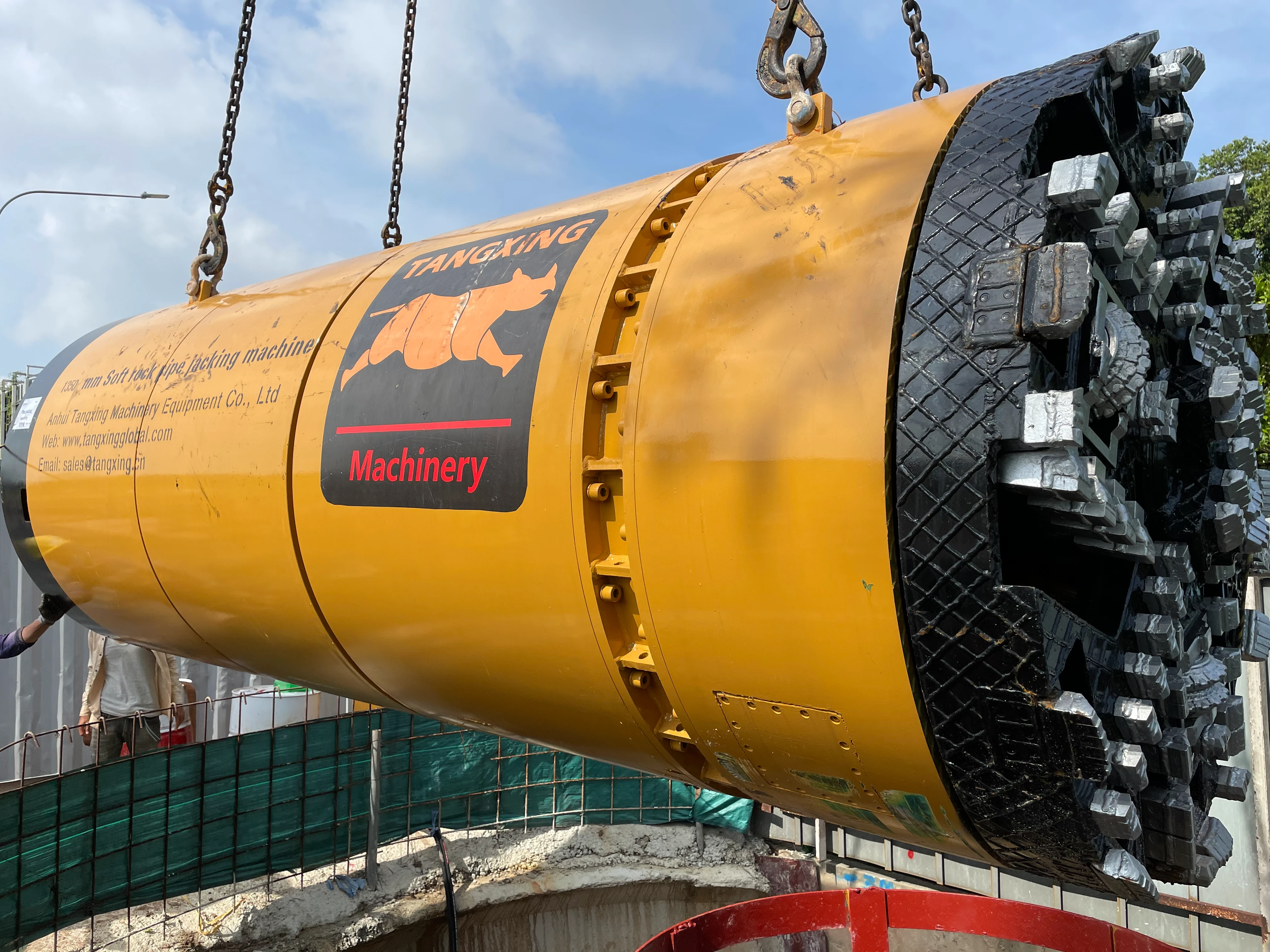
When using tunnel boring machines in urban environments, you may encounter several challenges. TBM tunnel overload spikes can overheat hydraulics, potentially damaging your equipment and causing delays in your operations. CEGC provides innovative technical solutions to effectively manage these risks, ensuring that your tunnel machine remains safe and operates efficiently.
Key Takeaways
-
Check your TBM's hydraulic system often. Look for signs of getting too hot. Make sure fluid levels are correct to stop damage.
-
Use CEGC's special features like closed-mode face support. These tools keep pressure steady and lower the chance of overload spikes.
-
Move fast if you see overheating. Turn off the machine and check the cooling system. This helps you avoid expensive repairs and project delays.
Overload Spikes in TBM Tunnels
What Causes Overload Spikes
Sometimes, tunnel boring machines face sudden force jumps. These spikes happen when the cutterhead hits something tough. Ground instability, hard rock, or debris can block the cutterhead. The tool may push too hard and get stuck. Studies show too much force uses more energy and lowers efficiency. When the ground changes fast, the machine must react quickly. Urban projects have strict rules about settlement. Even small spikes can cause claims or stop work.
Tip: Look for signs of jams or sudden resistance. These signs often mean an overload spike is happening.
Impact on Hydraulic Systems
Overload spikes put extra stress on the hydraulic system. When resistance goes up, pressure and flow rise fast. This can strain pumps, valves, and hoses. TBM tunnel overload spikes can overheat hydraulics. This makes the system less efficient and raises failure risk. CEGC machines use face pressure control and ground protection to handle spikes. Closed-mode face support keeps pressure steady in soft or wet ground. These features protect your equipment and keep your project going.
Note: Good face pressure control lowers overload chances and keeps your hydraulic system safe.
TBM Tunnel Overload Spikes Can Overheat Hydraulics
Heat Generation in Hydraulic Systems
You might see TBM tunnel overload spikes can overheat hydraulics when your machine faces sudden resistance. The hydraulic system has to work much harder. Many things can make heat build up in the system:
-
Excessive pressure: Overload spikes push fluid pressure much higher than normal. This extra pressure puts stress on pumps, valves, and hoses.
-
Friction and turbulence: High pressure makes the hydraulic fluid move faster. Fast fluid movement causes friction inside pipes and parts. Friction turns energy into heat.
-
Fluid compression: When the system squeezes fluid quickly, it makes heat. This heat can raise the temperature of the whole hydraulic circuit.
-
Contamination: Dirt or debris in the hydraulic fluid can block valves or slow flow. Dirty fluid causes more friction and makes the system less efficient.
-
Inadequate cooling: If the cooler cannot handle the extra heat, the fluid gets even hotter.
Tip: Always check the pressure settings on your hydraulic system. If the relief valve is set too high, extra fluid may skip the cooler and cause overheating.
When you run your TBM machine under overload, you also risk more wear on the hydraulic motor. This wear makes even more heat. Over time, the hydraulic fluid can break down, making the problem worse. TBM tunnel overload spikes can overheat hydraulics fast if you do not watch these things.
Risks of Hydraulic Overheating
If TBM tunnel overload spikes can overheat hydraulics, you face many risks. High temperatures can hurt your equipment and slow your project. Here are some main dangers:
-
Equipment failure: Hot hydraulic oil can break seals, hoses, and pumps. This damage can stop your tunnel machine and cost a lot to fix.
-
Internal leaks: Overheated systems often get leaks inside valves and cylinders. Leaks can make the work area unsafe for your crew.
-
Runaway heat cycles: If the system gets too hot, it may not cool down fast enough. This cycle can lead to even higher temperatures and more damage.
-
Reduced efficiency: Hot hydraulic fluid cannot transfer power as well. Your TBM machine may slow down or use more energy to do the same job.
-
Increased downtime: Every time you stop to fix a hydraulic problem, your project loses time.
Note: Safety risks go up when hydraulic systems overheat. Always look for leaks or rising temperatures.
CEGC helps you handle these risks with advanced technical solutions. Closed-mode face support keeps pressure steady and lowers overload spikes. The advanced cooling system takes away extra heat from the hydraulic fluid. Contamination control features help keep your fluid clean and your system working well. These solutions help your TBM tunnel boring machine stay safe and efficient, even in tough conditions.
Preventing and Managing Hydraulic Overheating
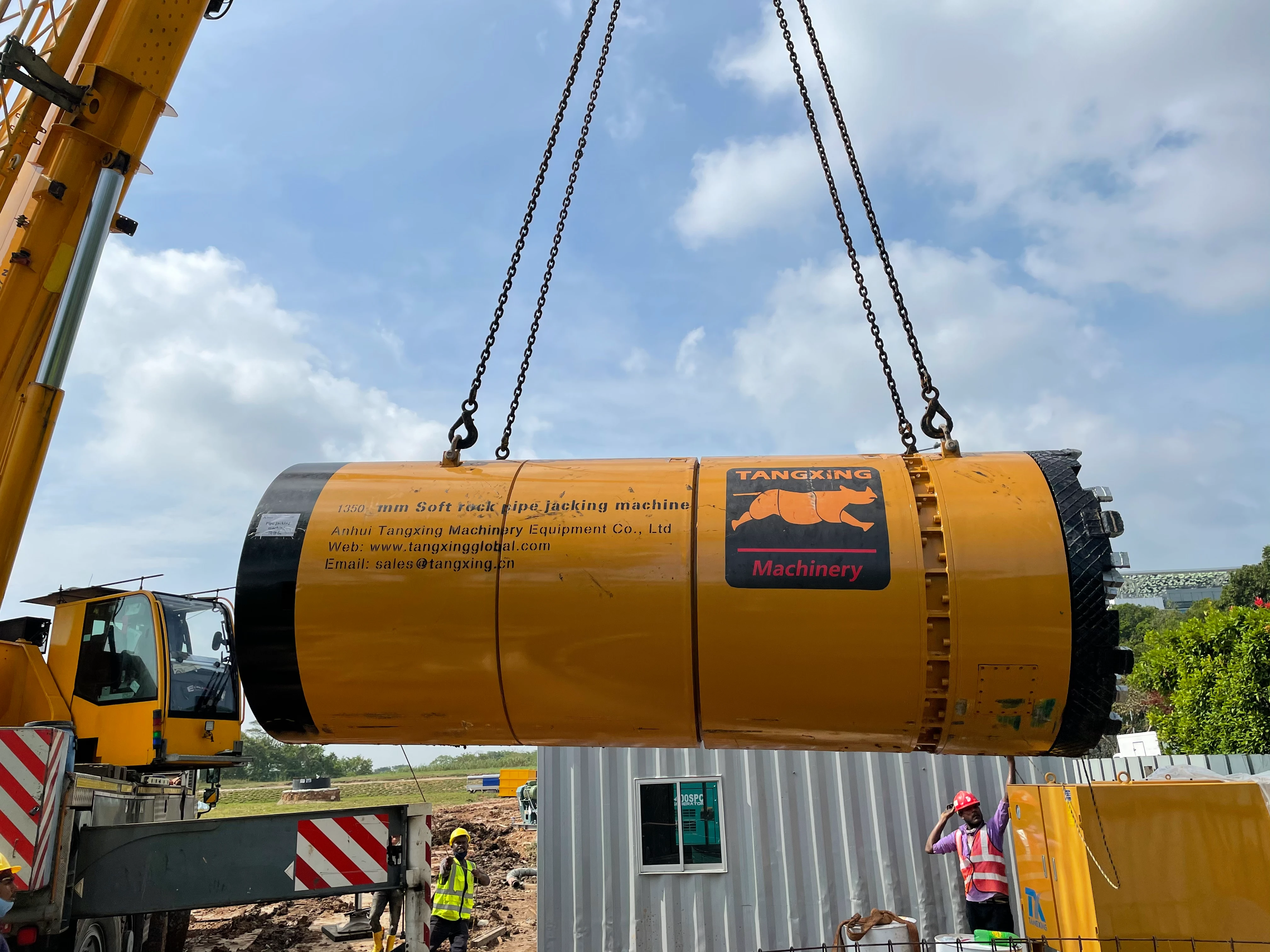
Monitoring and Maintenance Best Practices
You can keep your tunnel boring machine safe with simple checks. Regular checks help you find problems early. Here are some easy ways to watch hydraulic temperature and system health:
-
Check the heat exchanger often. Make sure nothing blocks it so it can cool the fluid.
-
Use an infrared thermometer to check fluid temperature before and after the heat exchanger.
-
Turn off the hydraulic system right away if you see overheating. Find out why before you start it again.
-
Make sure the cooling system can handle the heat. The system should always cool the fluid enough.
-
Check the fluid level in the reservoir. Make sure air can move around it.
-
Test the fluid for dirt or other stuff. Clean fluid helps stop extra heat and damage.
-
Watch the system pressure while you work. Sudden spikes can mean something is wrong.
Tip: Act fast to stop bigger problems. TBM tunnel overload spikes can overheat hydraulics, so pay attention during hard drives.
CEGC Solutions for TBM Hydraulics
CEGC’s tunnel machines help you manage hydraulic overheating. CEGC gives you features that make repairs and checks easier. Modular layouts let you reach important parts fast. Custom options help you match the machine to your job. The table below shows some features you can pick:
|
Feature |
Description |
|---|---|
|
Advanced thrust control |
Protects TBM machine margin and helps it work better. |
|
Predictive models |
Finds overheating risks early so you can fix them fast. |
|
Hydraulic control options |
Lets you choose the best setup for your job. |
|
Closed-mode face support |
Keeps tunneling safe and steady. |
|
Soil conditioning |
Makes breaking rock smoother and easier. |
|
Custom thrust control settings |
Changes for soft soil or hard rock. |
You get a tunnel boring machine or microtunnelling machine that fits your needs. These features help you stop downtime and keep your team safe, even when TBM tunnel overload spikes can overheat hydraulics.
You can lower the chance of hydraulic overheating with good checks and care. CEGC’s tunnel boring machines have smart thrust control and safety tools. These features help you stay safe and work well. Pick CEGC for strong performance and custom options for your next tunneling job.
FAQ
What should you do if your TBM machine’s hydraulics overheat?
Turn off the machine right away. Look at the cooling system and check the fluid levels. Clean the filters or put in new ones. Call CEGC support if the problem does not go away.
How can you prevent overload spikes in tunnel boring machines?
-
Watch the ground conditions very closely.
-
Use CEGC’s face pressure control system.
-
Take good care of the cutterhead and hydraulic system.
Why does CEGC recommend closed-mode face support?
Closed-mode face support keeps the pressure steady. This makes tunneling safer and lowers the chance of overload spikes. It also helps protect your hydraulic system.


