
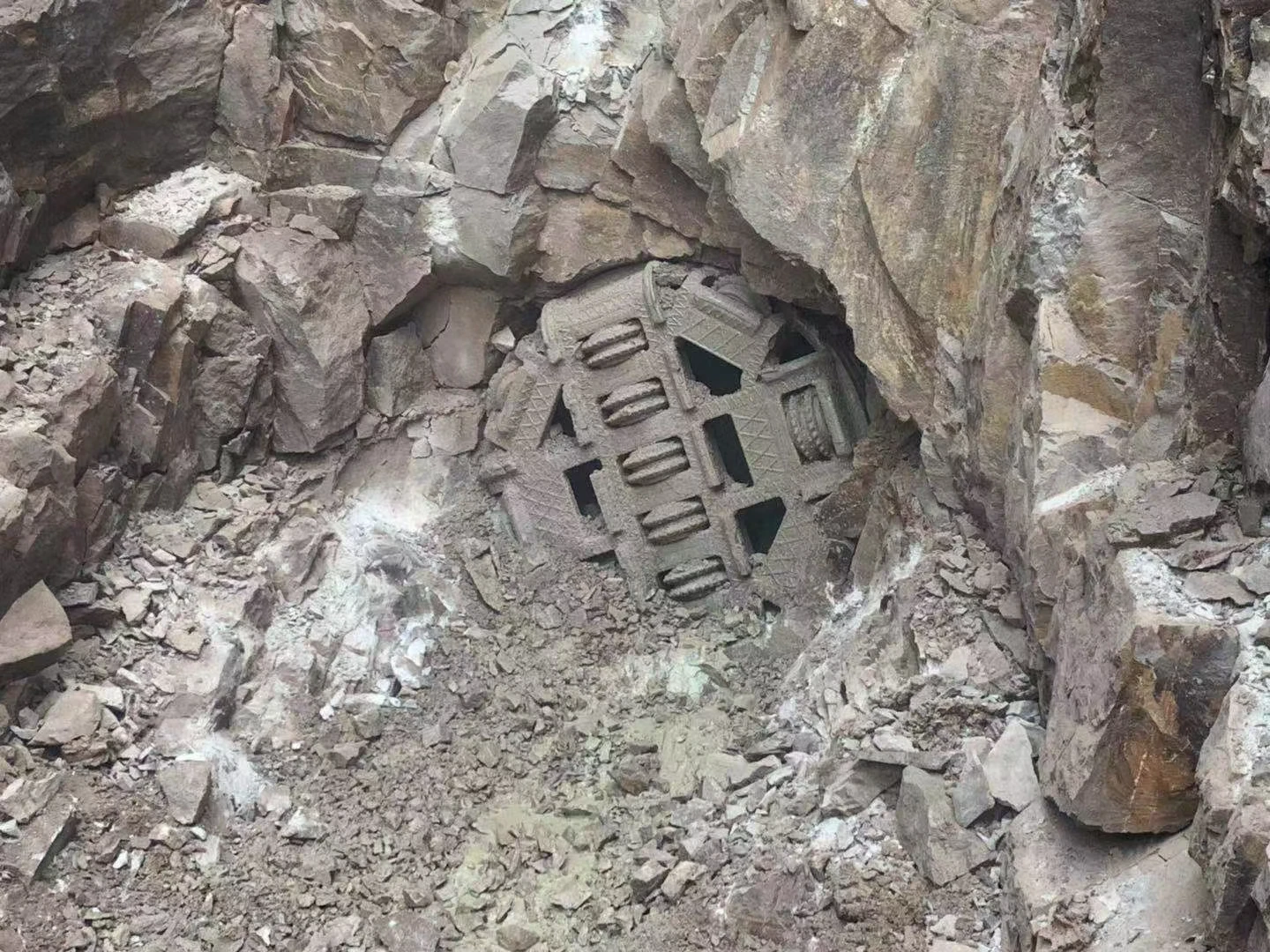
Wrong overload settings can stall a TBM machine, leading to project delays and increased costs. CEGC offers tunnel boring machines and microtunnelling machines equipped with smart control systems. By ensuring that thrust and torque are set correctly, especially in challenging ground conditions, you can protect your investment and minimize risk.
Key Takeaways
-
Make sure thrust and torque settings are even. This stops the TBM from stalling. It keeps your machine safe and avoids project delays.
-
Use real-time monitoring tools to change overload settings fast. This lets you find problems early. It helps the tunnel boring machine work well.
-
Teach your team how to check alignment and control thrust. This lowers mistakes and keeps the project moving forward.
Wrong overload settings can stall a TBM machine
Thrust and Torque Imbalance in Tunnel Boring Machine
You need to understand how wrong overload settings can stall a TBM machine. When you set thrust or torque too high or too low, the tunnel boring machine cannot move smoothly. The machine may jam or even stop working. This leads to lost time and higher costs. In recent urban tunneling projects, delays often happen because of these problems. For example:
-
North American megaprojects in 2023 saw an average delay of 16% from their planned schedule.
-
A CAD 1 billion transit corridor faced an extra four months of work and USD 18 million in extra costs.
You must keep thrust and torque balanced. Friction control helps the tunnel boring machine stay on the right path. If you push too hard on tight curves, the machine faces more stress. Hydraulic joints help spread out these forces and stop leaks. When the ground changes from clay to gravel, friction can rise fast. This makes the machine drift off course.
Sensors measure thrust and torque all the time. These sensors show you if the machine is working well or if there is a problem. Real-time control systems let you adjust settings quickly. You can spot trouble early and fix it before the machine stalls.
CEGC gives you advanced solutions for overload protection and thrust control. Here is a table showing some key features:
|
Feature |
Description |
|---|---|
|
Advanced Guidance System |
Uses lasers and computers to keep the tunnel on track. |
|
Remote Operation Capabilities |
Lets you control the machine from a safe distance. |
|
Hydraulic Overload Protection |
Stops the system from getting too much pressure. |
|
Mechanical Seals |
Blocks water from getting into the tunnel. |
You also get twin pressure balancing pipes and relief valves. These parts keep pressure steady and warn you if something goes wrong.
Stalling Risks in Mixed Ground Conditions
Wrong overload settings can stall a TBM machine, especially in mixed ground. You face many risks when the soil changes from soft to hard or wet to dry. The cutterhead may wear out quickly on hard rock. If you do not check and fix it, the machine can stop. You must also watch the muck removal system. If it gets blocked, the tunnel boring machine cannot move forward. This puts extra load on the drive unit and can make the machine stall.
Mixed ground can stall a TBM machine without fast tuning. The machine faces many mechanical and operational problems. The cutterhead breaks the ground but can wear out fast on hard rock or rough soil. If you do not check and fix the cutterhead, it might stop working. You also need to watch muck removal. If the spoil removal system gets blocked, the machine cannot move forward. Blockages make it harder to push the tunnel boring machine. This can overload the drive unit and make the machine stall.
You need to tune overload settings quickly in mixed ground. Real-time monitoring helps you spot problems before the machine stops. You should train your team to adjust face pressure based on the ground data. Use information from boreholes and piezometers to guide your choices. Set clear rules for changing machine settings. Adapt your plan as the ground changes to keep the project on track.
Wrong overload settings can stall a TBM machine by causing ground settlement, face instability, or water ingress. In urban projects, even small ground movement can lead to claims and work stoppages. CEGC’s closed-mode face support design helps you keep the tunnel face stable. Soil conditioning and muck transport systems let you control spoil removal and face pressure. Sealing and pressure retention features block leaks and keep the tunnel safe.
You can avoid costly delays and risks by using the right overload settings. CEGC’s tunnel boring machine and microtunnelling machine solutions give you the tools to monitor, adjust, and protect your project.
Alignment and Micro Tunneling Thrust Control
Alignment Deviation and TBM Performance
It is important to watch alignment when using a tunnel boring machine. If overload settings are wrong, the machine can move away from the planned tunnel path. This movement can cause mistakes and extra digging. Not checking alignment can mean you have to redo work or the project could fail. You should check alignment at every step. Small mistakes in alignment can turn into big problems over long distances. Sensors and guidance systems help keep the tunnel boring machine on the right path.
CEGC’s guidance system uses laser and gyro sensors. These tools let you see the alignment in real time. You can notice if the machine starts to leave the planned path. When you find a problem, you can change the overload settings to fix it. This helps keep the tunnel within project rules. You also need to watch for overcut. Overcut happens when the machine digs too much ground. This can hurt pipes or wires nearby or make the ground sink. Good alignment control helps stop these problems.
Micro Tunneling Thrust Control Best Practices
Micro tunneling thrust control helps keep the tunnel boring machine on the right line and level. You must set thrust control to match the ground type. In cities, there are strict rules for tunnel paths. Even a small change in alignment can cause complaints or stop work. Micro tunneling thrust control helps the tunnel boring machine move smoothly. Real-time checks let you change thrust pressure as the ground changes. This keeps the tunnel path steady.
CEGC’s pressure control systems use new technology. Laser and gyro sensors help keep the tunnel boring machine at the right depth and direction. You can quickly change thrust pressure. This makes micro tunneling thrust control more accurate. You must teach your team how to use these systems. Good training helps find alignment problems early. You can fix them before they cost more money. Thrust control is important for keeping tbm alignment right. Using the best thrust control systems keeps the tunnel on track and protects your project.
Tip: Always check alignment data before and after each shift. This habit helps you find small mistakes and keep the tunnel boring machine on the planned path.
Preventing and Correcting Overload Setting Issues
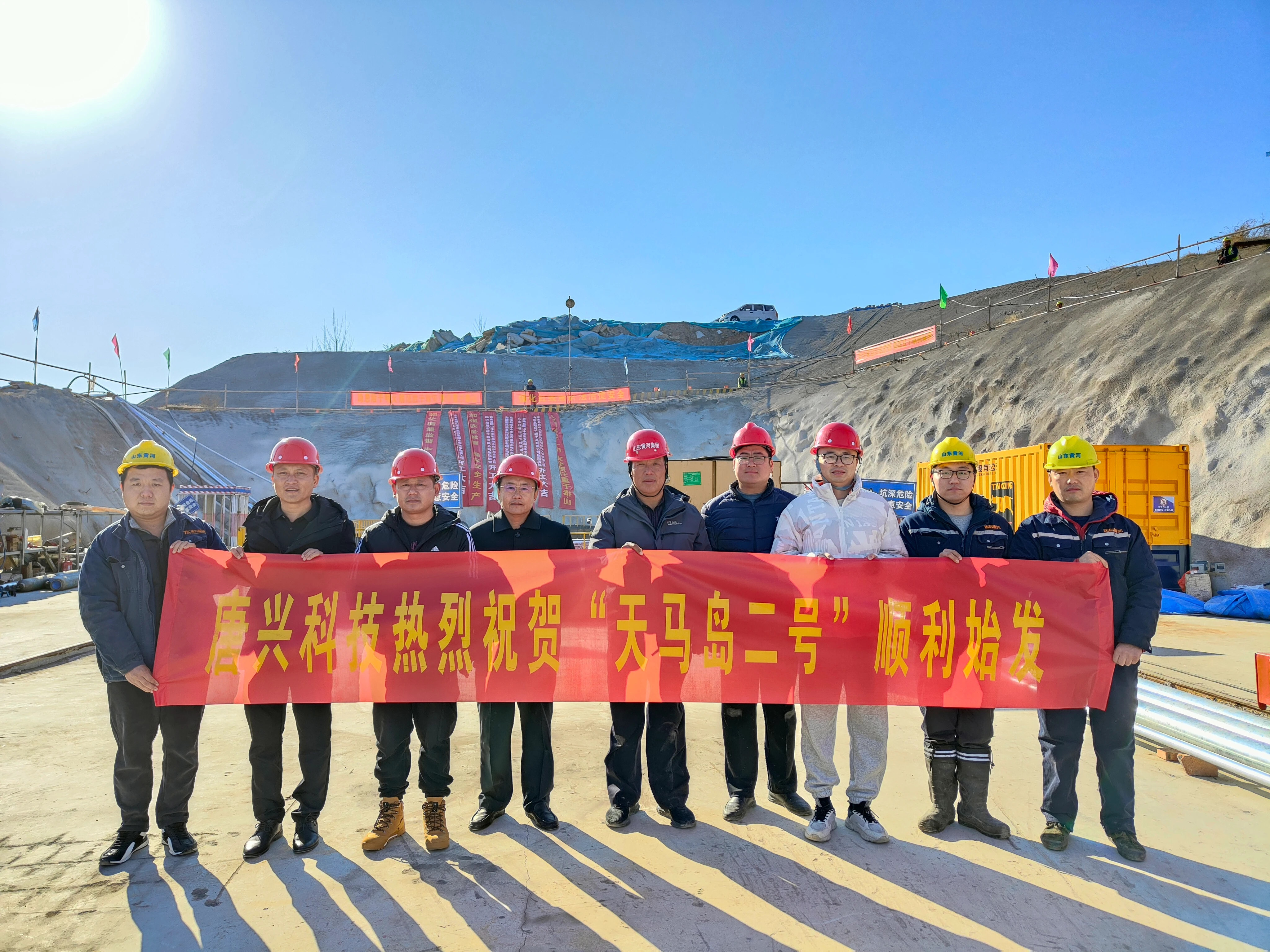
Calibration and Monitoring Steps
You must set up your tunnel machine before each project. First, check all sensors and control panels. Make sure every sensor shows the right numbers. Use real-time monitoring to watch thrust, torque, and pressure. This helps you find problems early. Make a plan for regular checks. Review control settings at the start and end of each shift. If the ground changes, adjust settings quickly. Real-time monitoring helps you react fast and keeps the tunnel boring machine working well. Always write down your changes and results. These notes help you get better control and keep excavation efficient.
Tip: Use real-time monitoring tools to compare today’s data with old data. This helps you see patterns and make smarter changes.
Maintenance and Troubleshooting for TBM Machines
You need a good maintenance plan to keep your TBM machine working. CEGC gives after-sales service and local spare parts. This means you get help fast and spend less time waiting. The modular design of CEGC’s tunnel boring machine makes fixing easier. You can change parts quickly and start working again. Real-time monitoring and adaptive control help you manage overload settings. Better torque control stops sudden breakdowns and keeps your project going. Custom control systems fit your site and boost excavation efficiency. Regular checks and real-time monitoring keep your tunnel machine running well.
-
CEGC gives fast help with local spare parts.
-
Adaptive control and real-time monitoring make machines more reliable.
-
Better torque control means fewer breakdowns and less downtime.
You can see that overload settings affect if a TBM stalls. CEGC’s tunnel boring machine solutions help thrust and performance. The guidance system keeps the tunnel on the right path. Real projects show advance rates went up by almost 19.25%. You should check and change overload settings for project success.
|
Aspect |
Result |
|---|---|
|
Advance Rate Improvement (Geo-grades II) |
19.25% |
|
Advance Rate Improvement (Geo-grades III) |
17.98% |
|
Specific Energy Reduction (Geo-grades IV) |
5.39% |
|
Specific Energy Reduction (Geo-grades V) |
7.43% |
|
Prediction Accuracy (R²) |
> 0.95 |
FAQ
What do laser guidance and gyro sensors do in a tunnel boring machine?
Laser guidance and gyro sensors help keep the tunnel machine on track. These tools show if the machine is going the right way. They help you fix mistakes fast and keep the tunnel straight.
How do advanced laser and gyro guidance systems improve excavation accuracy?
Advanced laser and gyro guidance systems make digging more exact. They check the tunnel’s direction all the time. This helps you dig in the right place and avoid errors.
Why is excavation control important for TBM projects?
Excavation control stops mistakes and saves time. Good control keeps workers safe and helps finish the job faster.
-
excavation
-
excavation
-
excavation
-
excavation
-
excavation
-
excavation
-
excavation
-
excavation
-
excavation
-
excavation
-
excavation
-
excavation
-
excavation
-
excavation
-
excavation
-
excavation
-
excavation
-
excavation
-
excavation
-
excavation
-
excavation
-
excavation
-
excavation
-
excavation
-
excavation
-
excavation
-
excavation
-
excavation
-
excavation
-
excavation
-
excavation
-
excavation
-
excavation
-
excavation
-
excavation
-
excavation
-
excavation
-
excavation
-
excavation
-
excavation
-
excavation
-
excavation
-
excavation
-
excavation
-
excavation
-
excavation
-
excavation
-
excavation
-
excavation
-
excavation
-
excavation
-
excavation
-
excavation
-
excavation
-
excavation
-
excavation
-
excavation
-
excavation
-
excavation
-
excavation
-
excavation
-
excavation
-
excavation
-
excavation
-
excavation
-
excavation
-
excavation
-
excavation
-
excavation
-
excavation
-
excavation
-
excavation
-
excavation
-
excavation
-
excavation
-
excavation
-
excavation
-
excavation
-
excavation
-
excavation
-
excavation
-
excavation
-
excavation
-
excavation
-
excavation
-
excavation
-
excavation
-
excavation
-
excavation
-
excavation
-
excavation
-
excavation
-
excavation
-
excavation
-
excavation
-
excavation
-
excavation
-
excavation
-
excavation
-
excavation
-
excavation


