
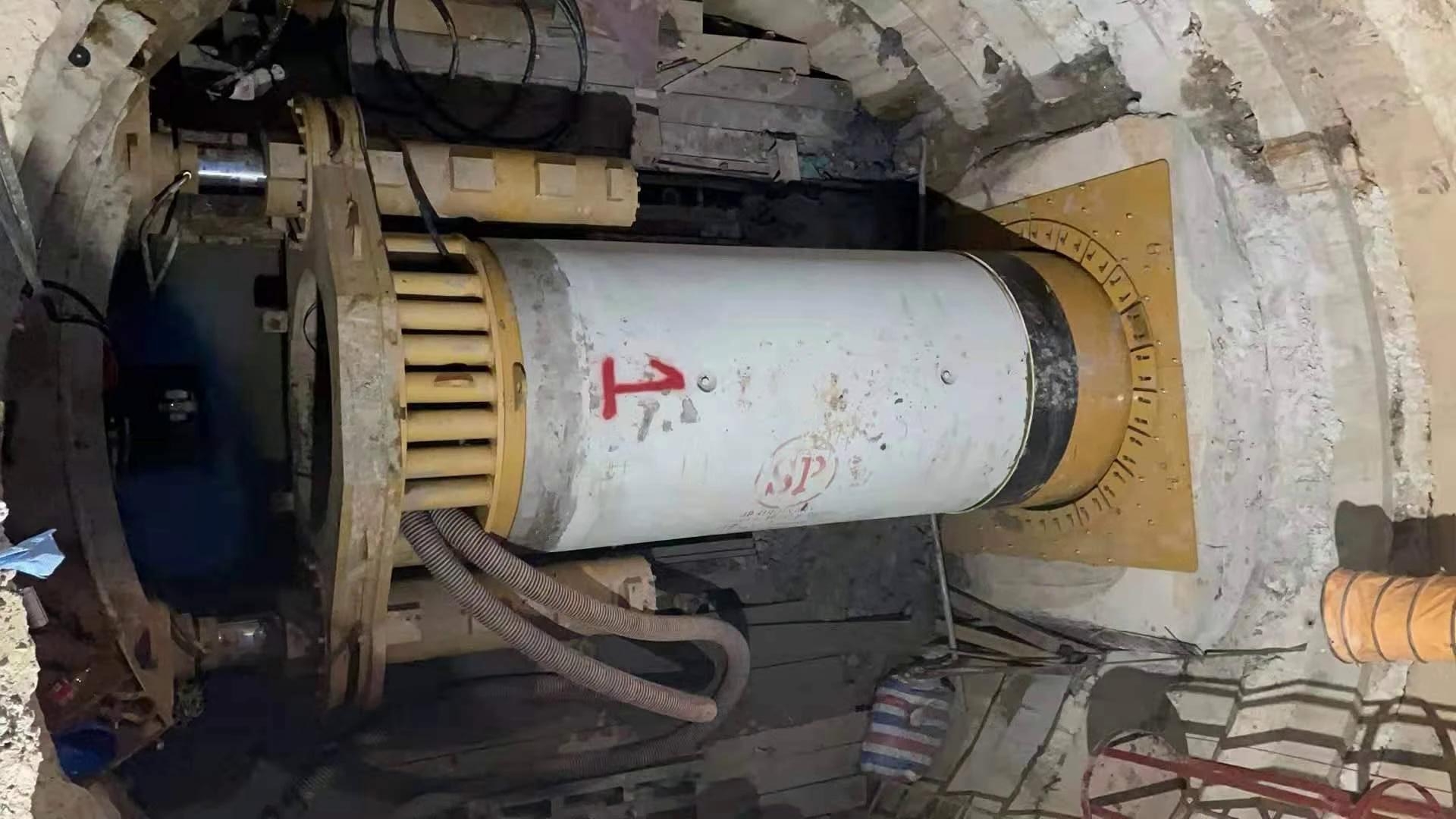
You face tough challenges in tunnel construction. With micro tunneling overload planning, you can lower downtime risk and keep your projects moving forward. CEGC provides advanced tunnel machines designed to tackle issues like changing ground conditions, maintaining tunnel face stability, and avoiding underground utilities. Here’s how these challenges impact your operations:
|
Challenge Type |
Description |
|---|---|
|
Downtime Management |
Machines often operate only a few hours each day due to repairs and maintenance, but micro tunneling overload planning lowers downtime risk. |
|
Ground Condition Variability |
Shifting rocks and soil can cause delays, requiring crews to adapt quickly. CEGC tunnel machines are engineered to handle these changes efficiently. |
|
Utilities and Underground Obstacles |
Equipment damage and work stoppages can occur if pipe and wire maps are inaccurate. CEGC’s technology helps minimize these risks and keeps your project on track. |
Key Takeaways
-
Micro tunneling overload planning finds risks early. This helps you fix problems before they slow down work. Using new technology, like face pressure control systems, can keep the tunnel safe. It also helps stop work from being delayed for a long time. Doing regular maintenance and training the crew is very important. This keeps machines working well and stops expensive problems.
micro tunneling overload planning lowers downtime risk
identifying overload risks
It is important to know the main risks that cause downtime in micro tunneling projects. Micro tunneling overload planning helps you find these risks early. When you spot problems soon, you can fix them before they get worse.
Here are the main overload risks you should look for:
-
Ground settlement can hurt roads and buildings above the tunnel.
-
Face instability can make the tunnel face collapse suddenly.
-
Cutterhead wear slows work and makes repairs take longer.
-
Alignment issues can stop work and force you to fix the tunnel path.
If you do not pay attention to these risks, your project can have long delays and cost more money. Micro tunneling overload planning helps you handle each risk with the right tools and plans.
technical solutions for downtime
You can use different technical solutions to keep your project moving and lower downtime. Micro tunneling overload planning matches the best technology to each problem. The table below lists some good solutions for ground settlement and face instability:
|
Technical Solution |
Description |
|---|---|
|
Face pressure control systems |
Stops soil from falling at the tunnel face and keeps it stable. |
|
Ground protection systems |
Blocks water and soil from entering the tunnel, lowering the chance of problems. |
|
Soil conditioning |
Changes the soil so it is easier to cut and move, making tunneling faster. |
|
Keeps pressure at the tunnel face and stops soil and water from getting in. |
|
|
Full and proper face control |
Keeps the tunnel stable when pushing the shield, so less ground is lost. |
|
Rapid installation of ground support |
Gives quick support to the ground, so settlement is less likely. |
|
Pea gravelling or contact grouting |
Makes ground support better and keeps the tunnel area steady. |
CEGC’s tunnel boring machine and microtunnelling machine models use closed-mode face support and advanced soil conditioning. These features let you change face pressure as you work, which keeps the tunnel safe and steady. You can deal with weak ground and stop the ground above from sinking. This means you spend less time fixing things and more time working. Special foaming agents help control ground pressure, so you do not have to stop suddenly and your team stays safe.
You also need to think about how the machine is built. Market-standard features help you avoid downtime. The table below shows how these features help your project:
|
Specification |
Benefit |
|---|---|
|
Robust cutting head |
Works in many types of soil, so you do not have to stop to change tools. |
|
Advanced guidance system |
Keeps the tunnel straight, so you make fewer mistakes and avoid delays. |
|
Remote operation capabilities |
Makes work safer and lets you watch the machine all the time, so you get more done and have less downtime. |
|
Modular design of cutting tools |
Lets you switch tools fast for different ground, so you keep working at a steady pace. |
|
Compact size |
Helps you move through tricky underground spaces, so you do not get delayed in cities. |
Customizing your machine for your project is also important. When your tunnel machine fits your job, it works better and breaks down less. Custom machines make tunnels that last and cost less to fix. Good performance helps you finish your project and avoid problems or work stoppages. If you use predictive maintenance, you can cut downtime by up to 30 percent. You also avoid using too much power, which keeps the cutter from wearing out and helps your machine last longer.
Micro tunneling overload planning lowers downtime risk by using anti-jam planning, torque tuning, and preventive maintenance. You can use simulation tools to test your plan before you start digging. This helps you find weak spots and fix them early. When you do these things, you keep your project on track and avoid expensive delays.
practical steps and case examples
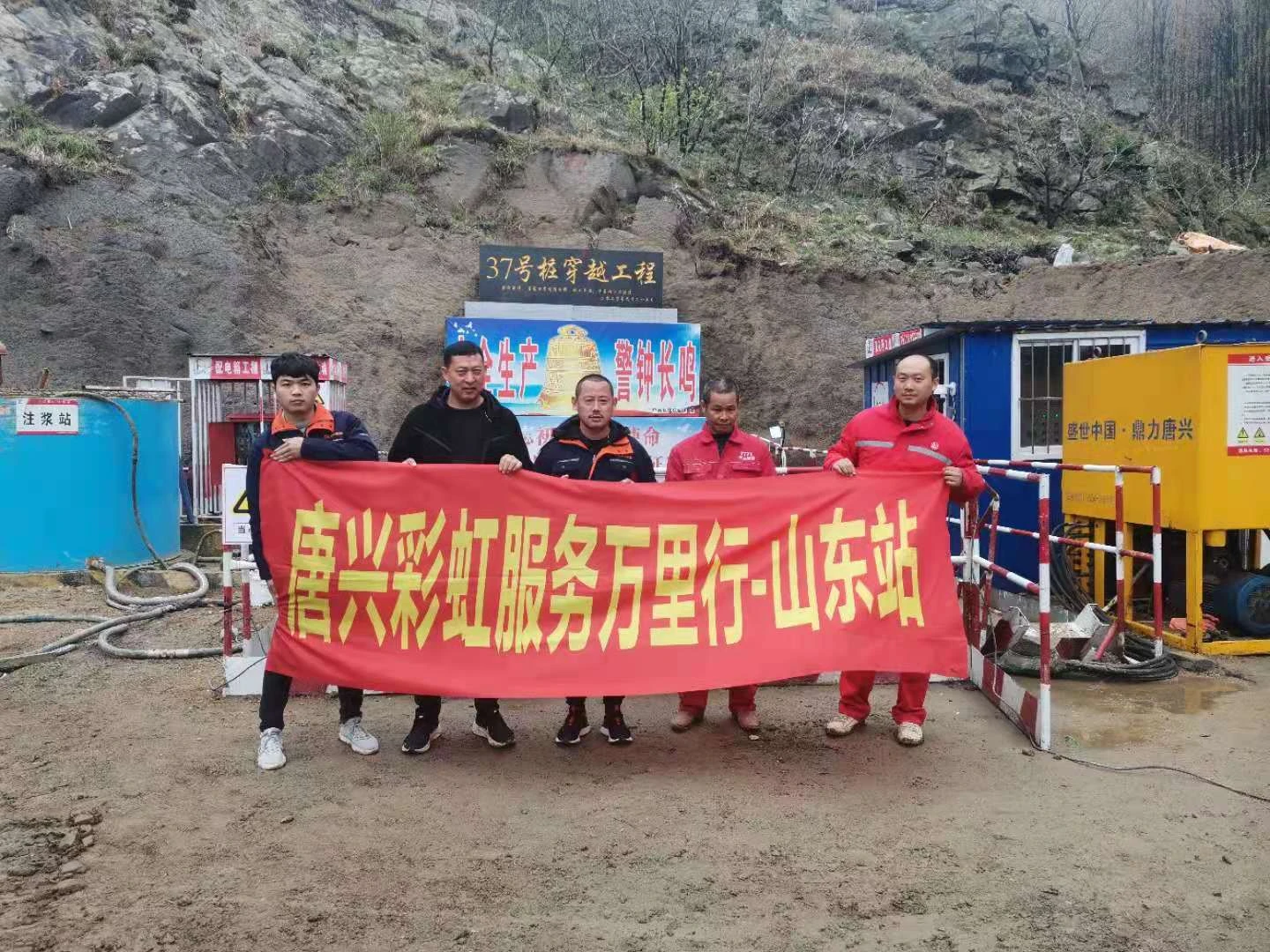
risk assessment and monitoring
You can make micro tunneling projects safer by following simple steps. First, do a geotechnical survey to learn about the ground. Use sensors to watch for settlement and check tunneling conditions. Real-time monitoring helps you find problems early and fix them fast. Check the tunnel’s alignment often and change it if needed. Get updates about ground movement, water pressure, and cracks in buildings to stop problems before they get worse.
Tip: Real-time monitoring helps you act quickly and keep your project safe.
Action Steps:
-
Get the site ready and do a geotechnical survey.
-
Watch the tunnel’s alignment and change it right away if needed.
-
Use sensors and data to check for settlement and tunneling problems.
Simulation technology helps you plan how to drill better. It shows how the tunnel boring machine will work in different ground. This way, you can save money and have fewer delays.
maintenance and crew training
Doing regular maintenance keeps your microtunnelling machine working well. Plan inspections when work is slow to avoid stopping the project. Preventative maintenance stops big problems before they happen. Crew training is very important. Teach your team to watch torque levels and change settings. Use GPS and lasers to guide the tunnel in the right direction. Work with CEGC to make your tunnel machine fit your project.
|
Benefit |
Description |
|---|---|
|
Fixing problems early keeps tunnels working longer. |
|
|
Reduce Downtime and Disruption |
Doing maintenance when it is not busy means less traffic trouble in city tunnels. |
A modular design makes fixing things faster. You can move parts easily and add new tools quickly. This saves time and space and helps your project finish on time.
You can cut downtime risk by using overload planning and CEGC’s tunnel machines. Watch important signs like torque and how fast the machine moves. This helps you see if your plan works. Use smart ways to save money. Try these steps for good planning:
|
Recommendation |
Description |
|---|---|
|
Check heat so the gearbox does not get too hot. |
|
|
Ensure Proper Lubrication |
Pick the right oil to make things run well. |
|
Select the Right Gearbox |
Choose a gearbox that fits your project. |
|
Conduct Regular Maintenance |
Find problems early so your equipment lasts longer. |
FAQ
What causes gearbox overheating in tunnel machines?
Gearbox overheating can happen from heavy work, bad oil, or blocked air. Check for dirt, broken parts, or wrong oil to stop problems.
How do you prevent gearbox overheating during micro tunneling?
Use the right oil and clean vents to keep the gearbox cool. Look for leaks and check the temperature often. Change old seals and gears fast.
What should you do if you notice persistent gearbox overheating?
Stop the machine right away if it keeps overheating. Check the oil and cooling fans. Call a technician if you cannot fix it. Do not ignore warning signs.


