
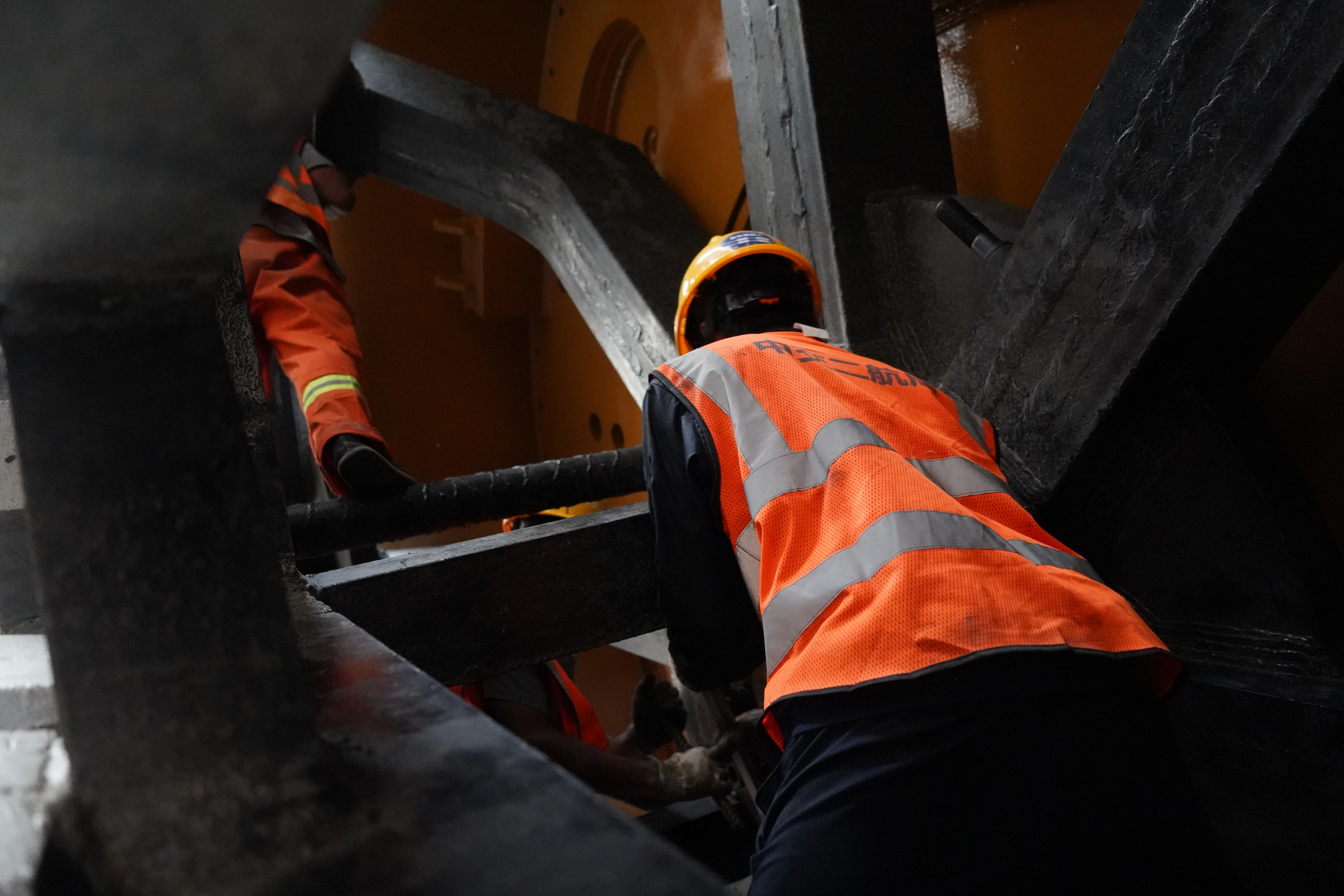
Excessive thrust oscillation in a TBM machine can lead to increased tunnel settlement and poor ring build quality. Thrust balance improves ring build quality on TBM machine projects by maintaining low settlement and ensuring precise ring construction. With proper thrust balance, you gain better control over torque and keep forward thrust steady, which is essential for accurate segment installation. CEGC provides expert guidance for pipe-jacking and TBM work, helping you achieve optimal results.
|
Operational Challenge |
Description |
|---|---|
|
Thrust Balance and Propulsion |
Thrust balance improves ring build quality on TBM machine projects by generating high torque while keeping forward thrust steady with hydraulic jacks. |
|
Real-Time Geotechnical Balancing |
Using advanced systems to maintain thrust balance and prevent ground settlement, which is especially important in urban environments. |
|
Automated Segmental Lining |
Achieving precise segment installation with thrust balance ensures rapid stability and effective water tightness. |
Key Takeaways
-
Keep thrust steady in TBM work to stop tunnel settlement and keep people safe. - Use smart monitoring tools and AI to watch thrust balance and change it fast if needed. - Check and adjust your equipment often to make it work better and lower risks when tunneling.
Thrust Oscillation and Tunnel Settlement
Instability in Tunnel Machine Operations
You must keep thrust steady when using a tunnel boring machine. If thrust changes a lot, the machine can become unstable. This makes it hard to control where the machine goes. The machine might shake or move in strange ways. These movements can hurt the tunnel lining and make it unsafe.
You can measure thrust changes with the variation factor. In composite ground, thrust factor and tunneling specific energy change a lot. The variation factor can be from 1.29 to 3.64. This means the machine faces more stress in mixed ground than in single ground. If you do not control these changes, the machine will not run smoothly.
There are ways to lower thrust oscillation. You can use a non-resonance method to stop shaking. You can also control the pressure in the hydraulic cylinders. These steps help keep the machine steady and safe.
Tip: Always check your machine’s thrust numbers. If you see big changes, fix your controls right away.
Ground Movement and Deformation
When thrust goes up and down, the ground around the machine can move. These movements can make the tunnel settle or sink. You might see cracks or gaps in the tunnel lining. This happens because the ground cannot hold the tunnel well when thrust changes too much.
The earth pressure balance tunnel boring machine helps control ground movement. It uses balanced pressure to keep the tunnel face steady. If you do not keep the pressure even, groundwater can move up and down. These changes can make the ground soft or weak. The soil type and how you set your machine also change how much the ground moves.
-
Groundwater can move because of hydraulic and mechanical effects during tunneling.
-
The size of these movements depends on the soil and your machine’s settings, like earth pressures and how fast you push forward.
-
These groundwater changes matter because they can cause more tunnel settlement.
You can follow CEGC’s best tips to keep thrust steady. Check your machine’s settings often and change them if you see problems. This helps your machine work well and keeps the tunnel safe.
Thrust Balance Improves Ring Build Quality on TBM Machine
Segment Alignment and Structural Integrity
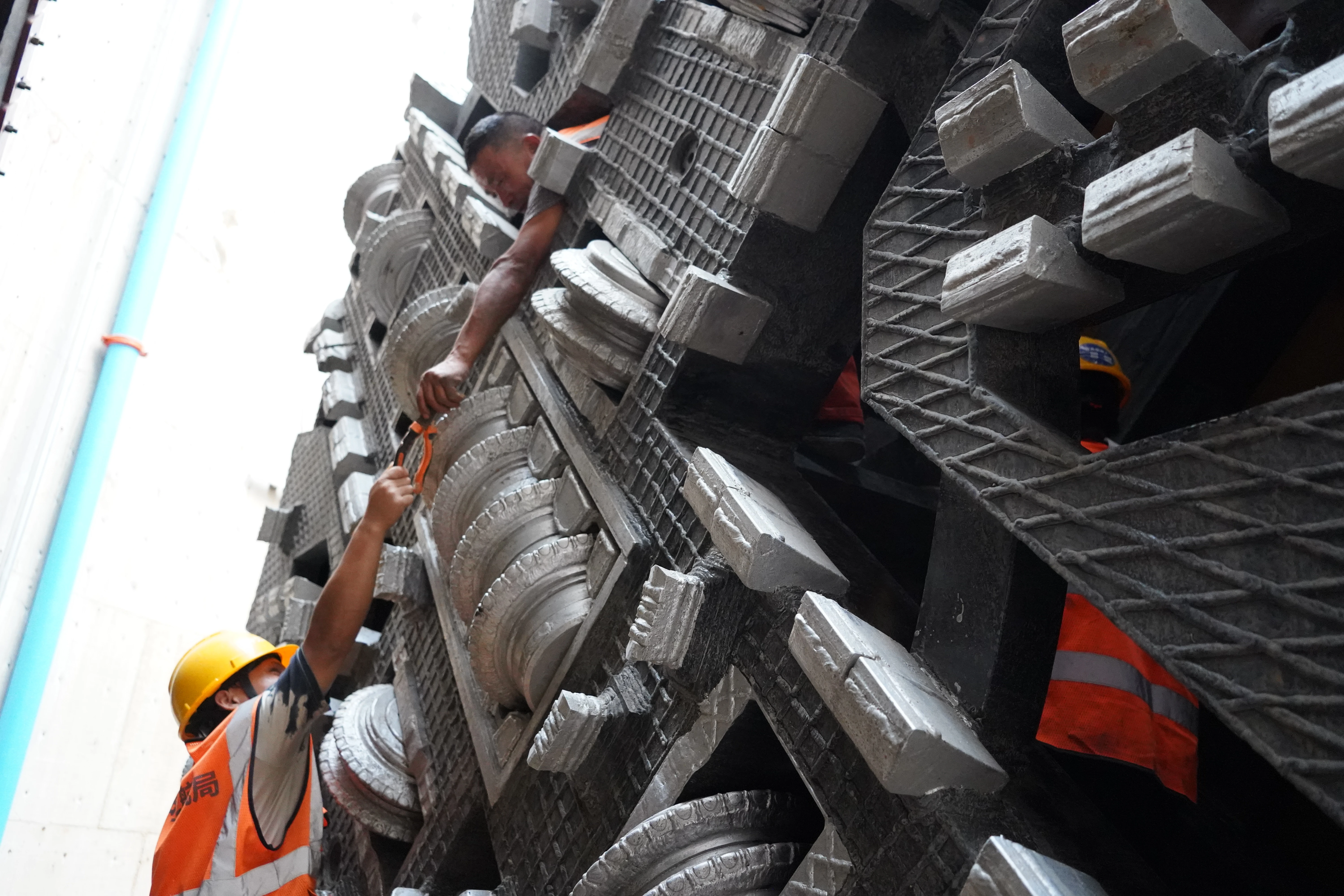
It is important to keep thrust steady when building a tunnel with a tunnel boring machine. Thrust balance helps make sure each segment lines up the right way. If thrust is not balanced, segments can move or break. This can happen if the shield touches the segment lining while digging. When this happens, extra force can hurt the tunnel.
You need to pick the right ring type for your tunnel. The correct lead ring keeps segments in place. You also need to leave enough space between the tail shield and the tunnel lining. If you do not leave this space, cracks and weak spots can form.
-
Pick the right ring type to line up segments.
-
Leave space between the tail shield and tunnel lining to stop cracks.
-
Do not let the segment lining touch the shield to avoid damage.
Thrust balance helps protect the tunnel from these problems. When you control thrust and keep balance, the tunnel stays strong and safe.
Minimizing Gaps and Ensuring Fit
Each segment should fit tightly in the tunnel. Thrust balance helps stop gaps from forming between segments. If thrust stays steady, you can put in segments with less movement. This helps keep the tunnel watertight and stable.
You need to use the thrust system the right way. Motors and hydraulic jacks help you control force and keep balance. The earth pressure balance tunnel boring machine lets you change pressure in the digging area. You can match earth and water pressure to keep the tunnel face steady.
Here is a table that shows the main challenges and ways to keep thrust balance:
|
Challenge/Methodology |
Description |
|---|---|
|
Pressure Control |
Keep pressure steady in the digging area to balance earth and water pressure. |
|
Cutterhead Torque and Thrust Force |
Manage the torque and thrust from the cutterhead while digging. |
|
Geological Adaptation |
Change how you work for different ground types to keep the tunnel stable and stop sinking. |
Thrust balance helps you handle these challenges. You can follow CEGC’s advice for the best TBM machine results. Check your thrust system often and change settings if needed. This keeps the tunnel safe and makes sure every segment fits well.
Tip: Always watch your thrust numbers and how segments line up. If you see gaps or cracks, fix your thrust system right away.
Achieving Thrust Balance in TBM Operations
Monitoring and Control Strategies
You can keep thrust balance by using new monitoring tools. Smart control systems help you watch the machine and change settings fast. Some systems use AI to study the ground and machine data right away. These systems help you guess how the machine will work and make things safer. Sensors check ground movement and what the machine is doing. You can see cabin pressure as it happens and change controls if needed. These tools help stop machine problems and keep things running well.
Tip: Always look at your machine’s data while digging. Acting fast keeps your tunnel safe and helps the machine work better.
Here is a table with new ways to watch thrust balance:
|
Advancement Type |
Description |
|---|---|
|
Automation Systems |
Make work safer and faster by watching the machine and changing settings on their own. |
|
AI-driven Guidance Systems |
Use smart computers to pick the best digging settings and guess how the machine will do. |
|
Quality Control Systems |
Watch digging settings to help you decide what to do and guess how things will go later. |
Operator Practices and Equipment Calibration
You are important for keeping thrust balance. You need to check cutterhead torque and thrust force for each ground type. This helps you pick the best tunnel boring machine for your job. You should check torque and thrust numbers often. Doing this makes the machine work better and helps you guess how it will do. Calibrating your tools makes sure force numbers are right and lowers risk. If you know how things wear out, you can plan repairs and save money. CEGC says to check and calibrate your tools often for all pipe-jacking and TBM jobs.
Note: Checking and calibrating your tools often helps you get the best results and keeps your tunnel safe.
You can stop the tunnel from sinking by keeping thrust balanced in your TBM tunnel boring machine. When you use the EPB TBM method, steady pressure helps stop the ground from moving and keeps the tunnel safe.
|
Key Factors Influencing Tunnel Stability |
Description |
|---|---|
|
Pressure Control |
Makes earth and water pressure even. |
|
Segmental Lining |
Holds up the tunnel’s shape. |
Use CEGC’s best tips and check your tunnel machine often to make it work its best.
FAQ
How do you monitor tunnel alignment during a TBM drive?
You use special guidance systems and sensors right away. These tools help you make sure the tunnel stays on track.
What tests do you need after a pipe-jacking installation?
You do CCTV checks and test the water pressure. These tests show if the tunnel is safe and built well.
How does CEGC support Microtunnelling Machine launch and breakthrough?
You get help from CEGC experts and people at the site. Their advice helps you work safely and finish the tunnel the right way.


