
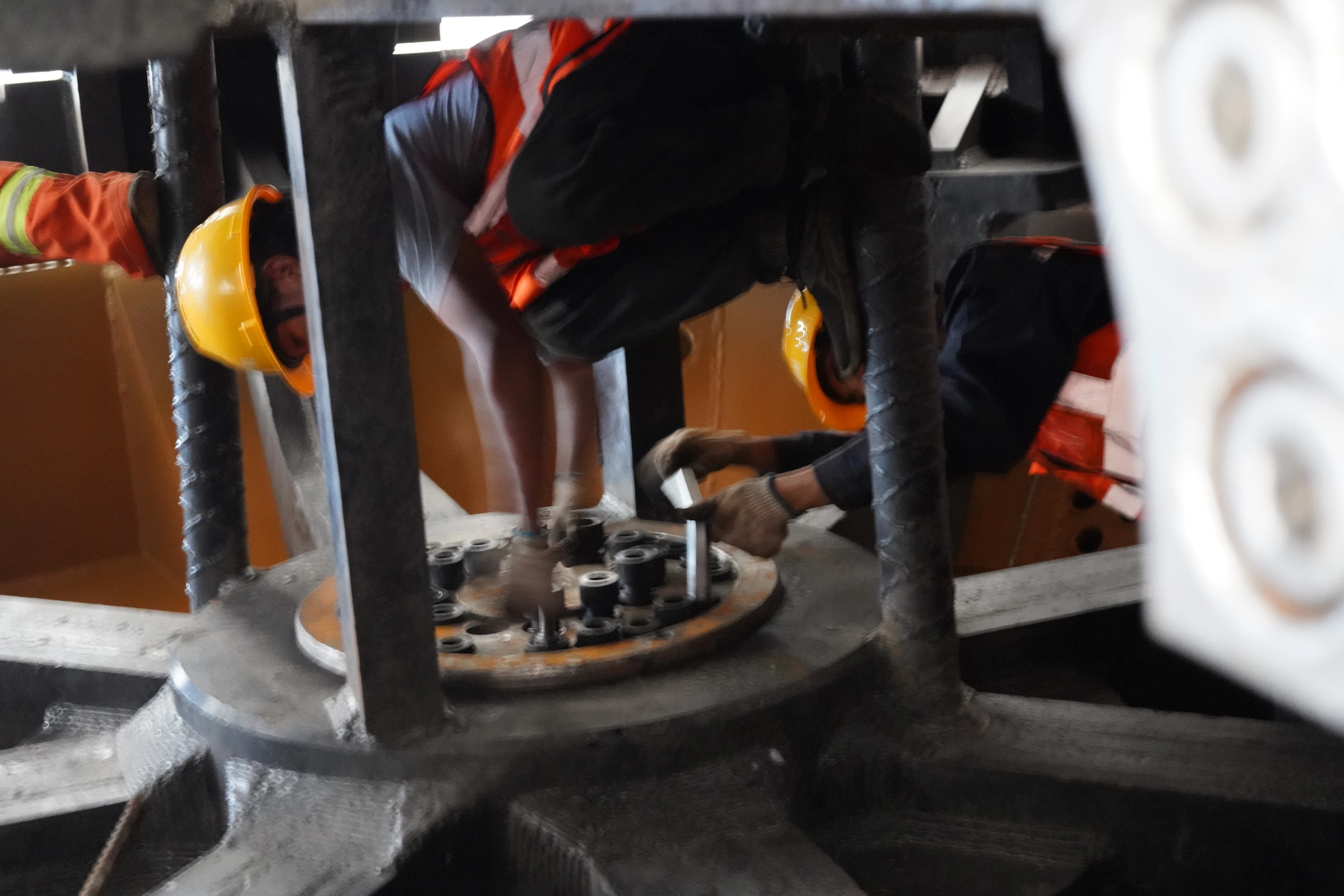
You face hard problems when mixed face zones mess up your tunnel boring machine. Balanced thrust helps a tbm machine survive mixed face zones by keeping your tunnel machine steady, even if the ground changes quickly. Balanced thrust helps a tbm machine survive mixed face zones by stopping work delays and keeping your equipment safe. Balanced thrust helps a tbm machine survive mixed face zones when you need to keep the face stable or stop expensive fixes. Balanced thrust helps a tbm machine survive mixed face zones by helping you deal with emergencies and finish on time. Balanced thrust helps a tbm machine survive mixed face zones—CEGC says this is the best way for every project.
Key Takeaways
-
Balanced thrust helps your tunnel boring machine stay steady in mixed face zones. This steadiness stops expensive delays and keeps your equipment safe.
-
Sensors and guidance systems help check thrust and alignment. Finding problems early lets workers fix them fast, making the work safe and efficient.
-
Good thrust management makes your cutterhead last longer and lowers maintenance costs. This means fewer delays and a smoother tunneling process.
Mixed Face Zones and TBM Challenges
What Are Mixed Face Zones?
You often find mixed face zones when you use a tunnel machine to dig underground. These zones have both hard rock and soft soil at the tunnel face. The ground changes quickly, so your tbm must adapt fast. Mixed face zones make tunneling tricky because the machine faces different materials at the same time. You need a tunnel boring machine with adaptable cutting heads and adjustable thrust to handle these changes. The Mixed Shield TBM combines features from different technologies. It helps you manage variable ground conditions and keeps your project moving forward.
|
TBM Type |
Description |
|---|---|
|
Mixed Shield TBM |
Handles both hard rock and soft ground. |
|
Earth Pressure Balance |
Works best in stable ground. |
|
Slurry Shield |
Adapts to wet ground and mixed face zones. |
Why TBM Machines Struggle in Mixed Ground
You face many risks when your tbm enters mixed face zones. The ground can settle up to 3.5 times more than in single-face tunneling. Localized ground loss can reach 2%. You must keep face pressures between 1.3H_y and 1.5H_y to control volume loss. The influence zone for settlement stretches 4D ahead of the tunneling face. You need to monitor this area closely.
-
Disc cutter wear increases when loads get too high.
-
Overloading can break cutter rings and slow down your advance rate.
-
Mud cake forms if you cannot replace muck quickly.
-
Frequent cutter replacements waste time and raise costs.
You must balance thrust to prevent cutter overload and keep your tunnel boring machine aligned. If you do not manage thrust well, your tbm may lose performance and face expensive repairs. Careful site investigations help you predict mixed-face locations and adjust thrust in time.
Balanced Thrust: Key to TBM Survival
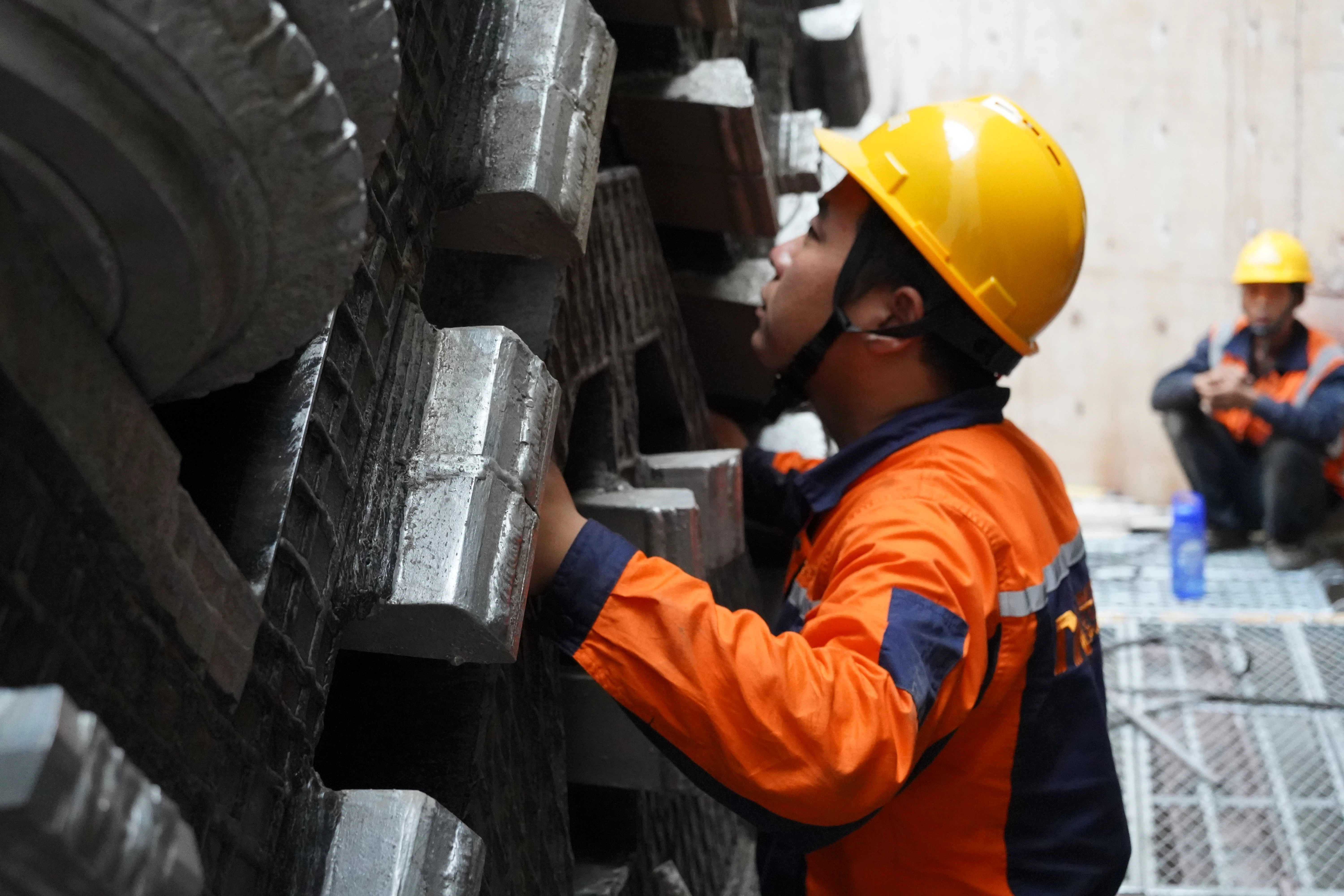
How Balanced Thrust Works in Tunnel Machines
Balanced thrust keeps your tunnel boring machine safe in mixed face zones. It means you push the machine forward evenly, even when the ground changes. This helps you avoid sudden stops and keeps your machine steady.
You use different parts to get balanced thrust in your tbm. Each part works together to keep the machine stable and stop damage. Here is a table that shows how these parts help you:
|
Mechanism |
Function |
|---|---|
|
Thrust Cylinders |
Push against installed segments in unstable ground instead of weak tunnel walls. |
|
Pressure Control |
Balance earth and water pressure against the tunnel face to prevent ground settlement. |
|
Hydraulic Jacks |
Support the tbm and push the cutter head forward from behind the excavation chamber. |
|
Excavation Method |
Rotate the cutter head to break up soil or rock and move it to the rear. |
You also use guidance systems with lasers and gyroscopes. These systems help you keep the machine straight and adjust thrust quickly. GPS and surveying tools make sure your tunnel stays on the right path.
Preventing Damage and Misalignment
Balanced thrust protects your tbm from damage and misalignment. If you push too hard on one side, your machine can twist or move off course. You must keep thrust force steady to stop cutter overload and reduce wear.
You check thrust force with sensors and automation systems. These tools give you feedback about ground and machine performance. You can change thrust fast if you see changes in the soil or rock. AI guidance systems help you look at data and make smart choices while tunneling.
Tip: Always check your thrust force readings before and during tunneling. This helps you find problems early and keep your tunnel boring machine safe.
You also use laser guidance and gyroscopes to keep your machine straight. These systems make small changes to steering and thrust, so you stay on track in mixed face zones.
Supporting EPB and Torque Management
Balanced thrust helps earth pressure balance (EPB) and torque management in your tbm. EPB machines keep pressure inside the chamber to balance earth and water. This is important for tunnel safety and stability.
You control thrust force with thrust jack parts. These push the cutterhead forward and help you dig tunnels. You also check cutterhead torque and thrust force to get good performance and pick the right tunnel machine.
Here is a list of steps you follow to help EPB and torque management:
-
Excavation: The cutterhead breaks up soil or rock at the tunnel face.
-
Pressure Control: You change settings to keep pressure balanced in the chamber.
-
Soil Conditioning: You add agents to make the material stable and control pressure.
-
Segmental Lining: You put in precast segments for support and stability.
-
Monitoring and Control: You use sensors and automation to check things and keep tunneling safe.
You use automated control systems with smart algorithms. These systems change excavation settings based on feedback. Building Information Modeling (BIM) technology helps you plan design and digging progress.
CEGC says you should follow best practices for thrust management. Always use real-time monitoring, guidance systems, and automation to keep your tbm safe and efficient. Balanced thrust helps you finish your project on time and avoid expensive repairs.
Project Benefits and Real-World Results
Improved Efficiency and Safety
Balanced thrust makes your tbm work better and safer. The machine moves easily through mixed face zones. You avoid sudden stops and keep your team safe. Sensors and guidance systems help you find problems early. You can fix issues fast and keep your tunnel machine moving. Projects finish faster and everyone faces fewer risks.
Note: Balanced thrust lets you control ground movement and keeps the tunnel stable. Workers and equipment stay safe from surprises.
Cutter Life and Maintenance Savings
Managing thrust well helps your cutterhead last longer. The cutterhead has less stress and wears out slower. You spend less time changing parts and more time digging. Maintenance costs go down because you avoid damage from uneven ground. Your tbm works longer and you save money on repairs.
-
Cutterheads last longer, so you have fewer delays.
-
Lower maintenance costs help your project budget.
-
Less downtime means your tunnel machine works better.
CEGC Case Studies in Mixed Face Zones
You can see real results from CEGC projects. In one project, balanced thrust cut downtime by 30%. The tbm stayed straight in hard mixed face zones. Cutterhead replacements went down by half. Another project had better safety and finished faster. CEGC’s support team helped operators use best thrust management. You get better results when you follow their advice.
|
Project |
Downtime Reduction |
Cutterhead Replacements |
Completion Time |
|---|---|---|---|
|
Metro Tunnel |
30% |
50% less |
Faster |
|
Utility Tunnel |
25% |
40% less |
On schedule |
Balanced thrust helps your tunnel machine stay safe and work well in mixed face zones. It keeps your team safe, saves you money, and helps you finish projects on time. If you need help, you can check CEGC’s resources or talk to their team.
Tip: CEGC shows you the best ways to use your tunnel boring machine for every project.
FAQ
How do you monitor tunnel machine alignment during pipe-jacking?
You use sensors and guidance systems. These tools help you see where the tunnel machine is. You can fix the position fast if it moves. You check the alignment many times to keep things safe.
Tip: Always look at the alignment data before each work shift.
What tests confirm pipe-jacking quality after installation?
You do CCTV inspections and hydraulic pressure tests. These tests show if the pipe is strong. You check for leaks and see how well the tunnel machine worked.
How does CEGC support Microtunnelling Machine launch and breakthrough?
You get help from CEGC experts. Their team helps you with ground changes and torque management. You watch cutterhead torque and change settings for the best results.
|
Support Type |
Benefit |
|---|---|
|
Launch Guidance |
Easy start |
|
Torque Analysis |
Better results |
|
Breakthrough Support |
Safe finish |


