
It's important to understand that thrust imbalance can trigger alarms on a TBM machine, potentially leading to safety issues and work stoppages. Real-time monitoring in tunnel boring machines provides live data, enabling quick adjustments. CEGC offers a variety of solutions, ensuring you can rely on your equipment to maintain safety.
Key Takeaways
-
Thrust imbalance can make safety problems and stop work on TBM machines. Watch thrust levels to make sure the pushing force is even.
-
Real-time monitoring systems and sensors help find thrust imbalance early. Listen to alarms to stop damage and keep projects moving.
-
Act fast when you see thrust imbalance alarms by checking the control panel and looking at the cutterhead. Doing something right away can save time and money.
What is thrust imbalance in TBM machines?
Definition and causes
Thrust imbalance means the pushing force is not even on the tunnel machine. This can happen with a TBM tunnel boring machine, an auger boring machine, or a Microtunnelling Machine. The machine moves forward using hydraulic cylinders. If one side pushes more, the tunnel machine might lean or move the wrong way. Hard rocks, soft dirt, or old parts can cause this issue. Thrust imbalance can also happen if the ground changes fast or if the machine hits something.
CEGC makes each tunnel boring machine to keep thrust even. Engineers use smart controls and sensors. These tools help you keep the machine straight and safe.
Effects on tunnel machine operation
Thrust imbalance can make tunneling dangerous. The machine might get stuck or the cutters might stop working. Sometimes, the tunnel machine cannot move underground. This can make things unsafe for your team.
Thrust imbalance does not just hurt safety. It can slow down your work and cost more money. If you know how thrust works, you can make better choices. You can keep the machine working well and stop long waits.
-
Watching thrust can help you work faster and better.
-
You can keep workers and nature safe by stopping machine problems.
-
You can plan repairs and save money by checking thrust on every job.
CEGC’s tunnel machines help you control thrust and finish your project on time.
How thrust imbalance can trigger alarms on a TBM machine
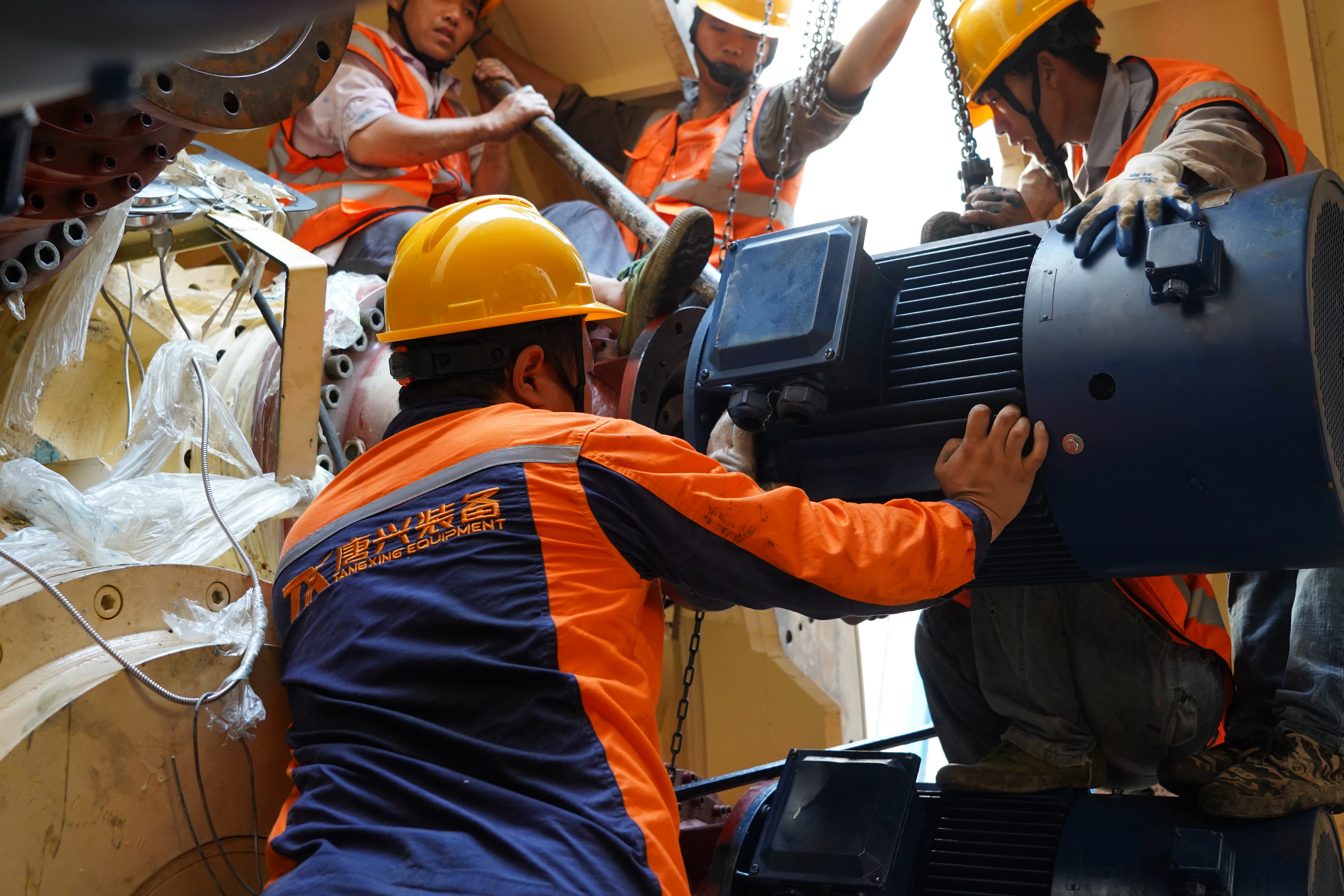
Detection systems and sensors
You need to know how your tunnel machine stays safe underground. Modern TBM tunnel boring machines use real-time monitoring to watch for problems. Thrust imbalance can trigger alarms on a TBM machine when these systems notice something is wrong.
Sensors play a big role in detection. These sensors collect data every second. They check many things, such as:
-
Thrust levels on each side of the machine
-
Torque used by the cutterhead
-
How fast the machine moves forward
-
Power used by the cutterhead
A TBM can collect hundreds of pieces of information every second. Microtunnelling Machines use 30 to 50 sensors. These sensors track thrust, torque, and even the type of soil. The machine sends this information to cloud storage. You can see the data in real time. This helps you spot thrust imbalance before it becomes a big problem.
Alarm activation process
Thrust imbalance can trigger alarms on a TBM machine through a clear process. First, the sensors detect a difference in thrust. The system checks if the numbers are outside the safe range. If the thrust is not balanced, the detection system sends a signal to the control panel.
The control panel has special circuits called fault detection circuits. These circuits look for unsafe changes. When they find a problem, they turn on the alarm. The alarm can be a sound, a light, or a message on your screen. You get a warning right away. This helps you act fast and keep your tunnel machine safe.
Tip: Always pay attention to alarms. Quick action can stop damage and keep your project on track.
Types of alarms and their meanings
Thrust imbalance can trigger alarms on a TBM machine in different ways. You might see or hear several types of alarms. Each one tells you something important:
-
Thrust Imbalance Alarm: This means the pushing force is not even. You need to check the hydraulic system or ground conditions.
-
Cutterhead Torque Alarm: This shows the cutterhead is working too hard. You may have hit hard rock or a blockage.
-
Penetration Rate Alarm: This warns you that the machine is moving too slowly. Thrust imbalance can cause this problem.
-
Power Overload Alarm: This tells you the machine uses too much power. You should check for stuck parts or thrust issues.
When thrust imbalance can trigger alarms on a TBM machine, you must know what each alarm means. This helps you fix the problem quickly. You keep your team safe and your tunnel boring machine running well.
Responding to TBM thrust imbalance alarms
Risks of ignoring alarms
If you ignore alarms about thrust force, you put your tunnel machine at risk. The cutterhead can jam or stop spinning. This can damage the cutterhead and other parts. You may see the tunnel machine slow down or stop moving. Workers can face unsafe conditions if the thrust force stays uneven. You might also lose time and money because repairs take longer when you do not act fast.
Operator actions and best practices
When you hear or see a thrust force alarm, you need to act right away. First, check the control panel for details about the alarm. Look at the thrust force readings and see if the cutterhead is working harder than normal. Stop the machine if you see a big problem. Inspect the cutterhead for blockages or signs of wear. Clear any dirt or rocks that may block the cutterhead. Restart the machine slowly and watch the sensors. If the alarm comes back, call for help from your support team. Always keep a log of alarms and actions. This helps you spot patterns and prevent future problems.
Tip: Quick action keeps your tunnel machine safe and your project on schedule.
Support from CEGC
You get strong support from CEGC when you use their tunnel machines. CEGC gives you training and fast help if you face thrust force alarms. You can learn how to operate, maintain, and fix your machine. The after-sales team can visit your site quickly if you need help. You also get access to real parts for your cutterhead and other key systems. Here is a summary of CEGC’s support:
|
Service Type |
Description |
|---|---|
|
Engineering Training |
3-5 days of training for installation and commissioning after delivery. |
|
Rapid Response |
Service team arrives at your project site quickly if you have a problem. |
|
Comprehensive Training Programs |
Learn about operation, maintenance, safety, and troubleshooting. |
|
Genuine Parts Inventory |
Fast delivery of high-quality parts to reduce downtime. |
You can trust CEGC to help you keep your tunnel machine running safely and smoothly.
You notice that thrust imbalance can set off alarms on your TBM machine. Acting fast helps keep everyone safe and lets your project keep going.
Check out all the tunnel boring machines and support from CEGC. You can count on CEGC for dependable underground boring machine work.
FAQ
What is the most widely used type of underground boring machine for utility work?
The auger boring machine is used the most for utility jobs. It works best for small tunnels and short distances.
At what diameter does an auger boring machine give way to a Microtunnelling Machine?
You should use a Microtunnelling Machine if your tunnel is over 600 mm wide. This machine can handle bigger pipes and longer tunnels.
Can CEGC supply an underground boring machine for mining applications?
Yes, CEGC can give you a tunnel machine for mining. CEGC has machines for many jobs, like mining and civil engineering.


