

You can stop clay from sticking to your trenchless drilling rig anti stick beats clay. Use PHPA clay inhibitors, mixing-style reamers, and a special hdd detergent. Good fluid management keeps the borehole stable. It also lowers downtime. CEGC gives market-standard specs for clay. These are shown in this table:
|
Soil Type |
Testing Requirements |
|---|---|
|
Cohesive (Clay) |
Hydrometer tests, Atterberg Limits, undrained shear strength, unconfined compression tests, unit weights, natural moisture content, classification, consolidation tests, dispersion and shrink/swell potential. |
|
Non-Cohesive |
Unit weight, moisture content, sieve analysis, direct shear tests, hydraulic conductivity, classification. |
Key Takeaways
-
Use PHPA clay inhibitors and mixing-style reamers to stop clay from sticking to your drilling rig. This keeps your tools clean and cuts down on waiting time.
-
Take care of your fluids by checking mud thickness and how it moves. This helps keep the hole steady and stops clay from making problems.
-
Do easy field tests to find sticky clay. Change your drilling methods after these tests to keep things running well.
Trenchless Drilling Rig Anti Stick Beats Clay Solutions
Equipment And Reamer Selection
You need the right tools to work with sticky clay. The right reamer helps you cut clay and keep the hole clean. Mixing-style reamers break up clay and stop mud ribbons. If your reamer can tilt, you can change the angle for better cleaning. CEGC horizontal directional drilling machines use blade, fluted, rock, and barrel reamers. This means you can pick the best reamer for the ground and your job.
When you pick a reamer, look for one that lasts and gives smooth power. This helps your tools last longer and keeps your rig working. You will not lose time or get stuck if you use the right reamer. Many workers say tool wear and stuck tools slow them down and cost more money. You can fix these problems with good tools and a trenchless drilling rig anti stick beats clay solution.
Tip: Always check your reamer for damage before you start a new hole. Quick checks save you time and money.
Fluid Additives And Clay Inhibitors
You need the right additives to handle clay. PHPA clay inhibitors stop clay from swelling and sticking to your drill rig. Bentonite keeps the hole strong and holds cuttings in the mud. HDD detergents help bentonite and PHPA work better by lowering friction and making mud flow smoother. If you use the right mix, you protect your tools and keep the hole safe.
If you do not manage your fluids, disposal costs can go up. Bad fluid use causes more tool wear and stuck pipe. You need a trenchless drilling rig anti stick beats clay solution that uses good fluid management. CEGC rigs let you add mud systems and fluid controls. You can change the pump and filter system for your job.
Here are some ways anti-stick solutions help stop downtime:
-
You watch downhole conditions as you drill.
-
You clean the hole better with good mud.
-
You use lubricants and backreaming in clay to stop sticking.
-
You teach your crew how stuck pipe happens.
Mud Circulation And Drilling Rate
Mud circulation is important to stop clay from sticking. You must keep mud moving to keep the hole safe. If you use the right mud flow, you stop clay from swelling and sticking to the trenchless drilling rig anti stick beats clay. The right amount and type of mud, like bentonite, helps you work with tough clay. If you use too little mud, you run out and clay can stick.
You can see how mud flow and drilling speed change costs in this table:
|
Cost Factor |
Impact of Bit Balling |
|---|---|
|
Rate of Penetration |
Drilling gets much slower and takes more time |
|
Trip Time |
You must stop often to pull and clean the bit |
|
Equipment Wear |
More torque and shaking can hurt the bit and gear |
|
Fluid Costs |
You may need pricey mud or system changes |
|
Labor Costs |
Workers get paid for slow drilling and extra trips |
You stop stuck pipe by keeping cuttings moving. Good mud flow stops cuttings from packing around the drill string. If you move fluid before pulling the drill string, you lower the chance of getting stuck. Lowering pressure also helps stop sticking. You must watch for lost mud in cracks. Good mud flow keeps the well safe and helps your trenchless drilling rig anti stick beats clay solution.
Note: Change your drilling speed and mud flow when field conditions change. Regular checks help you avoid delays and keep your job going.
Identifying And Managing Clay In The Field
Field Tests For Clay Conditions
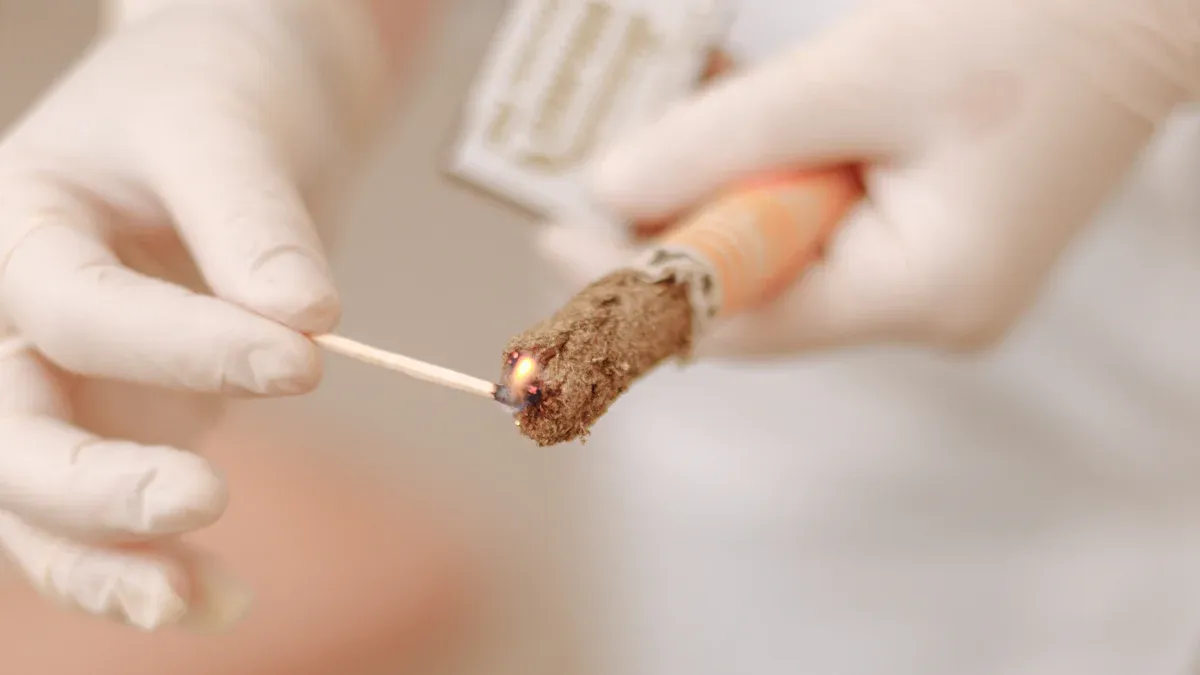
You need to know if you are drilling in sticky clay. You can use simple field tests to check the soil. Here are some ways to spot sticky clay:
-
Check the viscosity of your return mud. Thick mud often means you have clay.
-
Look at the returns compared to your starting fluid. If the returns are much thicker, clay is present.
-
Touch and inspect the return mud. Sticky or smooth mud usually means clay.
-
Roll a piece of mud into a snake shape. If it holds together, the soil has more than 50% clay.
These tests help you decide how to adjust your drilling plan. You can act fast and avoid problems with your horizontal directional drilling machine.
Adjusting Techniques For Sticky Clay
When you find sticky clay, you must change your approach. You can use these steps to keep your job running smoothly:
-
Pick a reamer that blends clay and mud well. A mixing-style reamer works better than a standard fluted reamer in sticky clay.
-
Add special detergents to your drilling fluid. These help the mud flow and stop clay from sticking.
-
Use clay inhibitors like PHPA to keep clay from swelling and sticking.
-
Try dispersants and surfactants to make the clay less sticky.
-
Add Slik-Vis™ in small amounts to increase viscosity and keep clay out of the mud.
-
Always mix your fluids in the right order: soda ash, bentonite, polymer, then detergent.
You should monitor your drilling fluid often. Good fluid selection keeps the borehole stable. Watch for changes in mud properties. Make small changes as needed. This keeps your trenchless drilling rig working well and helps you meet project goals.
Tip: Keep records of your field tests and fluid changes. This helps you learn what works best for each job.
You can stop clay from sticking if you do these things:
-
Pick the softest clay that works well.
-
Keep everything slippery while you drill.
-
Fold clay a lot so it stays clean.
-
Pause drilling when you feel extra drag.
|
Recommendation |
Description |
|---|---|
|
Check the soil first, especially how much clay is there. |
|
|
Equipment Selection |
Use the best CEGC horizontal directional drilling machine for the ground. |
A simple checklist helps your team stay ready and work fast.
FAQ
What is the best way to keep clay from sticking to my drill rig?
You should use PHPA clay inhibitors, mixing-style reamers, and a good HDD detergent. These steps help you keep your equipment clean and running.
How do I know if I need to change my drilling fluid?
Check your return mud. If it gets thick or sticky, you should adjust your fluid mix. Watch for changes in color or flow.
Can I use CEGC horizontal directional drilling machines in all soil types?
Yes. CEGC rigs work in clay, sand, and rock. You can choose the right reamer and fluid system for your project.


