
Drill string sticking causes big problems in trenchless drilling. When the drill string gets stuck, it slows down operations and incurs extra costs. A stuck pipe can also lead to broken parts. These issues often stem from mechanical problems or an unstable wellbore. CEGC's Trenchless Drilling Rig Anti Stick Beats Drill Problems by helping to prevent sticking.
Key Takeaways
-
Drill string sticking causes big problems. It makes drilling slow. It costs extra money. It can break parts.
-
Drill strings get stuck for three main reasons. These are pressure differences, physical blocks, and unstable ground.
-
You can stop drill strings from sticking. Use good drilling mud. Drill carefully. Use special tools like CEGC's Anti-Stall Powertrain.
Understanding Drill String Sticking: Core Problems
What is Drill String Sticking?
Drill string sticking happens. The drill string gets stuck. It cannot move. This is a big problem. It happens in trenchless drilling. The drill string gets stuck for many reasons. It stops turning or moving. When it is stuck, drilling stops. This causes many problems. It is a common issue. Drilling crews face it often.
Why Sticking is Critical in Trenchless Drilling
Sticking is a big problem. It happens in horizontal drilling. It causes money problems. It causes work problems. A stuck pipe causes big delays. For example, pipes or tools get stuck. This is from holes collapsing. Or from bad hole cleaning. These problems cost time. They cost money. They also hurt a company's name.
-
Operational Impacts:
-
Pipes or tools get stuck. This is from hole collapse. Or poor hole cleaning.
-
Drilling is slow. The bit gets clogged. The string twists too much.
-
Drilling tools wear out fast. This is from string twisting and dragging.
-
-
Financial Impacts:
-
Extra rig time is needed. This is to free the drill string.
-
Mud disposal costs are high. This is due to thick, heavy mud.
-
Costs come from cleaning up spills.
-
These common problems are not planned. They reduce profits. The trenchless drilling rig anti stick beats drill problems. It fixes these big issues. When the drill string is stuck, projects take longer. Equipment can also break. Overall work slows down a lot. Stopping a stuck pipe is key. It helps projects succeed.
Primary Causes of Drill String Sticking and Drill String Failures
It is important to know why a drill string gets stuck. Many things make drill strings fail. These problems stop drilling. They cause long delays. The trenchless drilling rig anti stick beats drill problems. It fixes these main issues.
Differential Sticking: The Pressure Trap
Differential sticking is a common problem. It makes pipes get stuck. Pressure differences cause the drill string to stick. This is a main reason for stuck pipes.
Mechanism of Differential Sticking
Differential sticking happens. Drilling mud pressure is too high. It is higher than the rock pressure. This pushes the drill string. It pushes it against the well wall. A thick filter cake forms. It forms on the permeable rock. This cake acts like a suction cup. It holds the drill string. When the pipe stops turning, it presses the mud cake. This pushes water into the rock. This makes the mud cake stronger. Water is pushed out. This causes friction. It is between the pipe and the cake. This is why pipes get stuck.
Five things must happen for differential sticking:
-
There must be permeable rock.
-
Mud must not flow around the drill string.
-
A thick filter cake must be there. High water loss causes this.
-
The drill string must not move enough.
-
Pressure must be too high.
-
The drill string must touch the filter cake.
Contributing Factors and Conditions
Many things make differential sticking more likely. The amount of solids in the mud matters. Mud thickness also plays a part. A thick mud filter cake causes pressure sticking. Too much pressure around the pipe also causes it. Heavy mud is bad. It increases pressure. This makes the drill assembly stick. Sand layers in the hole are risky. This is true with broken shale layers. This makes differential pipe sticking very likely. Strong forces from low rock pressure cause this. Strong forces from high well pressure also cause it. The sticking force comes from pressure difference. This pressure is between the hole and the rock. It acts over an area. A mud filter cake slows liquid flow. This happens into the lower-pressure rock. This occurs when the pipe is stuck. A filter cake can cause differential sticking. This is true if a pipe stays still in the hole. It must stay still for a long time.
Mechanical Sticking: Physical Obstructions
Mechanical sticking means things block the drill string. These blocks stop the drill string. They stop it from moving freely. This causes stuck pipe problems.
Borehole Collapse and Pack-off
Hole collapse and pack-off are common causes. They cause mechanical sticking. Mechanical pipe sticking happens. It is from drill cuttings not removed. It also happens from unstable holes. An unstable hole cannot keep its shape. Earth movement causes this. Water absorption causes this. Pore pressure causes this. Not cleaning the hole enough is a main cause. It causes many mechanical stuck pipe events. Not removing drill cuttings leads to piles. They form cutting beds. These beds block the drill string. Piled-up cuttings can pack around the bit. This makes drilling less effective. It stops contact with the rock. This causes big problems.
Keyseating and Undergauge Holes
Keyseating and small holes also cause mechanical sticking. Keyseating happens. The drill pipe turns against the hole wall. It wears a groove. This groove is a "key seat." When the BHA is pulled out, it can get stuck. It gets stuck in this groove. This often happens in soft rock. It also happens at casing shoes. An undergauge hole happens. Drilling bits wear down. This makes a smaller hole. If a new, full-size bit goes in, it can jam. This makes the pipe mechanically stuck. This wears out tools a lot.
Debris in the Hole and Connections
Debris in the hole can cause sticking. Connections can also cause it. This leads to drill string failures. Cuttings pile up often. This is true with slow mud flow. Large rocks falling into the hole also cause problems. This happens in loose rock. Not cleaning the hole well leads to cuttings. This is true where mud flow is low. Casing cuts form. Cuttings settle on the bottom of the hole. Keyholes are made. The pipe makes a narrow path. This happens when it moves a lot. It happens in curved areas. These issues cause wear. They can stop mud flow.
Wellbore Instability: Unpredictable Formations
Wellbore instability means rock does not hold its shape. This causes unexpected problems. It can make the drill string get stuck.
Formation Characteristics and Swelling
Some rock types cause unstable holes. Loose rock is a risk. Overburden stress and moving rock also add to it. Broken rock is a big problem. Natural cracks can break rock. Loose pieces fall into the hole. This jams the drill string. Even if stuck together, BHA impacts can loosen them. This can cause pack-off or bridge sticking. This is unusual. It can happen during drilling. The first sign is the string twisting. Then it gets stuck. There is a risk of sticking. This is when drilling through faults. Reactive shale causes many unstable hole problems. These issues wear out equipment a lot.
Inadequate Mud Properties and Rheology
Bad mud properties cause unstable holes. Poor mud flow can cause drill string failures. If mud does not support the hole, it can collapse. This causes stuck pipe. Mud contamination can change mud properties. This makes it clean the hole less well. It also makes it stabilize the hole less well. This can stop mud flow. When mud properties are not kept up, cuttings can pile up. This increases the risk of mechanical sticking. Good mud management is key. It prevents these problems.
Anti-Stick Solutions for Trenchless Drilling Rigs
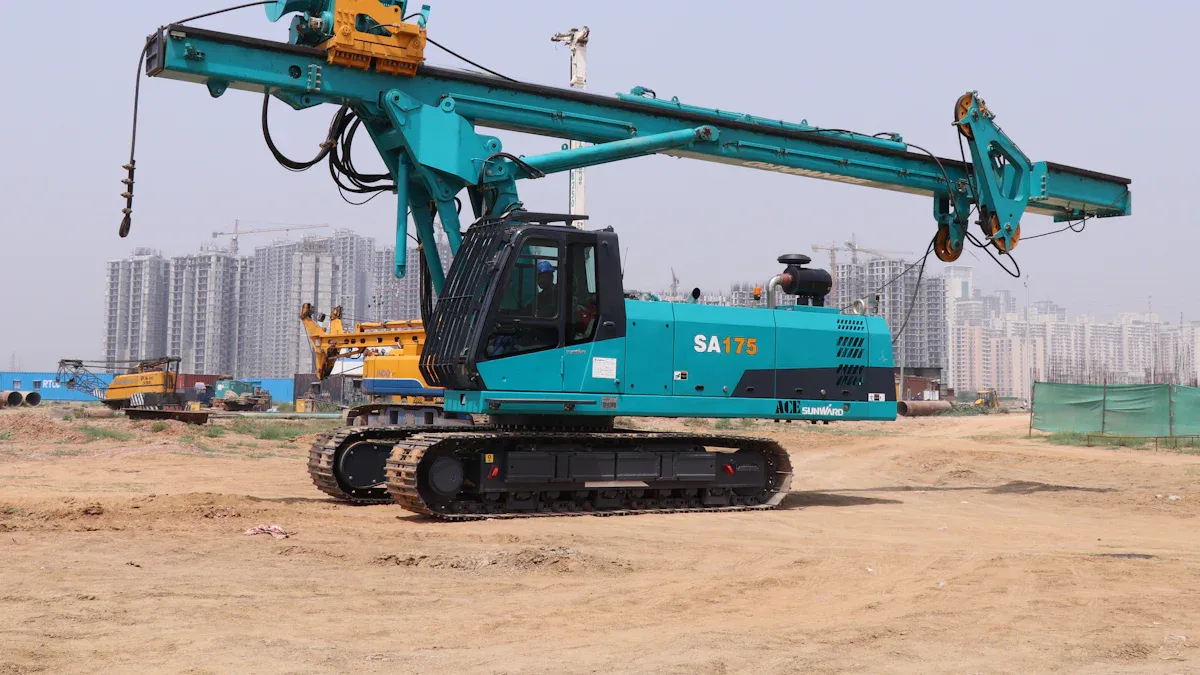
Stopping stuck pipe is very important. It helps trenchless drilling work well. Many ways help avoid this problem. These pipe sticking prevention measures use good fluid. They use smart ways to drill. They also use new tools. Using these ideas helps projects go smoothly. The trenchless drilling rig anti stick beats drill problems by using these methods.
Optimized Drilling Fluid Management
Good drilling fluid stops stuck pipe. The right mud keeps the hole steady. It also makes things slide better.
Rheology and Filtration Control
Controlling mud flow and filtering is key. The fluid must carry cuttings. This stops stuck pipe. A Plastic Viscosity (PV) of 15–40 cP is good. The Yield Point (YP) should be 5–12.5 lb/100 sq. ft. This YP range is important. It helps the fluid hold drill cuttings. This avoids problems like differential sticking.
Filtering is also very important. It keeps the hole stable. Too much water in porous rock causes issues. These include stuck pipe and hole collapse. An API Fluid Loss of 15.0 mL in 30 minutes is a good goal. This is for water-based mud. Less fluid loss, like 8.7 mL with 0.15 wt% GO, is even better. It makes the hole more stable. It also stops stuck piping.
Lubricity and Bridging Agents
Adding slippery stuff to the mud lowers rubbing. This helps the drill string move easily. It stops the pipe from getting stuck. Bridging agents help seal porous rock. They make a thin, strong filter cake. This means less fluid is lost. It also stops differential sticking. These agents make a wall. This wall stops the drill string from sticking to the hole.
Proactive Operational Techniques
Smart drilling stops stuck pipe. These ways focus on moving all the time. They also focus on cleaning the hole well.
Continuous Pipe Movement and Rotation
Keeping the drill string moving works well. Turn and move the drill string often. This stops it from resting on the hole wall. It also stops cuttings from piling up. This constant movement helps avoid differential sticking. It also stops mechanical sticking. More flow helps. Do this without going over the limit. This makes circulation better. It cleans the hole better.
Controlled Rate of Penetration
Managing how fast you drill is important. Drilling too fast makes too many cuttings. These cuttings can overload the mud system. This causes pack-off and stuck pipe. A controlled speed lets the mud remove cuttings well. It also keeps the hole stable. This stops many problems.
Effective Hole Cleaning Practices
Good hole cleaning is a must. It stops cuttings from building up. This buildup can cause mechanical stuck pipe. Make sure drilling fluid flows enough. This carries cuttings out of the hole. Good mud flow and thickness are key. They move cuttings well. Short trips often help. They break up any blockages. This keeps the hole clear. This stops the drill string from getting stuck.
Advanced Tooling and Equipment
New tools and gear offer better ways. They stop stuck pipe. They also make drilling better.
Specialized Drill Collars and Reamers
Special drill collars and reamers help. Non-magnetic drill collars can be used. They help check direction. Reamers make the hole bigger. They make sure the hole is the same size. This stops small holes. It also lowers the risk of keyseating. These tools make it less likely the pipe gets stuck. They also reduce wear on the drill string.
Anti-Stick Additives and Lubricants
Special stuff added makes mud better. It makes stuck pipe less likely. In an offshore area, anti-sticking agents coated the drill string. This made a thin, slick layer. It stopped sticking to the hole. This, with right mud weight and drilling settings, lowered differential sticking. It also lessened clogging. Drilling fluids that are slippery and flow well are good. They reduce cuttings buildup. They keep circulation steady. This helps stop the pipe from getting stuck. These pipe sticking prevention measures work very well.
CEGC's Anti-Stall Powertrain and Mud Integration
CEGC has good ways to fix stuck pipe and sudden stops. The Anti-Stall Powertrain and Overload Protection fix these problems. This system works steadily. It works even in tough ground. It stops the rig from stalling. This makes stuck pipe less likely. CEGC also helps with mud and fluid control. This stops bad fluid work. It also lowers frac-out risks. This makes circulation and mud properties best. This reduces wear on tools. It keeps the drill string moving freely.
Stopping drill string from sticking is important. This is true for a directional drilling machine. We need to know why pipes get stuck. There are three main reasons. These are differential, mechanical, and wellbore problems. Good mud helps. Good ways of working help. New tools also help. These stop pipes from getting stuck. This means less waiting time. Projects work better. The trenchless drilling rig anti stick beats drill problems. It makes sure fewer pipes get stuck. Good mud stops pipes from getting stuck. Not getting stuck is very important. No more stuck pipe. This stops problems.
Tip: Doing things early helps trenchless projects work well.
FAQ
What does "drill string sticking" mean?
Drill string sticking means the drill pipe gets stuck. It cannot move. This stops drilling. It is a common problem. It causes delays.
How does CEGC help avoid a stuck drill string?
CEGC's Anti-Stall Powertrain prevents the rig from getting stuck. It handles tough ground. This keeps the pipe from getting stuck. Overload protection also helps.
Why is drilling mud important to prevent a stuck pipe?
Good drilling mud keeps the hole stable. It carries cuttings away. This stops the pipe from getting stuck. Proper mud flow prevents the pipe from getting stuck.


