
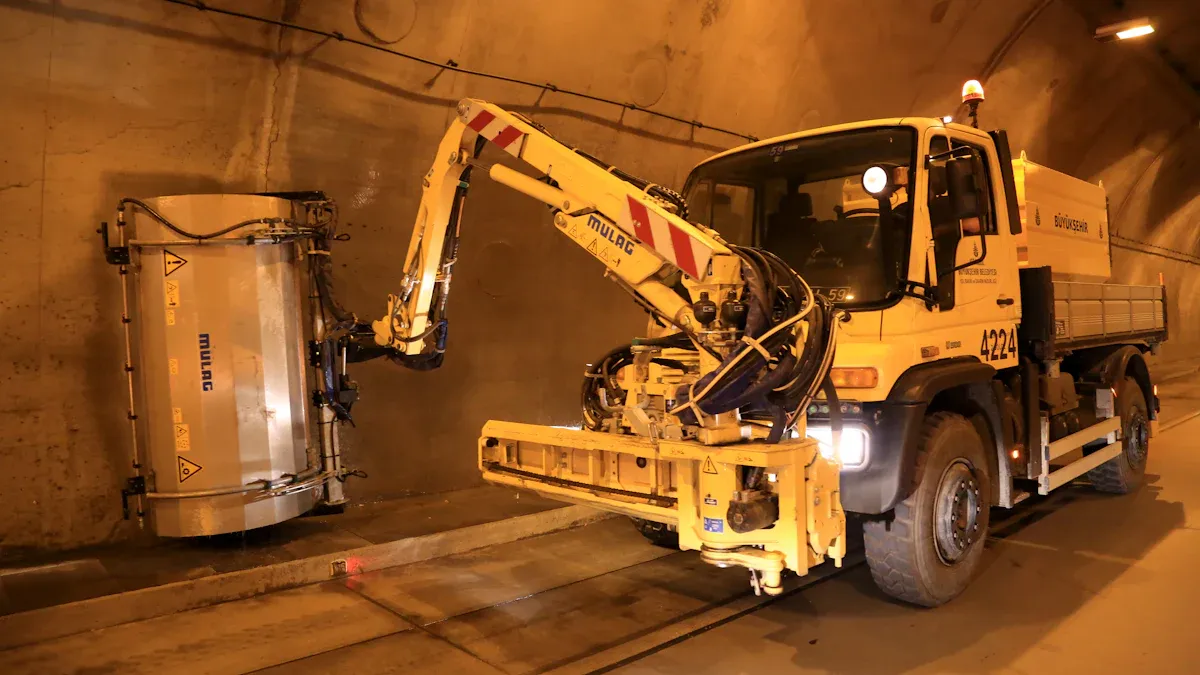
Directional boring machines are constantly improving. They need to operate continuously. New technology enhances their speed. Smart planning and effective tools are crucial. They proactively identify potential issues. This significantly reduces the likelihood of jams. CEGC is dedicated to advancing drilling technology. This ensures safety and efficiency. With our Directional Boring Machine Jam Free Tech Never Stops, pipes won't get stuck, and the drill will remain on course. This leads to safer and faster operations. Thorough problem analysis helps minimize the risk of jams. Preventing jams optimizes overall performance.
Key Takeaways
-
Good planning and AI tools stop jams. This happens before drilling begins. They map what is underground. They make safe paths.
-
Smart drill heads and special liquids help the machine. They keep it working well. They stop stuff from building up. They keep the hole steady.
-
Sensors and AI watch things as they happen. They find problems fast. This helps make quick changes. It keeps drilling on track.
Smart Planning to Avoid Jams in Directional Boring
You stop jamming before it starts. You do this with smart checks before drilling. This smart way of working is key. It helps your directional boring machine jam free tech never stops. It makes digging smooth. It also makes everything work better.
AI Maps and Underground Pictures
You use AI to see underground. This helps find places where jamming might happen. A special math tool called 'quantile random forest' works best. It maps soil types. It is very good at this. This tool had the lowest RMSE and bias. It also had the highest r2 and NSE numbers. This means it is good at showing things. It shows things like SPT, LL, PL, and resistance. Look at how exact it is:
|
Metric |
Value |
|---|---|
|
RMSE |
0.023 |
|
Bias |
0.092 |
|
r2 |
0.962 |
|
NSE |
0.996 |
This careful look helps you know the ground conditions. It makes jamming probability lower. It also makes things safer. This is a big step. It helps check for jamming risk assessment.
Better Digital Digging Paths
Special computer programs design paths. These paths avoid jams. This software looks at different soil types. It also avoids things in the way. AI tools like SVM are 98.56% accurate. They guess ground conditions better than other tools. AI systems change how Tunnel Boring Machines (TBM) work. They change speed, pressure, and cutter head. They use real-time information from sensors. Robot tests let you try different digging plans. This means fewer mistakes. It also means less wasted stuff.
Fancy computer programs make digging paths better. They look at how strong rocks are. They also look at rock types. These things change the risk of TBM jamming. Soft or broken ground often causes problems. Changes in how the TBM works are important. These include how much the cutter head turns. They also include how hard it pushes. And how fast it digs. These show how the machine works with the rock. Machine jamming happens when the TBM does not push hard enough. It cannot get past the rubbing. This happens when the ground squeezes in. This is in tough ground conditions. This shows we need to guess problems. We also need to make changes right away. This lowers jamming risk. Ground radar finds pipes and things up to 15 feet deep. Map systems put different information together. This gives you a full view of the path. GPS mapping makes exact records. This helps with a precise jamming risk assessment. This makes tbm performance prediction better.
Using Weather to Plan
Local weather forecasts guess changes in the ground. These include wet ground or frozen ground. These changes can cause jamming. Good navigation systems are very exact. They are accurate to a centimeter. This is a key way to handle risk management.
-
Smart path plans include things that are not certain. They use extra space. This avoids hitting things. This works even if the position is not perfect.
-
Better location finding helps plan. It helps move through hard places. It has fewer mistakes.
-
Planning for many goals makes travel shorter. It also looks at how good the signal is. And how much energy is used. This makes moving reliable.
-
Using many satellite systems gives the best accuracy. It also makes it strong. This is a key risk assessment method.
This careful look lowers jamming probability. It gives a strong jamming risk warning. This makes digging better. It also makes everything work better. You use a full risk assessment method. This helps with better tbm performance prediction.
Advanced Tools & Fluid Management for Jam-Free Tech
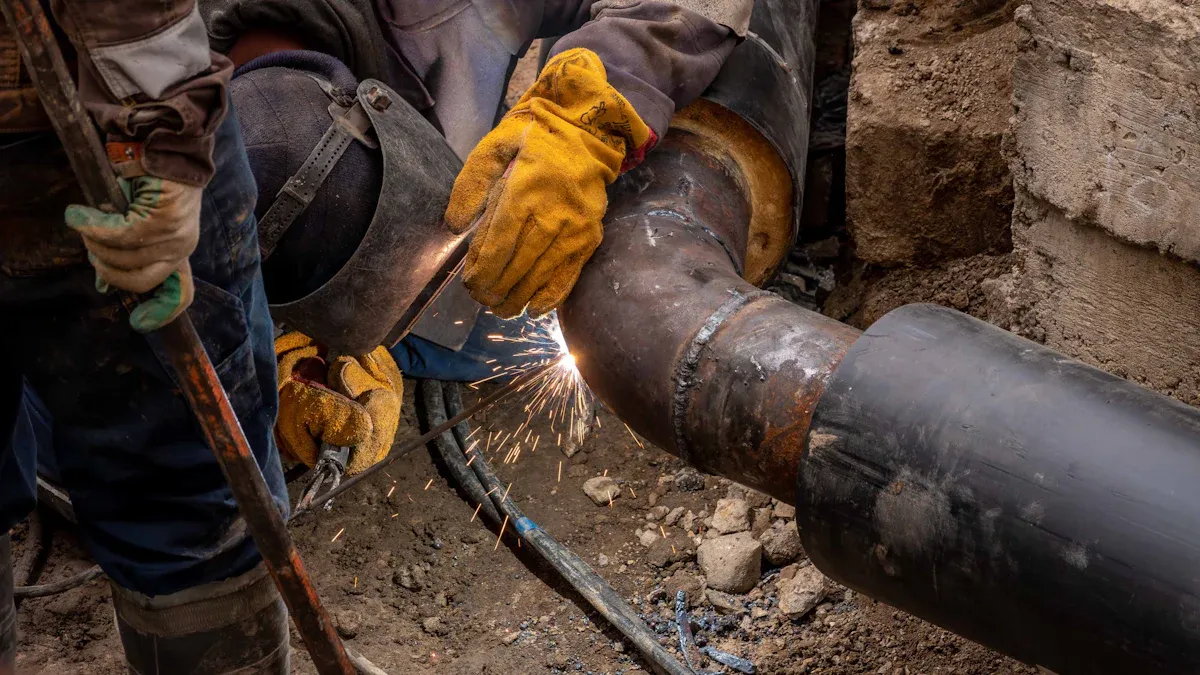
You need new tools. You need new materials. They keep your directional boring machine jam free tech never stops. These tools help you avoid problems. They make drilling smoother. They also make it more reliable.
Smart Drill Heads & Adaptive Cutting
Smart drill heads stop material buildup. They have sensors. They use AI. These tools change how they cut. This stops jamming early. AI and machine learning make systems better. They improve themselves while working. AI changes feed and cut speed. It does this right away. It looks at material type. It also checks hole density. Or it checks tool conditions. Laser and vision sensors give exact feedback. They help line up tools. They do this right away. Plate thickness detection changes cutting depth. This makes results steady. This adaptive cutting stops jamming. It makes your excavation more exact.
Advanced Drilling Fluid Formulations
Special drilling fluids are very important. They stop jamming. They also lower frac-out risk. These fluids use special polymers. They use additives. They break down naturally. They make things slippery. They also hold cuttings well. This keeps the borehole steady. Natural materials and nanomaterials stick to rock. They use electric forces. They also use Van Der Waals forces. Nanomaterials make a steady coating. This coating is on the borehole wall. It makes it stronger. It makes it less leaky. It also helps the wellbore stay steady. Natural compounds break down organic stuff. This helps with green drilling. Nano-natural parts help make a thin filter cake. This filter cake does not let things through. It helps with drilling that lasts.
You can see how different polymers work:
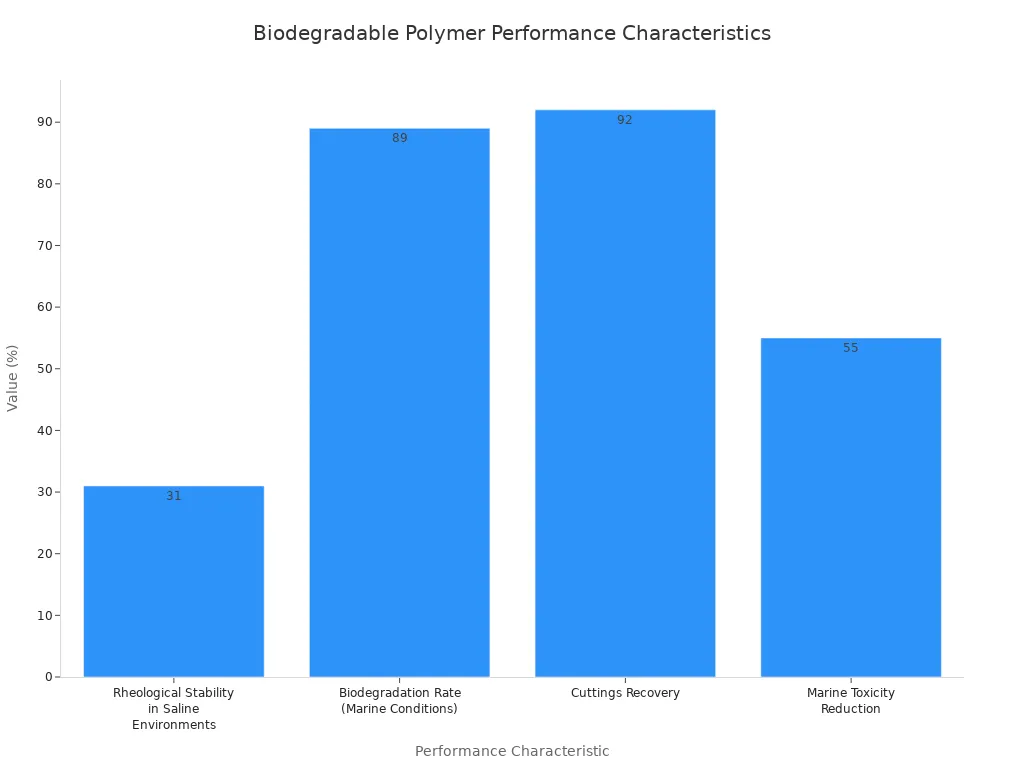
Poly(lactic acid) (PLA) nanocomposites are good choices. They break down naturally. They use multi-walled carbon nanotubes (MWCNT). They use graphene nanoplatelets. These are good for the environment. They are better than oil-based polymers. These nanocomposites are more stable in heat. They also work better mechanically. Graphene nanofillers make these properties stronger. These polymer nanocomposites make mud thicker. They work in oil-based muds. They show good flow. They also show good filtering.
Bentonite makes a filter cake. This makes boreholes steady. It works well in loose soils. Like sand. Polymer additives stop swelling. They work in packed soils. These include clay or shale. Mixed metal oxide (MMO) drilling fluids work well. They work where other fluids fail. They keep boreholes steady. They hold and move cuttings. MMO additives make gel stronger. They do this without making it too thick. They also do not raise pressures. This lowers the risk of frac-outs. It also lowers raised roadways. MMO fluids flow easily. They are like water. They hold solids. Regular bentonite fluids cannot do this. You can pump them with less pressure.
High pressures in the borehole cause frac-outs. Drilling fluid leaks into the ground. It can also leak to the surface. This stops projects. It causes fluid loss.
PAC polymers help bentonite mixes. They help filter more. They work in sands and cobbles. PHPA polymers stop clay from swelling. They work in reactive clay. They cover the clay. Bigger polymers help with holding. They make steady bore paths. They work in cobble and rocky conditions. They also help remove cuttings. Using the wrong fluid causes problems. It causes fluid to return by mistake. This also happens with wrong amounts of additives. Drilling fluid needs pressure. This powers mud motors. It moves drill cuttings. It also keeps boreholes steady. This stops jamming. It makes excavation efficiency better.
Self-Cleaning Reamers & Backreamers
Self-cleaning reamers shed cuttings. This stops material buildup. It stops jamming. These designs work all the time. They need less hand cleaning. This saves you time. It also makes your performance better.
Anti-Stall Powertrain & Overload Protection
CEGC's anti-stall powertrain stops pipes from getting stuck. It has overload protection. It gives high power. It has a wide speed range. Hydraulic load sensing manages pressure. It controls starting and stopping. This lessens shocks on rods. It also protects swivels and tools. This stops sudden power surges. It stops jamming.
Hydrostatic drives allow steady speed changes. You can go from very slow to very fast. They give smooth power. This is good for pushing loads. It is also good for climbing hills. Hydrostatic systems can stop without damage. This is unlike other gears. Hydrostatic drives are very good. Hydraulic pressure and flow are on-demand. Electronic control changes travel speed. It also changes pulling power. It matches load conditions. The load-sensing system lowers hydraulic output. It does this automatically. It saves energy. When little power is needed, the pump increases output. This allows fast movement. It does not speed up the engine. This electronic power gives great grip. It also gives quick response. A smart engine system keeps engine speed steady. This makes efficiency better. It makes performance better. It also makes safety better.
Load-sensing systems are a big step forward. They make hydraulics work better. They change pump output to match need. Modern controls keep pressure steady. This ensures best performance. It wastes less energy. This tech helps construction machines. Loads and needs change often.
-
Less heat is made.
-
Parts last longer.
-
Work is more exact.
-
Costs go down.
CEGC offers a "rock package." This includes cooling, filtering, and extra power. It also has strong parts. This package is for hard ground conditions. It further stops jamming. It ensures smooth excavation.
Real-Time Monitoring & AI Jam Detection in Directional Boring Machines
You need to know what happens underground. You need to know it right now. This helps keep your directional boring machine jam free tech never stops. New tech lets you see problems. It lets you fix them as they happen. This part shows how tech stops jamming while drilling.
Integrated Downhole Sensor Networks
You use many sensors. They are inside the drill string. These sensors gather important facts. They check pressure. They check it deep down. They also check it at the top. They measure weight. They measure twist on the drill bit. Other sensors find shocks. They find shakes. All this data helps you. It helps you know underground conditions.
These sensors send data. They send it to the top. They use things like fiber optics. This way, data is not lost. There are no delays. You get facts right away. This helps you make quick choices. You can find dangers fast. You can fix odd changes. These are in pressure, heat, or flow. This stops small issues. It stops them from becoming big problems. Engineers get fast feedback. They get it from these sensors. They can change excavation parameters. This stops costly stops. It stops broken tools. Looking at sensor data helps. It helps find problems before they happen. This allows for quick fixes. A strong database helps everyone. Everyone can see the data. This includes workers and bosses. They get the facts they need. The system does not slow down. This makes everything work better.
AI Anomaly Detection & Predictive Alerts
Computers look at this sensor data. They guess when jamming will happen. They do this before it starts. This gives you early warnings. For example, a special system helps guess. It guesses when machines will stop. This is like jamming. Other systems use a special way. They find wear on parts. A deep network helps find clogs. This is in the cutterhead. Another network guesses how a tunnel will move. A smart math tool helps guess. It guesses how the ground will settle. It also helps control how things work. Computers work with science rules. They find problems in water systems. A special computer method finds odd things. It finds them in data over time. This helps with many work problems.
These computer systems guess well. A jamming risk warning model shows. It shows a 95% correct rate. This is for finding jamming. This model shows a 94% chance of jamming. This is in places where jamming happens. It shows only 7% in normal digging spots. This strong jamming risk warning helps. It helps you avoid problems. This early look helps things work better.
Remote Operation & Automated Adjustments
Systems let you watch. They let you control your directional boring machine. You can do this from far away. A special system lets you do this. It uses smart computers. It changes drilling settings. It changes paths automatically. You see things right away. You get facts right away. You can control top tools from far away. This makes sure wells are placed right. It makes drilling work best. It also helps avoid crashes. It lowers shaking. It keeps the well strong. It does this right away.
Another tech helps control the drill bit. It does this when drilling sideways. It works with a guide system. This system looks at costs. It looks at tool data. It looks at how the drill string moves. It makes sideways drilling better. It makes it faster. You can watch it from far away. You can watch it from the site. You can watch it from a control room. It sets things automatically. It sets things for the hoist. It sets things for the top drive. It sets things for mud pumps. This makes wells better. It lowers human mistakes. Smart control systems manage drilling parts. They make sure things match your goals. Data methods guess bit angle. They guess direction. They guess spots. This is true for curved parts. These systems watch data right away. They learn how to steer. They tell the driller what to do. This allows for automatic changes. It changes the path. It changes other excavation parameters.
Working from far away brings new dangers. You must fix these for safety. Crashes can happen. They can happen between machines. They can happen with people. They can happen with buildings. Things can also fall. A careful way to manage safety is key. You must find all drill machines. You must find their control system. You must find how they connect. Use methods to find dangers. These find bad connections. They find ways to stop them. Use world rules for machines. Use rules for control systems. Share facts. Work as a team. Say clearly who does what. This is for safe working. A full way to look at machine safety is key. This covers its whole life. This includes making it. It includes putting it in. It includes using it. It includes fixing it. For example, a rule focuses on safe working. Another rule says no single failure. It should not cause a life danger.
You must also keep remote systems safe. Limit who can get in. Let remote access happen only through special ways. Use controls that depend on who you are. Do not let direct access from the internet. Watch remote users. Watch for signs of danger. These include new devices. These include new places. Limit big actions. Do not let remote users control key systems. Save important data. Put OT system safety first. Find all OT tools. List them. Check old parts for weaknesses. Check old software for weaknesses. Understand how IT and OT connect. Make systems stronger. Add security features. These include updates. These include password changes. Make strong access rules. Use two ways to log in. Split traffic. Use separate networks. Use firewalls. Get ready for problems. Have manual backup plans ready. Practice cyberattacks. Manage outside cyber risk. Check sellers. Limit their access. Put security rules in contracts. Use cloud safety steps. These include two ways to log in. These include hiding data. This full way makes sure things are safe. It stops jamming.
Precision Guidance & Stability Systems
CEGC's guide systems stop drills from going off course. They stop drills from crossing paths. They use matched power. This controls push. It controls pull. It controls spin. It controls feed. Strong frames help. Straight parts help. They lower shaking. This stops the machine from moving. Our systems are ready. They can connect to tracking systems. This helps keep the path straight.
Precise steering systems follow paths underground. They make sure measurements are right. They make sure direction is right. This is for drilling sideways. Tracking systems check guessed spots. They check them against outside points. A tracking source is put in a known spot. This source sends a signal. Sensors in the tool find this signal. This gives more check points. This makes the guessed spot much more exact. Adding tracking lowers constant errors. These errors are always there. They become the main problem. This is for long distances. This happens if you only use survey data. For example, a locating system worked with GPS. It was key for keeping the path straight. This system is known for its reach. It is known for its exactness. It allowed for correct path tracking. This was true even with tough conditions. These included moving ground. These included height changes. It worked with a drill rig. It gave workers trust. They could steer exactly. This was through unknown ground conditions. This made sure the drill head stayed on target. This makes digging better. It makes everything work better. It lowers the jamming probability.
You use new tech. This stops jams. You plan ahead. You use smart tools. You watch things closely. You train all the time. These things are key. They lower jam risk. They make work better. Use these new ideas. CEGC helps with this. This means less stopped time. Your directional boring machine jam free tech never stops. You stop jams. This makes work better now. Data right now makes things safer. It makes things work better. You handle all risks.
FAQ
What causes issues during directional boring?
Ground conditions often cause problems. This includes soft soil. It also includes hard rock. Poor fluid management causes jams. Wrong drilling settings also cause jams.
How does AI help prevent jamming?
AI looks at data. It guesses when jams will happen. It gives you early warnings. This helps you change drilling. It lowers the risk.
What is the benefit of advanced fluid management for excavation?
Advanced fluids make things slippery. They hold small pieces. This keeps the hole steady. It stops jamming. This makes your excavation better.


