
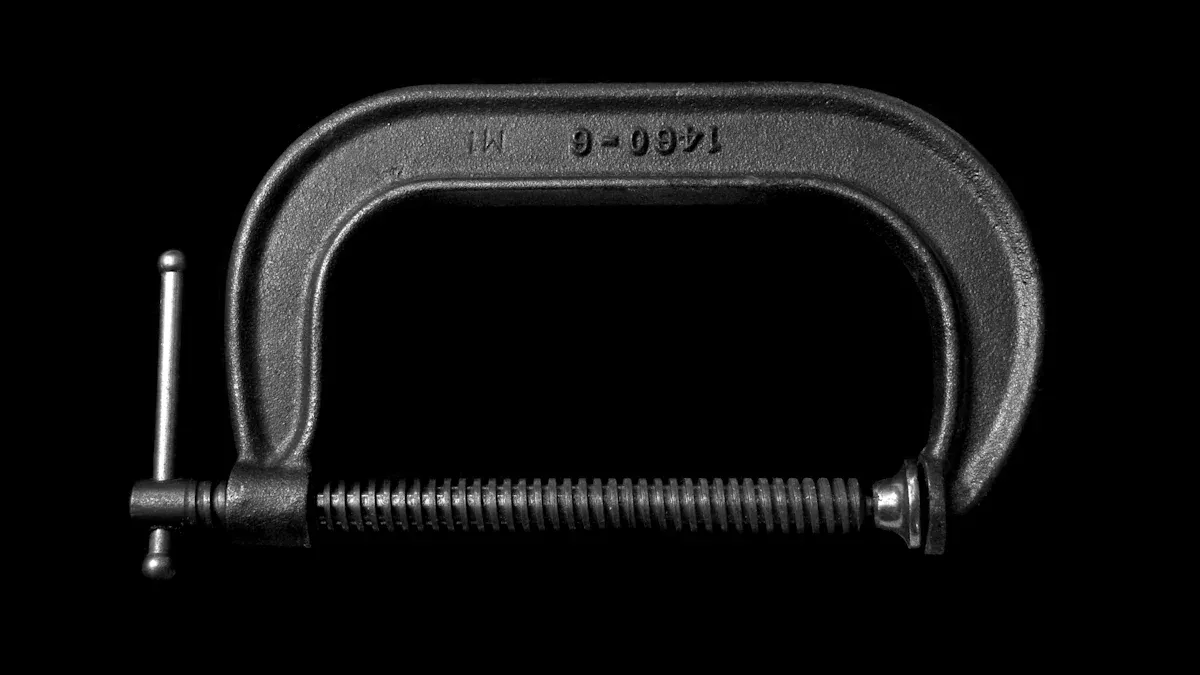
Trenchless drilling is very strong. You need grip anchors. They stop the rig from sliding. This blog tells how the Trenchless Drilling Rig Grip Anchor Beats Sliding. It makes sure drilling projects are exact. CEGC knows these problems. They give strong answers for your drilling machine.
Key Takeaways
-
Trenchless drilling rigs create strong forces. These forces can make the rig slide. Grip anchors stop the rig from moving. This keeps drilling projects accurate.
-
Grip anchors connect the drilling machine to the ground. They use special designs to dig in and hold tight. This creates a strong point that fights pushing, pulling, and twisting forces.
-
Different ground types need different anchors. Helical anchors work in many soils. Plate anchors work for surface resistance. Rock anchors work for solid rock. Choosing the right anchor makes drilling safe and successful.
Forces in Trenchless Drilling Operations
A Trenchless Drilling Rig creates immense forces during operation. These forces can cause your rig to slide. This leads to bore deviation and project failure. You need a strong stability system to stop these forces. This is why the Trenchless Drilling Rig Grip Anchor Beats Sliding.
Axial Thrust and Pullback
Your drilling machine pushes and pulls the drill string. This creates axial thrust and pullback forces. Thrust pushes the drill head forward into the ground. Pullback pulls the product pipe into the drilled hole. These forces are very strong. They can push your rig backward or pull it forward if not secured.
Rotational Torque and Vibration
The drill string also spins. This spinning creates rotational torque. Torque twists the drill string and the drill head. This action also causes vibrations. These vibrations can shake your entire rig. Look at the typical ranges for these forces:
|
Parameter |
Range |
|---|---|
|
Drilling Torque |
7 to 12 klbf.ft |
|
Lateral Vibrations |
2.7 to 7.2 g |
|
Axial Vibrations |
0.5 to 1.2 g |
|
Torsional Vibrations |
1543 to 2151 deg/s² |
These forces demand a stable platform.
Ground Resistance and Reaction
The ground itself pushes back against your drilling efforts. This is ground resistance. Different soil types offer different levels of resistance.
-
Hard and dense soils, like rock formations, offer more resistance.
-
Soft and loose soils, like sands and clays, offer less resistance. This resistance creates a reaction force on your rig. You must counteract this force to keep your drill path straight.
How Grip Anchors Secure the Directional Drilling Machine
You know about the big forces in trenchless drilling. Grip anchors are the answer. They connect your directional drilling machine to the ground. This connection is very important. It makes your rig stable.
Anchor Design and Ground Engagement
Think about how these anchors are made. They are not just simple stakes. They are made to dig into the ground well. For example, arrowhead anchors use special ideas:
-
Arrowhead Anchor Design Principles:
-
They have exact pivot points. These make them turn smoothly.
-
Strong cables attach to them. This makes them tough.
-
They use materials that do not rust.
-
Their design spreads out the weight. This helps them grab the soil.
-
These anchors work in three steps:
-
Phase 1: Installation: The anchor stays thin. This helps it go into the soil easily. Sharp edges cut through the soil. It stays on a straight path.
-
Phase 2: Rotation: You reach the right depth. You take out the drive rod. The first pull on the cable makes the anchor turn. It moves from up and down to side to side. This makes it hold better.
-
Phase 3: Engagement: The turned anchor digs into the soil above it. It makes a cone shape that resists. This gets stronger with more force. It holds very well.
Other anchors, like compression ground anchors, also work well. These anchors use pushing forces. They are better than anchors that use pulling forces. They last longer when under high pressure. They work by moving all the force to a part at the end of a hole. This happens through covered cables. This creates friction between the cement and the soil. As the pressure grows, the part moves toward the wall. This squeezes the cement. This squeeze creates friction between the cement and the hole wall. This lets the anchor hold weight.
Creating a Fixed Point of Resistance
Once in place, the grip anchor makes a strong holding point. This point acts like a solid brace for your directional drilling machine. It directly fights the pushing and pulling forces. It also takes in turning forces and shaking. Without this strong point, your rig would slide. It would move under the drilling forces. This anchor system holds your rig in place. It makes a steady base. This base lets your drilling work happen without unwanted movement.
Preventing Rig Movement and Ensuring Precision
This strong connection is key for accuracy. It helps the drill rig's "Precision Guidance & Stability System." When your rig stays still, your drill path stays straight. This stops problems like crooked holes. It makes sure horizontal directional drilling hdd projects are accurate every time. Every inch your rig moves without an anchor can mean feet of error underground. A steady rig means the operator can focus on guiding the drill head. They can keep the right bore path. This accuracy is very important for hard crossings. These include roads, rivers, or existing pipes. The Trenchless Drilling Rig Grip Anchor Beats Sliding by giving this important stability. It makes sure your horizontal directional drilling projects are successful and accurate.
Types of Anchors for Horizontal Directional Drilling Rigs
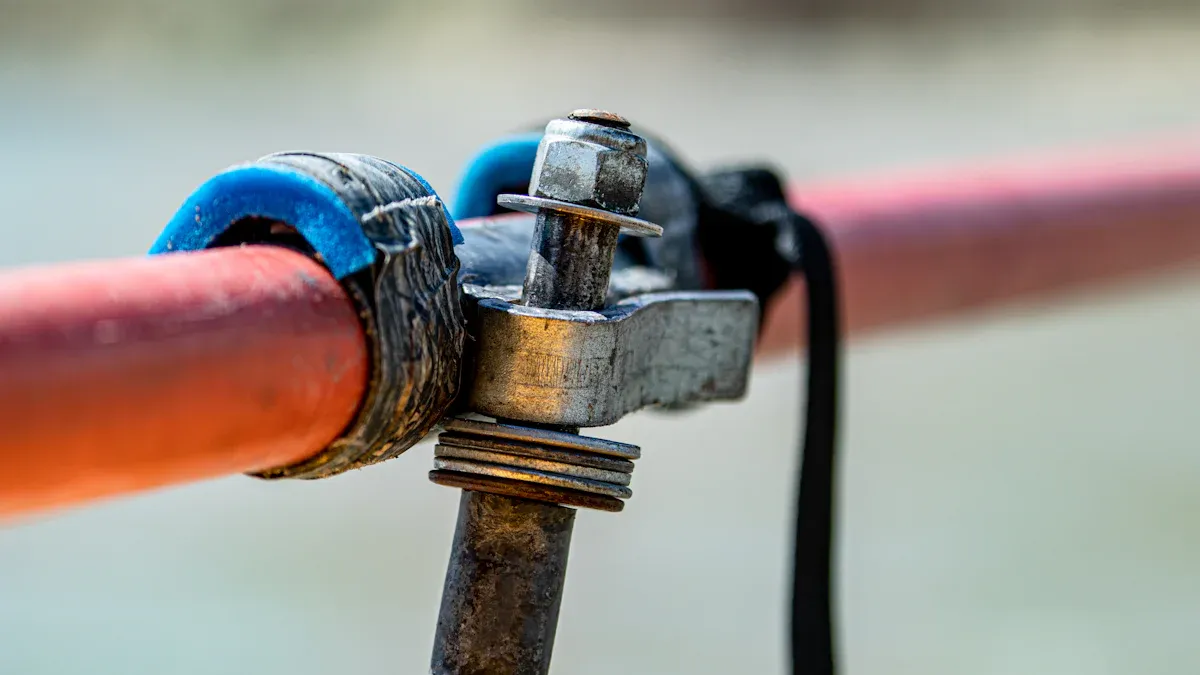
You know that different ground conditions need different solutions. This is true for anchors too. Choosing the right anchor type is very important for your horizontal directional drilling project. It makes sure your rig performs its best. CEGC understands this. We offer custom solutions. These solutions integrate with many anchoring needs for any Horizontal Directional Drilling Rig.
Helical Anchors for Varied Soils
Helical anchors are like giant screws. You twist them into the ground. They work well in many types of soil. They are good for soft clays, silts, and even some sandy soils. These anchors have specific design features. These features make them very effective.
-
Multiple sizes and capacities: You can find these anchors in many sizes. This lets you match them to your project's exact needs. They handle different soil types and load requirements.
-
Varied helix diameters and thicknesses: The screw-like plates, called helices, come in different sizes. Their diameters range from 6 to 14 inches. Their thickness can be 3/8 or 1/2 inch. This helps you target the best soil layers for holding weight.
-
Multiple helix combinations on the same shaft: Some anchors have many helices on one shaft. This design helps you reach and use the strongest soil layers. It makes the anchor work better in different ground conditions.
-
Corrosion protection: These anchors often have a special coating. It is called hot-dipped galvanization. This coating protects them from rust. This means they last a long time. They work well even in wet or harsh soils.
Plate Anchors for Surface Resistance
Plate anchors are another type of anchor. They are flat plates. You bury them in the ground. They create resistance against pulling forces. These anchors are good for shallower applications. They work well when you need to resist uplift or lateral forces near the surface. You often use them in softer soils. They spread the load over a larger area. This helps prevent the anchor from pulling out. They are simple to install. You can quickly set them up to secure your directional drilling machine.
Rock Anchors for Solid Formations
Solid rock formations need special anchors. Rock anchors are designed for these tough conditions. They provide very strong holding power. You install them by drilling a hole into the rock. Then you secure the anchor inside.
There are different ways to install rock anchors:
-
Resin and Grout Anchoring: You use resin capsules or cement grout. This creates a strong bond between the anchor and the rock. Resin capsules break and mix when you insert the bolt. Grout can go in before or after the bolt. This method gives high load capacity. It also resists corrosion. It works well in weak or broken rock. However, it needs careful installation. It also takes time to cure.
-
One-step Drilling and Grouting Anchoring: This method combines drilling and grouting. It is great for unstable ground. Hollow bars act as both the anchor and the drill rod. You pump cement grout through the bar. This fills the hole as you drill. This ensures the anchor is fully covered. It creates a strong bond. It also resists corrosion. This works even in cracked or wet rock. You get faster installation times. The bond quality is better. There is less risk of the borehole collapsing.
-
Mechanical Anchoring (Point Anchoring): This method gives instant support. It uses anchor bolts with an expansion shell. You drill a hole. You insert the bolt. Then you tighten it. This expands the shell. It locks the anchor into the rock. This works well in hard rock. It gives immediate support. You might use it for tunnels or temporary digs. It may not be good for soft or broken ground.
When you install rock bolts, you follow these steps:
-
Drill a Hole: Make a hole in the rock.
-
Insert the Rock Bolt: Put the bolt into the hole.
-
Tension the Bolt: Pull the bolt tight. This creates pressure in the rock. It makes the rock stronger.
-
Grouting the free length: Inject grout into the open part of the bolt for more support.
For rock anchors, you drill a hole. Then you place the anchor for passive holding. Rock anchors for slope stabilization are usually 6 to 12 meters long. Their diameter is typically 20 to 50 mm. They use strong steel or stainless steel. The bond strength between the rock and the grout is very important. It affects how much load the anchor can hold. The hole diameter also matters. It should let the bolt go in easily. It should also allow for a full grout column.
Custom Solutions for Specific Project Needs
Every horizontal directional drilling project is unique. You might face unusual ground conditions. You might have specific load requirements. Standard anchors may not always be enough. This is where custom solutions come in. CEGC understands this need. We work with you to design anchors. These anchors integrate perfectly with your Horizontal Directional Drilling Rig. We make sure they meet your project's exact demands. This ensures optimal performance and safety. The right custom anchor ensures your Trenchless Drilling Rig Grip Anchor Beats Sliding in even the most challenging environments.
Grip anchors are very important. They help your drilling rig. They make it steady and safe. These anchors stop it from sliding. They fight big forces. This helps projects be exact. A strong anchor system is key. CEGC has solutions for you. The Trenchless Drilling Rig Grip Anchor Beats Sliding.
FAQ
How do you choose the right grip anchor for your project?
Match the anchor type to your ground. Use helical for different soils. Use plate for surface resistance. Use rock anchors for solid ground. CEGC has custom solutions.
Can you use one type of anchor for all ground conditions?
No, different ground needs different anchors. Using the wrong anchor makes it less stable. It also makes projects risky. Always pick the best one for your site.
What happens if you do not use grip anchors?
Your rig will slide. This makes the hole go off track. It causes project delays. It can make the project fail. Grip anchors make drilling exact. They make it safe. They keep your project on time.


