
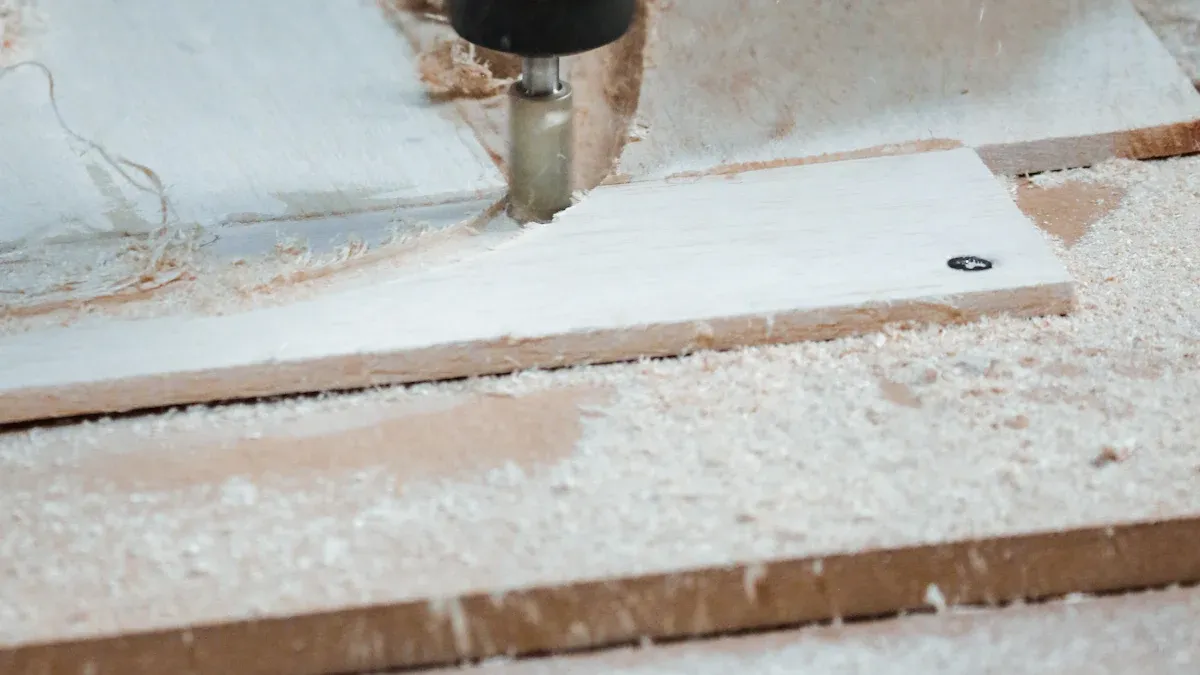
Horizontal directional drilling (HDD) jobs are harder in 2026. Dirt and rock bits underground cause problems. Trenchless Drilling Rig High Flow Beats Buildup, especially with CEGC drilling equipment, is the answer. They handle fluids better. This stops the buildup. It makes HDD work smoother. High-flow trenchless drilling rigs really beat buildup.
Key Takeaways
-
High-flow drilling rigs use lots of fluid. This fluid cleans the hole. It stops dirt from building up.
-
This new way of drilling makes projects better. It helps avoid problems like stuck pipes. It also makes the ground stronger.
-
High-flow technology saves money. It makes drilling faster. It also makes drilling safer for workers and the Earth.
Hard HDD Problems in 2026
Projects Get Harder
Horizontal directional drilling (HDD) jobs are harder now. They need longer holes. They also need bigger pipes. Guiding the drill for a long way is tough. Keeping the drill on track is a big problem. This is true in different kinds of ground. Hard rock makes all HDD steps hard. This includes the first hole. It also includes making the hole bigger. And pulling the pipe back.
Dirt Builds Up
A big HDD problem is dirt buildup. Clay, sand, and rock bits pile up. They gather in the hole. This stops the drilling. It can also break machines. Controlling this buildup is key. It helps projects succeed.
Old HDD Ways Don't Work
Old horizontal directional drilling ways struggle. They can't handle more dirt. This causes many delays. It also means doing work again. Projects with many long crossings have trouble. Projects with fast-changing ground also struggle. Putting in big pipes is hard for old ways. These limits cause fines. They also cost more money.
High-Flow Trenchless Drilling Technology Explained
Defining High-Flow Systems and Principles
High-flow systems use lots of drilling fluid. They use high pressure too. This fluid goes through the bore path. It takes away cuttings. It also makes the hole strong. The main idea is to keep fluid moving fast. This stops solids from settling. It keeps the bore clean and steady. This is key for modern horizontal directional drilling projects.
Key Components for Enhanced Fluid Management
Modern drilling equipment has better fluid parts. These parts work together. They handle lots of fluid. Mobile decanter centrifuges work well. They clean much drilling fluid. Other key parts are:
-
Portable dewatering systems
-
Mud recovery units
-
Closed-loop recirculation systems
-
Mud conditioning equipment
-
Mobile mixing and storage tanks
-
Flow monitoring and control systems
Reclaimer power is much better. Some reclaimers clean 1,200 gpm. This shows new trenchless technology power. A good solids control system is also vital. It takes drill cuttings from the fluid. This system has screens, shakers, and centrifuges. It cuts disposal costs. It makes fluid last longer. It also allows faster flow. This is key for good borehole drilling equipment.
How High Flow Beats Buildup: Advanced Fluid Management
High flow stops buildup underground. It uses smart fluid control. Fluid cleaning systems manage fluid flow. They keep solids floating. This stops them from settling. Changing drilling speed helps. Faster fluid flow helps too. This stops solids from making dams. Bringing solids up well lowers risks. It stops clogs and spills. This keeps the bore path safe. Using drilling fluid additives also helps. This is how trenchless drilling rig high flow beats buildup.
Making Horizontal Directional Drilling Better with High Flow
High-flow systems change how we plan horizontal directional drilling jobs. They make designs more exact. They also make them work better. This leads to better project results.
Checking the Ground Before Drilling
Knowing the ground is the first step. A good geotechnical program gives important facts. It shows what is under the ground. This includes dirt types. It also includes rock types. It shows water levels too. Engineers use these facts. They make a detailed geological model. This model helps guess how the drill will act. It also finds possible dangers. High-flow systems get a lot from this early check. They let engineers pick the best drilling fluids. They also pick the best pressures. This makes sure the rig is ready. It is ready for any ground. The correct geological model guides all design choices after this.
Smart Fluid Work for Different Grounds
High-flow systems allow smart fluid work. Different ground types need special drilling fluids. For example, sandy dirt needs fluids. These fluids stop it from falling apart. Clay ground needs fluids. These fluids stop it from swelling. High-flow systems can give these special fluids well. They keep fluid flowing steadily. They also keep pressures steady. This makes sure the fluid does its job. It cleans the hole. It makes the hole strong. It also cools the tools. This ability to change is key. It is key for hard projects. It stops problems before they start.
Planning the Hole and Best Path
High-flow tech makes hole planning better. Engineers can plan harder paths. They can plan longer holes. They can plan deeper holes. The system cleans out dirt well. This is key. It keeps the hole clean. This makes rubbing less. It also lowers the chance of stuck pipe. This allows more exact path changes. The design process for horizontal directional drilling becomes more sure. It makes sure the drill follows the planned path closely. This smart planning saves time. It also saves money.
Using High Flow for Exact Guiding and Steady Work
High flow helps with exact guiding. It keeps the hole steady. This steadiness is key for steering right. The steady flow of fluid takes away trash. It also holds up the hole walls. This stops sudden shifts. Workers can guide the hdd rig with more trust. The drill stays on its path. This is very important for key crossings. It makes sure the project meets exact needs. High flow makes hard horizontal directional drilling jobs possible.
Overcoming Subsurface Challenges with High Flow
High-flow systems fix hard problems. These problems are found underground. They offer strong answers. They solve many subsurface issues. These systems make work smoother. They help projects succeed more.
Mitigating Frac-Outs and Inadvertent Returns
Frac-outs and returns are big problems. They happen in horizontal directional drilling. Drilling fluid escapes the hole. This can harm the environment. It can also delay projects. High-flow systems help stop these risks.
Many things cause frac-outs:
-
Hydraulic fracturing: Fluid pressure gets too high. It breaks the soil.
-
Cracks already in the soil.
-
Easy paths for fluid to leak. These are along things like piers.
-
Loose gravel or rocks. They are above the hole.
-
Plastic yielding: Fluid pressure is too much. It is more than the soil's strength. This makes fluid get lost.
Bad fluid work also raises risk:
-
Thick drilling fluid returns: This needs more pump pressure. It causes high pressure around the drill.
-
Weak drilling fluid gel strength: The fluid cannot carry cuttings. This causes clogs. It also over-pressures the ground.
-
No filtering or fluid-loss control: Coarse soils can fall apart. This blocks flow around the drill.
-
Not pumping enough: Not enough drilling fluid. This can cause very high pressure around the drill.
-
Wrong reamer choice: This can limit pumping. It can also limit flow around the drill.
-
Bad drilling method: Not pulling back and turning the bit. This can make less space around the drill. It blocks cuttings. It also over-pressures the ground.
High-flow systems fix these problems. They use smart mud mixing. They also use fluid control. This keeps mud good. Good fluid flow stops too much pressure. It also keeps the hole strong. This greatly lowers frac-out risk. This is how trenchless drilling rig high flow beats buildup.
Improving Bore Stability in Unstable Ground
Bad ground always threatens hole strength. High-flow systems offer solutions. They make weak ground strong.
One key way is Wellbore Strengthening. This method uses drill-made cracks. It fills them with special mixes. Software figures out crack width. It finds the right particle size. This seals the crack inside. It stops it from growing.
The industry now focuses on 'loss prevention material'. This means stopping fluid loss first. It is better than fixing it later. This way is more effective.
High-flow systems allow these plans. They deliver special fluids. These fluids make hole walls strong. They stop collapse. This helps in empty areas. It also helps in angled holes. This makes the hole more stable. It lowers the chance of costly failures.
Preventing Stuck Pipe and Managing Torque Spikes
Stuck pipe and torque spikes are common. They cause big delays and damage. High-flow systems and good drilling equipment stop these issues.
Clean holes are very important. Fast fluid flow removes cuttings fast. This stops them from piling up. Piled-up cuttings can trap the drill string. This causes more rubbing. It leads to stuck pipe.
New horizontal directional drilling rigs have anti-stall engines. They also have overload protection. These systems work with high flow. They give strong turning power. They also have many speeds. Hydraulic load sensing is built in. Pressure management is too. This stops sudden shocks on rods and tools. Controlled start and stop reduce stress. This ensures steady daily work. It lowers stuck pipe risk. It also protects the hdd rig parts.
Addressing Tool Wear and Consumables Cost
High costs for parts and fast tool wear. These greatly affect project money. High-flow systems help cut these costs. They do this by working better.
Smoother turning power is a big plus. High-flow systems reduce shaking. They reduce uneven wear. This is on reamers and cutters. This makes them last longer. Good hole cleaning also helps a lot. It stops sharp cuttings from grinding tools. This reduces wear.
Tool matching and strong parts help more. These systems work with many reamer types. They ensure best work. Custom rod sizes and tool joint types match the ground. They also match preferred tools. This means fewer tool changes. It lowers total part costs. It also makes the horizontal directional drilling rig used more. Exact guiding and stable systems help. They are often helped by good fluid flow. They ensure accurate work for hard crossings. This means less re-drilling. This saves tools. These systems, with good steering systems, make tools last longer.
The Future of Horizontal Directional Drilling
New Tech and Robots
The future of horizontal directional drilling looks good. New tech is coming. Robot steering systems are now normal. They use live info. They use smart computer rules. This makes drilling very exact. It means less human help is needed. This makes work faster. Drilling fluids are also getting better. They are safer for nature. This helps our planet. New hdd rigs have good tracking systems. These systems let people control them from far away. They are also smaller. They use less power. This makes them easy to use in small places. Project leaders can see info from anywhere. This helps them make good choices.
Money Benefits: Fast Work and Less Cost
High-flow hdd tech saves a lot of money. It makes projects work better. This makes costs go down. Robots in making things get better results. Products are always the same. Work becomes simpler. This means less waste. It also makes companies fight better. These ways help keep money in the economy. They help reuse and recycle.
Safe Work and Green Earth
New drilling ways also make things safer. Good control means fewer accidents. Better fluid care stops spills. Earth-friendly drilling fluids hurt nature less. This keeps local nature safe. These new things make drilling safer for workers. They also make it safer for the world.
Companies Using New Ways
The industry is fast taking on these new ways. Good drilling methods are becoming normal. More study and new ideas are happening. Computer tools are now part of drilling machines. This shows a clear move to new trenchless technology. These ways make project results better.
Trenchless drilling rig high flow beats buildup. It is very important. This is for hard drilling jobs in 2026. This tech fixes problems underground. It stops buildup. It stops the drill from going off course. It stops pipes from getting stuck. It makes fluids work better. High-flow systems work faster. They have fewer stops. They are safer. They are a must for good drilling jobs.
FAQ
What is a high-flow trenchless drilling rig?
A high-flow horizontal directional drilling machine uses good fluid systems. These systems handle much drilling fluid. This keeps the hole clean. It makes work go well.
How does high flow prevent subsurface buildup?
High-flow systems always move fluid. This takes out cuttings and dirt. It stops things from piling up. This stops clogs. It keeps the hole strong.
What are the main benefits of using high-flow HDD technology?
Benefits are better work. Projects stop less often. There is less chance of frac-outs. It also makes the hole stronger. This helps projects finish well.


