
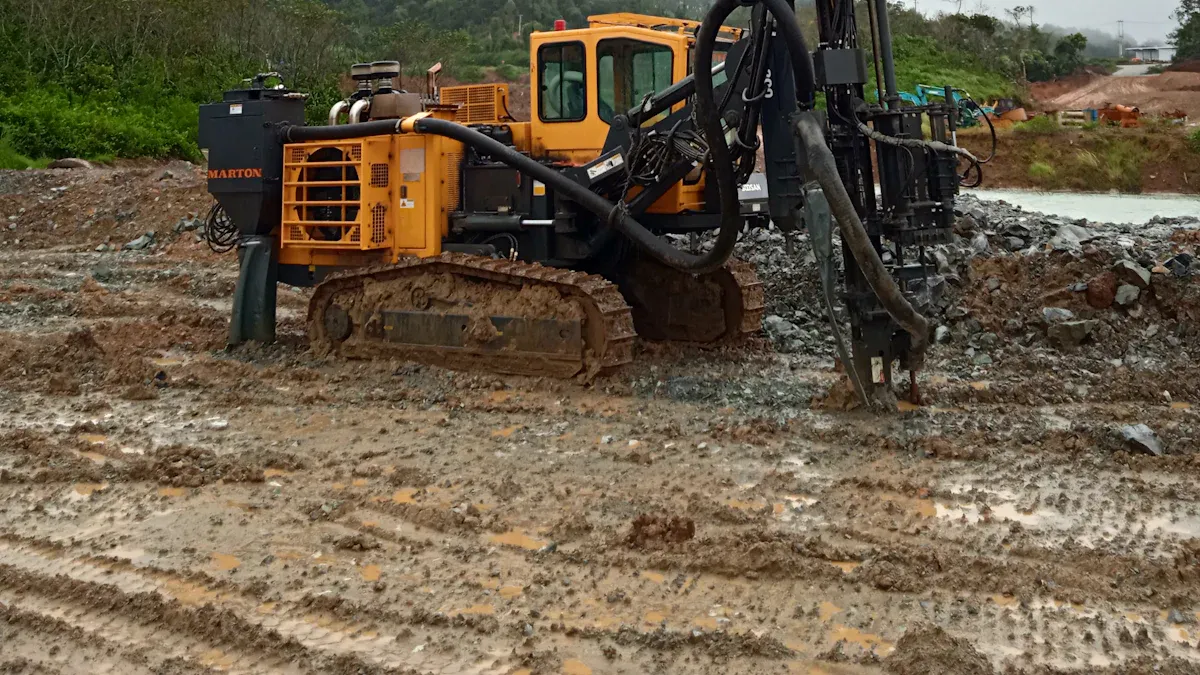
High-volume mud systems are a primary protection in horizontal directional drilling. An HDD Rig Supplier High Volume Mud Prevents Clogging by ensuring optimal drilling fluid performance. This is crucial in horizontal directional drilling as the drilling fluid maintains bore integrity and facilitates efficient drilling. Sufficient fluid volume is key to preventing clogs, which in turn enhances project efficiency. CEGC offers robust systems designed to effectively manage drilling fluid.
Key Takeaways
-
High-volume mud systems stop clogs. They keep the drilling path clear. This makes drilling smooth.
-
These mud systems cool tools. They make tools last longer. This saves money and time.
-
High-volume mud helps the environment. It stops fluid leaks. This keeps the job safe and clean.
High-Volume Mud: Preventing Clogging in Horizontal Directional Drilling
High-volume mud systems stop clogging. They are vital in horizontal directional drilling. These systems use science. They use engineering. This keeps the bore clear. They make the drilling process smooth.
Fluid Dynamics and Borehole Stability
High-volume mud systems are key. They keep the borehole stable. They use special fluid traits. This keeps the bore open. It stops collapse. The flow traits of the drilling fluid are very important.
-
Viscosity and Yield Stress: These are very important. They help hold up particles. They move cuttings. This happens even when fluid moves slowly. More viscosity and yield stress help carry things better.
-
Filtration Characteristics: These are also key. They help keep the wellbore stable. Bad filtration lets water into porous ground. This can cause problems. Pipes can get stuck. The ground can fall apart.
-
Mud Density: This helps keep pressure in the ground. It also makes the wellbore more stable. If mud is too light, the wellbore can break. It can collapse. If it is too heavy, fluid can be lost. Drilling can slow down. The ground can be harmed.
-
Plastic Viscosity: This shows how fluid resists flow. This resistance comes from friction. It is between solid bits and fluid layers. It depends on the base fluid. It depends on how many solids are in it.
-
Yield Point (YP): This measures how non-Newtonian the drilling fluid is. It shows the fluid's power. It holds drill cuttings in the wellbore. This stops problems. It stops differential sticking. A higher YP means better carrying. It means cleaner boreholes. This also helps the fluid management system. It lowers the need for too much recycling. This is for dirty fluid. Good fluid flow keeps the fluid clean. This is key for good recycling later. The constant drilling process needs these traits. This is for best performance.
Lubrication and Cooling for Drill Rigs
High-volume mud systems do more. They stabilize the bore. They also lubricate and cool tools. This is vital for performance. It helps equipment last longer. Not enough lubrication causes more friction. It causes more heat. This makes drill bits wear out fast. Their life becomes shorter.
Overheating and too much force are common. These often come from not enough cooling. Or wrong pressure. These issues greatly cut how long mining drill bits last. Using good lubricants helps. It cuts friction and heat. This makes bits last longer.
Not enough drilling fluid flow means cooling is bad. Cleaning system does not work well. This can cause heat to build up. It can cause bit balling. Cuttings stick to the bit. Stall or torque spikes can happen. Tool wear goes up. Wrong use of an HDD hole opener happens. This is when there is not enough cooling. Not enough lubrication. This can make cutters overheat. They can fail. Bearings and seals wear out too soon. The Rate of Penetration (ROP) goes down. Replacement and downtime costs go up. High-volume mud cools constantly. This is key for drilling operation efficiency. This also keeps fluid quality. It makes it good for future recycling. This early action for fluid management helps recycling systems.
Cuttings Transport and Borehole Clearance
High-volume mud systems are key. They move cuttings out of the borehole. This stops them from building up. It stops clogs. Fast removal of cuttings is very important. If solids are not removed, they can go back. They go into the mud system. This changes how the fluid flows. It changes its density. It changes how well it lubricates. This going back makes the fluid thicker. It makes pressure unstable.
Quick removal stops this buildup. It keeps mud traits stable. It also makes drilling faster. It cuts problems. Like stuck pipes. Or unstable boreholes. The mud's power to carry things depends on its viscosity. Its density. Its suspension. Its gelation. This is key for moving drilling cuttings to the surface. The fluid must move faster. It must move faster in the annulus. Faster than cuttings fall down. This is called slip velocity. If circulation stops, mud must hold cuttings up. This stops them from settling. Settling can cause costly re-entry problems. But if mud is too thick to hold cuttings, it needs high pump pressures. This is to start circulation again. This can lead to losing fluid. The 'chip hold-down phenomenon' happens. A broken chip resists removal. This is due to pressure differences. Fluids that lose a lot of fluid fast. (High 'spurt loss'). They can help balance these pressures. This helps remove chips.
Drilling fluid must have right flow traits. It needs to carry solid particles. It carries them to the surface. It must also stop them from settling. This is when fluid moves slowly. Careful checking of fluid flow is vital. Annular speed is vital for safe drilling. Thick fluid can move cuttings. But too much thickness can make hole cleaning worse. This is in directional wells. It can also increase the equivalent circulating density (ECD). Other things affect how drilled particles move. These include drill pipe type. Drill pipe size. Borehole size. Pressure. Flow rate. Mud density. Hole angle. Drill string and pipe rotation speeds help clean the hole. Pipe eccentricity often cannot be avoided. These borehole factors work together. It is important to study how they affect cuttings transport. This ensures the drilling process performance. The constant flow of high-volume mud stops solids buildup. This keeps the fluid's integrity. It also makes future recycling efforts better. This also helps in recycling the fluid. It keeps it cleaner. This improved efficiency and safety. This also meant less dirty fluid for recycling. This shows how HDD rig supplier high volume mud prevents clogging. It improves overall performance. It supports future recycling efforts.
Maintaining Hydrostatic Pressure and Bore Integrity
High-volume mud systems are key. They keep hydrostatic pressure. This pressure is vital. It keeps the borehole stable. It stops the bore from collapsing. Especially in unstable ground.
Drilling mud is weighted. This creates hydrostatic pressure. It balances the ground's stress.
This balance is critical. It is for bore integrity and safety. The density of the drilling fluid is very important. It gives the hydrostatic pressure needed. It fights against pressure from the ground.
-
Drilling fluid density is crucial. It gives hydrostatic pressure. This pressure works against formation pressure.
-
Ideal drilling fluid density is usually 8.5 to 12.5 pounds per gallon (ppg).
-
Sometimes, density may need to be as high as 14 ppg. This is true to fight groundwater. Or higher pore pressures in formations.
This careful control of pressure helps stop frac-outs. It also keeps the bore open. This helps the overall drilling process efficiency. An HDD rig supplier high volume mud prevents clogging. It does this by ensuring this key pressure balance. This also helps keep the fluid quality. It makes it good for recycling. The entire system needs this exact fluid management. This careful management also helps good recycling practices.
Benefits of High-Volume Mud: Efficiency and Cost Savings
High-volume mud systems offer many good things. They save money. They make things work better. This is for horizontal directional drilling jobs. These good things do more than stop clogs. They help every part of the drilling work.
Enhanced Drilling Efficiency and Speed
High-volume mud makes drilling faster. It makes it work better. A steady flow of drilling fluid keeps the hole clean. This means the drill bit can cut easily. It cuts through dirt and rock. This makes it drill faster. It lets drilling happen all the time. This cuts the time to finish a hole. Better drilling efficiency means jobs end sooner. This saves time. It saves money. The whole drilling system works much better.
Reduced Downtime and Rework
High-volume mud has a big plus. It means less time wasted. It also means less work to redo. When the mud system works well, problems are rare. Problems like stuck pipes. Or holes falling in. These problems cause long delays. They also cost a lot to fix. Good mud care helps stop these problems. This means fewer times when work stops.
Quality checks are very important. They use good mud and cement. This is for oil rig work. They help cut wasted time. They cut work that needs redoing. They cut hidden lost time. These ways stop problems. Problems like fishing. Or fixing cement. Or stuck pipes. Or redoing tests. This leads to fewer well control issues. It means less wasted time. It means less work to redo.
This table shows money saved. It is from good mud care:
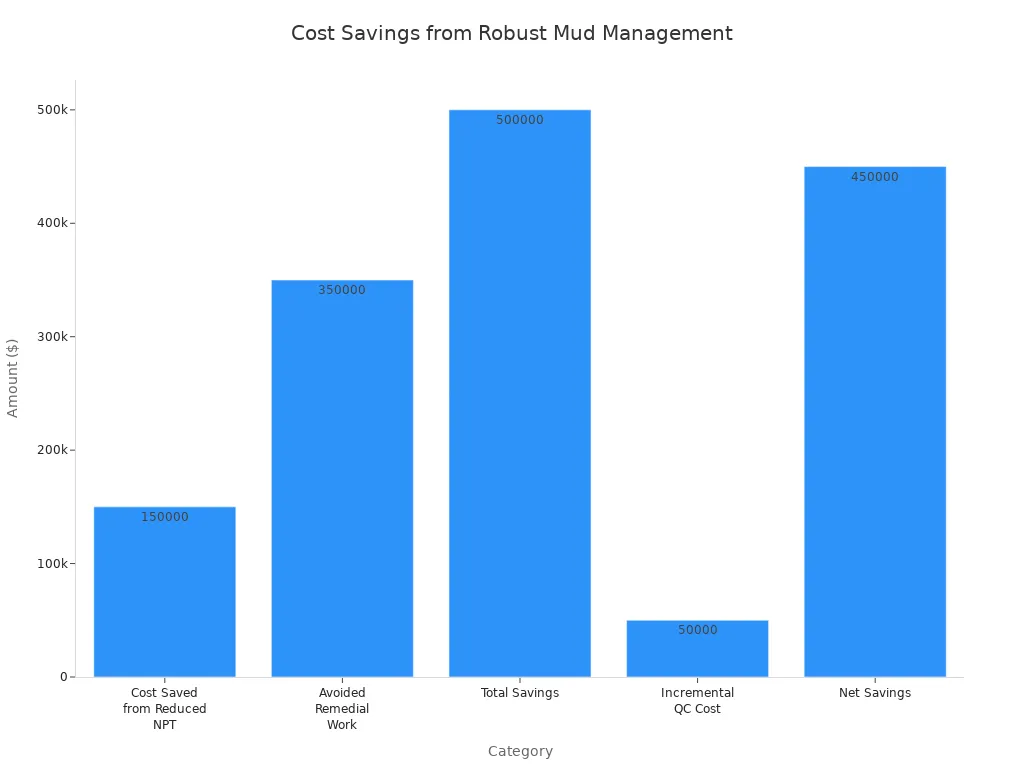
Good mud care can save a lot of money. It saves hundreds of thousands of dollars. It does this by cutting wasted time. It avoids costly repairs. This makes jobs earn more money. It also makes jobs work better.
Extended Tooling and Equipment Lifespan
High-volume mud protects costly drilling tools. It also protects equipment. The fluid provides important grease. It lowers rubbing on drill bits. It lowers rubbing on reamers. It lowers rubbing on drill rods. This makes them wear out less. It makes these tools last longer. The mud also cools the drilling parts. This stops them from getting too hot. Getting too hot can harm equipment. By protecting tools, high-volume mud means fewer replacements. This lowers costs to run things. It also makes the whole drilling work better.
Mitigating Environmental Risks and Frac-Outs
High-volume mud helps keep the environment safe. It helps stop frac-outs. A frac-out happens. This is when drilling fluid leaks. It leaks into the ground around it. This can harm the environment. It can lead to fines. It can lead to cleanup costs. High-volume mud keeps pressure steady. This keeps the hole strong. It stops fluid from leaking. This protects nature. It also follows rules. This careful drilling is key for job success. An hdd rig supplier high volume mud prevents clogging. It also helps protect nature.
The CEGC Advantage in Mud System Integration
CEGC knows the hard parts of drilling. We offer new ways to use mud. We offer ways to handle fluid. Our systems fix common problems. Problems like low flow. Problems like low pressure. Problems like frac-out risk. We give expert advice. This is for pump size. This makes sure there is enough fluid. This is for each job. Our pump packages can be changed. They fit specific job needs. This makes them work best. CEGC's ways make things work better. They lower risks. They also help reuse drilling fluid. This makes drilling work more lasting.
Implementing Effective Solids Control and Drilling Fluids Recycling Systems
A new solids control system is very important. It keeps drilling fluid clean. This makes things work better. Setting up these systems right is key.
Key Elements of a Solids Control System
A good solids control system starts with shakers. They catch big pieces. Desanders and desilters use special tools. They take out smaller sand and dirt. Centrifuges clean the tiniest bits. This full cleaning is important. This way of cleaning helps drilling. This solids control system is needed. It keeps the fluid good.
Optimizing Mud Properties and Particle Size Management
Managing particle size is important. It changes how well drilling works. It also changes how long tools last. Drilling fluids properties like thickness and weight are key. They help move cuttings. They clean the hole. Rheology is how fluid flows. It changes how mud works. Plastic viscosity and yield point are important. They show how many solids are in the fluid. Thick mud can slow drilling. New solids control system tools target certain particle sizes. This includes shakers, desanders, and centrifuges. This careful cleaning keeps mud good. It makes drilling faster. It uses less mud. This makes drilling cleaner. It also makes tools last longer. This makes things work better. This system is very important.
Best Practices for Drilling Fluids Recycling Systems
Good drilling fluids recycling systems save money. They help the earth. Closed-loop systems are best for recycling. They use metal tanks. They have tools to remove cuttings. This makes recycling better. Taking water out of waste drilling fluid is another way. Machines like centrifuges separate water. This lets us reuse the water. Heat is used to get oil from mud. Special tiny living things break down bad stuff. These ways make less trash. They make recycling better. This keeps things safe. This system cleans very well. These drilling fluids recycling systems are key.
Training and Operator Proficiency for System Success
Good training is very important. Workers must know the solids control system. They must know drilling fluids recycling systems. Skilled workers can make mud better. They can find problems early. This makes the whole system work well. Their knowledge helps clean the mud. This helps keep drilling safety. It also gets the most from recycling. This makes all drilling better. Cleaning the mud is always needed.
High-volume mud systems are very important. They help with horizontal directional drilling. An hdd rig supplier high volume mud prevents clogging. This is a smart choice. It makes work better. It helps projects do well. Focus on good mud care. This will help your drilling plan. Better fluid care is coming. This includes recycling. It will change how well drilling works. This is key for all drilling jobs.
FAQ
What is the main purpose of high-volume mud in HDD?
-
High-volume mud keeps the borehole stable. It moves cuttings out. This prevents clogs. It also cools and lubricates drilling tools. This makes drilling efficient.
How does drilling mud prevent clogging in the bore?
-
Mud carries drilled material away. It keeps the hole clear. This stops solids from building up. It also maintains pressure. This prevents bore collapse.
What are the key advantages of using high-volume mud systems?
-
High-volume mud boosts drilling speed. It cuts downtime. It extends tool life. It also lowers environmental risks. This saves money and time.


