
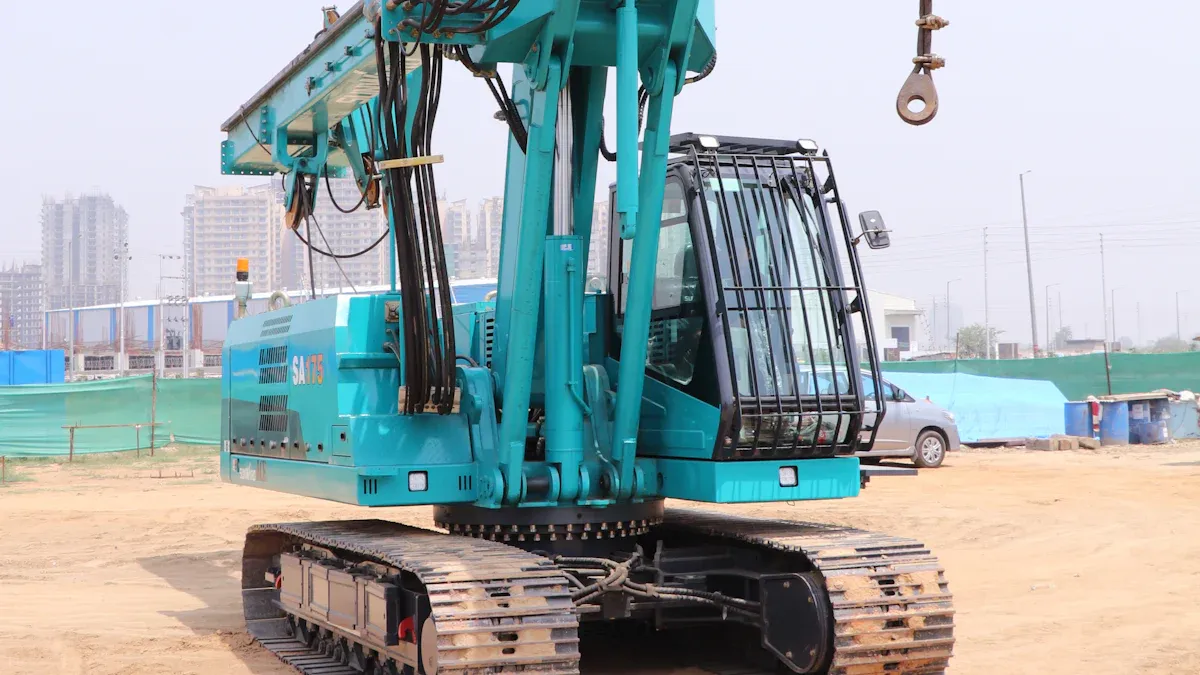
The demand for trenchless technology is surging, with market projections reaching an impressive $7.7 billion by 2034. This method of construction minimizes disruption, making it highly desirable. The CEGC Trenchless Drilling Rig Masters Every Ground Type due to its advanced drilling capabilities and adaptable operational modes. This blog will explore how this versatile Trenchless Drilling Rig excels in diverse ground conditions.
Key Takeaways
-
CEGC's drill works in all ground. It handles soft soil. It also handles hard rock. It has special tools. It has smart systems.
-
This way of drilling helps projects finish fast. It saves money too. It does not mess up public areas. It does not harm the environment.
-
CEGC drills can change. They fit project needs. They are good for many jobs.
The Power of Horizontal Directional Drilling
What is Trenchless Drilling
Trenchless drilling installs pipes. It puts them underground. It does not dig a long trench. Horizontal directional drilling (HDD) is a key part. It is a trenchless construction method. This HDD method is precise. This type of HDD works very well.
-
Pilot Hole: First, operators drill a small hole. They pump drill fluid. It goes through the pipe. This fluid breaks up materials. It brings cuttings back. A transmitter is in the drill head. It sends signals. This helps the operator. They track and adjust the path. The drill bit reaches the end. A reamer then replaces it.
-
Pre-Reaming: Next, the pilot hole gets bigger. It becomes the right size. This is for the product line. The reamer moves back. It also rotates. More drill fluid is pumped. This removes debris. It stops future blockages.
-
Pipe Pullback: Last, the drill rod and reamer connect. They fasten to a swivel. This stops twisting. It is between the product line and reamer. The product pipe enters the hole. Drill fluid helps. It acts as a lubricant. This makes installation smooth. This whole drilling process is good.
Key Benefits of HDD Technology
HDD technology has big advantages. This HDD method offers many good things.
-
Faster Project Completion: HDD makes projects finish quicker. It digs less. It also means fewer road closures. It stops service problems.
-
Cost Efficiency: HDD often saves money. This is true over time. It is good where digging is hard. It is also good where rules are strict. Savings come from less work. They come from less repair. They come from less traffic control.
-
Minimal Public Disruption: This method causes little mess. It is good for cities. It is good for sensitive areas. It is good for busy places. It avoids digging roads. It avoids digging sidewalks. This keeps things as they are. Horizontal directional drilling machines make this happen.
CEGC's Role in Modern Infrastructure
CEGC is important. It helps modern infrastructure. Our advanced horizontal directional drilling machines are used. They are in many projects. These include city projects. They include power projects. They include telecom projects. We also help pipelines. We help energy projects. CEGC gives full support. It is for trenchless engineering. This is for HDD. This makes sure installations work. This is true even in tough ground. Our skill helps big projects. These are all over the world. This includes pipelines. It includes energy sectors. Our drill rigs are strong. They are for these hard jobs. This focus on good drilling makes CEGC a leader. It is a leader in HDD.
Drilling Soft and Unstable Ground
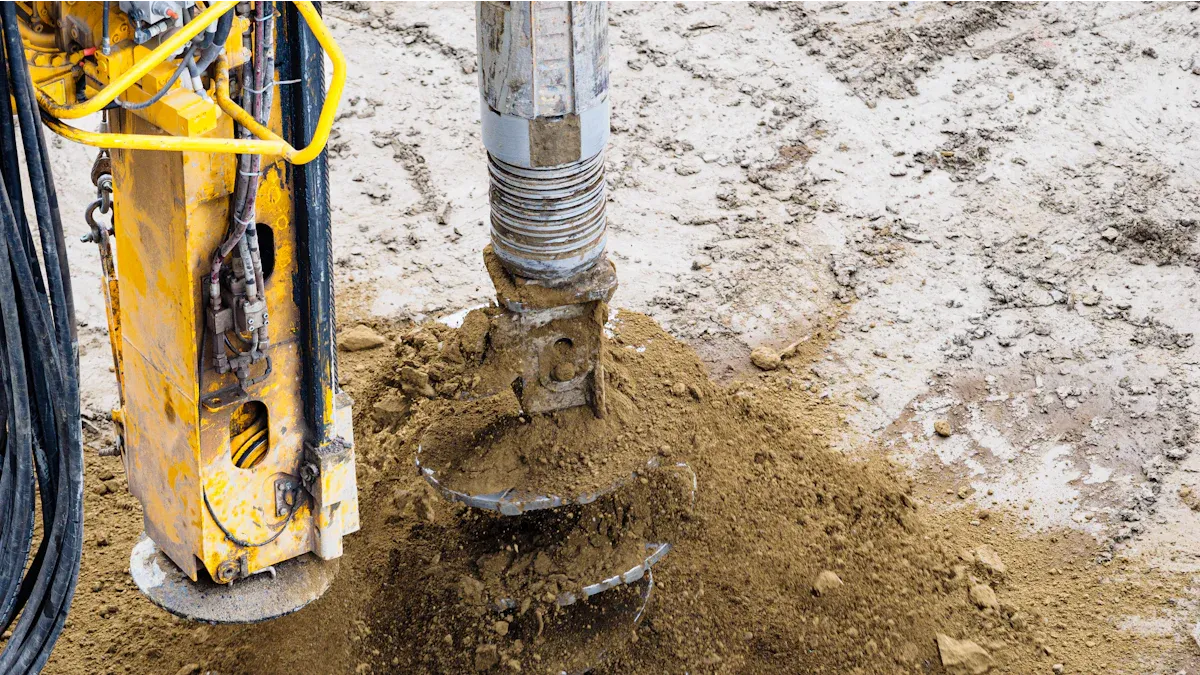
Horizontal directional drilling faces tough places. These include loose soils. They include sands. They include muddy areas. CEGC's horizontal directional drilling machine handles these. It masters difficult soft ground conditions. It makes projects succeed. Other rigs might fail.
Navigating Loose Soils and Sands
Loose soils and sands are hard. They challenge any drill work. These soft ground conditions cause big problems. For example, sand and water can flood pits. Ground near the casing head can sink. Operators face high pressure. It can reach 3,800 psi. Casing must move always. This stops it from locking. Water in the pit stops welding. It needs much dewatering. Sand binding is another problem. It needs reverse rotation. This frees augers. Forcing stuck augers breaks things. It breaks augers. It breaks hexes. It breaks keys. Sand blockage raises pressure. It reaches 2,800 or 3,000 psi. This happens when new casing pushes start.
Also, loose soils can collapse boreholes. They can lose fluid. Keeping straight is hard. These soils are not strong. This makes them unstable. Voids can form. CEGC's hdd rigs use special ways. They fix these problems. Our machines control drilling fluids. They use exact pressure. This makes the bore path steady. It lowers collapse risk.
Techniques for Saturated Environments
Wet places are complex. Muddy ground is one. High water tables are another. These conditions risk projects. They risk the environment. Drilling mud parts can be toxic. Sodium chloride is one. pH levels are another. Lignin-based reagents are toxic. These are very harmful. Polymers like PAA and CMC are less toxic. Salt-filled drilling mud is most toxic when new. It gets less toxic later. Tests show multi-part drilling mud is very toxic. This is true with potassium bichromates. It is true with high salt. Low salt mud is almost safe. But more salt makes it toxic. 20% or more salt is very bad. Oil-based drilling muds are worse. They have harmful chemicals. These hurt water life. They hurt animals. They hurt people. Heavy metals are also toxic. Lead, arsenic, and manganese are examples. Other chemicals are lime. Ferrochrome lignosulfonate is another. Caustic soda causes health issues. Studies on rats show sickness. This is from much drilling fluid.
Beyond toxins, drilling in wet areas risks water. It can make paths. These link dirty surface water. They link to clean groundwater. This spreads pollution. Too much groundwater removal hurts water tables. This harms local nature. Habitats are lost. This is from building. It is from land changes. Erosion carries dirt. It carries pollution into water. Noise and light bother animals. They change migration. Animals can get hurt. They hit things. Badly stored waste attracts animals. This harms them. Invasive plants can spread. They come from hdd sites. This makes habitats worse. It hurts native animals. Habitat loss can kill species.
CEGC's hdd rigs have good fluid systems. These systems reduce harm. They contain fluids well. They dispose of them well. This protects water. It protects nature.
Precision Guidance for Accurate Bores
Bore going off path is bad. Crossing failure is bad. These cause rework. They cause fines. Road, rail, river, and utility crossings need exactness. Project success depends on skill. CEGC fixes these issues. It uses its "Precision Guidance & Stability System." This system makes bores very exact. This is true even in soft ground conditions.
The system uses matched control. It controls thrust. It controls pullback. It controls rotation. It controls feed. This exact control keeps the drill on path. A strong frame helps. Carriage alignment helps. It lowers shaking. It lowers movement. This makes it steady. This is during drilling. The system is ready for tracking. It works with data logging. It works with process control. This gives real-time info. It allows quick changes. This exactness is key. It is for complex hdd projects. It keeps the bore on target. This stops costly mistakes. It stops delays. Our hdd technology makes every bore exact.
Mastering Hard Rock and Challenging Formations
Horizontal directional drilling often meets very tough ground. These are hard ground conditions. CEGC's hdd rigs can beat them. Our drilling technology does well. Others struggle.
Specialized Tooling for Rock Drilling
Hard rock formations are hard to deal with. They need special tools. Metamorphic rocks are very hard. They are strong. They form under heat and pressure. Their parts are like crystals. Softer rocks are easier to drill. These include shale, limestone, and sandstone. Denser rocks are much harder. Granite and mylonite are examples. Cobble, caliche, and glacial till are also hard.
|
Rock Type |
Description |
Characteristic |
|---|---|---|
|
Metamorphic rocks |
Consolidated crystalline structures formed under extreme heat and pressure. |
Very hard rock with compressive strength of 18,000 psi and above. |
Drilling in hard rock needs much energy. This breaks the rock. It is very hard. It causes much rubbing. This makes it slow. It wears out the bit. The bit can get too hot. But the hole in hard rock is strong. It rarely breaks. This is not like soil. It is not like sand. Hard rock drilling makes small pieces. These are easy to take out. The process mostly grinds the rock.
Special drill bit materials are important. Polycrystalline diamond compact bits are one kind. These drill bit materials are very strong. They can cut through the hardest rock. They make good progress.
Anti-Stall Power for Tough Ground
Stuck pipe is a problem. Sudden twists are a problem. Downtime is a problem. These happen in hard ground conditions. CEGC's hdd rigs have a special system. It is called "Anti-Stall Powertrain & Overload Protection." This system stops pipe from getting stuck. It stops sudden twists. It lowers costly downtime.
The powertrain gives much power. It has many speeds. This helps the drill rig. It pushes through thick rock. It senses hydraulic load. It manages pressure. This stops parts from breaking. Controlled starting and stopping helps. It lowers sudden shocks. This protects rods. It protects swivels. It protects tools. This makes work steady every day. The hdd rig works well. Even in the hardest drilling places.
Optimizing Torque and Thrust
CEGC's hdd technology makes power delivery best. This is key for going through thick rock. It uses electrohydraulic integration. It mixes special pumps. It uses electronic control. This makes hydraulic systems work well. They respond fast.
Smart load-sensing systems are used. They lower heat problems. This is inside hydraulic systems. These systems make sure the drill rig gives best power. They also give best push. This exact control helps the hdd operator. They keep steady progress. It lowers wear on parts. It makes the drilling process smooth. CEGC's drilling rigs are made for these tough jobs. They work well.
Adapting to Mixed Ground and Variable Geology
Projects often face changing ground. It can be soft in one spot. It can be hard in another. This is mixed ground. It is also called variable geology. CEGC's horizontal directional drilling machine handles these changes. It adapts to many conditions. This makes it a versatile hdd solution.
Flexible Drilling Methods
The drill rig uses flexible methods. It can switch how it works. This depends on the ground. This helps avoid problems. It keeps the drilling smooth. The rig uses different reamers. These include blade reamers. They include fluted reamers. They include rock reamers. They include barrel reamers. This wide compatibility helps. The rig is ready for anything. It reduces the need for many tools. This saves time. It saves money.
Managing Diverse Soil Types
Medium ground conditions often have mixed soils. They can have clay. They can have gravel. They can have small rocks. The CEGC hdd rig manages these types. It delivers torque smoothly. This reduces chatter. It reduces uneven wear. This helps the drill stay on course. It makes tools last longer. This is important for efficiency.
Durable Tooling for Varied Conditions
CEGC's drilling rigs use strong tools. These tools are for tough ground. They reduce high costs. This is from worn-out parts.
-
Proprietary Mechanical Rock Drilling System: This system goes through solid rock. It shows a strong design. It is for hard ground.
-
Center-Supported Cutting System: This design makes tools last longer. It improves durability. This is true in abrasive ground. It makes the cutter head simpler.
-
Specialized for Challenging Formations: The tools work well. They work in ground with pebbles. They work with sand. They work with mixed boulders. Standard equipment struggles here.
-
Optimized for Coarse, Mixed Formations: It performs better. This is in these difficult conditions. This shows its strength. It handles such environments.
The rig has easy access. This is for maintenance. This means faster repairs. It keeps the drill working longer.
Ensuring Optimal Fluid Performance
Managing drilling fluid is very important. It helps keep projects safe. It helps keep projects efficient. Poor fluid can cause big problems. CEGC's horizontal directional drilling machine uses advanced systems. These systems make fluid work best.
Preventing Fluid Loss and Frac-Out
Fluid loss and frac-out are big worries. They happen during trenchless work. Too much downhole pressure is the main cause. The fluid always finds the easiest way out. Ground types also matter. Loose ground like sand cannot hold much pressure. Solid rock and clay are stronger. Depth plays a role. Deeper cover needs more pressure. This can lead to fluid loss. Things like pipelines or tree roots create weak spots. Fluid escapes easily there. Bad drilling fluid can also cause issues. Fluids with high gel strength increase pressure. Broken ground lets fluid flow out easily.
Advanced Mud System Integration
Advanced mud systems are very important. They make drilling more efficient. These systems have special parts.
-
Big hydrocyclones clean much fluid.
-
Smart screens adjust to remove solids.
-
Control systems watch and change settings.
-
Better materials make parts strong. These features help a lot. They remove more unwanted particles. They work with many fluid types. They reduce downtime. This saves money.
CEGC's Fluid Management Solutions
CEGC offers strong fluid management. Our "Mud Integration & Fluid Management Solution" prevents bad fluid work. It also lowers frac-out risk. We guide pump sizing. This matches flow and pressure. We prepare for good circulation. We prepare for good filtration. Our mud program helps. It sets mixing goals. It watches fluid. It makes routine changes. This keeps the drill site clean. It protects the environment. This careful management makes every drill successful.
Why CEGC's Trenchless Drilling Rig Masters Every Ground Type
Overcoming Project Challenges
CEGC's rig works on all ground. It fixes common problems. Our "Precision Guidance & Stability System" keeps bores straight. This saves money. The "Anti-Stall Powertrain" stops pipes from sticking. It protects tools. This means less waiting. Our "Tooling Compatibility & Durability Package" lowers costs. Tools last longer. The "Mud Integration & Fluid Management Solution" stops fluid loss. It lowers frac-out risks. This makes every job easier.
Reliability and Efficiency
Our rigs work well always. They are very reliable. This makes projects faster. Smart systems control power. They allow constant drilling. This is true in hard ground. Strong design lowers shaking. It reduces part wear. This means less fixing. It means more work time. Operators trust CEGC tools. This helps them finish on time. It helps them stay on budget. Every job benefits from this.
Customization for Project Needs
Each project is different. CEGC's drilling tools can change. We offer custom choices. These fit ground types. They fit project sizes. You can pick special tools. You can choose rod systems. This makes it work best. This is why the rig works everywhere. It is more than a machine. It is a custom answer. It makes every job a success. This shows how the rig works everywhere.
The CEGC Trenchless Drilling Rig masters every ground type. It is very flexible. This is because of its steering. It has special tools. It has strong fluid systems. This directional drilling saves money. It helps the environment. It costs 30-50% less. This is compared to normal ways. It does not harm areas. Trenchless technology will get better. It will use more robots. It will use more data. This will make horizontal directional drilling more exact. Our drilling rigs will keep leading. They will lead this new way.
FAQ
How does the CEGC rig handle different ground types?
The rig uses smart design. It has special tools. It also has ways to change. This helps it work in soft dirt. It works in hard rock. It works in mixed ground.
What are the environmental benefits of using CEGC's trenchless technology?
Trenchless drilling causes less mess. It keeps nature safe. It also lowers pollution. This makes projects better for Earth.
Can CEGC rigs be customized for specific project needs?
Yes, CEGC can change rigs. You can pick special tools. You can also choose rod types. This makes the rig fit your job well.


