

Precision is paramount in horizontal directional drilling. A stable foundation is crucial for successful HDD operations. The CEGC Trenchless Drilling Rig Stable Track Beats Errors by providing a robust base for every drill. This stability prevents common drilling issues. Many horizontal directional drilling projects face cost overruns due to poor planning. Our stable tracks enhance the accuracy of all horizontal directional drilling machine work, improving every drill job.
Key Takeaways
-
Stable tracks on a trenchless drilling rig make the machine steady. This stops common drilling problems.
-
Stable tracks help the drill stay on its path. This makes drilling more exact and saves money.
-
Stable tracks make the job safer for workers. They also make the drilling machine last longer.
Common HDD Drilling Errors
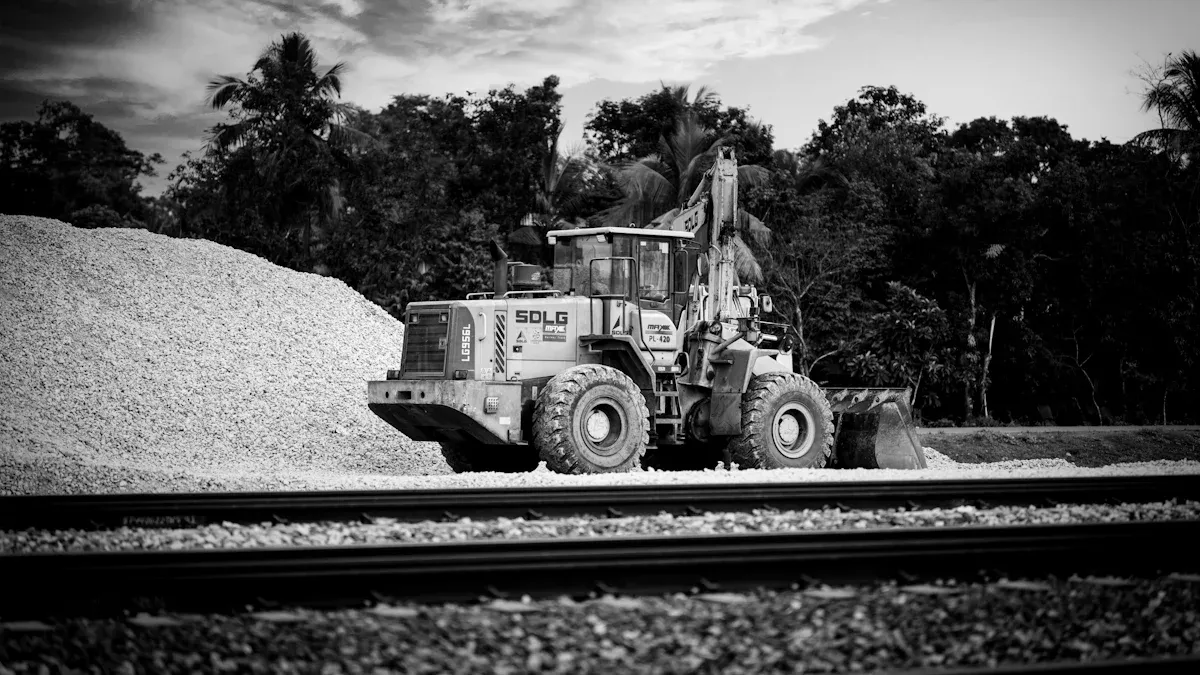
Even with new tech, horizontal directional drilling has many problems. These problems can cause expensive delays. They can also be unsafe. Knowing these issues helps us see why a strong base is key. A trenchless drilling rig stable track beats errors by giving this base.
Bore Deviation & Misalignment
Being exact is very important. This is true for every horizontal directional drilling job. Bores that are off cause a lot of extra work. They also lead to fines. Jobs that cross roads need very exact drill paths. This is also true for railways and rivers. It is true for existing utilities too. The whole hdd process often relies on the operator's skill. It also relies on how steady the rig is. Bad ground data can make the drill path go wrong. Poor planning can also cause this. So, finding the drill head exactly is very important.
Equipment Stress & Wear
Horizontal directional drilling puts a lot of strain on machines. Equipment wears out too soon. This is a common problem. For example, drilling without enough fluid causes more rubbing. Using only water also does this. This makes cutting tools wear out faster. Drill pipes also wear out faster. Not tightening drill pipe connections enough harms threads. This leads to early wear. Turning the drill pipe too sharply can bend it. It can also break drill rods. Not oiling parts like fluid swivels causes early wear. It also causes bearings to fail. Parts like the drill bit wear out fast. Pumps and winches also wear out fast. This is due to tough conditions. It is also due to constant work. Drill string failures can happen from tiredness. They can also happen from wear or rust.
Operator Safety Hazards
Safety is a main worry in all drilling work. HDD operations have special safety problems. Dangers include the spinning drill string. There is also a risk of hitting unknown pipes. In 2013, an hdd job in Kansas City, Missouri, hit a gas line. This caused an explosion. Workers and people nearby got hurt. Ground conditions can also cause holes to collapse. This includes unexpected rocks. It also includes shaky dirt. Machine problems, like stuck drill stems, raise risks. Faulty tracking devices also raise risks. Many accidents on an hdd site are like other building sites. These include slips, trips, and falls. Good worker safety rules are a must. They protect everyone on the job.
How Stable Tracks Beat HDD Errors
A trenchless drilling rig stable track beats errors by giving the drill a strong base. This section explains how stable tracks on a horizontal directional drilling machine fix problems. They help prevent the errors we talked about earlier. Stable tracks create a "Precision Guidance & Stability System" for the horizontal directional drilling machine.
Optimized Ground Contact
Stable tracks make sure the drill rig sits firmly on the ground. This is very important for any horizontal directional drilling job. Tracks spread the rig's weight over a large area. This stops the rig from sinking into soft ground. It also keeps the rig level on uneven surfaces. This good contact helps the drill stay on its planned path.
Some systems let operators change track pressure. This is called Hydraulic Ground Strain Control. It helps the rig stay stable on bumpy ground. Extendable stabilizers also give more support. They reduce shaking. This helps make precise drill results. Automatic Leveling Frameworks use sensors. They keep the rig perfectly level. This is true no matter how the ground looks. This is key for accurate core or directional drill work. GPS Joining also helps. It uses GPS to place the drill tool exactly. This makes the drill more efficient. It also lowers human error. This helps with accurate bore locating.
Superior Traction & Stability
Stable tracks give the drill rig excellent grip. This is called traction. It stops the rig from sliding during tough drilling operations. Tracks have a wide footprint. This helps them grip well on soft or muddy ground. Wheels can get stuck. Tracks do not. This wide base also makes the rig very stable. It stops the rig from tipping on hills. This makes hdd work safer. It also makes the drill more efficient.
Track rollers help stop the rig from slipping. They hold the machine's weight. They also stop side-to-side movement. This is key when the drill changes direction. It is also important during high-thrust hdd work. Rubber tracks have deep lugs. These lugs dig into the ground. This gives them a strong grip. These tracks also have self-cleaning channels. These channels push out mud and dirt. This keeps the traction strong. This helps the drill keep cutting steadily.
Reduced Vibration & Shock
Less shaking means better drilling. Stable tracks greatly reduce vibration and shock. This protects the drill machine and its parts. When there is less vibration, drill tools last longer. For example, MWD/RSS tools last longer. This is because their parts are protected from too much wear. Less vibration means fewer trips to fix tools. This saves time and money. It also means the drill can keep cutting without stopping.
Changing the shape of the drill bit can also help. For example, making the helix angle smaller. This reduces chatter. Chatter is a type of vibration. Less chatter means tools wear out slower. Understanding and managing vibration is key. It helps reduce tool wear. It also lowers the cost of making holes. This shows that less vibration directly leads to longer tool life. It also makes the bore more consistent.
Enhanced Steering & Control
A stable platform gives the operator better control. This is vital for accurate horizontal directional drilling. Stable tracks allow for precise steering. This means the drill can follow the planned bore path exactly. Load-matched control helps. It coordinates thrust, pullback, rotation, and feed. This makes the drill move smoothly. A strong frame and good carriage alignment also help. They reduce shaking. This stops the rig from "walking" off course.
Better control means the drill can adjust quickly. This is important when hitting different ground types. It helps maintain the right speed for cutting. This leads to a more accurate bore. It also makes the hdd process faster. Stable rigs can integrate with tracking systems. These systems offer data logging. They also offer process control. This helps the operator guide the drill with high precision. This ensures the bore is always on target.
Benefits of Error-Free Horizontal Directional Drilling
Less errors in horizontal directional drilling helps a lot. Stable tracks on a trenchless drilling rig fix problems. This makes projects better. It makes customers happy. This helps businesses grow. Less stress on parts means less fixes. It also means less new parts. This makes the horizontal directional drilling machine last longer.
Improved Accuracy & Efficiency
Stable tracks make drilling very exact. The drill follows the path well. It stays on course. This stops costly rework. Projects finish on time. They may finish faster. This makes work better. A stable drill helps operators focus. They guide the bore well. This makes a perfect bore. Finding the drill head is easier. This saves time and money. Drilling speed also gets better. There are fewer stops.
Tip: Good accuracy from stable tracks means less mistakes. Customers will trust your work more.
Longer Equipment Life & Lower Costs
A stable horizontal directional drilling machine works easier. Its parts wear out slower. The drill rods, bits, and tools last longer. This means less repairs. It lowers costs for new parts. Less shaking protects the rig's electronics. It also protects its hydraulic parts. This makes the rig last longer. Fewer breakdowns mean less idle time. This saves money on upkeep. It keeps projects moving. The cost of cutting tools goes down. They are used better.
Enhanced Operator Safety
Safety is most important. Stable tracks make work safer for operators. A steady rig will not tip. It will not shift. This lowers accident risk. Operators work with more trust. They know their gear is stable. This helps them drill better. It helps them follow safety rules. Less shaking makes operators more comfy. This lowers tiredness. A safer site means less injuries. This keeps workers safe. It protects the company too.
Boosted Project Profitability
All these good things make more money. Accurate and fast projects cost less. They finish quicker. HDD contractors can do more jobs. Longer equipment life saves money. Less errors mean no fines. Happy customers will hire you again. They tell others about your work. This helps your business grow. Investing in rigs with good stable track tech is smart. It makes projects succeed. It lowers costs. It builds a better name.
Stable tracks are important. They help with horizontal directional drilling. They make sure work is exact. They also keep people safe. A trenchless drilling rig stable track beats errors. It stops common problems. Buying good rigs helps the industry. It makes projects work well. It costs less money. It builds a good name. This helps every drill.
FAQ
What are stable tracks on a trenchless drilling rig?
Stable tracks are the strong bottom part. They are on a horizontal directional drilling machine. They spread out the machine's weight. This keeps the drill steady. It works on different kinds of ground. They are very important for drilling exactly.
How do stable tracks improve drilling accuracy?
Stable tracks give a strong base. This stops the machine from moving. It also stops shaking. This lets the horizontal directional drilling machine follow the path. It does this very closely. This makes the drilling more exact.
Do stable tracks make horizontal directional drilling safer?
Yes, stable tracks make things much safer. They stop the drill machine from tipping. They also stop it from moving. This means fewer accidents for workers. A steady base helps keep control. This is true while drilling.


