
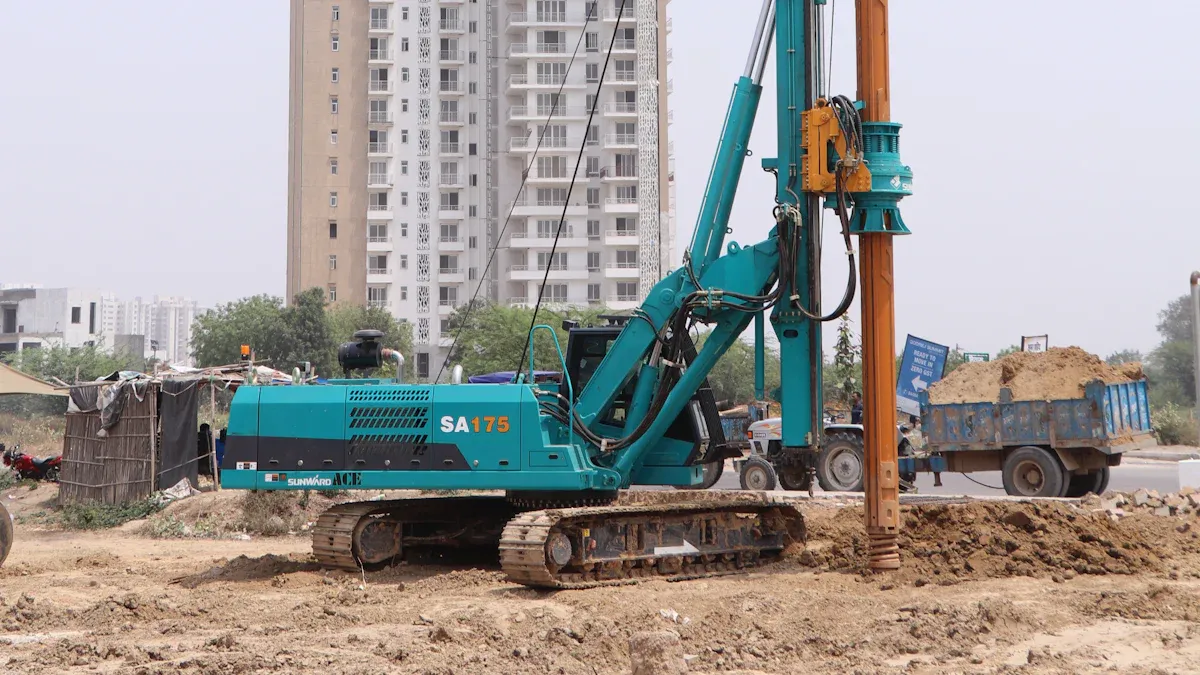
Horizontal bore drilling works in any formation. This includes soft soils. It also includes the hardest rock. This works because of smart engineering. Technology keeps getting better. The market for horizontal boring machines will be $2.5 billion by 2025. This shows many people want directional drilling. This post will explain how CEGC's horizontal directional drilling works. It will show how it handles different ground. This makes directional drilling very important.
Key Takeaways
-
Horizontal bore drilling works in all types of ground. This includes soft dirt to hard rock. This is because of smart engineering and new technology.
-
Special drilling fluids help. Different drill bits also help. They make the machine work well. This is true in various ground conditions. They keep the hole stable. They make drilling smooth.
-
Skilled workers are important. Modern drilling machines are too. Ongoing new ideas also help. These make horizontal bore drilling a very good way. It puts pipes underground. It does this without much mess.
Core Principles of Horizontal Directional Drilling's Adaptability
Horizontal directional drilling (HDD) is very flexible. Smart engineering makes it so. It uses special ways to work in many ground types. These ways help fix common drilling problems. CEGC's horizontal directional drilling machine uses these ideas.
Precision Directional Drilling
Accuracy is key in directional drilling. It keeps the drill on target. This avoids expensive redoing work. It also prevents fines. Accuracy is very important for crossings. This includes under roads or rivers. The system uses special parts.
A transmitter is inside the drill head. It is also called a sonde. It sends out an electromagnetic signal. A technician is on the surface. They use a handheld receiver. This receiver picks up the signal. It tells the technician the drill head's depth. It also tells the angle, roll, and exact spot. This real-time information guides the drill.
Real-time data makes drilling much more accurate. Modern HDD software works with MWD tools. It also works with LWD tools. These tools gather data. They show the drill bit's position. They also show the ground around it. This instant check lets operators change the drill path fast. This keeps the drill bit on track. Advanced software also uses algorithms. It uses machine learning too. It understands complex ground data. It predicts problems. It suggests better drill paths. This leads to better choices. It also leads to more accurate well placement.
Other parts also help with accuracy. Guide rails act like a steady track. They keep the drill on the right path. Drill bushings hold the drill bits tight. This stops wobbling. It makes drilling more accurate. An adjustable clamp holds the workpiece firmly. This stops it from moving. These systems make sure the drill goes exactly where it needs to.
Versatile Drilling Fluids
Drilling fluids are very important. They are used in directional drilling. They do many jobs. These fluids cool the drill bit. They also make drilling smoother. This helps carry rock cuttings out. The fluid also keeps pressure inside the borehole. This stops the hole from falling in.
Drilling fluids stop problems like frac-out. Frac-out is when fluid leaks into the ground. They also help keep the bore path steady. This is true in different soil types. Fluids cool the drilling equipment. They also make it smoother. This stops the drill head's transmitter from getting too hot. It also means less force is needed. This is for pulling and rotating.
Many additives can be mixed. They go into drilling fluids. These additives change how the fluid works.
-
Weighting Agents, like Barite, make the fluid heavier. This balances ground pressures.
-
Lost Circulation Materials (LCMs) are fibers. They are also particles. They stop fluid from escaping. This happens in cracked ground.
-
Dispersants and Thinners make the fluid flow better. They reduce friction.
-
Bentonite-Polymer Synergy helps carry cuttings better. It also makes soft ground stable.
-
Newer additives like Graphene-Reinforced Polymers. Also Nanocomposite Additives. They work in very hot conditions. Or high-pressure conditions.
-
Plant-Based Alternatives are better for nature.
-
Polyanionic Cellulose (PAC) helps in salty conditions.
-
Filtration Control Additives reduce fluid loss.
-
Dual-Purpose Additives manage fluid loss. They also stop clay from swelling.
-
High-Performance Additives keep fluid stable. This is at high temperatures.
These additives help control viscosity. They also control density. And filtration. This stops problems. Like poor fluid performance. And frac-out risk.
Advanced Tooling and Bit Selection
Choosing the right tools is key. The right bits are also key. Different ground needs different equipment. This reduces wear on tools. It also lowers costs.
|
Challenges |
Recommended Drill Bit / Tool |
|
|---|---|---|
|
Soft Soils (Sand, Clay, Silt) |
Easily displaced but can collapse; clay can ball up. |
Slant Face (Duckbill) Bits with drilling fluids |
|
Running Sand |
Behaves like liquid; high instability risk. |
Slant Face Bits + Stabilizing Drilling Fluids |
|
Gravel & Cobbles |
Loose stones cause steering issues. |
Carbide-Tipped Bits / Hole Openers |
|
Caliche / Hard Pan |
Cement-like layers; medium hardness. |
Carbide Tooth Reamers or Roller Bits |
|
Shale |
Brittle rock; splits easily into slabs. |
Tri-Cone or PDC Bits |
|
Limestone |
Dense and abrasive rock. |
PDC Bits or Air Hammers |
|
Sandstone |
Hard but prone to fracturing. |
Roller Cone Bits / Carbide Reamers |
|
Granite |
Extremely hard; slow drilling speed. |
PDC Bits / Air Hammers (with Mud Motors) |
Slant Face Bits work well. This is in soft to medium soils. They allow steering. This is by rotating or pushing. Carbide-Tipped Bits handle mixed soils. They have some rocks. Their carbide teeth grind through tougher stuff. For solid rock, Rock Drill Bits crush it. Like Tri-Cone or Roller Cone. PDC Bits are very tough. They are for hard ground. Like granite. They drill faster. They last longer. Air Hammers use compressed air. They chip through very hard rock. They also hammer through it.
The material of the tools matters.
-
Density of the core material affects machine stress. Lighter materials are better. This is for large tools.
-
Expansion can reduce accuracy. This is mechanical and thermal. Materials with high strength are best. Also low thermal expansion.
-
Thermal Conductivity helps remove heat. This prevents damage. It improves surface quality.
-
Modulus of Elasticity (MOE) shows stiffness. Higher MOE resists bending.
For abrasive ground, Hardox 450 lasts longer. This is compared to AR400 steel. Stainless steel is good. This is for wet places. Or chemical places. These choices lower costs. They also reduce tool wear. This makes drilling more efficient.
Horizontal Bore Drilling in Soft and Unconsolidated Ground
Horizontal bore drilling works anywhere. This includes soft and loose ground. Special ways help with problems in these areas. This makes directional drilling possible. Even in tough soils.
Drilling Soft Soils and Clays
Soft soils and clays are hard for drilling. Clay can clog tools. It slows down work. This is called bit balling. Clay sticks to the drill bit. This makes drilling slower. Special tools stop clogging. These tools are for soft soils. Operators control how fast they drill. They also manage fluid flow. This limits cuttings. Thick and thin fluid sweeps clean the hole. The right drill bit helps. Strong fluid flow stops clogging. Sometimes, short trips are made often. This removes cuttings. Changing the mud mix also stops clay from balling up.
Sandy ground also causes problems. Borehole walls can fall in easily. The Overburden Casing System helps. It holds up the borehole walls. It moves a casing with the drill bit. This stops collapse. It also keeps groundwater out. This stops floods. For sandy soil, polymer slurry is used. This fluid helps make the bore stable. A geothermal project used this system. It worked well in loose sandy soil. It stopped collapse. It controlled water.
Navigating Gravel and Cobble
Drilling through gravel and cobble is very hard. It is one of the toughest jobs. This is for directional drilling contractors. It can be hard to finish the bore. Cobbles are unpredictable. Their size and place change. They can shift and move. This makes the drill bit go off course. It is hard to stay on the path. Pullback operations are also risky. Cobble chunks can get stuck. This can damage the hole. Equipment wears out faster. Work slows down. This costs more money.
Good fluid management is important here. Checking fluid helps. It makes sure the fluid is right. This helps remove big rocks. It also keeps the bore stable.
HBD in Medium to Hard Rock Formations
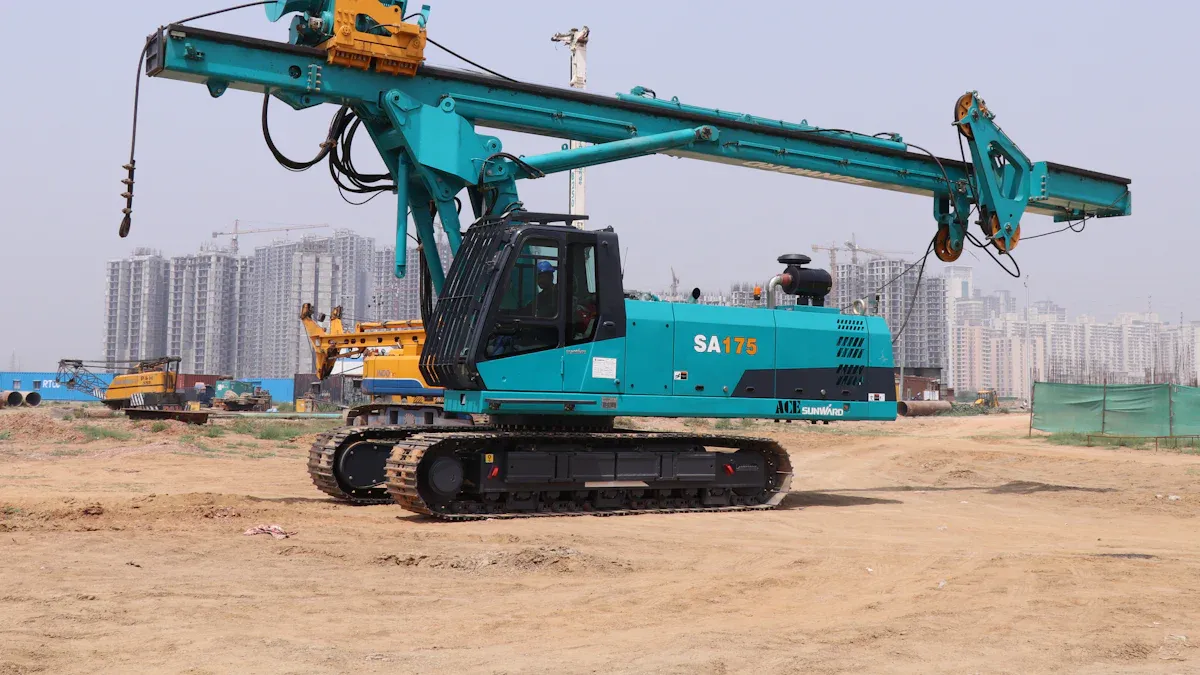
Horizontal bore drilling works anywhere. This includes tough rock. Special methods help with problems. This makes directional drilling possible. Even in very hard ground.
Tackling Sandstone and Shale
Sandstone and shale can be tricky. Sandstone is hard. It is also abrasive. Shale can be brittle. Different drill bits help.
-
Tricone drill bits are good. They work for many rocks. This includes shale. It also includes sandstone.
-
Ballistic button bits are for abrasive sandstone. They have strong carbide inserts. These bits break the rock.
-
Retrac bits help in fractured sandstone. They stop jamming. They also clean the hole.
-
Hybrid bits are for mixed layers. They balance fast penetration. They also balance wear resistance.
-
Eagle Claw bits are for shale. They have sharp teeth. These teeth can be replaced. These teeth cut through the shale.
-
Mud motors can help. They work with harder shale. They increase production. They do this by pulverizing the rock.
Conquering Hard Rock Formations
Very hard rocks need strong tools. Granite and basalt are examples. CEGC's directional drilling machines use advanced techniques. They have an anti-stall powertrain. This protects against torque spikes. It prevents stuck pipe. This means less downtime.
Rotary percussion drilling combines spinning. It also combines hammering. This makes it faster in hard rock. Down-the-Hole (DTH) drilling puts the hammer. It is right at the drill bit. This gives more impact force. It is very good for granite. It is also good for basalt. New technology explores melting rock. It uses millimeter waves. Lasers can fracture hard rock. This makes drilling easier. It also makes it faster.
Operators adjust how they drill. This depends on the rock.
|
Rock Hardness |
WOB (lbs) |
RPM (RPM) |
Rationale |
|---|---|---|---|
|
Soft Formations |
10,000-20,000 |
120-180 |
Lower WOB and higher RPM for cutting. |
|
Medium Formations |
20,000-40,000 |
80-120 |
Moderate WOB and RPM for balance. |
|
Hard Formations |
40,000-60,000 |
60-80 |
Higher WOB and lower RPM for crushing. |
Tools wear out. This happens in hard rock. They can show furrow deformation. Then micro-cutting happens. Very hard rock causes brittle fractures. Good tool design helps. It makes tools last longer. This improves energy use. This is in hard rock drilling. This careful approach ensures success. This is for directional drilling. It works in the toughest conditions.
HBD in Mixed and Challenging Ground
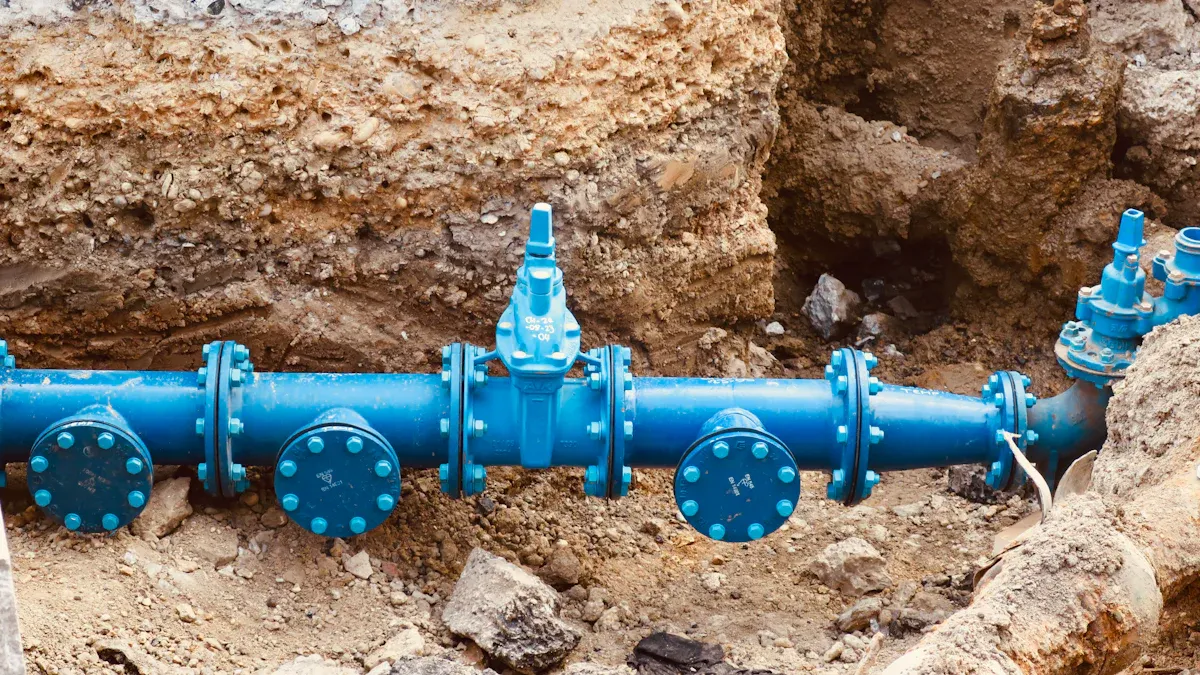
Horizontal bore drilling works in any formation. It works even in tough ground. This means areas with different soils. It also means places with rocks. Special ways help with these hard spots. This makes directional drilling possible. It works in many places.
Adapting to Interbedded Layers
Interbedded layers mix different ground types. This makes things hard to guess. Operators might find various soils. They might also find different rocks. Water levels underground can change. These things can make the hole fall in. The drill path can also go wrong.
-
Ground that is hard to predict makes planning tough.
-
Keeping the hole steady is a big problem. This is true in loose ground.
-
Stopping drilling fluid loss is hard. This happens in ground that lets water through.
-
Tools can wear out quickly. Rough ground causes this.
-
Handling waste and fluids is key. This helps the environment.
-
Good steering is needed. This avoids things in complex ground.
Managing Fractured Rock and Karst
Fractured rock and karst are very hard. Fractured rock has many cracks. Karst has caves and holes. These spots can lose drilling fluid. This makes the hole shaky.
Special stuff stops fluid loss. These are Lost Circulation Materials (LCMs). They fill cracks. You can add them before drilling. This is for known cracked areas. Wellbore Strengthening also helps. It uses tiny bits in the drilling fluid. These bits plug small cracks. This makes a strong wall. This wall protects the hole. It stops fluid from going into the ground. This means less chance of stuck pipe. It also saves time and money.
For karst, special methods are used.
-
Pumps under water handle water in the hole.
-
BEAM Technology finds holes before drilling. It uses electricity.
-
Holes are filled with concrete. This makes them stable. This careful way helps directional drilling succeed. It works in these hard areas.
Key Factors for Universal HBD Application
Horizontal bore drilling works in many ground types. This is not by chance. Several key factors make this possible. These factors ensure success. They help in all kinds of ground conditions.
Importance of Geotechnical Investigation
Understanding the ground is the first step. A thorough geotechnical investigation is very important. It helps engineers and contractors. They can assess underground conditions early. This early check reduces risks. It helps make better design choices. The quality of design depends on good data.
-
A full site investigation is crucial. It includes subsurface exploration. It also has laboratory testing. Analysis of soil and rock properties is part of it. This gives a strong base for projects.
-
Finding problems early helps. It avoids costly delays. It also prevents redesigns.
-
Good site investigations lead to safer designs. They improve construction methods. They also build confidence in following rules.
-
Uncertainty becomes useful data. This gives exact geotechnical assessments. These assessments fit the project needs.
Comprehensive site data helps manage risks. This is for underground work. Investment in good investigations is important. It should produce Geotechnical Data Reports (GDRs). It should also produce Geotechnical Interpretative Reports (GIRs). These reports capture known conditions. Geotechnical Baseline Reports (GBRs) are based on these. They define contract assumptions. They also set measurable baselines. These baselines cover ground, subsurface, and geological conditions. They also include geotechnical, hydrogeological, and environmental conditions. Utility mapping is also part of it. Well-prepared GBRs have clear baseline statements. They consider planned construction methods. They also consider design ideas. They specify how to measure things. Accurate site data and baselines greatly increase project success. They reduce arguments, claims, and cost overruns.
Skilled Operators and Modern Drill Rigs
Even the best technology needs skilled people. Experienced operators are vital. They understand the ground. They can make quick decisions. They know how to use the drilling equipment. Modern drill rigs also play a big role. They have advanced features. These features make drilling safer and more efficient.
Modern directional drilling machines have many improvements:
-
Drill pipe handling equipment makes things safer. It automates hard tasks. It reduces injuries from lifting. It also works faster.
-
Top Drives replace old rotary tables. They offer better drilling performance. They give more control. This leads to faster drilling.
-
Blowout Preventers (BOPs) are key safety devices. They stop oil or gas from escaping. They protect people and property. They also ensure rules are followed.
-
Automation and digitization improve control. They simplify processes. They reduce human mistakes. They make things more precise. They allow real-time data monitoring. This helps make good decisions.
Automated drilling rigs do complex tasks. They do them with high accuracy. This reduces accidents. It minimizes human error. Real-time monitoring gives precision. It also gives control. It warns staff about safety issues. This happens before problems get big. This helps manage risks better. For example, hoisting systems use electric motors. They have load cells. They give real-time feedback. They have automated control modes. This improves performance. It reduces mechanical shock. It also improves safety. It lessens the need for manual judgment. This is during critical lifts. Safety layers include travel limits. They also have overload detection. Emergency stop logic is also present.
Ongoing Technological Advancements
Technology keeps moving forward. New innovations make horizontal directional drilling even better. These advancements improve how we drill. They also make tools last longer.
-
Smart Tools have sensors inside. These sensors check temperature, pressure, and vibration. This helps predict when maintenance is needed. It also optimizes drilling settings.
-
Additive Manufacturing (3D Printing) can create special parts. These parts include internal cooling channels. They also include lightweight designs. These are hard to make with old methods.
-
Advanced Surface Treatments involve new coatings. They also use heat treatments. These make tools stronger. They resist wear and corrosion better.
CNC machining helps make strong tools. It creates precise downhole devices. These devices can handle harsh environments. Innovations in drilling fluid chemistry also help. They let drillers finish wellbores faster. This happens across major U.S. basins. Advancements in mud motor technology are important. Rotary steerable systems (RSS) are also key for directional drilling. They create smoother well paths. They cause less twisting. They do this without traditional mud motors. These ongoing changes ensure that horizontal directional drilling remains a leading solution. It works for any borehole project.
Yes, horizontal bore drilling works everywhere. This shows its smart design. It has many tools. Workers are skilled. Special guidance helps. Fluids can change. Tools are made for different ground. This method digs without much mess. It puts pipes in the ground well. New ideas for horizontal directional drilling machines keep coming. This makes them work even better.
FAQ
What makes Horizontal Bore Drilling so versatile?
Horizontal Bore Drilling (HBD) is very flexible. This is because of smart engineering. It uses special tools. It has fluids that can change. It has exact guidance systems. Good operators also help it work well.
How do drilling fluids help in different ground conditions?
Drilling fluids cool the drill bit. They take out rock pieces. They also make the hole strong. Different things can be added to them. This helps them work well. They work in many soil and rock types.
Can CEGC's directional drilling machine work in very hard rock?
Yes, CEGC's directional drilling machine works in hard rock. It has a special engine. It uses strong drill bits. This helps it drill well. It stops damage in tough ground.


