
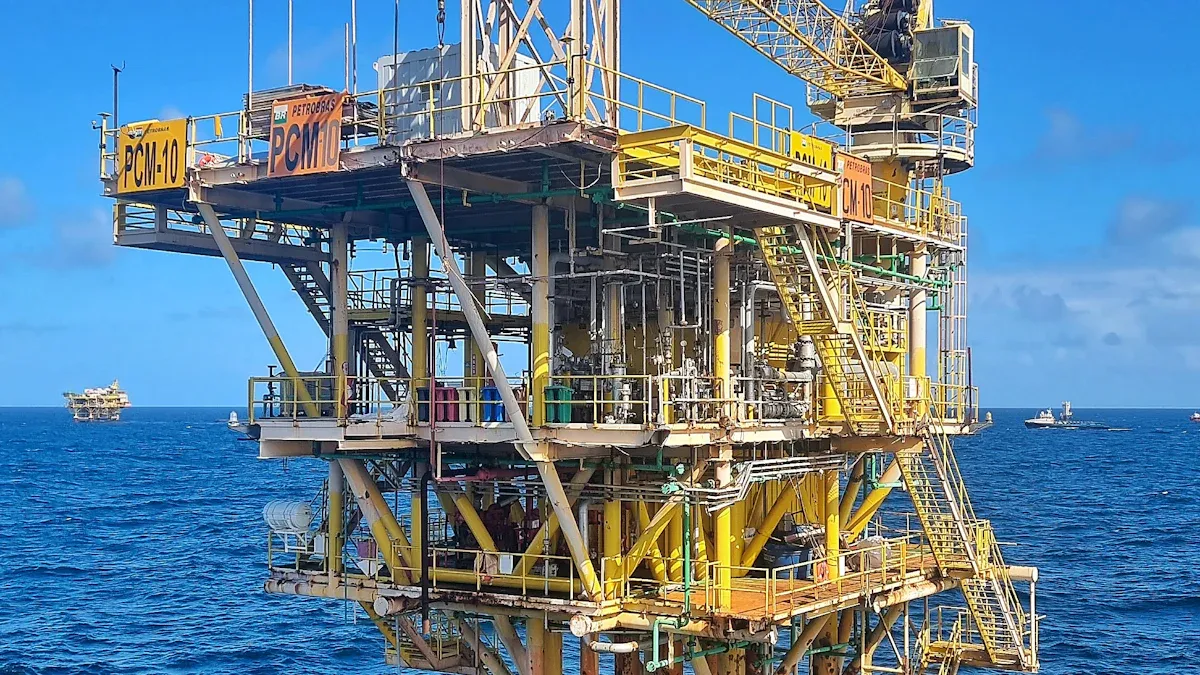
Well Drilling Rig 0.1° Guidance Handles Tight Spots
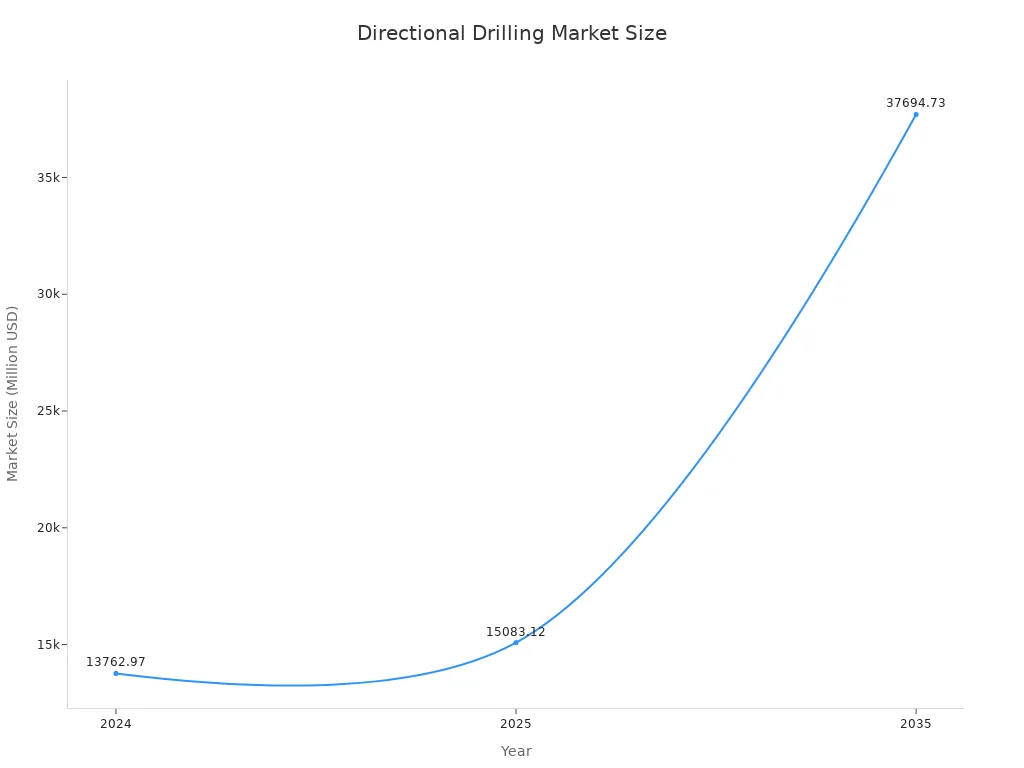
The Well Drilling Rig 0.1° Guidance Handles Tight Spots is a sophisticated control system designed to maintain an exceptionally straight drill path, staying within 0.1 degrees of the target. This precision guidance is crucial for navigating challenging conditions, such as hard rock formations and complex drilling areas. This blog explores how this advanced drilling technology enhances accuracy, efficiency, and safety in drilling operations. As the market for this type of drilling continues to expand, CEGC offers superior drilling solutions.
Key Takeaways
-
The 0.1° guidance system helps drill wells very straight. It keeps the drill path within a tiny angle. This helps drill in hard places and hit targets exactly.
-
This system uses live data and smart tools. It makes drilling safer and more efficient. It also helps get more oil and saves money.
-
Exact drilling avoids problems like hitting other wells. It makes the well path smooth. This means fewer delays and lower costs for drilling projects.
Why 0.1° Guidance is Essential for Well Drilling
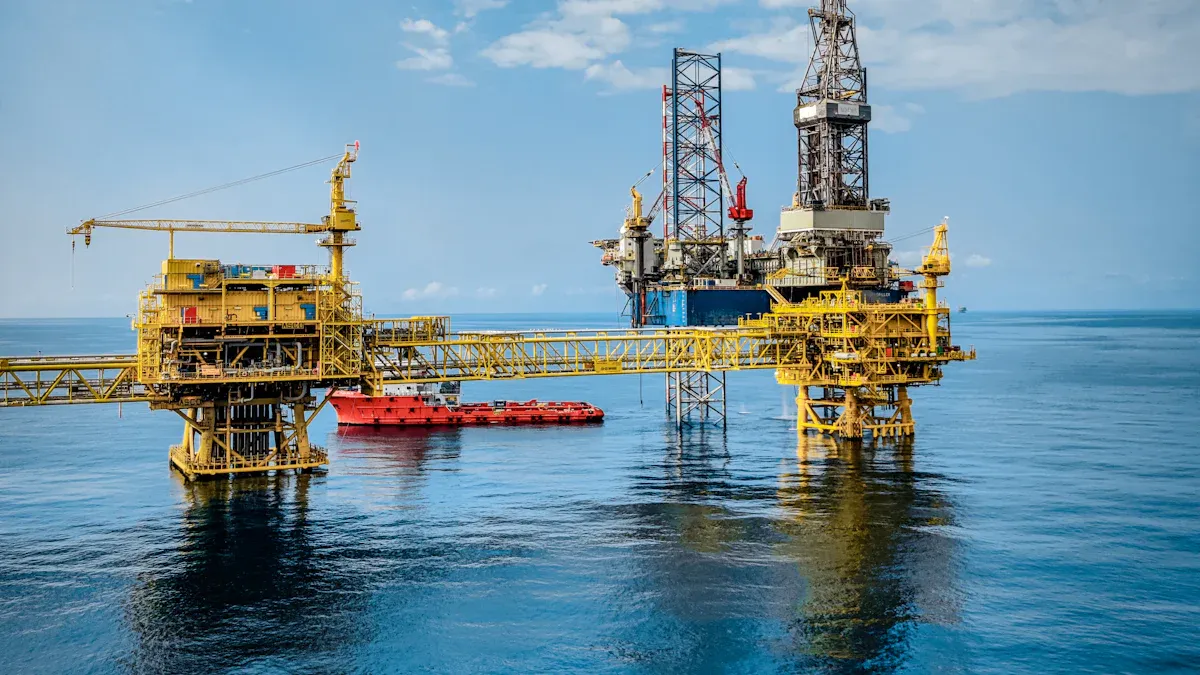
Navigating Complex Reservoirs
Good well drilling is key for hard reservoirs. Bad guidance causes big risks. For example, TVD uncertainty is high. This happens when vertical well data is missing. It also occurs with long reach wells. Finding reliable oil height is hard. This is due to angle errors in slanted wells. Thin reservoirs have a small 'driller’s target'. Old TVD error models show this. Improving TVD error was once tough. This was due to down-hole tool limits. MWD data had slow speeds. Early geosteering lacked real-time data. This led to bad reservoir entry. The 0.1° guidance system helps fix these issues. It makes sure the well path is exact. This helps understand the ground better.
Avoiding Obstacles and Existing Wells
Accurate well drilling is vital for safety. Bad bores cause extra work. This is a big problem in drilling. Road, rail, and river crossings need exactness. Precise steering, with 0.1° guidance, is key. It helps miss other wells. This stops crashes. It also makes sure the well hits its spot. This accuracy is important for well control. It lowers the risk of crossing failures. This new drilling tech makes projects succeed. The exact path avoids expensive errors.
Optimizing Production and Efficiency
Getting the most oil from tight rocks is important. Small target areas need great accuracy. This is where 0.1° guidance helps. It puts the well in the best spot. This makes more oil. It also works better. The system helps manage kick tolerance. This is key for safe drilling. Knowing kick tolerance stops costly problems. This precise drilling cuts down delays. It puts the well exactly where it should be. This leads to more money. The well drilling rig 0.1° guidance handles tight spots. This makes drilling better and safer. Managing kick tolerance is ongoing.
How a Well Drilling Rig Achieves 0.1° Guidance
Drilling a well needs great accuracy. This needs new tech. It also needs smart ways to work. A modern rig uses many systems. They work together. They keep the drill bit straight. This helps the well drilling rig 0.1° guidance handles tight spots.
Real-time Data: MWD and LWD Systems
Good data helps drill wells well. Measurement While Drilling (MWD). Logging While Drilling (LWD). These give facts from deep down.
MWD uses special tools. These tools measure tilt. They also measure direction. Gyro tools help in tough spots. A computer unit links to these tools. It turns their data into numbers. A tool then sends this data up. It uses drilling fluid pressure. Computers on top read these changes. They show the data. This makes a 3D map of the well. This data helps guide the well. It keeps it on track.
LWD tools are also key. They measure rock traits. They check fluid content. LWD sensors include Gamma Ray. This checks natural radiation. Resistivity tools map layers. Density tools measure weight. Neutron Porosity checks for hydrogen. Sonic/Acoustic tools show rock strength. Sensors near the bit give quick data. They use mud, electric, or wired pipes. Turbines power them. A surface system reads the data. It uses software. LWD helps steer the well. It gives live info. This info guides the well. It shows nearby rock layers. This data helps make choices. It helps set casing depths.
Data speeds are different. Mud Pulse Telemetry (MPT). It can send 33 bits per second. The Orion II system. It sent 120 bits per second in tests. Most MPT systems send 20 bits per second.

There is also a delay. This is how long data takes. A Gamma Ray sensor. It is 12.3 meters behind the bit. The delay can be long. Drilling fast, 99.95 meters per hour. The delay is about 7.4 minutes. Drilling slow, 0.33 meters per hour. It can be 37.2 hours.
Steerable Bottom Hole Assemblies
The Bottom Hole Assembly (BHA). It is near the drill bit. It has the bit. It has drill collars. It has special tools. These tools help steer. A Horizontal Directional Drilling Machine. It uses a control system. This system guides push/pull. It guides rotation. It guides feed. This makes drilling steady and exact.
Strong frames reduce shaking. Good alignment stops movement. This makes the rig stable. For push and pull, systems like Dilong's are used. They are simple. They are strong. They save energy. They often have 3 speeds. High-power motors handle rotation. They save energy. Hydraulic controls manage push/pull and rotation. This makes the system quick and sure. The carriage is the main driver. It gives power for drilling. It pushes rods forward. It pulls them back. This is key for steering.
Advanced Software and Surface Control
Smart software plans the well. It also fixes its path. Programs like NOA-LSTM-FCNN. They guess the well's path. Better models reduce errors. This is for straight drilling. The GA-BP method mixes models. It uses genetic algorithms. This predicts how fast the motor bends. Other models use math. They use rock type. They guess the well path. This is based on rock forces. Methods like random forest. And LSTM models. They guess angles.
Planning the path is hard. It has many goals. These include design. They include measurements. They include rock models. The goal is to save money. To make building easy. To make the hole good. Bio-inspired programs are often best. They handle hard problems. They are better than number programs.
Surface controls help workers. They make changes fast. These systems are open. They can add other programs. Workers can upload plans. The system then follows the plan. There are often three backups. This includes fast surface control. It includes control with downhole checks. Full control uses fast downhole data. These systems process downhole data. This data includes weight on bit. It includes torque. It includes RPM. It includes shaking. It includes pressure. It includes heat. They use this data. They make changes to surface tools. They prioritize tasks. They manage requests. This keeps tools safe. A simple screen helps workers. They see data. They control the rig.
Continuous Feedback and Adjustments
Closed-loop control systems. They use MWD/LWD data. They use BHA changes. This keeps the well path exact. Rotary steerable systems (RSS). They use tilt sensors. They use magnetic sensors. They use motion sensors. These give live measurements. They show well tilt. They show direction. This is key for checking. RSS also have rock tools. These include gamma ray detectors. They include resistivity sensors. They give live rock checks. This helps steer.
Telemetry systems send data. From downhole to the surface. This allows for closed-loop control. Downhole computers in RSS. They run programs. They read live data. They control steering. This allows for auto steering changes. This includes auto dogleg control. Gyro MWD and Gyro While Drilling (GWD) tools. They give exact live path data. They use gyro sensors. These sensors measure Earth's spin. This finds well tilt and direction. Gyros are not affected by magnets. This ensures good data. Data from Gyro MWD/GWD tools goes up. This lets drillers make changes. They change the drilling path right away.
Systems like Baker Hughes OnTrak™. They mix advanced tools. They offer better steering. They give key measurements. These include azimuthal gamma ray. They include propagation resistivity. They include direction surveys. They also check pressure. They check drilling settings. Data sends through mud pulses. This gives live info. It allows constant checks. It allows quick changes. This keeps the well on course. Research suggests new methods. They use learning. They find rock layers. They use LWD data. They guess targets fast. MWD data shows depth. It shows tilt. It shows direction. This helps make smart choices downhole. It changes the well path. This helps with full auto decisions. It makes drilling better. It helps get more oil.
Benefits of 0.1° Guidance in Tight Spots
The advanced 0.1° guidance system helps modern drilling. It has many important benefits. This exactness helps in tough areas. It makes well drilling safer. It also makes it work better. This technology is key for hard projects. It makes sure every well has better results.
Enhanced Target Accuracy
Hitting the exact target is very important in well drilling. The 0.1° guidance system makes this happen. It makes sure the drill bit stays on the planned path. This leads to much more production. Workers can put the well in the best spot. This helps find natural stresses. It finds fractures and faults. Knowing these helps pick the best drilling direction. This creates more stimulated volume. It leads to the best production.
This exact guidance helps avoid wells that do not produce. A fast process finds good reservoir spots. It also finds chances to finish the well. This guides field plans. It stops drilling wells that will not make oil. Scientists can find fracture directions. They can find rock properties. This helps choose drilling targets that work better. Looking at seismic data helps find "sweet spots." These are areas with good rock properties. Brittleness is one example. This guides where to drill. It also helps plan how to finish the well. Live microseismic data can show areas to avoid. This keeps the well on track. It keeps it away from problems.
Reduced Wellbore Tortuosity
A smooth well path is very important. High tortuosity means a rough path. This causes many problems. The 0.1° guidance system makes this much less. It creates a smoother trajectory. Rotary Steerable Systems (RSS) are good for this. They are the fastest way to drill U-shaped laterals. These laterals help get the most from hard areas. RSS actively steer the bit. They make constant changes to the borehole path. This makes a smoother well path. It has less tortuosity. This improvement removes friction. It allows faster drilling. It also gives more steady weight on the bit. This is better than old ways.
A good wellbore is smooth. It greatly affects well cost and value. A smoother well is easier to drill. This means fewer stuck pipes. It means faster drilling. It also causes fewer problems. This happens during casing or completions. It lowers damage risk. This is for equipment like ESPs and sucker rods. These things make well costs lower. A smooth wellbore also makes more oil. For example, it stops sand from collecting. This happens in sumps. These are formed by vertical bumps. This is in unconventional reservoirs. Sand can stop liquid and gas. So, a smooth wellbore saves money. It saves money on drilling. It saves money on finishing. It also lowers ongoing costs. It can even make more oil.
A smoother well path saves time. It also saves money.
|
Metric |
Manually Operated Wells (1 & 2) |
H&P Integrated Solution Wells (3 & 4) |
Improvement/Savings |
|---|---|---|---|
|
Average Bottom Drilling Hours |
196 hours |
139 hours |
57 hours saved |
|
Economic Savings |
N/A |
N/A |
This shows how much a smoother path can save. It also helps manage kick tolerance. A smoother well means better kick tolerance.
Increased Safety and Environmental Protection
Exact drilling makes work much safer. It also keeps the environment safe. Strict rules from groups like OSHA demand this. They cover dust control. They cover worker safety. They cover environmental impact. Using exact drilling methods helps companies follow rules. Wet drilling is one example. This lowers legal and money risks. Following these rules is very important. It makes companies use safer ways.
Exact drilling technologies have better safety. These include auto shut-off systems. They also find dangers in real-time. These features make workers safer. They help meet safety rules. This makes following rules easier. It lowers risks. This also helps with well control. Good well control is key for safety. It stops dangerous situations. It also helps keep kick tolerance.
Industry rules now like green ways. This makes makers create new things. They find new ways to reuse water. They also make less pollution. Exact drilling methods support these ways. This helps companies meet environmental rules. It makes building more responsible. This also helps keep kick tolerance. It reduces unexpected events.
Cost Savings and Operational Efficiency
The 0.1° guidance system saves a lot of money. It also makes work better. By hitting targets exactly, less re-drilling is needed. This saves time and money. Less wellbore tortuosity means faster drilling. It means fewer problems with stuck pipes. This lowers total project costs. The well drilling rig 0.1° guidance handles tight spots by making every step better.
The money benefits are clear. One U-shaped lateral drilled with RSS. It can make as much as a standard two-mile lateral. This makes the money side better. It helps workers use hard areas better. Fewer delays and less equipment wear also save money. This system helps manage kick tolerance better. Good kick tolerance stops costly problems. It makes sure the well is drilled safely. It makes sure it is drilled well. Better kick tolerance means fewer surprises. This leads to smoother work. It also helps avoid expensive stops. This technology makes drilling projects more profitable. It ensures better kick tolerance all the way through.
The well drilling rig 0.1° guidance handles tight spots. It is a new way to drill. This exactness is key for drilling wells. It helps workers drill in hard places. It finds oil and gas underground. This drilling is very good. It makes drilling safe. It also makes money for hard projects. This tech is basic for Horizontal Directional Drilling Rigs. This drilling rig makes every well work. This way of drilling is important.
FAQ
What is 0.1° guidance in well drilling?
This system keeps a drill path very straight. It stays within one-tenth of a degree. This helps drill precisely.
Why is this guidance important for drilling?
It helps drill in hard places. It avoids obstacles. It makes sure wells hit targets. This improves oil recovery.
How does a drilling rig achieve this high accuracy?
Rigs use real-time data. They have special steering tools. Advanced software helps. Continuous adjustments keep the path correct.


