
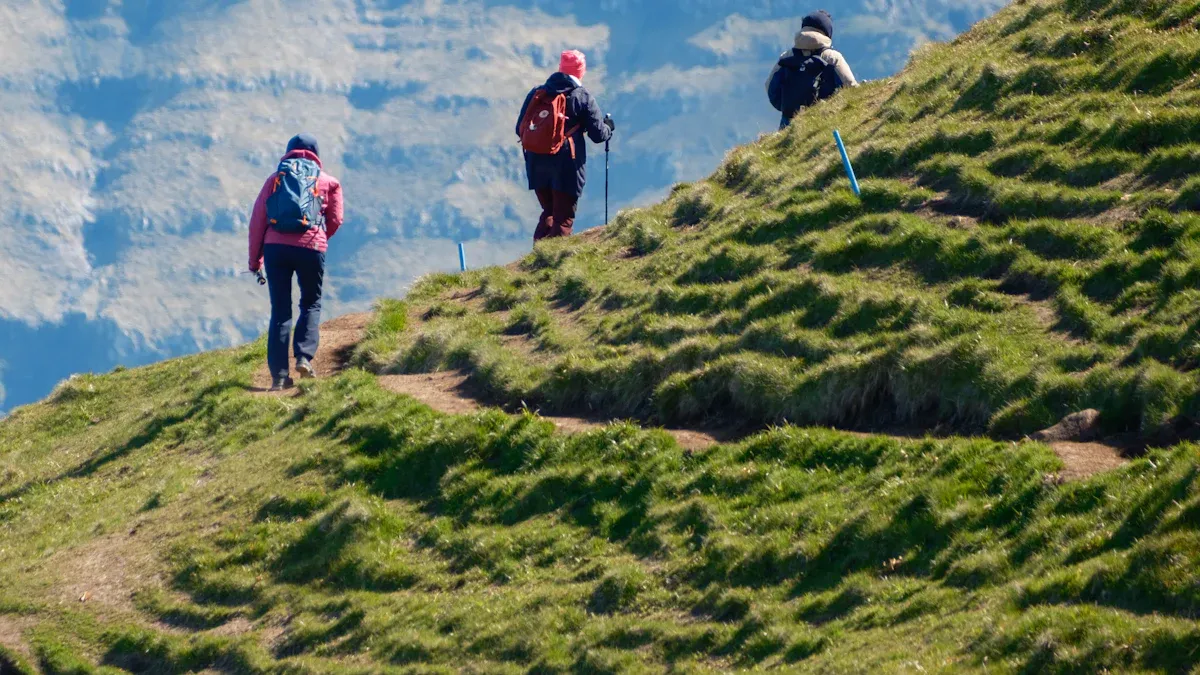
Running horizontal directional drilling machines is risky, especially on steep slopes. This is true for all Trenchless Drilling Rigs. Strong safety rules are very important. The inherent danger means we must prioritize safety. Anti-slip handles are key for well drilling rigs. They help keep things steady and prevent accidents, making the directional drilling machine safer. CEGC always puts safety first.
Key Takeaways
-
Anti-slip handles are very important. They keep people safe on steep slopes. They help workers hold on tight. This stops accidents.
-
Drilling on steep slopes is risky. Workers might fall down. Machines might tip over. We need good safety plans. We need good technology.
-
CEGC has special handles. They do not slip. They have new systems. These make drilling rigs safer. They are more steady on tough slopes.
Steep Slope Drilling Risks
Personnel Slip and Fall Hazards
Working on steep slopes is very dangerous for people. Workers can easily get hurt from slipping and falling. The ground can be slippery from mud, ice, or loose rocks. Boots often do not grip well enough. Uneven ground and bushes also make it dangerous. Bad light or phones can make it worse. Carrying heavy things can block a worker's view. All these things can cause accidents and injury. Good safety gear and staying alert are very important safety precautions.
Equipment Instability and Rollover Dangers
Heavy drilling rig equipment, like slope climbing rigs, is in great danger on hills. The weight can shift, making it unstable. This can cause the rig to tip over. Such events cause a lot of damage. They can also seriously hurt any nearby worker. Making sure the rig is stable is most important for overall safety.
Challenges for Horizontal Directional Drilling Machine Operations
Directional drilling can be hard. For example, working wells on steep slopes is tough.
Horizontal directional drilling machine work gets hard on steep slopes. Keeping the drill path straight is difficult. The worker must control pushing, pulling, and turning carefully. Steep slopes need good control systems. Without good protection, drilling can be slow. This can cause project delays. It can also lead to possible emergency situations.
Environmental Impacts on Rig Stability
Weather affects rig safety. Rain makes mud, which reduces grip. Ice makes surfaces very slippery. These conditions increase the danger of hurting people. They also make equipment unstable. Strong winds can also affect the rig's balance. Good protection and emergency plans are key. They help for safe work on any tough slope.
Anti-Slip Handle Technology for Safety
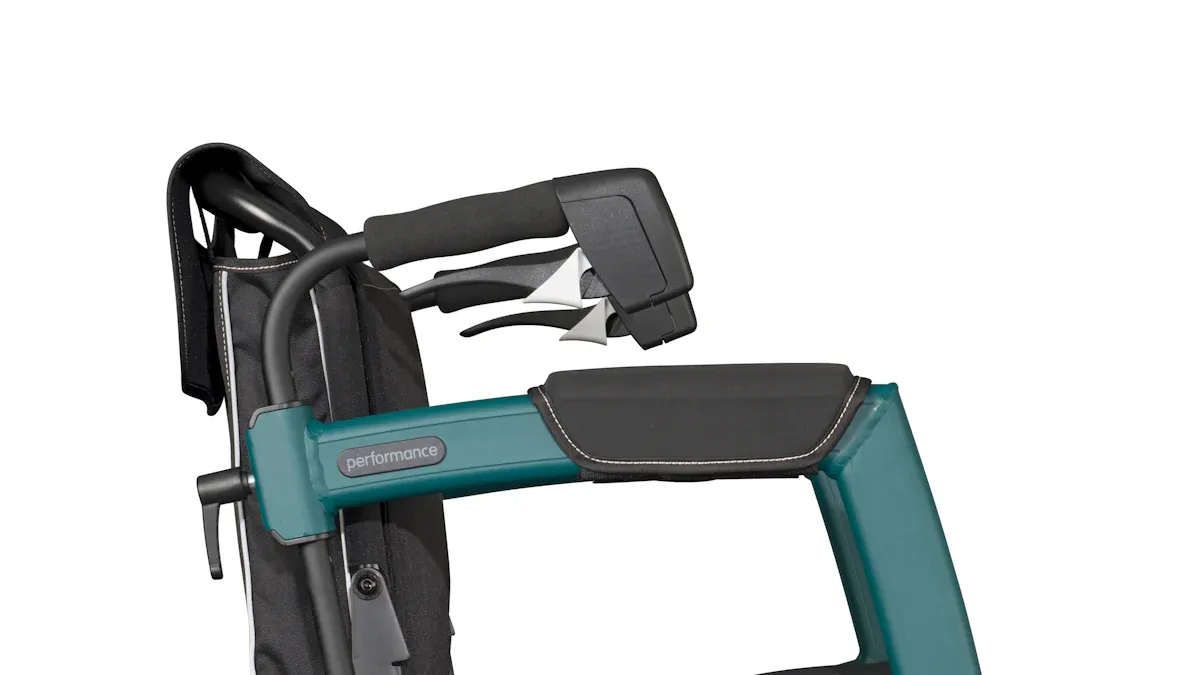
Good anti-slip handles are very important. They make drilling rig safety better. These new ideas help when using a rig. This is true in tough places. They give the operator a better grip. They also give more control. This technology uses special materials. It also uses smart designs. It makes sure people are safe.
Advanced Materials for Superior Grip
Special materials make anti-slip handles work well. These materials grip better. They work even in bad weather. For example, 3M™ Gripping Material GM641 is great. It is a soft, rubber-like plastic. It has tiny gripping fingers. These fingers hold tight with little effort. This stops slipping a lot. It also feels softer and more comfy. It bends easily and is soft. This material is good for a light, firm grip. It also handles sun well. So, it is good for outside.
Other new materials are also key. Look at how they work:
|
Material |
Key Features |
Advantages for Anti-Slip Handles |
|---|---|---|
|
Si-TPV |
New strong rubber-like plastic, acts like silicone rubber but can be molded like plastic |
Grips very well in dry and wet, soft feel, good in all weather, lasts longer, feels nice, easy to mold onto other parts |
|
Thermoplastic Vulcanizate (Conventional TPV) |
Mix of EPDM and PP, good in weather and stretchy |
Often does not grip well, especially when wet or oily; can feel rough and sticky when hot |
|
Thermoplastic Polyurethane (TPU) |
Very strong, resists wear well |
Too hard, not soft enough, can make hands tired, sensitive to heat when made, might not stick well and peel off |
Si-TPV grips much better. It works well wet or dry. Thermoplastic Elastomers (TPEs) are also used a lot. They are great for wet places. TPEs make surfaces non-slip. This is for things that get wet. This includes rain, sweat, or soap. These materials make safety better. They also make things work better in factories.
Ergonomic Design for Operator Control
Smart design is key for anti-slip handles. It helps the operator control better. It also makes them less tired. Handles are shaped to fit hands. They have curves for the palm. They do not have sharp edges. Round, curved handles reduce pressure. They also reduce rubbing. This makes people less tired. This is good for long work times.
The right handle size is also important. The best size is 30–50 mm wide. About 41 mm is often best. The length should be 100–150 mm. This lets you hold it well. You do not have to squeeze too hard. More space is needed for gloved hands.
The material and feel help with comfort. They also help with grip. Soft materials are common. These include rubber. They often have small bumps. These bumps make grip better. They also stop slipping.
A balanced design makes handles easy to hold. It uses 30% less muscle effort. This means the operator gets less tired. It also helps with control. It lowers the chance of injury. Wider grips spread weight evenly. This makes hands less tired. It also improves control. Curved shapes fit hands naturally. This gives better support and comfort. Textured grips stop slipping. They make control and safety better. Soft materials soak up bumps. This makes work safer and more comfy.
Seamless Integration with Drill Rig Structures
Anti-slip handles are not just added on. They are made to fit the rig. This makes them work best. It also makes them last. Makers design these handles. They fit specific spots on the rig. This includes ladders. It also includes control panels. It includes walkways. Good fitting means handles are part of the machine. This stops them from getting caught. It also stops them from falling off. It keeps the rig strong. This smart design helps a lot. It makes overall drilling rig safety better.
Specialized Coatings for Extreme Conditions
Special coatings add more protection. This is beyond good materials. These coatings are for tough places. They stop rust from chemicals. They also stop rust from saltwater. They grip better in oily places. Some coatings keep heat out. This protects the operator. It protects from very hot or cold. These special treatments keep handles working. They keep well drilling rig anti slip handles steep slopes safe. They give a good grip. This is true no matter the weather. This full plan for handles works best.
Adding Anti-Slip Solutions to Rigs
Adding anti-slip handles to drilling rigs makes them safer to use. This takes a few important steps. These steps make sure they work best. They also keep people safe.
Checking How Safe the Rig Is Now
First, check the rig's current safety features. Look closely at all places people step. Check ladders, platforms, and control spots. Find any areas where people might slip or fall. This check helps find where to add anti-slip parts. It makes sure all drilling rig safety is covered.
Picking the Best Anti-Slip Handles
It is very important to pick the right anti-slip handles. Think about the work area. Think about what the job needs. Look at how strong the material is. See how well it grips in different weather. Also, check how it feels to hold. The best handles grip well. They also make workers less tired. This choice makes everything much safer.
Expert Setup and Upgrades
Putting handles on correctly is key. Experts make sure they are on tight. They also put them in the right places. Adding them to old rig parts needs skill. This makes sure the handles fit perfectly. Good setup makes them protect workers the most.
Making CEGC Drilling Rigs Special
CEGC can change their drilling rigs for each job. This includes special anti-slip parts. CEGC engineers can make handles just for certain jobs. This makes well drilling rig anti slip handles steep slopes as safe as possible. This special work makes them work better. It also keeps workers safer.
Comprehensive Slope Safety Protocols
Anti-slip handles are good. But we need more for safety on steep slopes. This means good plans. It also means new technology. These steps make the rig very stable. They also keep all workers safe.
Site Assessment and Rig Positioning for Slope Stability
First, check the site well. Do this before drilling on a slope. This helps us know the ground. It finds places that are dangerous. Engineers figure out the Factor of Safety (FoS). This compares forces that stop movement. It compares them to forces that cause movement. An FoS over 1 means it is stable. Less than 1 means it is not. Keep checking it. The FoS can change with weather. It can also change with work.
Knowing other things is also key. Cohesion is how strong soil sticks together. The friction angle shows how much it resists sliding. Pore water pressure is water in the soil. It can make contact weaker. This makes movement easier.
Two main ways help check slopes. The Limit Equilibrium Method (LEM) is easy. It splits the slope into parts. This helps figure out forces. It sees if stopping forces are stronger. It checks if they are stronger than moving forces. LEM is good for quick checks. The Finite Element Method (FEM) is harder. It uses a grid to check stress. FEM is for hard slopes. These slopes have different materials. It gives deep answers. This way is best for high-risk spots.
Putting the rig in the right spot is also key. Workers should put the unit straight with the slope. This helps spread weight evenly. It makes it less likely to tip. A safe work area must be made. This often uses hydraulic jacks. Blocks or wood give more support. Wheel chocks stop unwanted movement. Careful rig placement makes the slope very stable. This way of thinking puts safety first.
Rig Anchoring and Stabilization Techniques
Anchoring stops the rig from moving. This is on steep slopes. These ways hold the rig firm. They also hold the ground around it. Walls made of concrete or wood hold back soil. They make things stable right away. Soil nailing puts steel bars in the ground. This makes the slope stronger. Gabion baskets are full of rocks. They make flexible walls. These are good for stopping gravity. They also stop landslides.
Other ways move weight to deeper, firm ground. Piles, anchors, and micropiles do this. Steel piles are usually 12-36 inches wide. They go 20-100 feet deep. They hold slopes for things like bridges. Tensioned anchors make strong bases. This is true in loose or wet soil. Tests like Pile Driving Analyzer (PDA) check how good they are.
Ground anchors are very important. They stop slopes from sliding. This is true after rain or quakes. They hold soil masses. This makes landslides less likely. Anchors can go over 60 meters deep. They reach firm rock layers. Picking the right anchor is key. Soil tests find the best angle. They also find the exact spot. Engineering checks help with these choices. This makes a slope much safer. For example, steel anchors stop mudslides. Strong fiberglass rods make vineyards stable.
There are different kinds of rock anchors. Regular rock anchors are steel bars with threads. They go into drilled holes. They are glued with cement. They hold single rocks. Or they make whole rock slopes stable. Tensioned anchors, or rock bolts, stop movement. This is along cracks. They push on joints. This makes friction stronger. Untensioned anchors, like rock dowels, are fully glued steel bars. They make things stronger without pulling. They are faster to put in. They are good for cracked or weak rocks.
Advanced Guidance Systems for Bore Accuracy
Being exact is very important. This is for horizontal directional drilling. New guidance systems make drilling more exact. This is true on sloped ground. CEGC's Precision Guidance & Stability System is a key fix. It stops the drill from going off course. It also stops it from failing. This system uses matched control. It controls push, pull, turn, and feed. A strong frame and straight carriage reduce shaking. This stops the rig from "walking" on slopes.
Downhole HDD survey tools use sensors. They measure how much it tilts. Magnetic or gyro sensors measure the hole's direction. These readings combine with Measured Depth (MD). This figures out the hole's spot. Ways like Minimum Curvature are used. Tracking systems check these spots. They measure directly. This is compared to outside points. A tracker on the surface sends out a signal. Sensors in the tool feel this. This makes the measured spot much more exact.
The TeraTrak R1 system shows real-time maps. These show height and distance. This is key for good drill plans. It works with drill screens. This gives drillers a full view of depth. It shows pitch and roll for each rod. The system shows upcoming problems. It shows utilities. This helps drillers know what is happening. It shows a three-rod view. This shows how steering works in real-time. It makes choices easier. It reduces wrong changes. The pitch-assist tracker boot helps. It is on systems like the Subsite TK Recon 4. It helps on rough ground. This makes things more exact.
Anti-Stall Powertrain for Operational Reliability
Working on steep slopes can stress drilling gear. CEGC's Anti-Stall Powertrain & Overload Protection system is a fix. It stops stuck pipes. It stops sudden twists. It stops downtime. This system makes sure it works well. It has high twisting power. It has a wide speed range. It has hydraulic load sensing. It also has pressure control. This stops the rig from stalling. It also protects parts from breaking.
Slow start-up and shut-down reduce hard bumps. This protects rods, swivels, and tools. This is very important on uneven ground. It stops problems made worse by slopes. This system makes equipment failure less likely. It lowers the risk of injury to workers. It keeps things running. This helps avoid costly delays. It also avoids possible emergency situations. This strong engine helps a lot with overall drilling rig safety.
Keeping the Drilling Rig Steady on Slopes
How to Set Up the Rig Safely
Setting up the rig correctly is very important. It helps keep it steady. Always follow the maker's instructions. The spot for the rig can slope a little. It can drop 1 foot for every 20 feet. This is along the middle line. The sides should be flat. Pay close attention to where anchors go. For example, an anchor 10 feet higher needs to hold as much. It is like it is 110 feet away on flat ground. If an anchor is 15 feet lower. And 80 feet from the well. It needs to hold as much. It is like it is 70 feet away. These safety instructions stop danger.
Operator Training and Safety Rules
Good training is key for every operator.
-
Before Work Safety and Gear: Check the site first. Talk about safety. Workers need special safety gear. This includes hard hats and harnesses. They also need gloves. Steel-toed boots are a must. This is basic safety.
-
Using the Drill: Operators must hold drills firmly. Always work with a partner. This is for heavy tools. Talking clearly stops injury.
-
Hanging Safely: Check anchors every day. Check ropes and harnesses too. Move slowly when hanging. Good equipment is vital protection.
-
Being Ready for Emergencies: Everyone on the team needs first aid training. Practice safety drills often. Have clear plans to leave if needed. These safety precautions mean safety first.
Checking Rig Parts Often
Checking the rig often is a must. Look for leaks in the hydraulic parts. Make sure all safety covers are on. This constant protection stops injury. It keeps the drilling rig safe.
Keeping the Work Area Safe
The operator must always have a safe place to work. This means keeping the area clear. It also means fixing any possible danger. These precautions are daily safety tips. They help stop injury.
Good Things About Safer Drilling Rig Safety
Better drilling rig safety has many good points. These good points are more than just stopping problems. They make the whole job better. Spending money on strong protection pays off a lot.
Fewer Accidents and Lower Costs
Better safety greatly lowers accidents. The industry had fewer deaths from 2003 to 2013. This happened even with more rigs and workers. Machines, like hydraulic catwalks, kept workers safer. This meant fewer non-fatal injury rates. Better safety also makes costs lower. Automatic drilling makes work faster. It stops costly breaks. It also stops harm to nature. H&P customers save over $1.5 million. This is by drilling 10 wells. This is because of fewer trips. It also means less wasted time.
Happier Workers and Better Work
A strong safety plan makes workers happier. It also makes them work better. Putting safety first makes more work get done. It also makes a better place to work. A safe workplace helps a company make money. Bosses often see $3 back for every $1 spent on safety. A strong safety plan makes workers feel good. It lowers stress. This helps the operator do more.
Equipment Lasts Longer
Good safety keeps equipment safe. Regular checks and right use stop damage. This makes the rig last longer. Equipment lasts more years. This means less need to buy new parts. It also lowers repair costs. This keeps the rig working well for many jobs.
Better Projects and Good Name
High safety rules make a safe place for all. This helps jobs run well. Safe workplaces get more work. Partners like good safety plans. Managed pressure drilling (MPD) is one example. It controls pressure deep down. This stops blowouts and drilling problems. MPD makes safety and work better. This makes projects look better to investors. Healthy workers are happier. They also do more. This keeps work going smoothly. This focus on safety first builds a good name.
Anti-slip handles are very important. So are all the safety rules. They keep well drilling rig anti slip handles steep slopes steady. Buying good tools is a smart choice. This includes CEGC's new systems. It helps with work. It saves money. It also keeps people safe. Being serious about safety is key. It makes drilling on a slope work well.
FAQ
What are anti-slip handles?
Anti-slip handles are special grips. They use new materials. They have good designs. These handles grip very well. They help the worker control the rig. They make drilling rigs safer.
Why are anti-slip handles important on steep slopes?
Steep slopes make people slip. They can fall easily. Anti-slip handles give a strong grip. This stops accidents. They help workers stay steady. This is key for safe work.
Can CEGC drilling rigs be customized with anti-slip solutions?
Yes, CEGC can change their drilling rigs. This is for each project. This includes special anti-slip parts. Our engineers add these parts. This makes your drilling rig very safe. It also makes it work well.


