
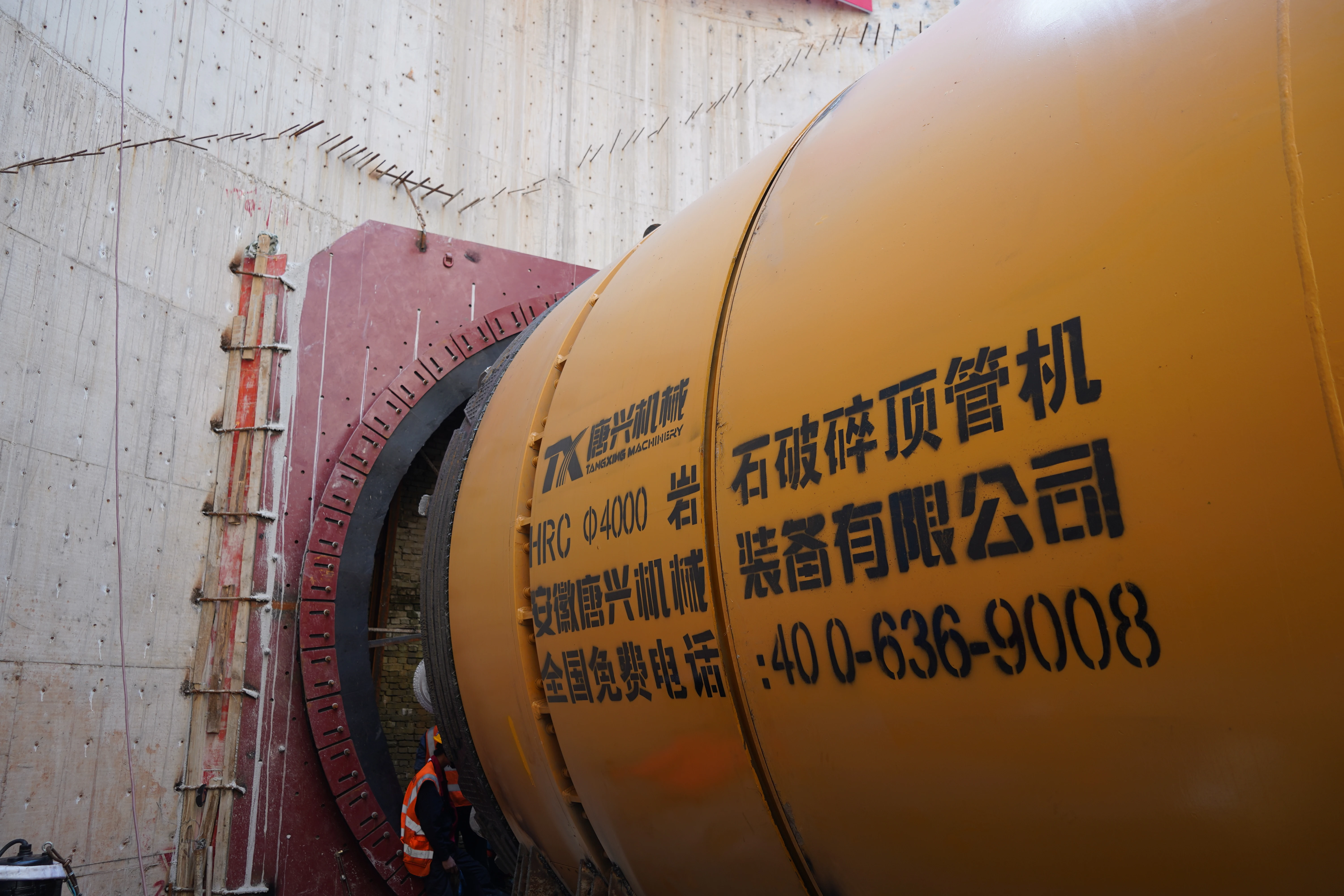
You might ask, Why does yaw jump when the TBM machine restarts? When you restart your tunnel machine, you can see sudden yaw movement. Control systems react fast to errors. Mechanical backlash in the tunnel drive parts can cause shifts. Poor calibration also leads to tunnel alignment risks. If you manage a tunnel project for CEGC, you face these challenges. Yaw jumps can delay tunnel progress, affect safety, and raise costs.
Key Takeaways
-
Watch the control system carefully when the TBM starts again. Fast responses to mistakes can make yaw jump. This can cause stress in the tunnel.
-
Check and fix the TBM’s mechanical parts often. Less backlash in the gear system stops extra bending. It also lowers stress in the tunnel.
-
Calibrate the yaw damper every time after the TBM restarts. Good calibration keeps the machine moving straight. It also lowers the chance of tunnel damage.
Why does yaw jump when the TBM machine restarts?
Control System Response
When you restart your tunnel machine, the control system reacts fast to yaw errors. This quick action can make the tunnel boring machine move all at once. The system tries to fix the tunnel’s direction using monitoring data. If the data shows a small error, the control system pushes hard to correct it. This push can bend the tunnel structure a lot. The stress and bending in the tunnel can grow quickly. You see this as a yaw jump. The control system does not always fix things gently. Sometimes, it reacts too strongly. This can cause more stress and bending in the tunnel lining. You need to watch the monitoring data closely during restart. If you do not, the tunnel can bend and get stressed even more. This is why yaw jumps happen when the TBM machine restarts. You must know how the tunnel bends when the control system acts.
Mechanical Backlash
Mechanical backlash often causes yaw jumps in tunnel boring machines. When you restart the TBM, the gears and drive parts may have some space. This space means there is a gap before the push goes through. The gear system in your tunnel machine is very important. If the gears have too much backlash, you will see more bending and stress in the tunnel. The involute planetary gear transmission helps cut backlash and shaking. This keeps the tunnel boring machine steady while tunneling. But if there is any wear or looseness, the stress and bending in the tunnel can rise. The monitoring data will show sudden changes in bending and stress. You must check the gear system often. If you see too much space, you need to fix or change the parts. This helps keep the push steady and lowers bending in the tunnel. This is another reason why yaw jumps happen when the TBM machine restarts. You must watch the mechanical system to stop extra bending and stress.
Yaw Damper Calibration
Yaw damper calibration is very important for tunnel direction. If you do not set the yaw damper after a restart, the tunnel boring machine may not move smoothly. The damper controls the push and stress on the tunnel. If the calibration is wrong, you will see more bending and stress in the tunnel. The monitoring data will show a jump in bending response. You must set the damper by hand after each restart. This keeps the tunnel boring machine on the right path while tunneling. Good calibration helps you control the stress and bending in the tunnel. You can use CEGC’s guidance and monitoring data systems to check the tunnel direction. These systems help you spot any bending or stress early. You can then change the push and damper settings. This lowers the risk of bending and keeps the tunnel safe. This is why yaw jumps happen when the TBM machine restarts. You must always check the calibration to stop extra bending and stress.
Tip: Always check the monitoring data before and after restarting your tunnel machine. This helps you see any sudden bending or stress changes.
|
Common Causes of Yaw Jump |
Effect on Tunnel |
Solution |
|---|---|---|
|
Control System Response |
Sudden bending and stress |
Slow down response, check data |
|
Mechanical Backlash |
Extra bending and stress |
Check and fix gear system |
|
Yaw Damper Calibration |
Tunnel goes off path, more bending |
Set damper after restart |
You can use CEGC’s technical solutions for face pressure control, guidance, and machine parts to lower bending and stress. These solutions help you keep the tunnel boring machine steady while tunneling. You can trust the monitoring data to help you decide what to do. This is why yaw jumps happen when the TBM machine restarts. You must manage the stress and bending in the tunnel to keep your project safe and moving forward.
Preventing Yaw Jumps in TBM Machines
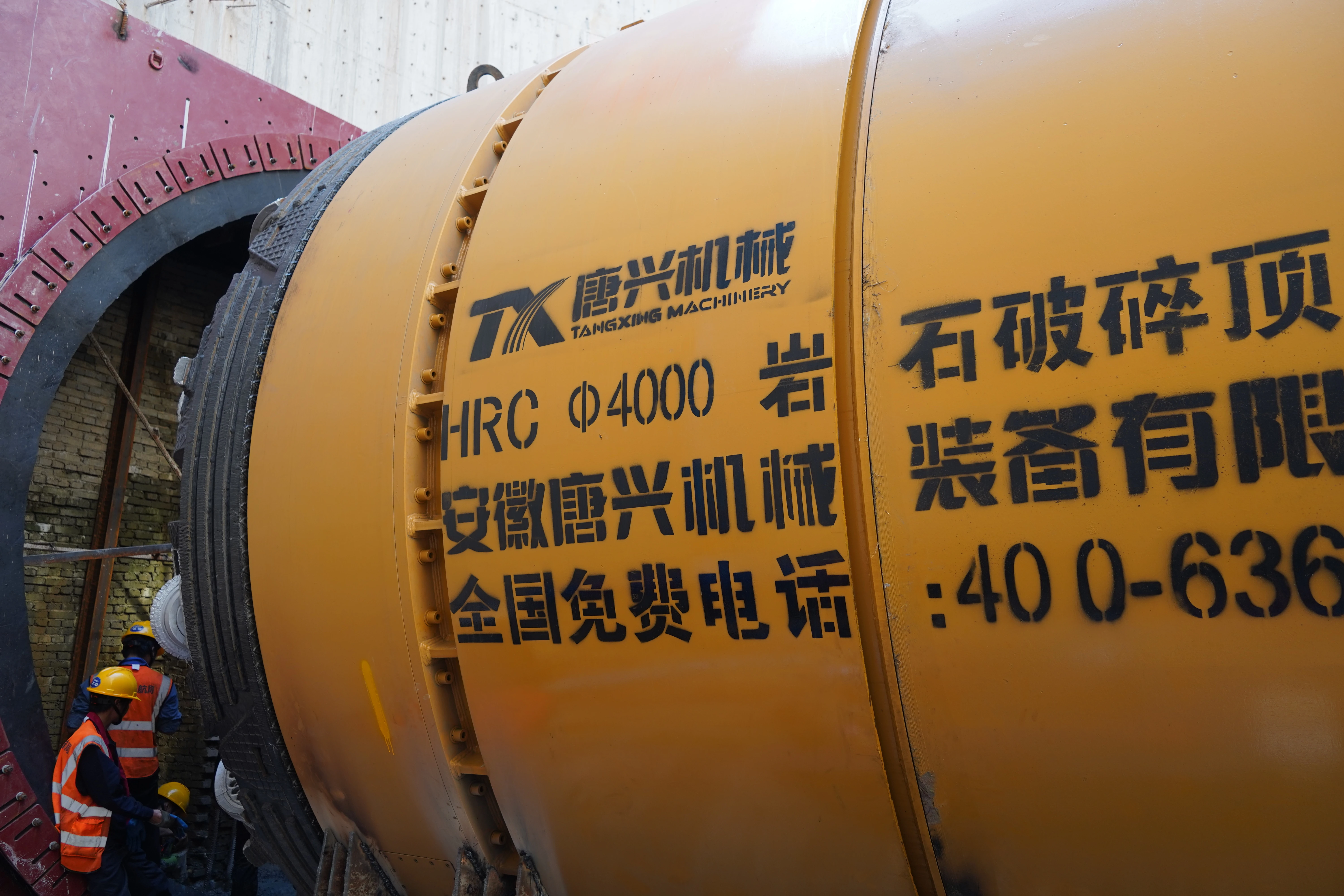
Operator Best Practices
You can stop yaw jumps by using smart steps. Start the TBM machine with slow thrust. This lets the tunnel handle stress changes better. If you push too fast, the tunnel can bend quickly. Follow the right steps when restarting. First, check all tunnel systems. Then, look at the monitoring data for deformation. This shows if the tunnel has stress or bending before you start again. Watch for warning signs of stress or bending. If you see a problem, stop and fix it before tunneling. Keep the thrust steady while tunneling. Sudden thrust changes can bend the tunnel and cause stress. Good operators balance thrust and stress to keep the tunnel safe.
Tip: Always talk with your team about tunnel stress and bending. Teamwork helps you find problems early.
System Calibration and Maintenance
You need to check and calibrate your TBM often. Regular calibration keeps your monitoring tools working well. This is very important for long tunnel jobs. If you skip calibration, you might miss signs of stress or bending. Maintenance helps you find and fix thrust system problems. Clean and check all sensors and thrust controls. Change worn parts to stop extra stress and bending. CEGC gives custom help for your tunnel machine. This lets you match your TBM to your tunnel needs. With good calibration and maintenance, you can control stress, bending, and thrust. This keeps your tunnel safe and your project moving forward.
|
Best Practice |
Benefit for Tunnel |
|---|---|
|
Gradual thrust application |
Less bending and stress |
|
Regular calibration |
Good monitoring for bending |
|
Steady tunneling sequence |
Fewer tunnel problems |
Yaw jumps happen when you restart your tunnel boring machine. The control system, mechanical parts, and calibration change the thrust. You need to watch for tunnel deformation and stress. Checking thrust, stress, and deformation keeps your tunnel safe. CEGC can help with your tunnel boring machine. You can ask them for help with thrust, stress, and deformation. They offer custom solutions for your tunnel. Their services are shown below:
|
Service Type |
Description |
|---|---|
|
Customized Equipment Manufacturing |
CEGC makes special equipment for tunneling projects. |
|
Technical Consulting Services |
Experts help with planning, picking equipment, checking rocks, and making work better. |
FAQ
What is deformation in a tunnel boring machine project?
Deformation means the tunnel shape changes. This can happen if the ground moves. It can also happen from machine thrust or pressure. Watching for deformation helps keep the tunnel safe.
How do you monitor deformation during tunneling?
Sensors help you see if deformation happens. These sensors tell you if it gets worse. You need to check the sensor data often. This way, you can find problems early and fix them fast.
Why does deformation matter for tunnel safety?
Deformation can make the tunnel weaker. You need to control it to stop cracks or breaks. If you do not watch for deformation, the tunnel might fail. Always look for deformation to keep the tunnel safe.


