
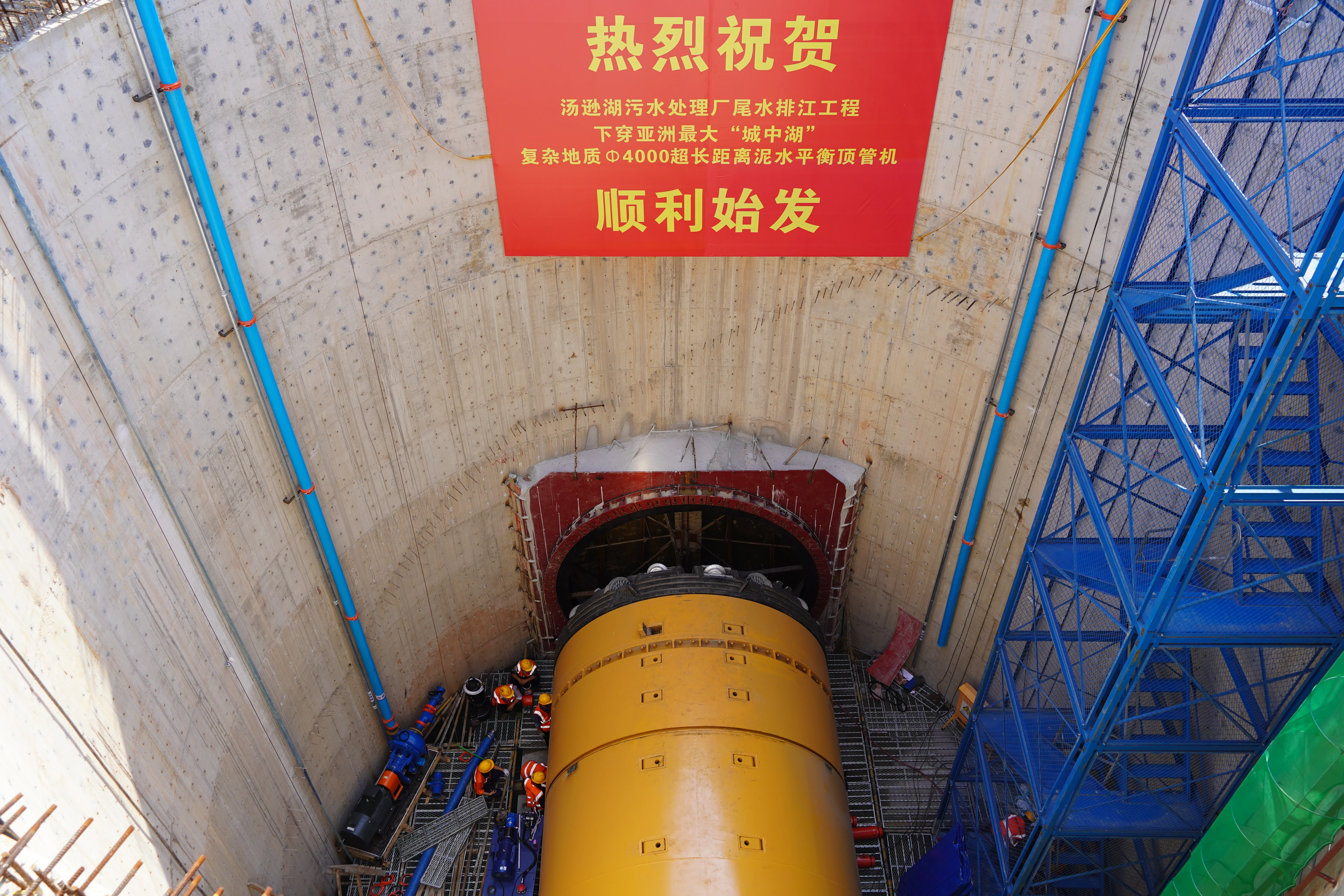
You can see how a TBM tunnel survives boulders with overload protection. When you use tunnel boring machines in hard ground, you need overload systems to protect the face. CEGC makes each TBM tunnel with face pressure control. Face sealing, face wear management, and special face solutions help keep your project safe and working well.
Key Takeaways
-
Use overload protection systems to keep tunnel boring machines safe when they hit boulders. This helps the machine stay steady and stops expensive damage.
-
Check and manage cutterhead wear often to keep tunneling working well. Doing this early stops delays and helps finish projects on time.
-
Use face pressure control to keep the tunnel face steady. This stops the ground from sinking and makes tunneling safer.
How a TBM Tunnel Survives Boulders with Overload Protection
Risks When Tunnel Boring Machines Hit Boulders
When you drive a TBM through mixed ground, you face many risks. Large boulders can block the path and stop progress. If a boulder is bigger than one-fifth of the machine’s diameter, you may need rescue operations. Sometimes, you must abandon the tunnel. The cutter tools on the face can wear out quickly. This leads to slowdowns and higher costs. You also risk damaging the pump systems. If a pump fails, you could see ruptures or leaks. When you break or split a boulder, you might create voids or even sinkholes. These problems threaten tunnel face stability and the safety of your project. You must keep the face stable to avoid ground settlement and face instability.
Overload Protection Systems and Their Role
You can protect your tunneling machines with overload protection systems. These systems help a TBM tunnel survive boulders with overload protection. CEGC uses face pressure control to keep the tunnel face stable. This system holds the ground in place and stops water from rushing in. You get a closed-mode face support design that works well in soft or wet ground. The soil conditioning and muck transport interface keep the face even and help remove spoil. Sealing and pressure retention systems stop leaks and keep the face safe under pressure.
You also need to manage cutterhead wear. In mixed ground, cutterheads face heavy wear and damage. You can use disc cutters to handle large boulders. CEGC’s TBM and Microtunnelling Machine lines let you pick the right cutterhead for your project. You get a formation-targeted cutterhead that matches the ground. Stable torque delivery and drive matching help you cut through hard spots without shock or damage. You can plan maintenance and replace worn parts before they fail. This keeps your tunneling machines running and reduces downtime.
Tip: Always check your cutterhead and face systems before starting a new section. This helps you spot problems early and avoid costly delays.
Step-by-Step TBM Response to Boulder Encounters
You can see how a TBM tunnel survives boulders with overload protection by following these steps:
-
Detection: Sensors and guidance systems spot a boulder ahead of the face. The operator gets a warning.
-
Face Pressure Adjustment: The face pressure control system increases support at the tunnel face. This keeps the ground stable and prevents sudden movement.
-
Cutterhead Configuration: The TBM switches to a cutterhead setup for hard ground. Disc cutters and reinforced tools handle the boulder.
-
Controlled Advance: The machine slows down. You keep the face stable and reduce the risk of damage.
-
Wear Monitoring: The system checks cutter wear. If needed, you schedule a quick replacement to keep the TBM moving.
-
Sealing and Leak Prevention: The sealing system holds back water and soil. This protects the face and keeps the tunnel dry.
-
Muck Removal: The muck transport system clears broken rock from the face. This keeps the tunnel face stable and ready for the next advance.
-
Alignment Check: The guidance system checks the tunnel’s path. You make small steering changes to stay on line.
You can see these steps in action on many CEGC projects. For example, in a city tunnel job, the TBM hit a boulder field. The face pressure control and cutterhead wear management kept the tunnel face stable. The team finished the drive with no major delays. This shows how a TBM tunnel survives boulders with overload protection.
You can trust CEGC’s shield machines and microtunnelling machines to handle tough ground. You get market-standard specs and project-based customization. This means you can match the machine to your tunnel construction needs. You keep your project safe, efficient, and on schedule.
Tunnel Boring Machines: Performance, Customization, and Project Solutions
Face Pressure Control and Ground Protection
You need strong face pressure control to keep tunnels safe. When you use tunneling machines in soft or mixed ground, you must manage the face. This stops ground settlement and keeps the tunnel face stable. CEGC’s shield machines use closed-mode face support. This system holds the ground in place and keeps water out. The table below shows how face pressure control helps tunnel face stability:
|
Key Findings |
Description |
|---|---|
|
Importance of Face Pressure |
Managing face pressure lowers surface settlement during tunneling. |
|
Critical Pressures |
You must keep face and backfill pressures safe for stability. |
|
Simulation Model |
Engineers use models to check face pressure and match field results. |
You can trust CEGC’s tunneling machines to keep your project safe. The face system stops leaks and keeps the tunnel dry. You get better results in every tunnel construction job.
Cutterhead Wear and Efficiency Management
You face tough ground and abrasive soil in many projects. Cutterhead wear can slow you down and raise costs. CEGC’s tbm machines use real-time feedback and torque control to manage cutter wear. The table shows how CEGC compares to others:
|
Feature |
CEGC's System |
Industry Standards |
|---|---|---|
|
Thrust Optimization |
Yes |
Varies |
|
Real-time Feedback |
Yes |
Limited |
|
Durability |
Enhanced by steady torque |
Varies |
|
Modular Design |
Yes |
Not always available |
You can plan inspections and replace parts before they break. This keeps your tunneling machines working and protects the face. You finish tunnel construction faster and safer.
Guidance, Alignment, and Modular Design
You need accurate guidance to keep your tbm on track. CEGC’s tunneling machines use sensors, lasers, and gyroscopes. These tools help you steer the machine and keep the face in the right place. You get about one inch tolerance for alignment. The modular design lets you move and build shield machines quickly. You save time and avoid delays. The face stays stable, and you avoid costly rework. CEGC gives you market-standard specs and custom options for every tunneling job.
Tip: Use CEGC’s guidance system to check your alignment often. This keeps your tunnel boring machines on the right path and protects tunnel face stability.
You can tunnel safely through boulders with CEGC’s machines. The face pressure control keeps the tunnel face steady. It stops the ground from moving or sinking. The table below shows how CEGC’s solutions help your tunneling work:
|
Solution Type |
Description |
|---|---|
|
Adaptive TBM Features |
Cutterheads change modes for mixed ground. This protects the face. |
|
Early warnings let you change face pressure and speed. |
|
|
Modular Design |
Fast assembly and repairs keep tunneling on track. The face stays safe. |
-
Careful restart steps keep the face safe during long drives.
-
Predictive maintenance and real-time checks protect the face and cut downtime.
-
Modular design helps you fix the face and keep tunneling fast.
You can rely on CEGC’s TBM and Microtunnelling Machines. They keep the face steady, lower risks, and help you finish your project on time.
FAQ
What makes CEGC shield machines reliable for tunneling in unstable geologic conditions?
You get shield machines with advanced face pressure control. These machines keep tunneling safe. They work well even in unstable ground.
How does slurry help when excavating tunnels with CEGC equipment?
You use slurry to support the tunnel face. Slurry keeps the ground stable. It helps shield machines remove spoil during tunneling.
Can CEGC tunneling solutions handle boulders and tough ground?
You trust CEGC for digging tunnels through hard ground. Shield machines use slurry and strong cutterheads. This keeps tunneling efficient and safe.


