
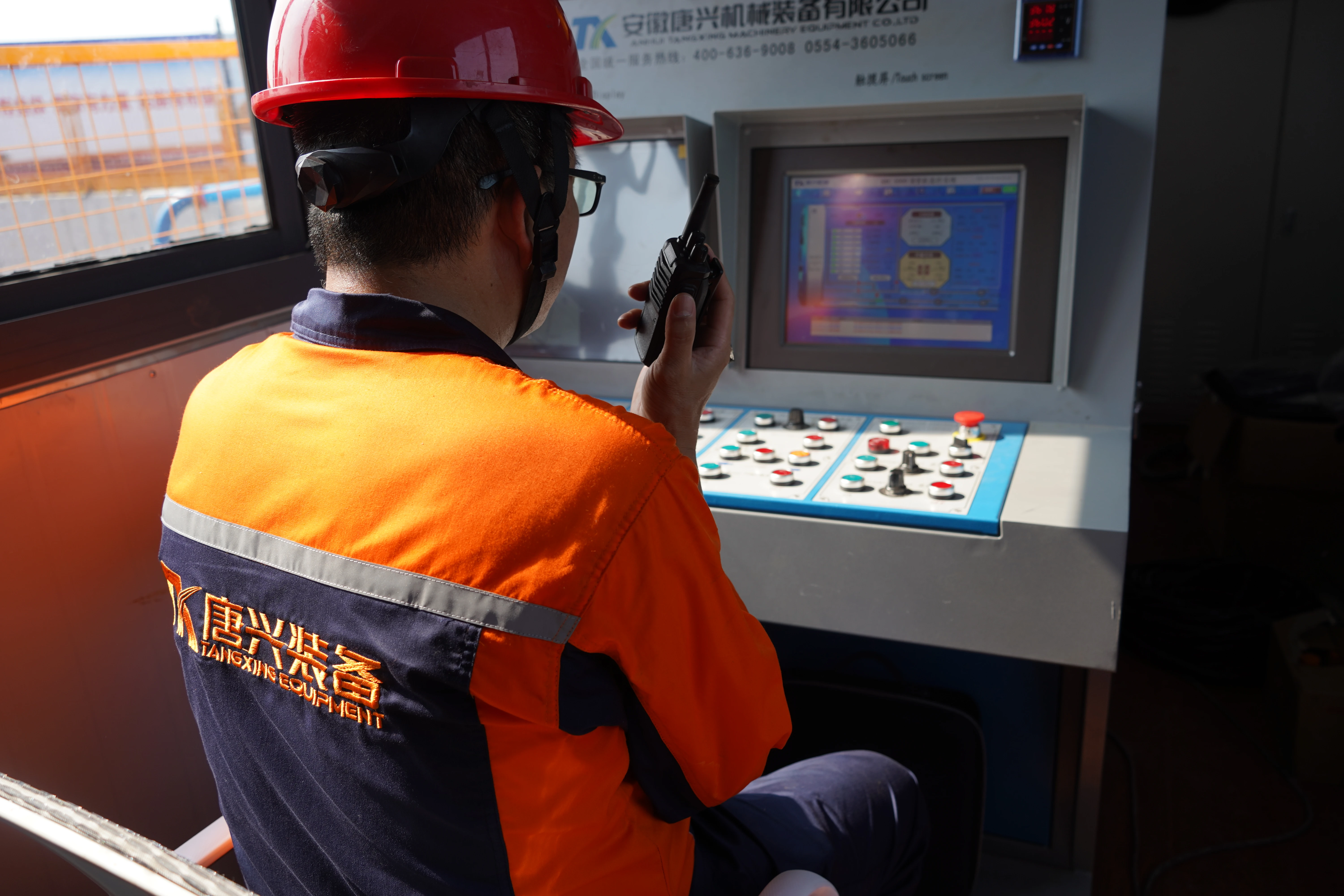
You can see that micro tunneling overload limits prevent pipe damage by controlling the pushing forces and pressure during tunneling operations. These micro tunneling overload limits prevent pipe damage and help keep pipes safe in urban environments, where roots and small organisms can threaten pipe integrity. When using CEGC tunnel boring machines, micro tunneling overload limits prevent pipe damage and ensure reliable performance. With CEGC, you can customize micro tunneling overload limits to fit your specific project needs, providing added protection and peace of mind. Overall, micro tunneling overload limits prevent pipe damage and keep your pipeline installations safe from harm.
Key Takeaways
-
Micro tunneling overload limits help control pushing force and pressure. This stops pipes from getting damaged in cities. - CEGC tunnel boring machines let workers change overload limits. This makes the project safer and more reliable. - Watching pressure and thrust limits during tunneling keeps pipes strong. It also lowers the chance of leaks or breaks.
Micro Tunneling Overload Limits And Pipe Protection
Overload Limits In Trenchless Technology
When you start a trenchless project in a city, you face many problems. The ground can settle or become unstable. Water can get into the tunnel and cause trouble. If you do not set the right overload limits, pipes and buildings can get damaged. CEGC tunnel boring machines and microtunneling machines help you control these dangers. Overload limits help you manage how much material moves in the chamber. They keep the ground steady and stop the machine from getting stuck. Special slurries support the soil and make things slippery, so there is less chance of damage. You also make the cutterhead opening smaller to stop the chamber from jamming in hard ground.
|
Measure |
Description |
|---|---|
|
This stops the machine from stalling and keeps the ground from falling in. |
|
|
Use of engineered slurries |
These keep the tunnel face strong and slippery, so damage is less likely. |
|
Minimize cutterhead opening ratio |
This helps stop the chamber from jamming in tough ground. |
You use CEGC’s face pressure control and ground protection system to keep the tunnel safe. These systems help you control pressure at the tunnel face and stop water from coming in. Micro tunneling thrust limits and pipe jacking methods protect your pipes and keep your project safe. With CEGC, you can change these limits to fit the soil and water at your site.
Thrust Limits And Pipe Integrity
You must control thrust limits to keep pipes strong during micro tunneling. If you push too hard, pipe joints can break or move out of place. You study the ground and soil to guess how much the ground will move and how much pressure there will be. You check the jacking force and pipe strength before you start. You design the shaft and thrust block to handle the pushing forces. You use alignment and grade control to keep the tunnel straight. You set up a slurry system to control how fast it flows and how much pressure it has. You pick steel casing or concrete encasement to help hold up the pipe.
-
Geotechnical & Soil Analysis: You predict face pressure, ground movement, and if you need to remove water.
-
Jacking Force & Pipe Strength: You check total thrust, pipe strength, and lubrication pressure.
-
Shaft & Thrust Block Design: You make sure the shaft walls are strong and the thrust block can handle the force.
-
Alignment & Grade Control: You check the tunnel curves, grade, and use lasers to guide the machine.
-
Slurry System Design: You control flow rate, pressure, and how much solid material is moved.
-
Steel Casing / Concrete Encasement: You choose the right thickness and grouting pressure to support the pipe.
You watch micro tunneling thrust limits during the whole project. You use tie rods and control rods to hold the pressure and keep joints from moving. You always use tie rods unless anchors are made for full pressure thrust. You follow rules for how much force and pressure you can use. You make sure your jacking equipment is strong enough and your pipes can handle the work.
|
Evidence |
Description |
|---|---|
|
The main jacking machine must be stronger than the force you expect. |
|
|
Pipe Design |
The pipe must be strong enough for all the loads during jacking. |
If you go over thrust limits, pipes can crack, leak, or move out of place. Flow-induced stresses and movements in jointed concrete pipes can cause unbalanced forces. These forces hurt pipe joints and can mess up pumping systems.
|
Source |
Key Points |
|---|---|
|
Design Considerations for Restrained Joint Systems in Pipeline Engineering |
You must calculate thrust force and control it to stop joint damage and misalignment. |
|
Practical Applications for Design of Thrust Blocks and Tied Joints |
Forces must be balanced to keep pipes safe, or too much thrust will cause problems. |
|
Flow-induced stresses and displacements in jointed concrete pipes |
Unbalanced forces can crack and leak pipes, especially at joints. |
|
How Does Plant Pipe Strain Problems Affect Pumping Systems? |
If pipes are not lined up, leaks and extra forces can happen. |
Pressure Monitoring And Control
You use new monitoring tools to control pressure during micro tunneling. You check the machine’s position, alignment, and how it works all the time. The microtunneling machine controls pressure at the tunnel face and keeps the tunnel safe. The pipe jacking system pushes the tunnel forward and holds up pipe pieces. Bentonite slurry supports the soil, carries away dirt, and controls pressure. Guidance and control systems use sensors and computers to keep the tunnel in the right place.
|
Technology |
Function |
|---|---|
|
These track the machine’s position, alignment, and how it works to keep things safe. |
|
|
MTBM |
This controls pressure at the tunnel face and keeps the tunnel steady while pushing the pipe. |
|
Pipe Jacking System |
This pushes the tunnel forward and supports pipe pieces as you install them. |
|
Bentonite Slurry System |
This moves fluid to support the soil, carry dirt, and control pressure. |
|
Guidance and Control Systems |
These use sensors and computers to make sure the tunnel goes the right way. |
You follow good rules for watching and controlling pressure. You control grouting pressure to match the ground and stop cracks. You use machines that mix and batch automatically to keep pressure steady. You use pre-grouting umbrellas to make a barrier that water cannot get through and lower water pressure. You watch grout injection pressure to fill empty spaces, especially where water pressure is high.
-
Grouting Pressure Control: You match pump pressure to the ground so you do not under-inject or crack the ground.
-
Automated Systems: You use machines to mix and batch so pressure stays the same and grout is always right.
-
Systematic Pre-Grouting: You use pre-grouting umbrellas to make a barrier and lower water pressure on the tunnel.
-
Pressure Monitoring: You control grout injection by pressure to fill all spaces, especially where water pressure is high.
You use CEGC’s microtunneling machine and TBM machine to control pressure and thrust limits. You keep your pipes safe from damage and your project safe. You can change the pressure range, sealing design, and conditioning interface to fit your project. You use micro tunneling thrust limits and pipe jacking to keep pipes strong and stop damage.
Preventing Pipe Damage With Trenchless Technology
Common Pipe Damage Scenarios
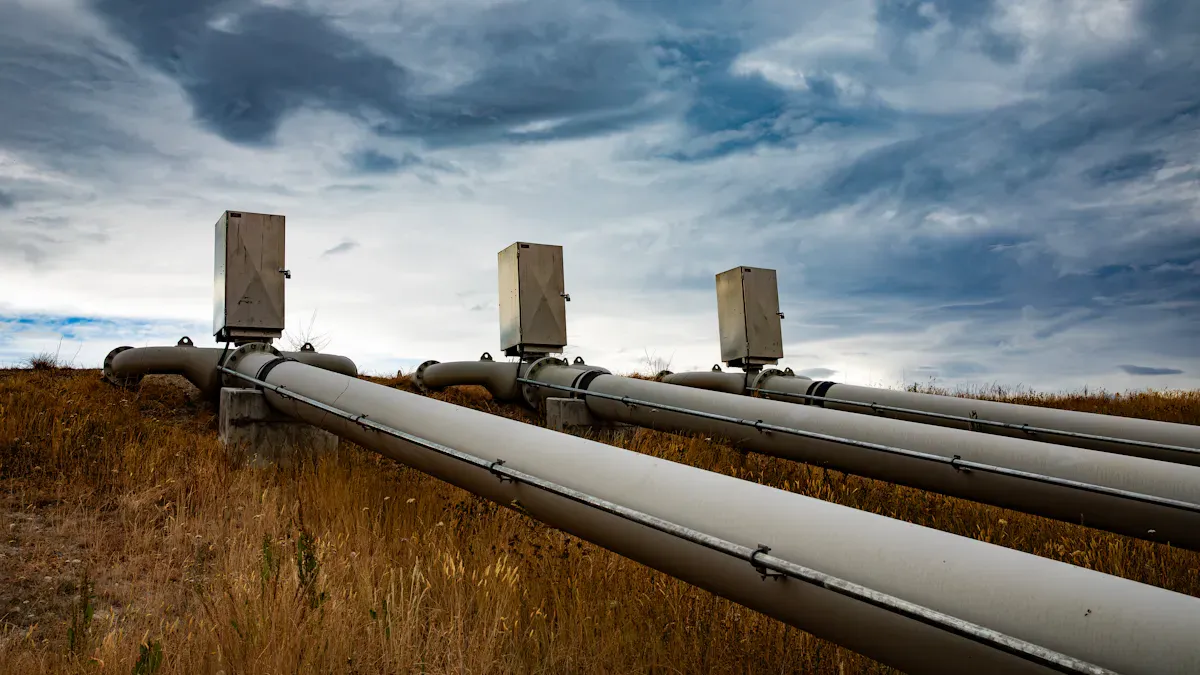
There are many risks in trenchless projects if you do not watch thrust or check thrust limits. Tree roots can get into pipes through cracks. They grow inside and block the pipe. This can make leaks happen. Old water mains can break down as they get older. This causes more problems for the pipes. Pipes made from lead or asbestos must be replaced to keep people safe and protect utilities. If you do not pay attention to overload limits, pipes can crack, leak, or even break completely.
|
Type of Damage |
Root Cause |
|---|---|
|
Tree Root Infiltration |
Cracks in pipes allow roots access |
|
Aging Water Mains |
Deterioration over time |
|
Lead and Asbestos Pipes |
Replacement due to health concerns |
Role Of Packers And Lubrication
Packers and lubrication help protect pipes during trenchless work. Packers seal pipe joints and keep water out. This helps protect utilities. Lubrication, like bentonite, fills the space around the pipe. It makes the pipe slide easier and lowers friction. This helps you control thrust and stops damage. Using enough lubrication lowers the chance of jamming or breaking pipes. It also helps the tunnel boring machine move safely and smoothly.
-
Packers keep joints tight and stop leaks.
-
Lubrication reduces friction and helps control thrust.
-
Both methods improve safety and protection for your pipes.
Annular Gap And Skin Friction
You need to watch the annular gap in trenchless projects. The annular gap is the space between the pipe and the ground. If you do not fill this gap with bentonite, skin friction gets higher. High skin friction can jam or break pipes. Filling the gap with bentonite helps you control thrust and keeps pipes safe.
CEGC lets you change pressure range, sealing design, and conditioning interface. These features help you pick the right settings for your project and make things safer. When you use trenchless technology with the right overload limits, pipes last longer, need less fixing, and everyone stays safer.
Tip: Always check thrust limits and use the right protection to keep trenchless projects safe and working well.
You keep pipes safe and make projects safer by using micro tunneling overload limits and thrust limits with CEGC tunnel boring machines. New monitoring systems let you watch how the machine works and check the ground. You can change settings quickly and look at data to make things work better. This gives you more accuracy, less time wasted, and easier controls. In the future, people will want machines that can adjust and work even better.
-
Safety and quality checks are improved.
-
Machines dig with very high accuracy.
-
Predicting repairs helps stop delays.
FAQ
What makes microtunneling safe for fragile utilities?
Microtunneling helps keep fragile utilities safe. This method uses trenchless technology. You do not need to dig up the ground. Pipes and other utilities stay safe from harm.
How does real-time control help during trenchless projects?
Real-time control lets you watch pipe movement as it happens. You can change trenchless technology settings right away. This keeps utilities safe. It also stops pipe damage and problems with fragile utilities.
Why should you choose advanced trenchless technology for pipe installation?
Advanced trenchless technology is a good choice for pipe installation. It helps protect utilities. It does not hurt fragile utilities. Microtunneling keeps pipes strong and safe.


