
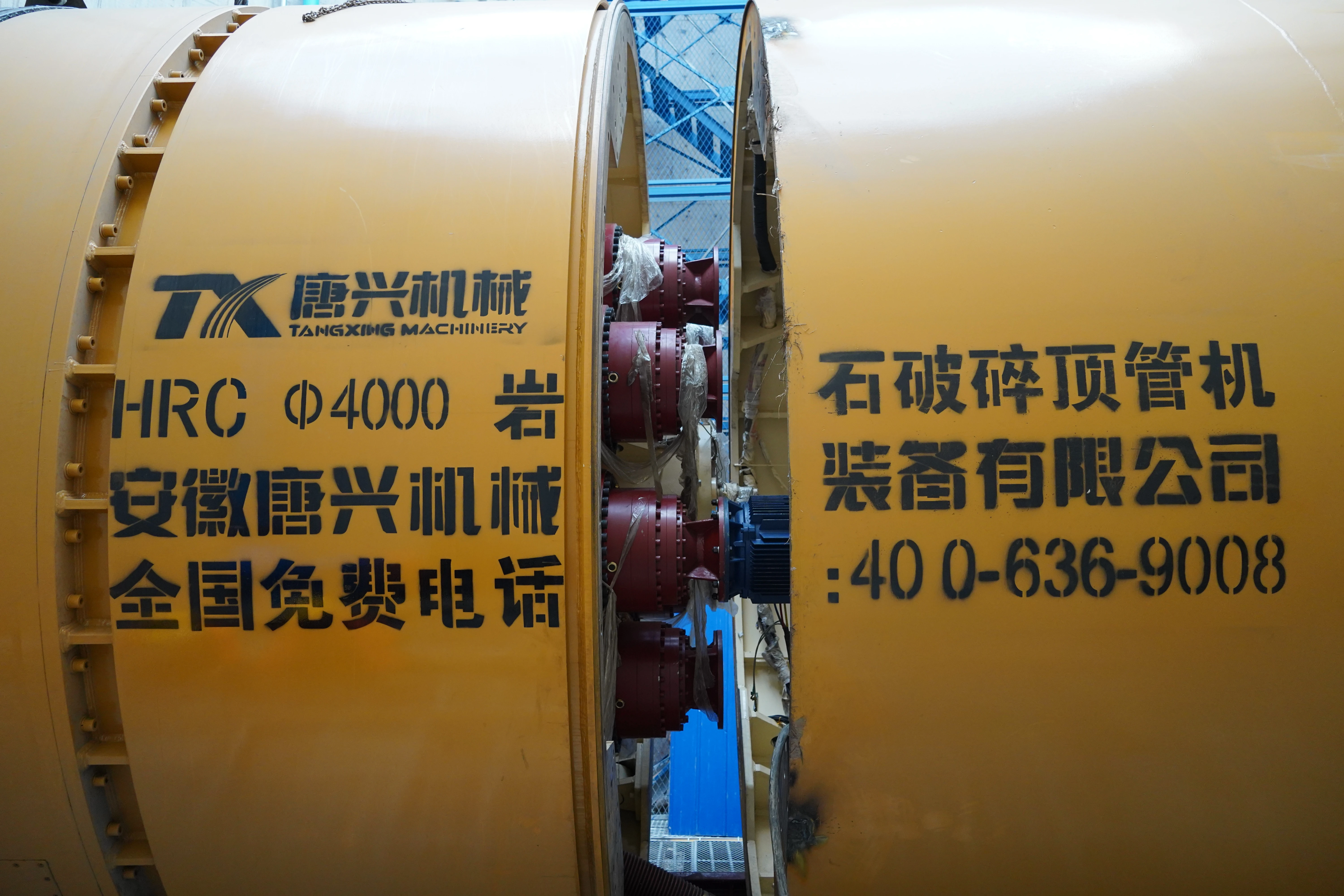
Better discharge monitoring prevents TBM machine stalls, and you can see how CEGC’s tunnel machine solutions enhance this process. By providing early warnings, better discharge monitoring allows you to act quickly, effectively preventing TBM machine stalls. This proactive approach not only saves you money and time but also makes your tunnel boring machine project more reliable. With CEGC, better discharge monitoring is key to ensuring smooth operations and minimizing disruptions.
Key Takeaways
-
Better discharge monitoring gives early warnings to stop TBM machine stalls. This helps people act fast and saves both time and money.
-
Discharge monitoring systems give real-time data to find problems early. This way, your tunnel boring machine works well and does not stop.
-
Advanced monitoring and modular designs help lower downtime. This makes sure you follow safety rules and finish your project on time.
Why better discharge monitoring prevents TBM machine stalls
Discharge monitoring in TBM operations
Discharge monitoring helps your tunnel boring machine work well. It uses sensors and software to watch the flow of spoil and slurry. These tools let you see problems before they stop the machine. CEGC’s tunnel machine solutions use smart technology to give you clear data and fast alerts.
Here is a table that shows the main parts and technology used in discharge monitoring for tunnel boring machines:
|
Component/Technology |
Description |
|---|---|
|
Variable Density TBM |
Combines classic EPB and Mix tunnelling methods for optimal performance in variable ground conditions. |
|
Muck Removal |
Uses screw conveyor for mechanical and hydraulic removal of excavated material, reducing clogging. |
|
Crusher Integration |
Includes sizer or rock crusher to manage large clods of soil for hydraulic conveying. |
|
HDSM Mode |
Expands slurry support capabilities into coarser soil structures. |
|
Operating Modes |
Four adaptable modes for flexibility, safety, and economic efficiency. |
|
Slurry TBM |
Utilizes bentonite as a transport and support medium for the tunnel face. |
|
Excavation Chamber |
Slurry is pumped into the chamber to create counterpressure at the excavation face. |
|
Main Components |
Includes cutterhead, protective shield, longitudinal thrust jacks, and slurry treatment plant. |
|
Slurry Treatment Processes |
Involves separation, dewatering, preparation, storage, conditioning, and water management. |
|
Crusher for Large Stones |
Equipped with a stone crusher to manage larger stones before muck removal. |
Discharge monitoring helps you control face pressure and spoil removal. You can change settings to match the ground. This matters in city projects and mixed ground, where rules are strict and the ground changes.
Impact on tunnel boring machine performance
Discharge monitoring makes tunnel boring machines work better. It lowers the chance of stalls. You get real-time data to help you decide fast. Sensors watch the flow of slurry and spoil, so you can spot trouble early. Software helps you plan repairs and see problems before they happen.
-
Real-time systems give you quick data.
-
Sensors change machine settings for the ground.
-
Software helps you fix things early.
Discharge monitoring stops ground settlement, water leaks, and cutterhead wear. You can see warning signs and fix them before downtime happens. Here is a table showing common warning signs found by discharge monitoring systems:
|
Early Warning Sign |
Possible Causes |
|---|---|
|
Uneven Reclaiming |
Scraper blades not set right, uneven material, wrong boom angle |
|
Chain or Scraper Wear |
Not enough oil, parts not lined up, heavy loads |
|
Noise and Vibration |
Loose bolts, worn bearings, drive shafts not lined up |
|
Control System Malfunctions |
Electrical problems, sensor errors |
You can use this info to keep your tunnel boring machine working well. CEGC’s TBM solutions help you keep face pressure steady and protect the ground. You get better control over slurry flow and spoil removal, so your project stays on track.
Early detection and response
Finding problems early stops TBM machine stalls. Discharge monitoring systems warn you about issues like uneven reclaiming, chain wear, or control system errors. You can act fast and avoid losing time.
Tip: Use real-time monitoring and check sensors often to catch problems early.
Discharge monitoring lets you spot water leaks, ground settlement, and cutterhead wear. When you see these signs, you can change settings or plan repairs. This keeps your tunnel boring machine running well and stops delays.
Discharge monitoring gives you tools to manage slurry, spoil, and machine performance. You can keep your TBM moving, even in tough ground. CEGC’s tunnel machine solutions offer standard specs and custom options, so you get the best results for your project.
Technical solutions for TBM discharge issues
Face pressure control and ground protection
A stable tunnel face is important for moving the TBM forward. CEGC’s closed-mode face support system keeps pressure steady. This system works with different soils and water conditions. It stops the ground from moving and keeps the TBM safe. You can use it in soft ground or places with lots of water. The closed-mode face support gives you more control and lowers the chance of stalls.
Ground protection is also needed. The system uses slurry to make counter pressure. This pressure stops the tunnel face from falling in. You can change the slurry flow to fit the ground. This helps stop settlement and water from getting in. The TBM stays safe, and you follow strict city rules.
Tip: Check face pressure and slurry levels often. Quick changes help you stop sudden ground movement.
Soil conditioning and muck transport
Soil conditioning makes moving muck easier. You add foams and polymers to the soil. These additives change how the soil acts. The muck moves smoothly through the TBM. You remove spoil well and lower the risk of stalls.
Slurry is important for soil conditioning. It helps make counter pressure at the tunnel face. The slurry stops unwanted materials from coming in. You keep the TBM running without delays. Advanced soil conditioning products lower cutterhead torque and wear. You work faster and lower production risks.
A good muck transport system is needed. CEGC gives you screw conveyors for tough soils. These conveyors use chromium carbide wear plates. You also get the Robbins Continuous Conveyor system for muck removal. This system uses curve idlers that adjust themselves. You move spoil fast and keep the TBM working.
|
Soil Conditioning Additives |
Benefits |
|---|---|
|
Foams |
Smooth muck transport |
|
Polymers |
Lower cutterhead wear |
|
Bentonite |
Stable slurry and face support |
Note: Good muck transport and soil conditioning help you stop downtime and make your project safer.
Modular design and maintenance
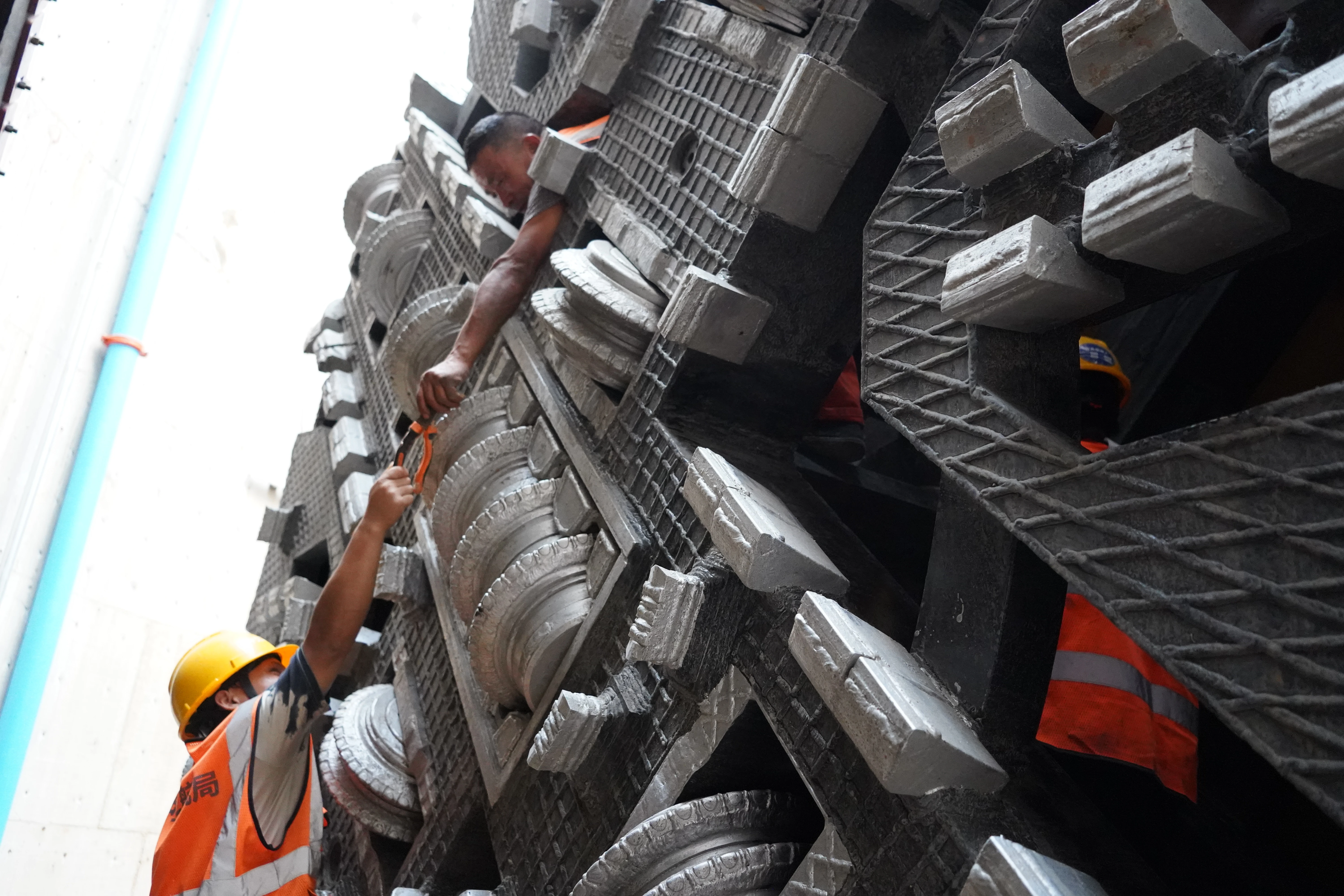
Modular design makes fixing things easier. You can reach cutterhead arms fast. You change worn tools without long waits. This design keeps your TBM working and lowers downtime.
Advanced monitoring systems help you plan maintenance. You use real-time cameras to check the TBM. You find discharge issues early and fix them before stalls happen. Preventive maintenance keeps your TBM working well and lowers repair costs.
You get custom options with CEGC. You can lower pre-torque of cutter bearings for soft ground. You add sacrificial rippers to handle ring wear. You use custom screw conveyors for tough soils. You pick the best choices for your TBM and microtunnelling machine.
-
Modular assembly fits small launch shafts.
-
Service-friendly layout makes it easy to reach key parts.
-
Spare parts planning keeps your project moving.
Industry rules need advanced monitoring systems. You must follow strict safety and environmental laws. You need full environmental checks before your project starts. Rules about noise, vibration, and emissions affect your work, especially in cities.
Tip: Follow maintenance schedules and use modular designs. You lower downtime and meet rules.
You can see that better discharge monitoring means fewer TBM stalls. CEGC’s solutions help your TBM work without stopping. Real-time monitoring helps you find problems early and fix them fast. When operators get training, they can handle issues better. Using advanced TBM methods makes your project more likely to succeed.
|
Improvement Description |
Impact |
|---|---|
|
Efficient removal of solids |
Makes building faster and lowers costs |
|
Control of mud performance index |
Stops sticking and makes drilling better |
|
Mud recycling |
Saves materials and cuts waste costs |
|
Environmental impact reduction |
Lowers costs and helps the environment |
|
Continuous operation |
Makes building go faster |
-
Real-time systems help you see ground movement and water leaks.
-
You use data to make things work better and safer.
-
Remote monitoring lets you control TBM in hard places.
You should always focus on discharge monitoring for TBM jobs. This helps you save money, stop delays, and follow the rules.
FAQ
What is the main benefit of process monitoring and control in TBM projects?
You get live data right away. This lets you find problems fast. You can keep your tunnel boring machine working well. You avoid expensive delays.
Why do you need consistent slurry properties during slurry shield TBM tunneling?
You need steady slurry properties to keep the tunnel face strong. This stops the ground from moving and keeps water from leaking in during slurry shield tbm tunneling.
How does discharge monitoring help with project safety?
You use discharge monitoring to watch spoil and slurry flow. This keeps your worksite safe. It lowers the chance of sudden machine stalls.


