
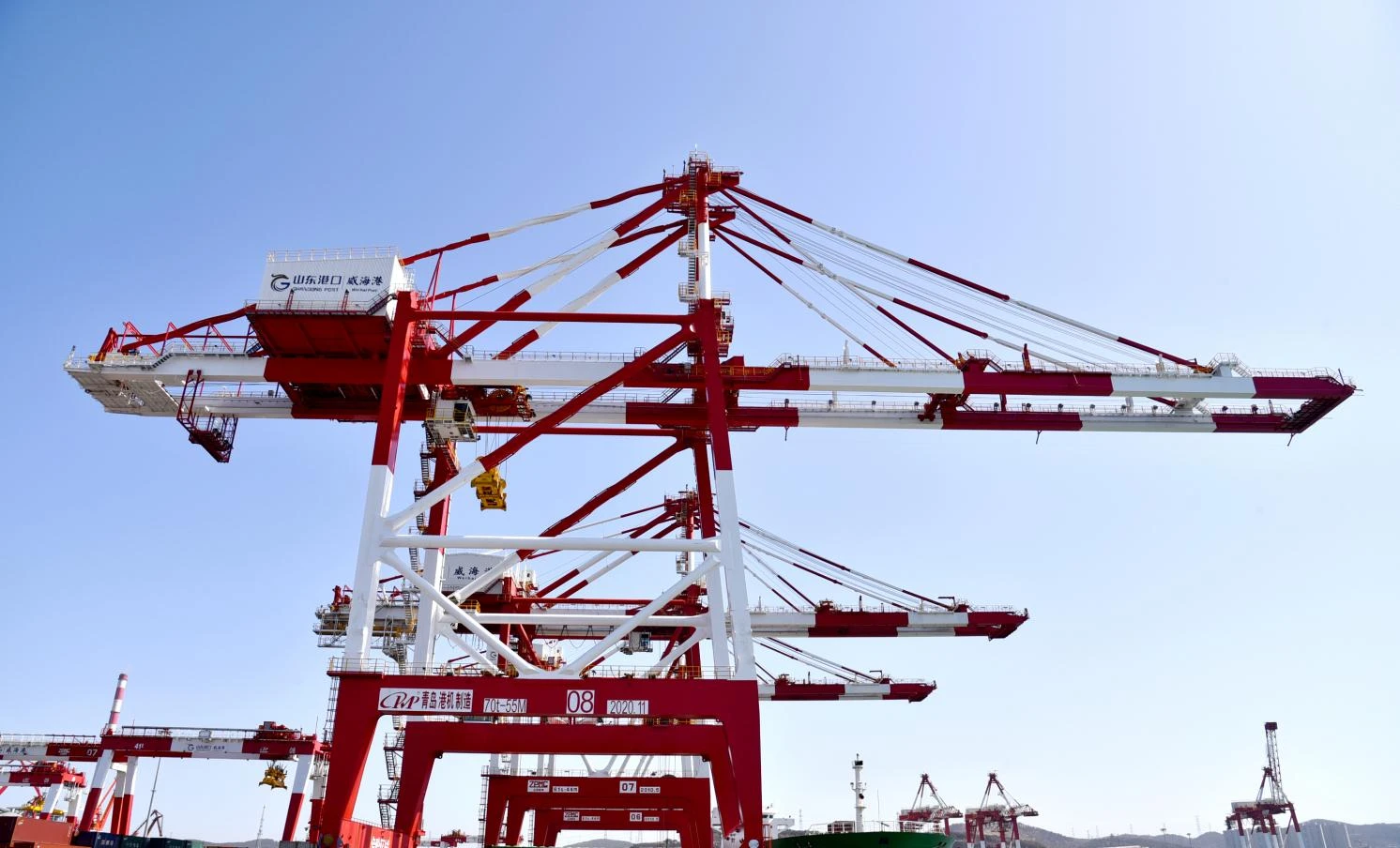
Cargo crane dispatch reduces collision risk in busy cargo terminals. Safety is paramount when operating heavy equipment. CEGC provides advanced port machinery and lifting equipment with market-standard specifications. You can choose project-based customization to meet your operational needs. Reliable systems from CEGC help you maintain efficient terminal operations.
Key Takeaways
-
Cargo crane dispatch systems make things safer. They control how cranes move. This helps stop crashes in busy terminals.
-
Real-time monitoring and anti-sway technology help cranes work better. They make cranes more steady and accurate. This keeps workers safe and lowers the number of accidents.
-
Customizable collision avoidance systems let terminals change settings for their needs. This helps them handle cargo safely and quickly.
How cargo crane dispatch reduces collision risk
Crane dispatch systems in cargo terminals
Cargo terminals are busy places. Cranes move containers and equipment all the time. Crane dispatch systems help control crane movement. They lower the chance of collisions. These systems plan routes and schedule tasks. They also help cranes talk to each other. This stops confusion and keeps cranes apart. CEGC’s crane dispatch uses smart software and hardware. You can control different cranes with accuracy.
Cargo terminals face many challenges. They need good safety systems. These systems must plan routes, use geofenced behavior, check equipment state, and allow remote supervision. Safety is not just about one machine. It needs teamwork between vehicles and operators.
Crane dispatch systems make terminals safer and more efficient. They keep cranes moving without crashes. They also cut downtime and protect workers.
Real-time monitoring and anti-sway control
Real-time monitoring keeps cranes safe. Sensors watch crane position, speed, and load movement. You get updates very fast. This helps you change crane speeds and set stop zones. Blind spots are smaller and collision risk goes down. CEGC’s collision avoidance uses anti-sway control. Loads stay steady and placement is more accurate.
-
Ultra-Precise Collision Avoidance: Cranes share position and speed data all the time. They adjust speeds and stop zones. This lowers blind spots and collision risks.
-
Real-Time Control & Diagnostics: Fast updates help control systems work better. They also predict maintenance needs. This makes everything safer.
Anti-sway technology works in different cranes:
|
Crane Type |
Anti-Sway Technology Description |
Advantages/Disadvantages |
|---|---|---|
|
Container Cranes |
Hydraulic sway damping uses hydraulic circuits to stop sway. |
Needs maintenance; delays lowering loads because of sway stopping time. |
|
|
All-electronic systems change crane motion to stop sway. |
Stops sway well; no extra ropes needed; wind can affect it. |
|
Portal Cranes |
Closed loop systems measure load movement to stop sway from movement and outside forces. |
Works well outdoors; costs more but performs better. |
|
|
Open loop systems change crane motion using math models without feedback. |
Good for indoors; costs less; cannot handle outside forces. |
You pick the best anti-sway system for your job. This keeps cargo crane dispatch safe and lowers collision risk.
Multi-layer safety interlocks and operator support
Multi-layer safety interlocks protect cranes and workers. These systems have overload protection, limit switches, emergency stops, and zone-based collision avoidance. They cut down mistakes and stop collisions. CEGC’s operator HMI shows alarms, status, and guides you.
-
The smart overhead crane system lets you control cranes remotely with a touch screen. Operators stay away from cranes, so pinch points are gone.
-
HMI systems give real-time monitoring and diagnostics. Operators control cranes from a safe spot, making things safer.
-
Auto-dispatch technology keeps operators out of dangerous areas. This protects them from harm.
Remote-controlled cranes at HHLA show a move to semi-automated handling. This means better safety and efficiency in cargo terminals.
You see fewer collisions and safer work. Crane collision avoidance systems keep terminals running well. CEGC’s cargo crane dispatch solutions give you reliable performance.
Crane collision avoidance systems and how they prevent collisions
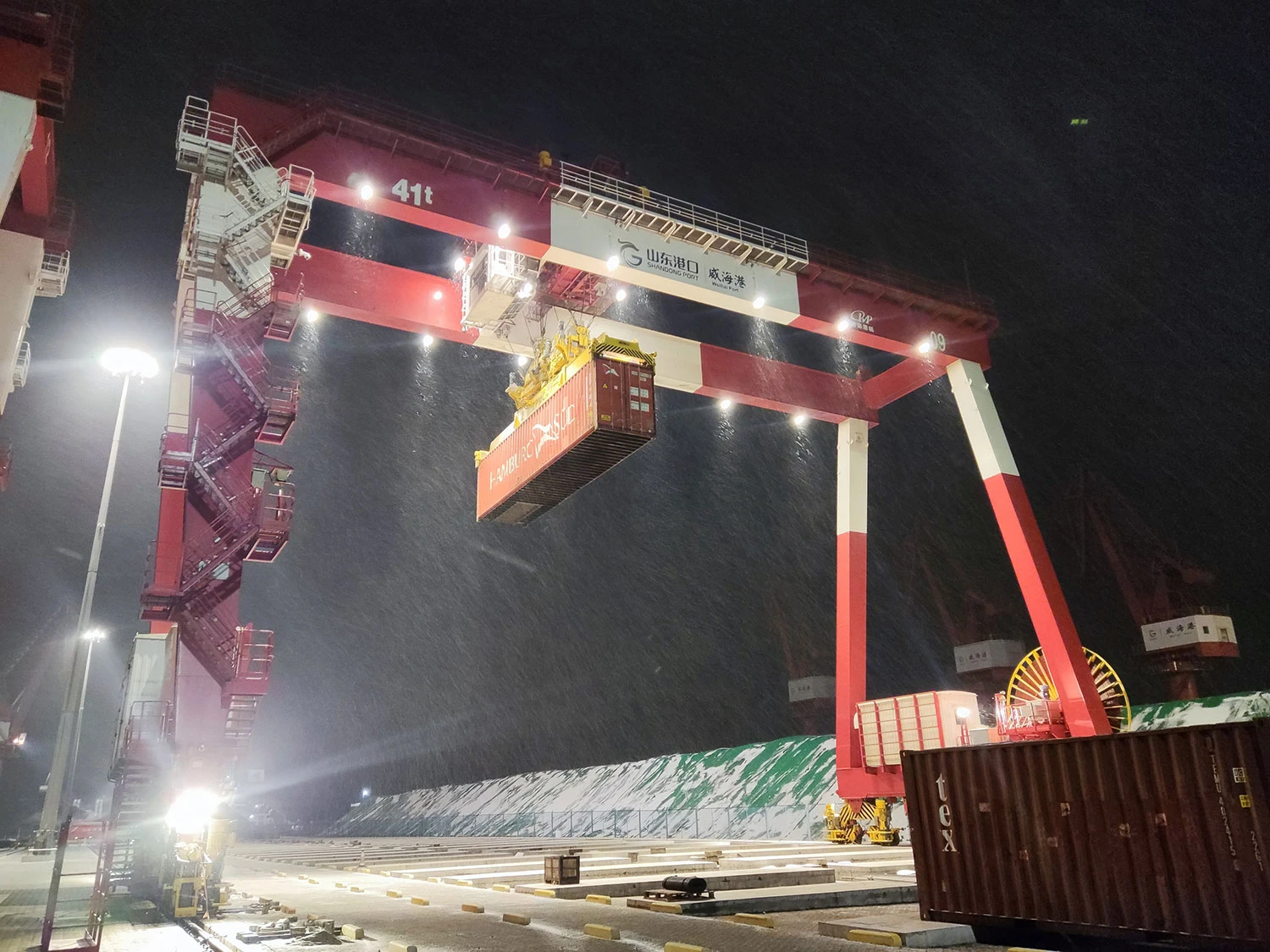
Sensor-based detection and automated alerts
Crane collision avoidance systems help stop accidents in cargo terminals. These systems use sensors to find obstacles and dangers. Each sensor works best in certain situations. You can see how they work in the table below:
|
Sensor Type |
Description |
Advantages |
|---|---|---|
|
LIDAR |
Sends laser pulses to map the area and measure distance. |
Works well in busy places and finds things far away. |
|
Infrared Sensors |
Finds obstacles by sensing heat or reflecting IR beams. |
Works in fog or at night, good for low light. |
|
Camera-Based Systems |
Shows live video to spot obstacles and check risks. |
Helps you decide fast, good for watching construction sites. |
|
Sonar Sensors |
Sends sound waves to find objects close by. |
Works well in dust or fog, good for short distances. |
|
Radar Sensors |
Works well in bad weather like rain or fog. |
Great for ports, finds things in tough conditions. |
These sensors help cranes spot danger before accidents happen. Automated alerts warn you quickly. You see flashing lights, hear loud alarms, and get messages on screens. Alerts get stronger as danger grows. If you do not react, the system slows or stops the crane. This early warning helps you avoid accidents and keeps everyone safe.
-
Sensors and computers find objects or people in the crane’s way.
-
Operators get alerts and can act to stop accidents.
-
Systems change crane movement if needed to stay safe.
Zone-based collision prevention and emergency stops
Zone-based collision prevention helps control crane movement in busy terminals. You set up safety zones where cranes must slow down or stop. Crane collision avoidance systems use warning systems, collision avoidance, and shock sensors to stop accidents. The table below shows how each technology works:
|
Technology Type |
Function |
|---|---|
|
Distance Warning Systems |
Warn operators about obstacles nearby to help them stay aware. |
|
Collision Avoidance Systems |
Slow down or move cranes to stop crashes. |
|
Shock Sensors |
Find and report impacts so you can act fast. |
Emergency stop systems are important for safety. When you press the emergency stop, the crane stops right away. Slowing down gently keeps the crane and load safe. You feel better knowing you can act fast if there is danger. The table below shows how emergency stop systems help:
|
Evidence Description |
Impact on Crane Collisions |
|---|---|
|
Crane stops right away in dangerous situations |
|
|
Slows down gently during emergency stops |
Keeps crane and load safe |
|
Makes operators feel confident |
Helps keep operations safe |
|
Fast response to danger |
Cuts accidents and downtime |
You can change CEGC’s crane collision avoidance systems for your terminal. You pick sensor types, safety zones, and how systems work together. This helps you stop collisions and accidents in every job.
Integration with predictive maintenance and energy efficiency
Crane collision avoidance systems work best with predictive maintenance and energy-saving tools. You use digital twin simulations to plan crane moves before lifting. This helps you find dangers and stop crashes. Predictive maintenance checks stress points and warns about rigging failures. You get real-time checks to stop tipping accidents.
-
Digital twins plan crane moves and find risks before work starts.
-
Predictive maintenance finds weak spots and makes cranes more reliable.
-
Real-time checks stop tipping and accidents.
Operator monitoring shows risky actions. You can train operators to be safer. Control systems record data for review. Remote monitoring lets you watch cranes from far away. You can fix problems faster and stop accidents.
After you install advanced crane collision avoidance systems, safety gets much better. A case study showed more work done and fewer unsafe lifts. You protect crane operators and others by lowering collision risk. Early warnings cut maintenance costs by stopping damage before it happens.
Crane collision avoidance systems from CEGC help you stop collisions, lower accidents, and make cargo terminals safer. You get reliable performance, less downtime, and safer work.
Benefits for cargo terminals
Improved safety and reduced downtime
You want your cargo terminal to be safe and run well. Using advanced cargo crane dispatch and collision avoidance systems makes your team and equipment safer. These systems help stop accidents and lower the chance of cranes, vehicles, and containers hitting each other. Cranes do not need to stop as much for repairs or checks, so you see fewer delays. Automated alerts and real-time monitoring let you act quickly if there is a risk of collision. This means you spend less time fixing things and more time moving cargo.
Cost savings and operational efficiency
Smart crane systems help you save money and work faster. Automated controls and predictive maintenance use less fuel and energy. You also cut idle time and lower CO2 emissions. The table below shows how your operations get better after using these systems:
|
Metric |
Baseline |
Post-Implementation |
Improvement |
|---|---|---|---|
|
Idle Time |
Industry Average |
Optimized Fleet |
|
|
Fuel Consumption |
Standard Operations |
IoT-Monitored |
15-20% Reduction |
|
CO2 Emissions |
Traditional Methods |
Digital Twin Enabled |
Up to 25% Reduction |
You finish more work with fewer resources. This keeps costs low and helps you stay ahead.
Customization and lifecycle protection
Every terminal is different and has its own needs. CEGC lets you customize your portal crane, container crane, or container handling equipment. You can pick features like variable frequency drives, remote controls, or special hoists. You also get strong anti-corrosion protection and predictive maintenance. These features help cranes last longer and work better. The table below shows how lifecycle protection helps you:
|
Benefit |
Description |
|---|---|
|
Advanced materials and predictive maintenance lower repair frequency and costs, saving money. |
|
|
Extended Equipment Life |
Enhanced durability leads to longer-lasting equipment, reducing the need for replacements. |
|
Increased Efficiency |
Smart technologies improve operational precision and response times, boosting productivity. |
You protect your investment and keep your terminal working well.
You make cargo terminals safer by using advanced cargo crane dispatch and collision avoidance systems. CEGC gives you solutions that you can trust and change to fit your needs for a long time.
-
Automation helps keep people safe and lowers the chance of getting hurt.
-
Custom systems let you grow your work and watch your equipment.
Pick CEGC if you want your terminal to be safer and work better.
FAQ
How does cargo crane dispatch help prevent accidents?
Dispatch systems help plan where cranes go. This keeps cranes away from each other. It helps stop crashes between cranes.
Can you customize CEGC’s collision avoidance systems?
Yes, you can choose different sensors and safety zones. You can also pick control features. This helps the system fit your terminal.
What equipment works with CEGC’s safety solutions?
You can use CEGC’s safety systems with portal cranes. They also work with container cranes and reach stackers. Other container handling equipment can use them too.


