
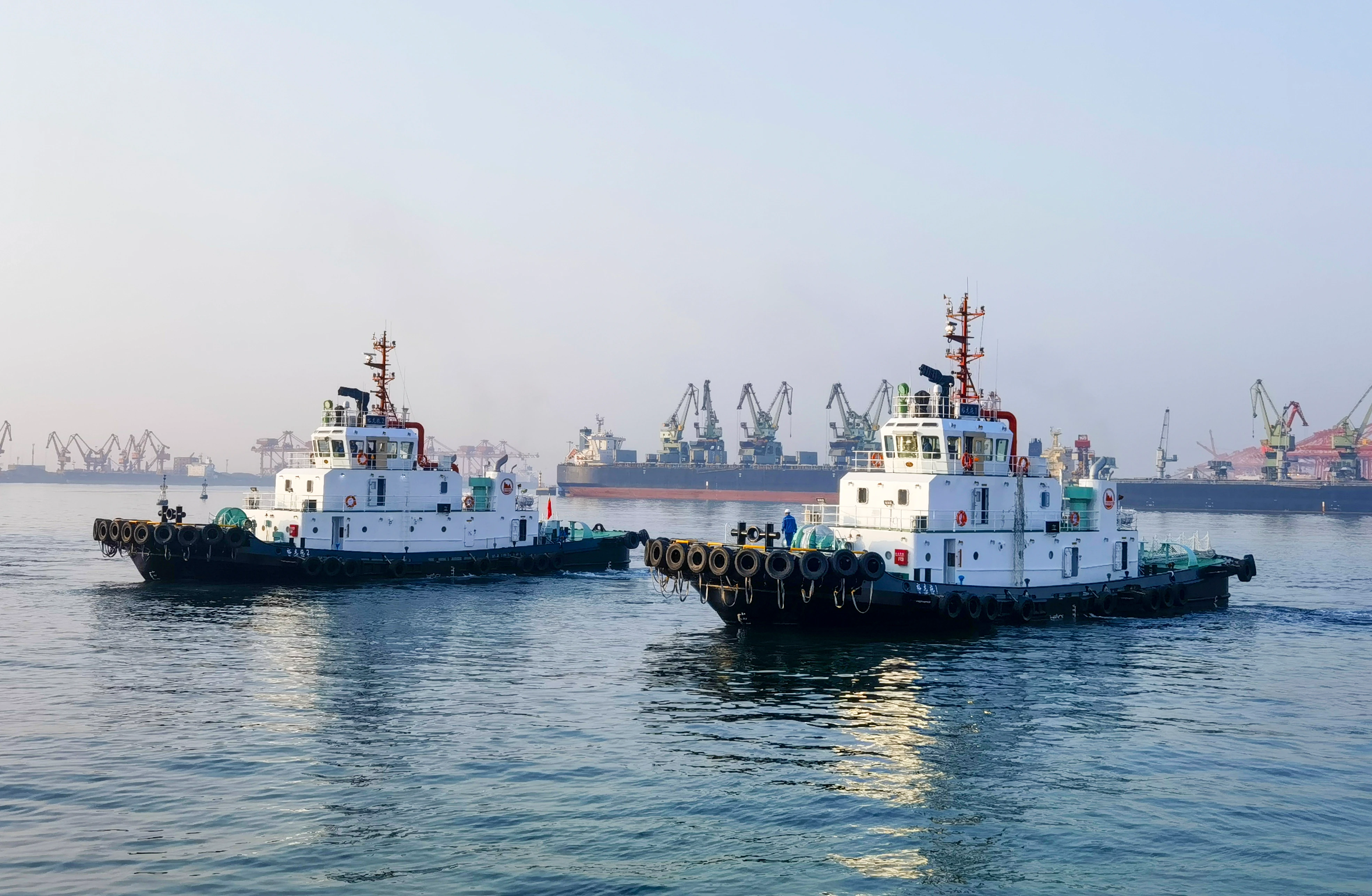
You can lower overtime by implementing portal crane dispatch rules that cut overtime effectively. CEGC provides ports with superior solutions and utilizes smart machines to enhance efficiency.
|
Solution Example |
Overtime Impact |
|---|---|
|
Automated container stacker crane at Qingdao Port |
Reduces the need for people to work more hours |
|
Faster hoist on container gantry crane |
Stops delays and helps work get done faster |
-
Use overtime alerts to help track work hours.
-
Plan for backup workers to ensure no one works too long.
-
Optimize team schedules to prevent excessive hours.
Key Takeaways
-
Use smart scheduling to pair operators with cranes well. This lowers waiting time and cuts overtime.
-
Use automated overtime tracking to check worker hours right away. This lets you change schedules fast and stops surprise overtime costs.
-
Change dispatch rules to fit your site needs. Making the system fit helps safety, efficiency, and controls overtime better.
Overtime Challenges in Portal Crane Operations
Safety Risks and Load Sway
There are many safety risks with portal crane construction. Load sway is a big issue. When loads swing, they can hit things or people. This risk gets worse in busy areas. You need to keep the space clear to stop accidents. Cranes often work in small spaces. Operators must watch for wind, ground, and buildings. Bad training makes mistakes more likely. These mistakes can cause extra overtime. If an accident happens, you lose time. You also need more workers to fix problems. CEGC’s anti-sway control lowers load movement. This system keeps your site safer and cuts overtime.
|
Pain Point |
Description |
|---|---|
|
Structural Stability |
Cranes may fail if not stable, causing delays and more overtime. |
|
Operator Training |
Workers with little training cause more accidents and lost time. |
|
Environmental Conditions |
Bad weather slows work and increases overtime. |
|
Load Sway |
Swinging loads cause delays and more overtime. |
Cycle Time and Throughput Issues
Cycle time means how long one lift or move takes. If cycle time changes, your project slows down. Not enough workers and delays happen often. Delays can last two to four weeks. This makes costs go up and overtime rise. If you do not have enough workers, you pay extra to finish. CEGC’s motion coordination system keeps cycle time steady. This system helps throughput and lowers overtime.
|
Challenge |
Description |
|---|---|
|
Operator Shortages |
Not enough workers cause delays and more overtime. |
|
Safety Concerns |
Accidents slow work and add overtime. |
|
Project Delays |
Delays of weeks increase labor and overtime costs. |
Maintenance and Downtime Impact
Unplanned maintenance is a big problem in construction. If a crane breaks, you lose time and pay overtime to catch up. Downtime adds up quickly. You need more workers to fix things and stay on schedule.
-
Unplanned maintenance causes sudden failures and delays.
-
Total downtime is all delays added together, which increases overtime.
-
More downtime means more hours and higher overtime costs.
CEGC’s predictive maintenance system finds problems early. This system lowers downtime and keeps your project moving. You save time, need fewer workers, and cut overtime.
|
Feature |
Benefit |
|---|---|
|
Anti-Sway Control |
Lowers load sway and saves time in construction. |
|
Motion Coordination |
Keeps cycle time steady and boosts throughput. |
|
Predictive Maintenance |
Cuts downtime and lowers overtime costs. |
Portal Crane Dispatch Rules That Cut Overtime
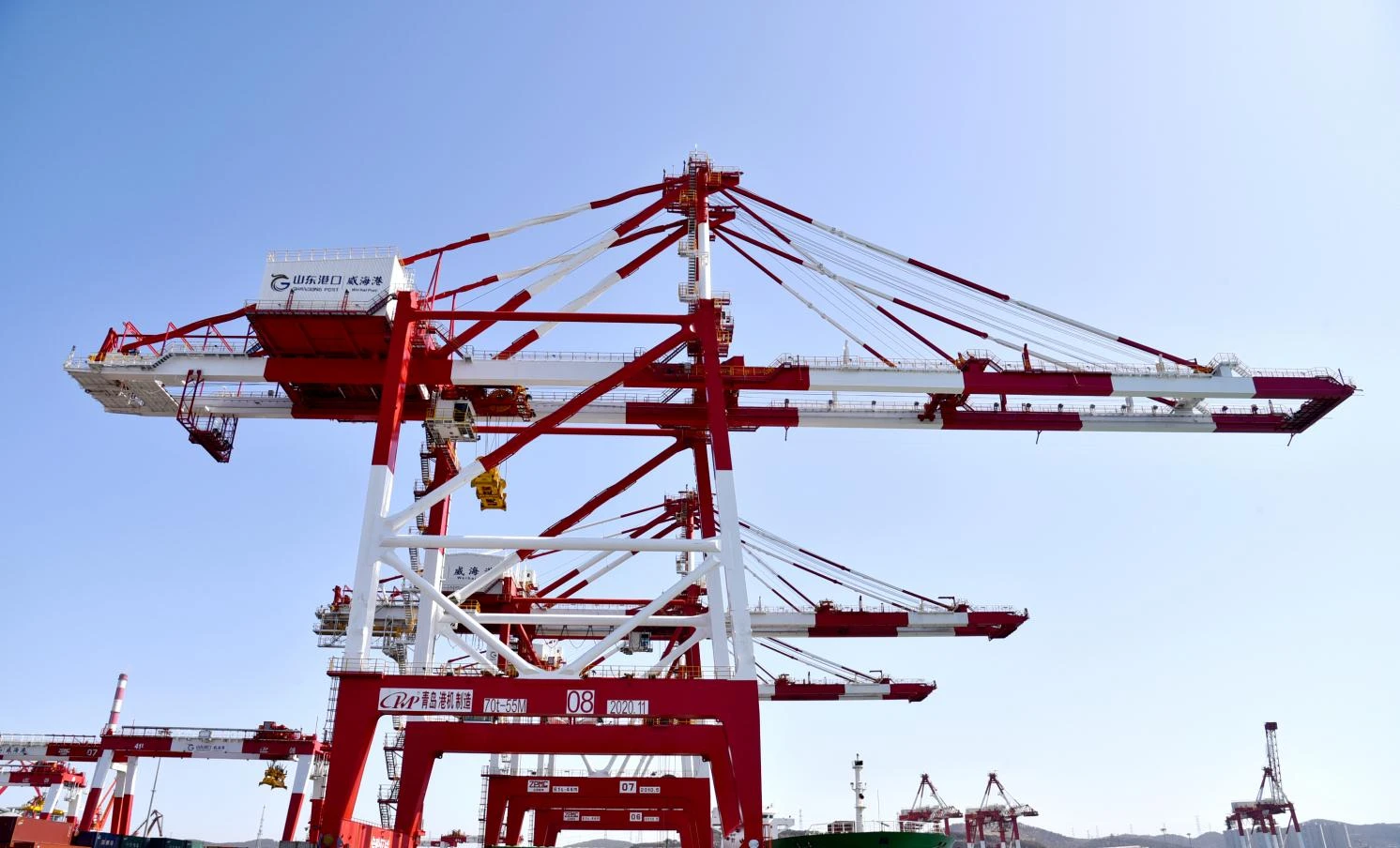
You can manage overtime by using portal crane dispatch rules. These rules help you make good choices and keep your team safe. CEGC gives you tools to help crane dispatch and fix overtime tracking issues. You can use smart scheduling, automatic overtime tracking, and site changes to get the best results.
Smart Scheduling and Real-Time Data
Smart scheduling is important for crane dispatch management. Real-time data shows where each portal crane is and what operators are doing. This helps you make quick choices and stop overtime. Digital dispatch tools help you plan shifts and jobs. These tools show which operator has the right skills and who is free. You can match the right person to the right crane every time.
-
Use real-time data to see crane locations and operator hours.
-
Plan shifts with digital tools to avoid last-minute changes.
-
Check operator certifications before each dispatch to keep your site safe.
Tip: Real-time data helps you spot problems early. You can move workers or cranes to busy spots and keep work going.
Smart scheduling stops double-booking and makes overtime tracking easy. You see who works too many hours and can change things fast. CEGC’s crane dispatch management system gives you these tools so you can make better choices every day.
Automated Overtime Tracking and Compliance
Automatic overtime tracking helps cut overtime. You do not need to check paper logs or guess who worked extra hours. The system tracks every shift and dispatch. You get alerts when someone is close to overtime. This helps you follow rules and keep costs low.
-
Set up overtime tracking alerts for each operator.
-
Use automatic reports to see overtime trends and fix problems.
-
Make sure every dispatch follows labor laws and site rules.
A good crane dispatch system checks operator hours before each dispatch. If someone is close to overtime, the system suggests another worker. This keeps your team safe and your site following rules. You can use overtime tracking data to plan better for next week.
Note: Automatic overtime tracking saves time and money. You do not miss hidden overtime costs, and your team stays happy.
CEGC’s portal crane dispatch rules include built-in overtime tracking. You get clear reports and alerts, so you always know what is happening. This makes crane dispatch management easier and more reliable.
Customization for Site Needs
Every port is different. You need portal crane dispatch rules that fit your site. CEGC lets you change crane dispatch management for your needs. You can set rules for different cranes, operators, and shifts. You can add special checks for safety or skill.
-
Change dispatch rules for your site’s size and workload.
-
Add custom overtime tracking for special projects or busy seasons.
-
Set up dispatch choices based on operator skills and crane type.
|
Customization Option |
Benefit |
|---|---|
|
Shift-based dispatch |
Matches work to busy times |
|
Operator skill checks |
Keeps only trained staff on tough jobs |
|
Real-time alerts |
Stops overtime before it starts |
You can use CEGC’s crane dispatch tools to build rules that work for you. The system helps you make choices that cut overtime and keep your site running well. You get safety, speed, and cost control.
Remember: Custom portal crane dispatch rules help you handle changes fast. You stay flexible and keep overtime tracking under control.
When you use these ideas, crane dispatch management gets simple and works well. You cut overtime, improve safety, and get more done with less stress.
Best Practices to Manage Overtime Costs
Empower Staff with Self-Service Tools
You can help your team by giving them self-service tools. These tools let workers ask for overtime and change their schedules. Workers can also check their own hours. Time tracking software shows their hours right away. This helps them not work too much. It keeps labor costs from getting too high. Self-service tools make dispatch easier and cut down on mistakes. You can set rules for pay rates. Payroll and overtime are calculated automatically. This saves time and helps lower overtime.
Monitor and Analyze Overtime Metrics
You need to watch overtime numbers to control costs. Time tracking software shows how much time each worker spends on jobs. You can see labor hours, overtime, and special cases. When you look at these numbers, you find patterns and ways to cut overtime. Scheduling software helps you manage dispatch and labor costs. You can connect payroll with HR systems. This makes sure overtime pay is correct and paid on time. Tracking important numbers is a good way to manage overtime.
Tip: Use time tracking software to get reports right away. This helps you make fast choices and keeps costs low.
Continuous Improvement with CEGC Solutions
Continuous improvement helps lower overtime costs. CEGC gives you tools to manage overtime for construction dispatch. You can change dispatch rules to fit your site. You can use time tracking software to check labor hours. When you look at overtime data, you find ways to make dispatch better and cut labor costs. You can update your dispatch system for new needs. This keeps your team safe and helps lower overtime every time you make changes.
-
Check time tracking software reports often.
-
Change dispatch rules for busy times.
-
Use CEGC solutions to manage overtime and labor costs.
You can save both time and money by using smart dispatch rules for portal crane construction. CEGC makes dispatch easy and quick, so you cut overtime. Real-time data helps you spot problems early and fix them fast. The table below shows how dispatch rules help your site:
|
Benefit |
Impact on Overtime |
|---|---|
|
Real-time visibility |
Less downtime |
|
Streamlined dispatch process |
More work gets done |
|
Fewer delays |
Less overtime needed |
|
Higher utilization |
Work is more efficient |
|
Stronger margins |
Stops losing money |
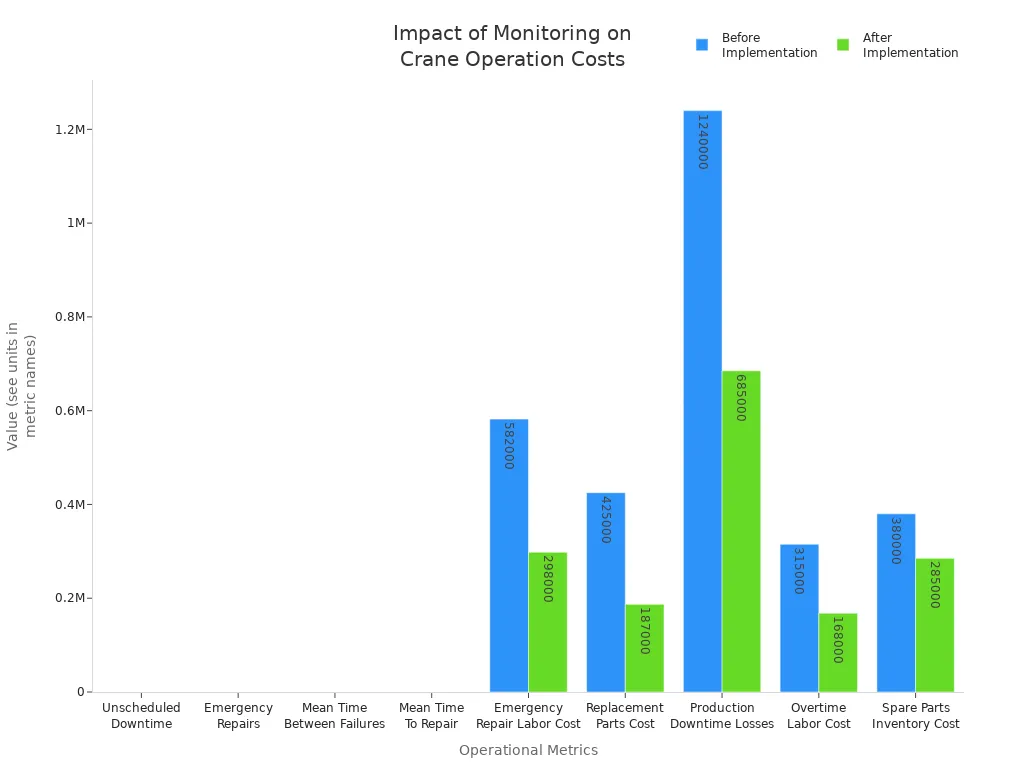
You get better results when you check dispatch and hours every day. CEGC gives you tools that make dispatch simple for construction. You lower overtime and keep your team safe. You also see big improvements as time goes on. The chart shows how watching dispatch and making changes saves money and time in construction:
Pick CEGC for your construction dispatch needs. You get custom help for your project. You keep making your dispatch system better and save time every day.
FAQ
How do portal crane dispatch rules help cut overtime?
You use dispatch rules to match the right operator to each crane. This reduces idle time and keeps overtime low.
What is overtime tracking in crane operations?
Overtime tracking lets you see worker hours in real time. You spot extra hours fast and adjust schedules before costs rise.
Can you customize CEGC’s dispatch system for your port?
Yes. You set rules for your site, shift times, and operator skills. CEGC helps you build a system that fits your needs.


