
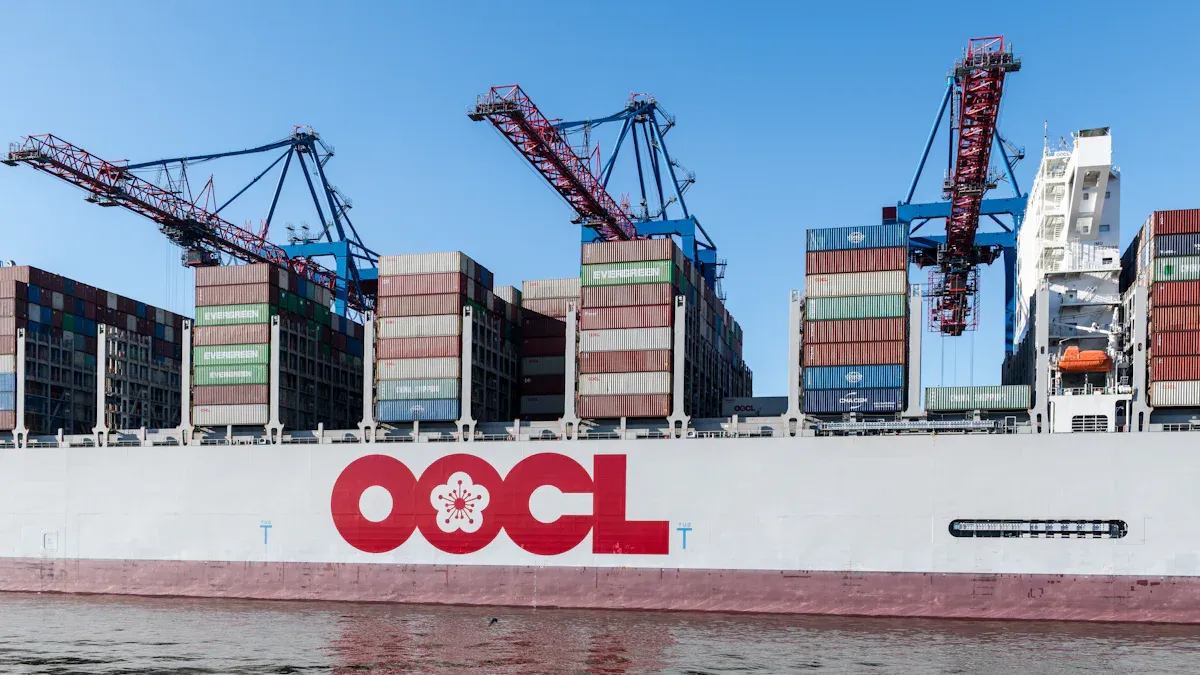
You can see what happens when ship loader dispatch keeps trim on schedule. Good scheduling means there are fewer delays and things are safer. The table below shows how planning well helps the port work better. CEGC uses smart solutions to help you estimate how long a vessel will stay and manage resources for each container vessel.
|
Benefit |
Description |
|---|---|
|
Reduced Port Congestion |
Ships come and go on time, so there is less traffic at the port. |
|
Cost Efficiency |
Stops extra fees and waiting, which saves money. |
|
Enhanced Resource Utilization |
Ensures berths, cranes, and workers are utilized effectively. |
|
Improved Safety |
Prevents messy problems that could lead to accidents. |
Key Takeaways
-
Good ship scheduling helps stop delays and makes ports work better. Use real-time tracking to watch ships and make things run smoother.
-
Use predictive maintenance to stop machines from breaking. This way saves money and helps machines last longer.
-
Advanced dispatch systems make talking and working together easier. They help shorten wait times and lower costs from waiting and traffic.
Ship loader dispatch keeps trim on schedule
Accurate ship scheduling for port machinery
Accurate ship scheduling helps your port machinery work well. Pilot dispatch lets you plan each loading step. This stops delays and keeps ship loader dispatch on schedule. Centralized and dynamic scheduling systems help you in many ways:
-
You can see every ship loader and container crane in real time.
-
Scheduling is automated, so carriers wait less.
-
Logistics managers and carriers talk better and avoid conflicts.
-
Resources are used well, so operations run smoother and delays are fewer.
CEGC’s portal crane, container crane, and ship loader give you technical solutions. Anti-sway control and safety interlocks keep pilot dispatch safe and efficient. Predictive maintenance helps you find problems before downtime happens. This keeps loading and unloading on schedule and boosts performance.
Accurate ship scheduling cuts lead time and total lead time for vessels. Real-time tracking lets you follow each step. Logistics and transportation run without bottlenecks. This accuracy stops extra costs and keeps operations moving.
Lead time and loader efficiency
Lead time is the time from scheduling a ship to finishing loading or unloading. You want to make lead time and total lead time as short as possible. Many things affect lead time, like scheduling accuracy, pilot dispatch, and logistics coordination.
Pilot dispatch helps you plan loading and unloading exactly. This improves loader efficiency and keeps ship loader dispatch on schedule. CEGC’s ship loader and container handling equipment speed up loading and cut idle time. These machines use motion coordination and load-dependent speed profiles. You match speed to weight and wind, which boosts performance.
Performance monitoring is important. Daily inspections and predictive maintenance help you find problems early. Advanced monitoring systems spot faults in real time. Contractors using these systems see 30-50% less unplanned downtime. They also see 55-70% lower maintenance costs. This keeps equipment running longer and improves efficiency.
Real-time tracking lets you follow cargo and equipment. Logistics and transportation stay on schedule. You can see where your container vessel is anytime and make changes if needed. Tracking helps you cut lead time and total lead time for shipments.
Reducing delays with advanced dispatch systems
Advanced dispatch systems keep ship loader dispatch on schedule. Pilot dispatch lets you plan every step and avoid delays. These systems use real-time data and automation to make workflows ready for anything.
|
Evidence Point |
Description |
|---|---|
|
End-to-end visibility |
|
|
GPS-enabled live dashboards |
Dispatchers watch resources and job progress right away. |
|
Automated notifications |
Technicians and customers get updates, so support calls go down. |
Advanced dispatch systems also cut dwell times and detention fees. Here is how they help:
|
Mechanism |
Description |
|---|---|
|
Optimized Scheduling |
Book appointments to stop congestion and busy hours. |
|
Real-Time Communication |
Share delay info fast and change schedules quickly. |
|
Accurate Wait Time Tracking |
Use geofencing and timestamps for clear detention records. |
|
Predictive Analytics |
Look at past data to guess wait times and plan better. |
|
Centralized Dock Calendars |
See open slots across facilities to book easier. |
|
Automated Notifications |
Drivers and dispatchers get updates about appointments and delays. |
Pilot dispatch and real-time tracking help you coordinate logistics and transportation better. You can cut lead time, delivery lead time, and total lead time for shipments. You also boost performance and efficiency by keeping loading and unloading on schedule.
CEGC’s solutions help with every step. You get accurate ship scheduling, pilot dispatch, and real-time tracking. You can optimize loading, cut lead time, and improve efficiency. This keeps ship loader dispatch on schedule and gives your port better results.
Overcoming challenges in ship loader scheduling
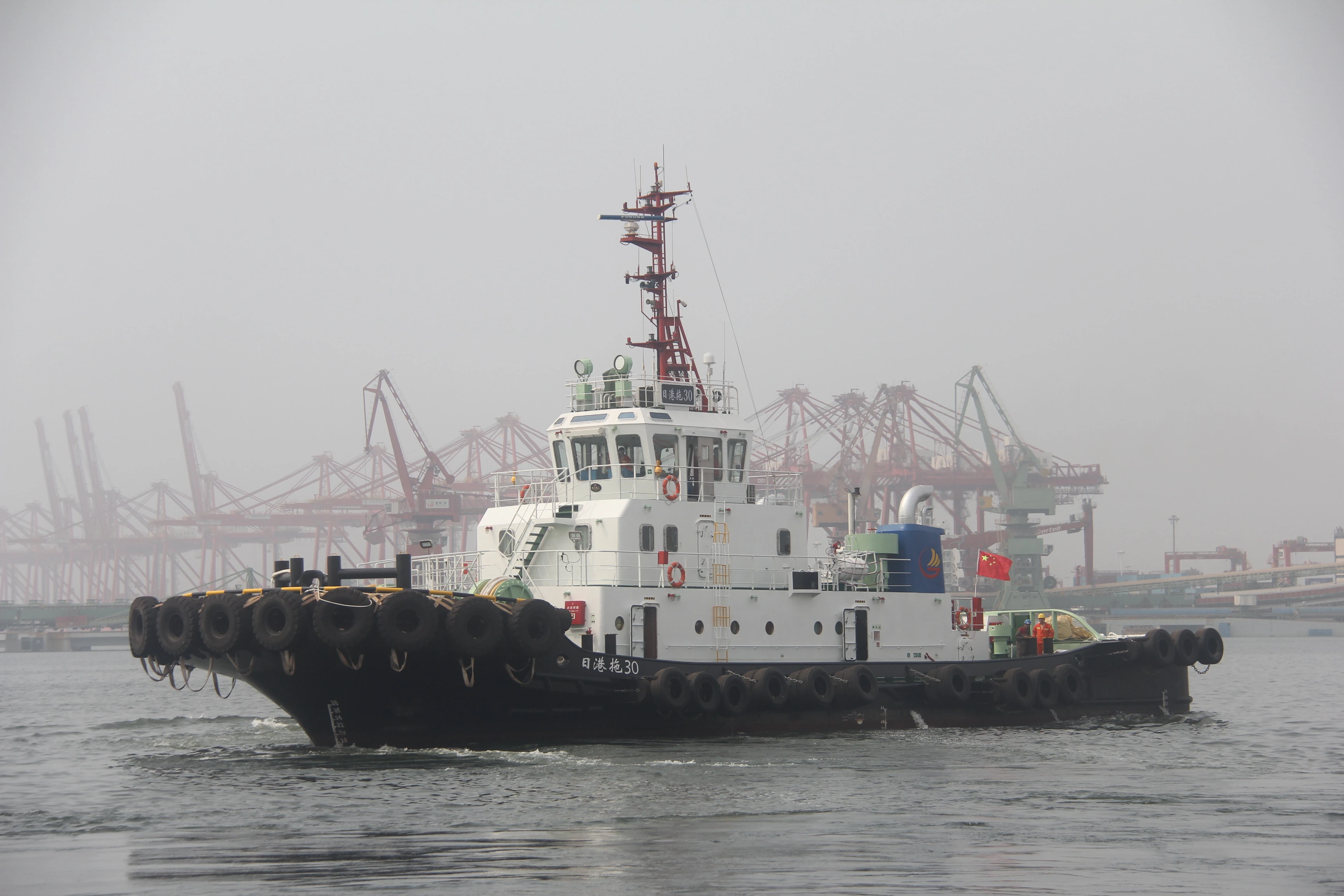
Addressing safety and collision risks
Operating ship loaders and cranes can be risky. Load sway and collisions may cause accidents or damage. Anti-sway systems keep loads steady and stop swinging. Safety interlocks shut down machines if something goes wrong. These features protect people and equipment. Automation and digital tools help prevent chute-to-hatch collisions and other incidents. CEGC’s portal crane, container gantry crane, and ship loader use these systems to keep operations safe.
Tip: Collision avoidance systems and real-time alerts help you find problems early and act quickly.
Optimizing throughput and cycle time
You want to move cargo fast and avoid bottlenecks. Many ports have trouble with berth allocation, crane scheduling, and combined scheduling. The table below shows common challenges:
|
Challenge Type |
Description |
|---|---|
|
Berth Allocation Problem |
Assigns ships to certain parts of the berth for loading or unloading. |
|
Quay Crane Scheduling Problem |
Assigns cranes to ships and controls container movements with movement limits. |
|
Combined Scheduling Problem |
Combines berth and crane scheduling, which gets harder as more factors are added. |
Motion coordination and workflow integration help solve these problems. CEGC’s container handling equipment, reach stacker, and ship loader help match speed to load and wind. Real-time monitoring and automated schedules keep the dock running smoothly. You can cut idle time and make things more efficient.
Predictive maintenance and energy efficiency
You need to protect your equipment from marine corrosion and unplanned downtime. Salt, humidity, and dust can harm machines and raise costs. Advanced coatings and surface treatments, like hard chrome and nickel-based layers, protect ship loaders and cargo cranes. Predictive maintenance helps plan repairs before failures happen. This cuts unnecessary checks and keeps machines working longer. Well-maintained equipment uses less energy and lowers pollution. You save money and help the environment.
Note: Real-time monitoring and predictive maintenance make your equipment last longer and keep your port running well.
You can keep your port working well with good ship loader dispatch and smart scheduling.
-
CEGC’s technical solutions help make things safer and more efficient.
-
Predictive maintenance helps stop long breaks and saves money.
-
Real-time tracking and automation help you make better choices.
FAQ
How does accurate ship loader dispatch help you save costs?
You avoid extra waiting fees and reduce idle time. You use your resources better and keep your port running smoothly.
What safety features do CEGC ship loaders offer?
You get anti-sway control, safety interlocks, and real-time alerts. These features help you prevent accidents and protect your team.
Can you track your container vessel in real time?
Yes, you can. CEGC systems let you follow your vessel and cargo at every step. You always know where your shipment is.


