
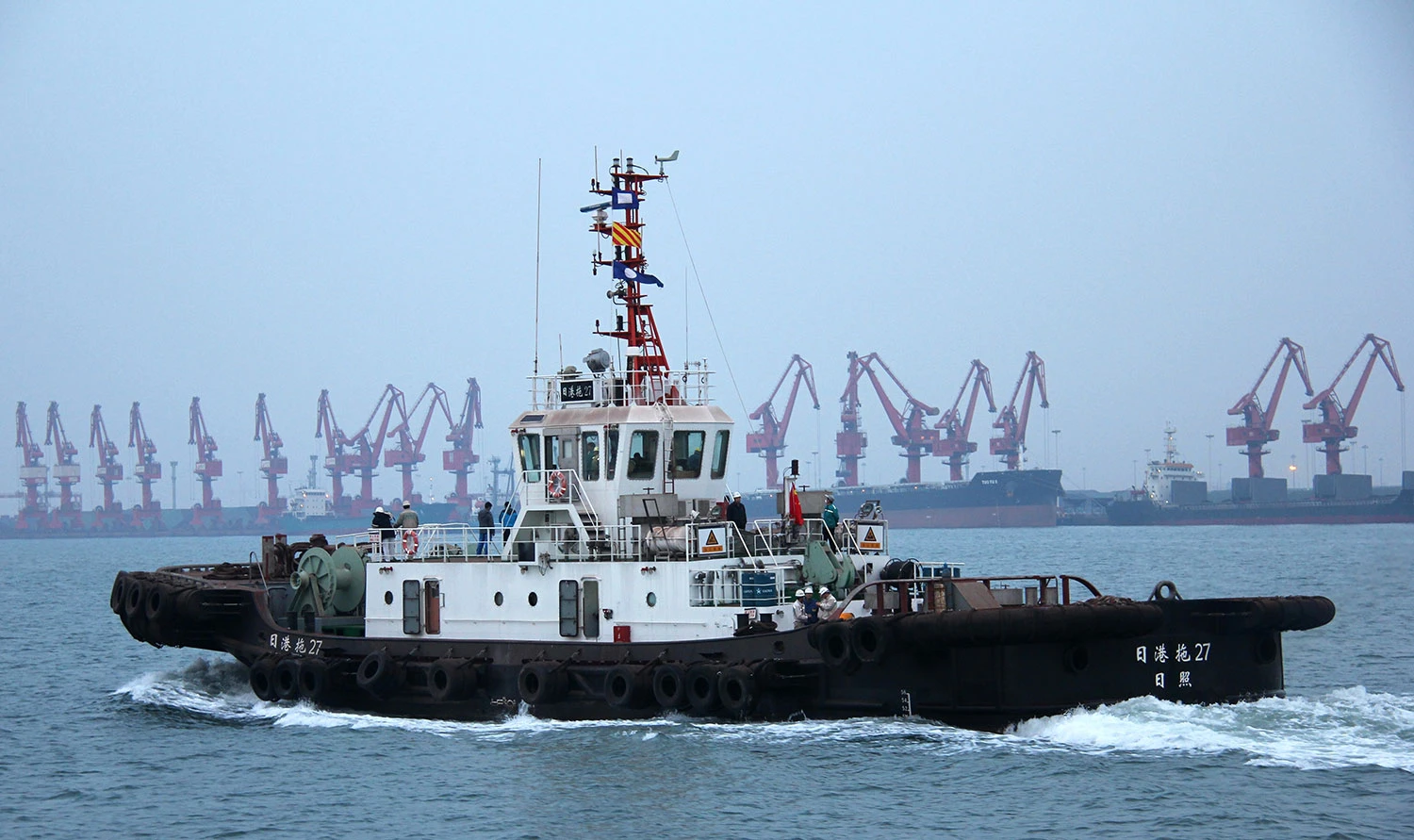
You can achieve a cargo crane: fast hoist without shock loading by utilizing advanced load control, anti-sway systems, and automation solutions from CEGC. These technologies help eliminate load sway, ensure precise movements, and enhance operator safety.
-
Managing hoisting speed with heavy loads is challenging.
-
Safety and efficiency may be compromised without proper control.
Key Takeaways
-
Use advanced load control and anti-sway systems to stop shock loading. This keeps your crane and cargo safe when you lift fast.
-
Always check the load's weight and center of gravity before you lift. This helps you set the right control limits and stops accidents.
-
Regular maintenance and operator training are very important. They make sure your equipment works well and your team knows how to use it safely.
Faster hoist and load control essentials
Understanding shock loading risks
Shock loading happens when a cargo crane lifts or stops a load too fast. This quick force can break crane parts or hurt the cargo. Lifting faster makes shock loading more likely. Wind, mistakes by the operator, or bumpy ground can also cause shock loading. You need to keep control of the load to protect your crane and cargo. Always follow the wind speed rules from the manufacturer. Most cranes should not work if the wind is over 20 mph.
Anti-sway and safe lifting systems
Anti-sway systems help keep loads steady when you lift faster. These systems use special dampers and trolley suspensions to stop swinging. Sensors and smart programs change crane movement right away. This keeps the load steady and helps you control it. Anti-sway systems are used on portal cranes, container cranes, and ship cranes. They make lifting safer, more accurate, and faster. Automation and anti-sway systems help stop mistakes by people. Watching the crane in real time lets you find problems early and keep work moving fast.
Motion coordination for high-speed hoisting
To lift faster, you need all crane parts to move together. This is called motion coordination. You can use special software, wireless controls, and PLCs to help. These tools let you run more than one crane and keep loads balanced. The table below shows how these tools help you control loads and lift faster:
|
Technology |
Description |
|---|---|
|
Synchronization Software |
Runs many cranes at once and checks position, speed, and load right away. |
|
Wireless Control Systems |
Lets you control cranes from one place without lots of wires, using RF signals. |
|
PLCs (Programmable Logic Controllers) |
Changes crane moves using sensor data to keep loads balanced and moving together. |
Better automation and load control systems help you lift faster and stay safe. They help you move more cargo, save time, and make your work safer.
Achieving cargo crane: fast hoist without shock loading
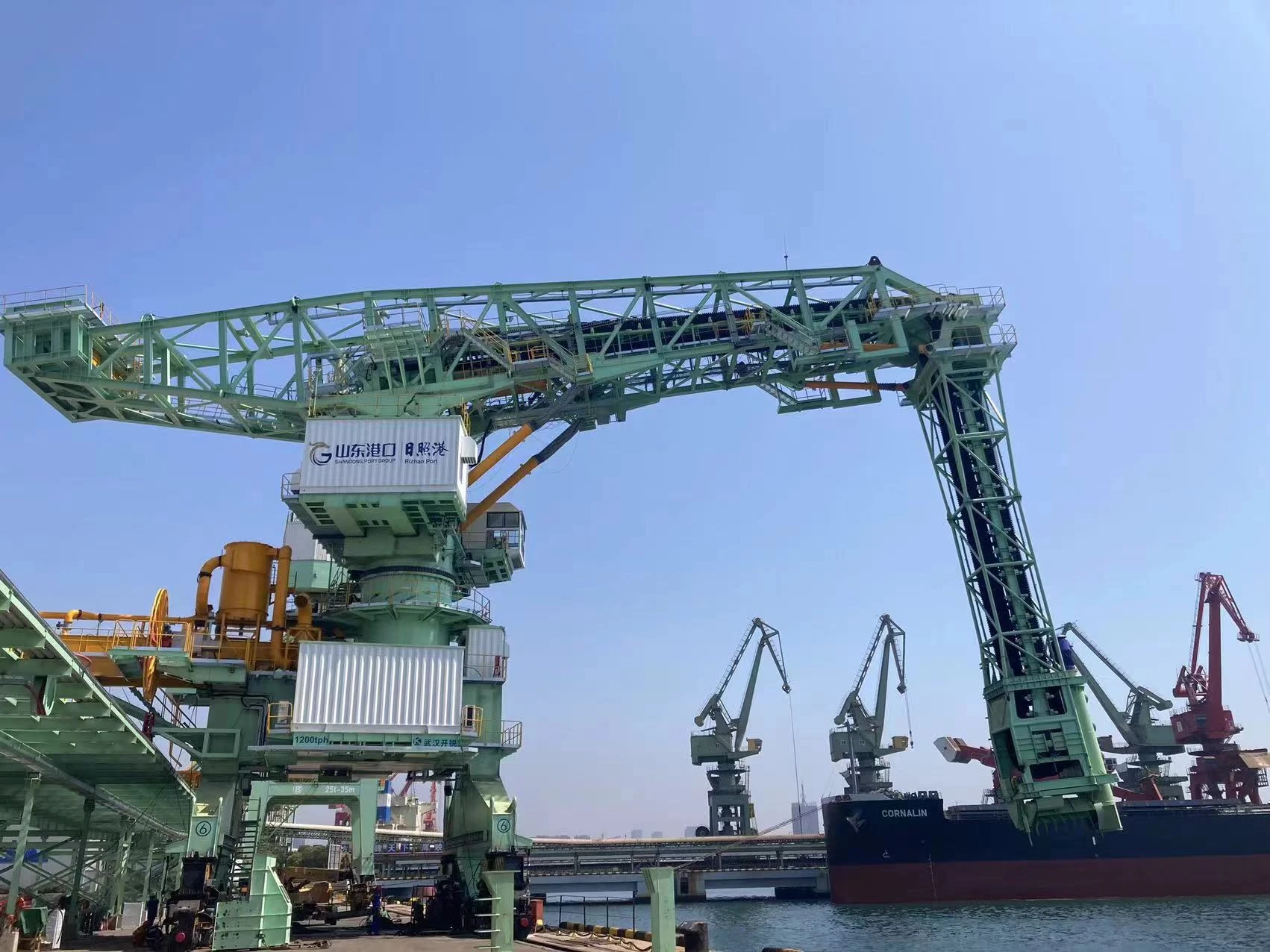
Smart hoisting technology and automation
You can use smart hoisting technology and automation to lift loads safely and quickly. These systems help you keep your equipment working well. Before you lift, you need to find the center of gravity and know the load’s weight. Smart motion control starts and stops the crane slowly. This stops sudden jerks and keeps the load steady. It also lowers stress on the crane.
Here is a table that lists smart hoisting technologies and their benefits:
|
Technology |
Description |
Benefits |
|---|---|---|
|
Shock load prevention |
Lifts the load smoothly into the air. |
Makes parts last longer by lowering stress. |
|
Slack rope prevention |
Stops rope damage when the load is on the ground. |
Places loads smoothly and needs less repair. |
|
Catch dropping load |
Controls the load if the brake fails. |
Makes crane use safer. |
Automated cranes use anti-sway programs and overload protection to keep loads steady. Sensors and software watch for movement and change how the crane works. Variable Frequency Drives (VFDs) help control speed and stop swinging. These features let you finish jobs faster and with less risk. They also protect the crane, the load, and the building. Soft-load hoists start, move, and stop loads gently. This stops sudden impacts. You can trust these safety features to keep your work running well.
CEGC gives you choices for every port. You can pick the lifting power, handling style, and automation you need. Multi-functional rotary spreaders let you switch cargo types fast. CEGC also makes strong steel structures for tough marine weather.
Predictive maintenance and marine durability
You need to keep your cargo crane: fast hoist without shock loading system in good shape. Predictive maintenance helps you find problems before they stop your work. You should check hydraulic pressure, oil temperature, and other important parts. AI systems can spot early trouble and tell you what to fix. This helps your equipment last longer and saves money.
Before you lift a load, the rigging gear is loose. If you hoist up, the rigging moves first, not the load. When the rigging is tight and the load is ready, you must lift very slowly. This stops the load from jerking up. Lifting too fast can shock the crane and cause high stress.
Regular checks and good oiling stop rust. You should also teach operators to avoid overloading and look for wear. Upgrading your cranes with new technology makes them safer and better. AI maintenance systems help your machines last longer and follow safety rules. CEGC’s anti-corrosion systems and strong designs protect your crane in hard port conditions.
Operator best practices for high-speed hoisting
You are important for safe cargo crane: fast hoist without shock loading. You must follow best practices to keep everyone safe. Start by planning each lift. Always find the center of gravity and check the load’s weight. Use the right safety features and follow all rules.
Here are some best practices for operators:
-
Finish a full training program and keep your certificate current.
-
Talk clearly with your team and pick a signal person.
-
Check your crane every day and write down what you find.
-
Make safe work zones and put up clear signs.
Operator training teaches you about the equipment, load balance, spotting dangers, and what to do in emergencies. Certification shows you can check loads, look at the ground, and use the crane safely. Training helps you learn new controls and safety rules. A good team builds safety and stops accidents.
Human-machine interface (HMI) makes your job easier. You get live feedback and clear signals. Central control puts all functions on one screen. This helps you see problems and act fast. Safety features like alarms and warnings keep you alert and help you follow rules.
Workflow integration helps you too. Crane-to-ship talk, scheduling, and tracking make work faster and safer. Remote operation lets you run cranes from far away. Live data and AI maintenance keep your equipment working well. Running many cranes together moves more cargo and cuts delays.
By doing these things, you can achieve cargo crane: fast hoist without shock loading. You keep your team safe, protect your equipment, and move cargo well.
You can lift cargo fast and safely by using smart tools and good methods.
|
Method |
Description |
Advantages |
|---|---|---|
|
Indirect Detection Approach |
Uses motor signals to find hoisting events. |
Accurate, needs little care, always checks. |
|
Hall Sensors |
Gets signals without needing lots of calibration. |
Stable, saves money, works in hard places. |
|
XGBoost Model Integration |
Uses machine learning to spot events. |
Quick response, works better than old ways. |
-
Anti-sway systems help you move containers quickly and with care.
-
New controls help you spend less on repairs and work faster.
-
Overload protection keeps people and cargo safe.
Now, cranes use more IoT and AI. These upgrades make your job safer and easier. CEGC gives you choices for every port. You can count on CEGC to help you move cargo fast and safely.
FAQ
How do you prevent shock loading during fast hoisting?
You must use advanced control systems. These systems monitor the load and adjust speed. You keep the load steady and avoid sudden force. Always check the load weight.
What is the best way to control load sway on a cargo crane?
You use anti-sway control. This system senses load movement. It adjusts the crane’s motion. You keep the load stable. You reduce risk and improve safety.
Why is knowing the load weight important for safe crane operation?
You must know the load weight before lifting. This helps you set the right control limits. You avoid overload. You protect the crane and keep the load safe.


