
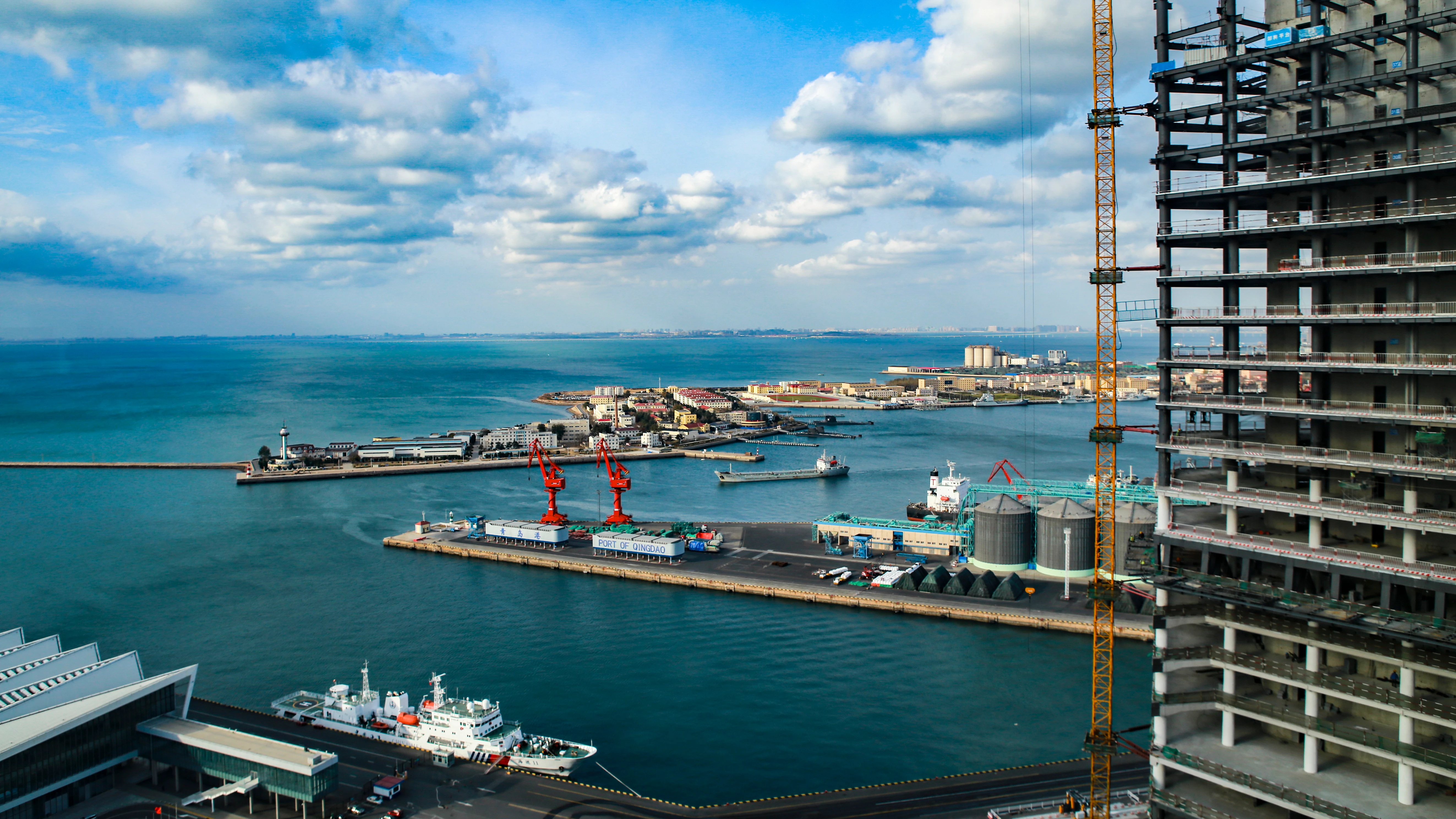
Cargo crane limit protection from CEGC is designed to reduce gearbox shock by preventing excessive force or overload during operations. This advanced system enhances the reliability and maintainability of cargo cranes, ensuring smoother performance and easier upkeep. By integrating cargo crane limit protection that reduces gearbox shock, CEGC delivers industry-compliant solutions with customizable options for lifting equipment.
|
Standard/Regulation |
Description |
|---|---|
|
Guidelines for cargo crane safety, operator training, and inspections. |
|
|
Industry-Specific Standards |
Standards tailored for specific industries to address unique risks. |
|
Regulatory Updates |
Staying informed about new regulatory changes is essential. |
Key Takeaways
-
Cargo crane limit protection helps stop gearbox shock. This makes the crane work better and more reliably. - Using safety devices like overload limiters and anti-sway controls stops damage. These devices also help move loads more safely. - Doing regular maintenance and system checks keeps the crane working well. This also helps your crane equipment last longer.
Gearbox shock in cargo cranes
What is gearbox shock?
Cargo cranes can feel sudden forces when lifting or lowering. This is called mechanical shock. Mechanical shock happens when the crane gearbox faces quick changes in load or speed. It is like a jolt that moves through the gears and other parts. Mechanical shock can happen if you start or stop the crane too fast. It can also happen if the load swings without warning. These jolts put extra stress on the gearbox and moving parts.
Causes and risks of shock
Mechanical shock often comes from quick starts, stops, or direction changes. Wind gusts, uneven loads, or mistakes by the operator can cause mechanical shock too. Cargo cranes in busy ports or offshore platforms may have shocks more often. Repeated mechanical shocks raise the risk of gearbox damage. The table below lists some common risks:
|
Risk Type |
Description |
|---|---|
|
Wear |
Reducer gears can wear out from repeated shock loads. |
|
Pitting |
Shock loads can make pitting worse on gear surfaces. |
|
Scoring |
Scoring can happen under torque and get worse with shocks. |
|
Tooth Breakage |
Shock loads and overloading can break gear teeth. |
Impact on crane performance and maintenance
Mechanical shock changes how well your cargo crane works. Too much shock can make the gearbox wear out faster. You may see more breakdowns and need more repairs. This means longer downtime and higher maintenance costs. If you lower mechanical shock, your crane lasts longer and works better. You also make your port or terminal safer and more reliable.
Cargo crane limit protection reduces gearbox shock
Limit protection systems and shock prevention
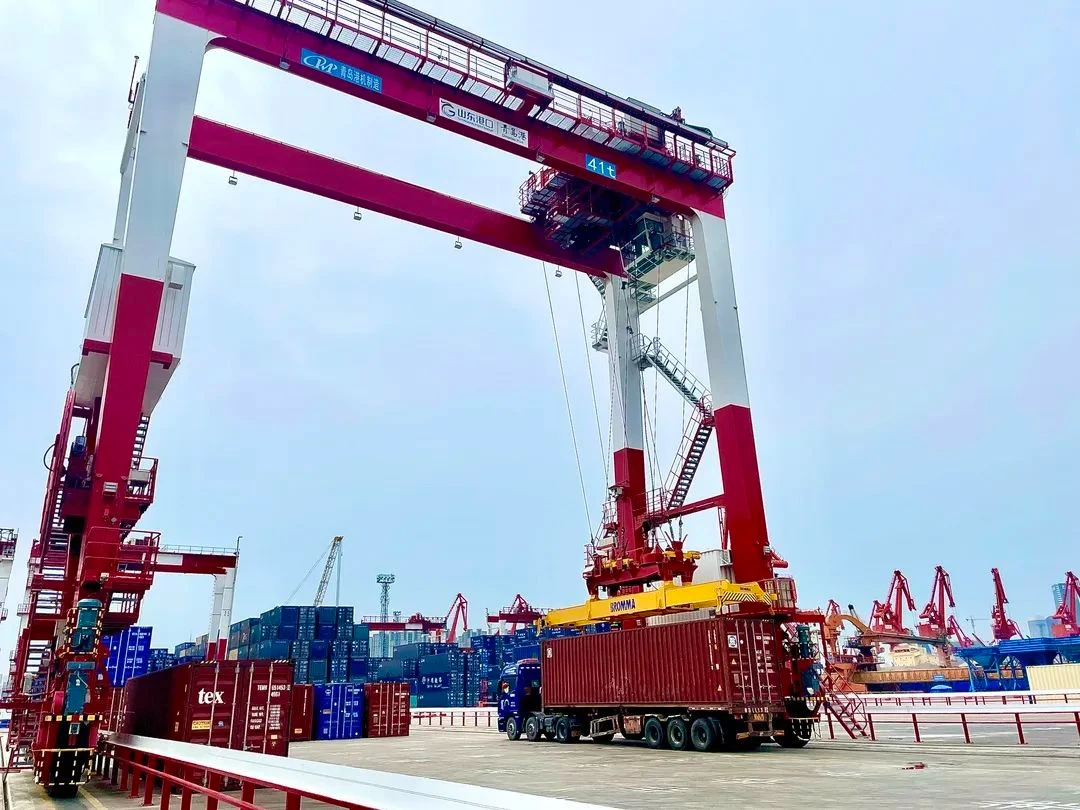
Cargo crane limit protection helps stop gearbox shock. It keeps your equipment safe. Limit protection systems use safety devices to control crane movement. These devices set how far and fast the crane can go. They help you avoid sudden shaking and too much force. Travel-limiting devices set safe boundaries for crane movement. This stops crashes and keeps the gearbox safe from surprise shaking.
Cargo crane limit protection uses load-limiting and travel-limiting devices. These devices stop the crane before it gets to dangerous spots. You can prevent overhead hooking and bottom hooking. This protects the gearbox from stress. Safety devices also make the crane more accurate. You get smoother lifting and less shaking when moving heavy loads.
|
Function |
Description |
|---|---|
|
Safety and Collision Prevention |
Sets safe limits to help avoid crashes and lower gearbox shock. |
|
Preventing Overhead Hooking |
Stops the hoist before it goes too high to protect the gearbox. |
|
Preventing Bottom Hooking |
Keeps the hook from hitting the ground and stops gearbox shock. |
|
Limiting Bridge and Trolley Motion |
Sets areas for the crane to work in and stops derailment, protecting the gearbox. |
|
Improved Precision and Performance |
Makes crane work smoother and lowers sudden moves that can hurt the gearbox. |
Limit protection systems help you avoid shaking and keep your crane safe. These systems work with CEGC portal cranes and container cranes. You get strong protection for heavy lifting jobs.
Types of limiters and technical solutions
You use different limiters and technical tools to help cargo crane limit protection reduce gearbox shock. Overload protection devices, torque limiters, and hoisting speed controls all help. Overload protection devices warn you when the load is almost too heavy. They turn off power if you go over the limit. Torque limiters turn off power when the load torque is too high. They also warn you to stop unsafe actions.
|
Device Type |
Function |
|---|---|
|
Overload Limiter |
Warns you when the load is almost too heavy and turns off power if you go over. |
|
Torque Limiter |
Turns off power when torque is too high and warns you to stop. |
Torque limiters keep your crane safe from too much torque and overloads. If there is an overload, the torque limiter disconnects the drive shaft. This lets energy escape safely and stops shaking from hurting the gearbox. You get steady power for heavy lifting.
You also use safety devices like anti-sway controls, limit switches, emergency stops, and collision sensors. Anti-sway control lowers shaking and keeps the load steady. Limit switches set the crane’s range and stop unsafe moves. Emergency stops turn off power fast in emergencies. Collision sensors watch distances and warn you to stop accidents.
|
Safety Feature |
Function |
|---|---|
|
Anti-sway mechanisms |
Stops cargo from swinging and keeps it steady. |
|
Overload protection |
Turns off power if the load is too heavy and stops damage. |
|
Limit switches |
Sets the crane’s range and stops unsafe moves. |
|
Emergency stop systems |
|
|
Collision sensors |
Watches for crashes and warns you to stop the crane. |
You can change your protection system with sensor sets, anti-collision zones, and extra safety. Sensors and feedback tools like encoders, limit switches, load cells, and anti-collision sensors give you real-time data. You can use emergency stops, overload protection, anti-sway control, and fail-safe brakes for more safety. Anti-collision systems watch up to five objects and adjust for different heights. You get full protection for heavy lifting.
-
Anti-collision systems stop crane booms from hitting fixed objects or other cranes.
-
These systems can watch up to five objects and check for different heights, giving strong protection against crashes.
You also get advanced anti-collision technology. Wireless tools like 5G and LPWAN make crane protection smarter. AI and machine learning help predict crashes and let cranes work by themselves. New sensors like radar, infrared, ultrasonic, and laser make detection more accurate.
Real-world benefits for port machinery
Cargo crane limit protection lowers gearbox shock and gives real benefits. You get less shaking and steadier load handling. Your crane breaks down less and needs fewer repairs. You save money and keep your port machines working longer.
You fix problems like load sway, crash risk, wind load, and operator skill differences. Anti-sway control keeps the load steady and lowers shaking. Multi-layer safety uses overload protection, limit switches, emergency stops, and crash prevention to lower mistakes. Operator-centered HMI shows clear alarms, status, and guides. You learn faster and work better.
You can change your protection system for sensor sets, anti-collision zones, and extra safety. You get protection that fits your project. CEGC cranes offer standard specs and custom options. You can pick capacity, span, duty cycle, power, automation, and anti-corrosion grade.
Wind and weather also affect your need for advanced protection. Engineers check wind load by crane height, surface area, and max wind speed. Cranes in windy places need stronger parts. Emergency shutdown stops work in bad weather. Advanced load sensors check weight and stability. Weather sensors keep your crane safe in storms.
You get strong protection for heavy lifting in coastal and offshore places. Cargo crane limit protection lowers gearbox shock and keeps your equipment safe from shaking and overload. You make your load handling safer, more efficient, and more reliable.
Limit protection helps keep your cargo crane gearbox safe. It also makes your equipment last longer. You should check your system often to make sure it works well. Preventive maintenance helps stop problems before they start.
-
Put oil on moving parts
-
Make bolts tight
-
Change old wire ropes
-
Set load limiters correctly
-
Use good quality parts
-
Change systems to fit your port’s needs
FAQ
How does cargo crane limit protection help your gearbox?
Cargo crane limit protection stops too much force. This keeps your gearbox safe from sudden shocks. It helps your crane motor gearbox last longer. You get less wear and your equipment works better.
Tip: Check your limit protection often. This helps stop gearbox problems. Your crane motor gearbox will run well.
What happens if you ignore safety features on your crane motor gearbox?
You might break your gearbox. You could need fast repairs. This wastes time and money. Emergency brake systems help keep your crane motor gearbox safe and protect people.
-
Emergency brake stops the crane quickly.
-
You stop accidents and keep your gearbox safe.
Why should you use emergency brake and safety systems for your crane motor gearbox?
You use the emergency brake to stop the crane fast. This keeps your gearbox safe. It also protects workers. You lower the chance of emergencies. You make your crane motor gearbox safer and more reliable.
|
System |
Benefit |
|---|---|
|
Emergency brake |
Stops crane fast |
|
Safety system |
Protects gearbox |


