
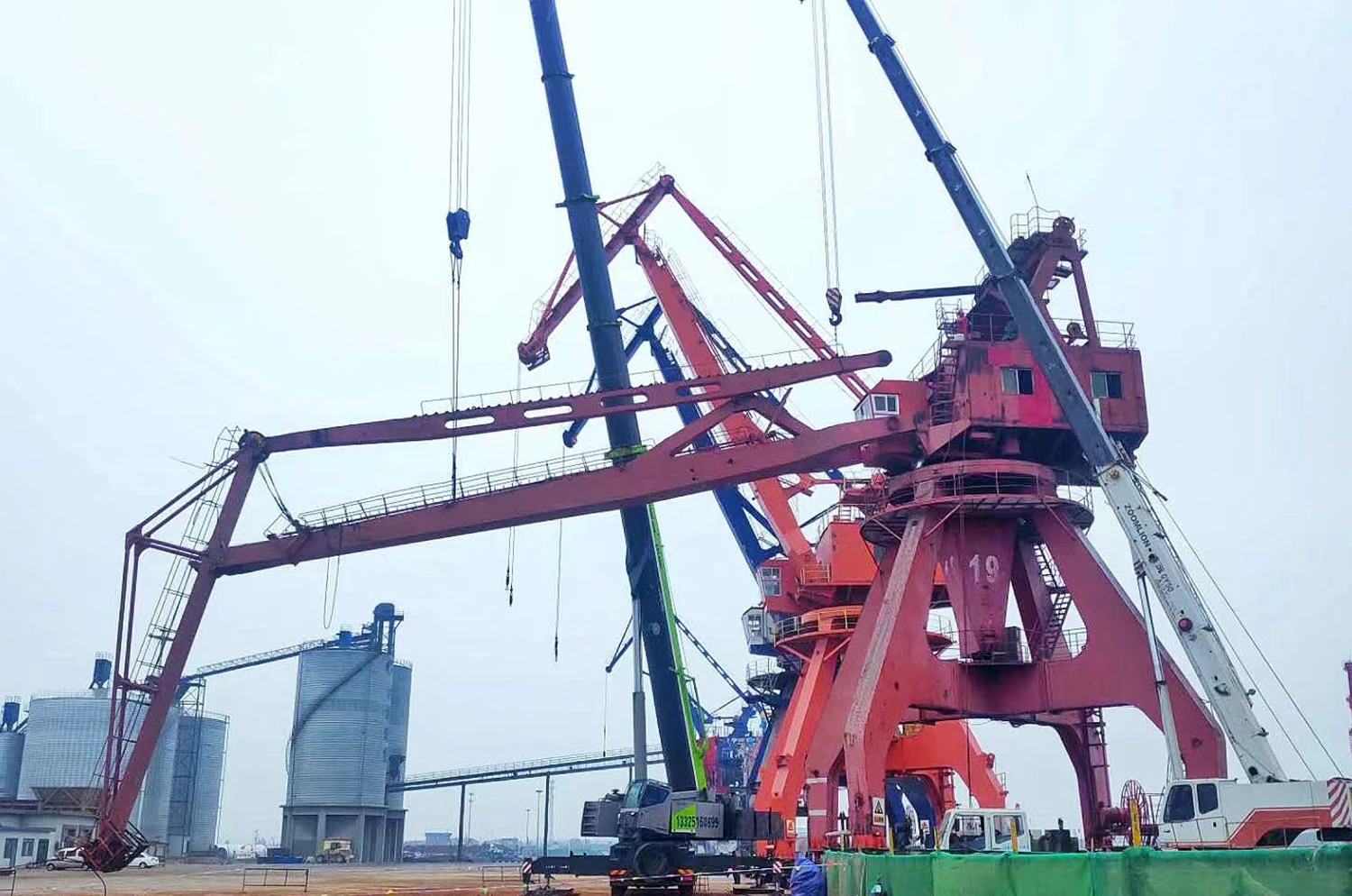
You use ship crane limit protection for safe deck operations to ensure that deck work remains secure. This crucial feature helps lower the risk of accidents, making the work environment safer for everyone involved. CEGC provides you with advanced smart systems designed to prevent load sway and collisions, significantly enhancing safety. These systems also play a vital role in minimizing operator errors. Additionally, simulation training offered by CEGC equips operators with the skills needed to handle emergencies effectively, boosting their confidence in critical situations.
|
Training Method |
Safety Impact |
|---|---|
|
Traditional Training |
High chance of accidents because new operators have little practice and do not encounter important situations often. |
|
Simulation Training |
Provides a safe environment for practice, allowing operators to rehearse emergency procedures and improve their skills without real danger. |
|
Advanced Simulation Technology |
Enables operators to repeatedly practice essential safety steps, increasing their confidence and reducing the likelihood of accidents. |
Key Takeaways
-
Use ship crane limit protection systems to make deck work safer and lower accident risks.
-
Use simulation training to help operators learn emergency skills. This helps them feel more ready and confident.
-
Check and fix crane systems often to make sure safety features work right and stop accidents.
Ship crane limit protection systems and safety features
Core safety features overview
You need good crane safety systems to keep deck work safe and easy. CEGC makes ship crane limit protection with smart safety features that follow industry rules. You get standard specs and can change them for your project, like how much weight it lifts, how wide it is, how often you use it, and how well it fights rust.
Anti-sway control helps you move heavy things without swinging. This system keeps loads steady, so you can put cargo in the right spot. Multi-layer interlocks make things even safer. These include overload protection, limit switches, and zones that stop crashes. You also use an HMI made for operators. This screen gives you alarms, updates, and step-by-step help. You can learn faster and do your job better.
Tip: Pick systems that let you change sensor groups, safety zones, and how much is automatic. This helps you fit special site needs and makes things safer.
Overload protection and limit switches
Overload protection is very important for crane safety. You use it to stop accidents from lifting things that are too heavy. Industry rules tell you how to set up these systems:
-
ASME B30.2 is for overhead and gantry cranes.
-
OSHA 1910.179 is the U.S. rule.
-
ISO 12482 checks crane health.
-
CMAA Specification 70 and FEM 1.001 give more advice.
You must put overload protection on bridge cranes that lift over 20 tons. Tower cranes over 25 ton-meters need overload limiters too. Groups like OSHA and ISO say you have to follow these rules. You need to check and set these systems often to keep them working right.
Here’s how overload protection works in your ship crane limit protection for safe deck operations:
|
Step |
Description |
|---|---|
|
1 |
Load Detection: Sensors like load cells and strain gauges measure the weight being lifted all the time. |
|
2 |
Data Analysis: The load is checked against the crane's max weight, including moving effects. |
|
3 |
Operator Alerts: Warnings show up as the load gets close to the limit, so the operator can act. |
|
4 |
Automatic Protective Action: If the load goes over the safe limit, the system stops power or uses brakes to stop the lift. |
Limit switches are also a big part of safety. These switches stop the crane from going too far. You use them to stop crashes and over-travel. They help you keep the crane and cargo safe from harm.
Emergency stop function in ship cranes
The emergency stop function is needed in all new crane safety systems. You use this to stop all crane moves right away in an emergency. This keeps you, your team, and your tools safe.
You turn on the emergency stop with one button. The system stops power to the main drives and uses brakes. This fast action stops accidents and keeps damage small. CEGC has emergency stop choices that meet market rules and can be changed for your site.
You should test the emergency stop often. Regular checks make sure it works when you need it. You also need to teach your operators how to use it right. This training helps you act fast and safe in real emergencies.
By picking CEGC’s crane safety systems, you get smart safety features, overload protection, and a strong emergency stop. These systems help you keep deck work safe, smooth, and by the rules.
Preventing risks and ensuring safe deck operations
Hazards without limit protection systems
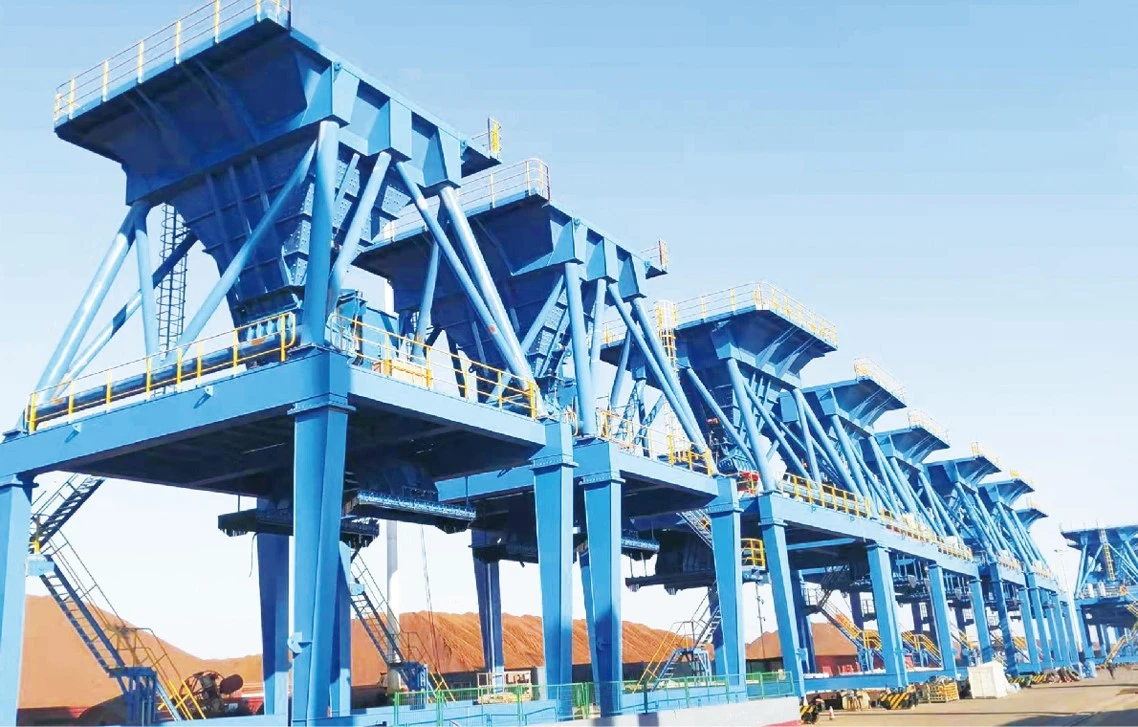
If you do not use ship crane limit protection, you face many dangers. The table below lists the most common hazards:
|
Hazard Type |
Description |
|---|---|
|
Load Dropping or Slipping |
Loads may fall if you do not check or rig them right. This can cause serious injuries. |
|
Crane Collisions |
Cranes can hit other machines or buildings without good monitoring or talking to each other. |
|
Electrical Hazards |
Cranes near power lines can cause electric shocks or burns. |
|
Poor Maintenance Leading to Failures |
Not taking care of cranes can make parts break. This can lead to dropped loads or breakdowns. |
|
Operator Error |
Operators who are not trained can make mistakes. This raises the risk of accidents. |
|
Inadequate Visibility |
Blind spots and bad lighting can cause crashes and dropped loads. |
Accident prevention through advanced safety features
You can stop accidents by using advanced safety features. CEGC’s systems use load monitoring and anti-collision technology to keep you safe. Automated stability management helps keep loads steady, even in hard conditions. These systems give you real-time data, so you can spot problems early. Collision prevention features, like alarms and sensors, warn you before a crash happens. You also get emergency stop options for quick action. Using these features improves stability and cuts downtime. Anti-collision technology and automated stability management work together to protect your team and equipment.
Best practices for operation and maintenance
You should follow best practices to keep your ship crane limit protection working well. Here are some tips:
-
Train every operator to know controls and safety steps.
-
Check cranes before each use to find problems.
-
Use load monitoring systems to avoid lifting too much.
-
Keep clear communication and use signals to stop mistakes.
-
Plan lift paths and look for obstacles to help prevent crashes.
-
Schedule regular maintenance and lubrication to keep systems running.
-
Use smart monitoring systems for real-time updates on stability.
-
Upgrade safety features when needed to make things safer.
Daily checks and skilled operators help you find issues early. Predictive maintenance, like sensors and digital monitoring, can cut downtime by up to 25%. If you focus on marine durability and lifecycle protection, your equipment stays safe and reliable for longer.
You can keep deck work safe by using ship crane limit protection systems with strong safety features. Predictive maintenance lets you find heavy loads early and stop problems before they happen. Emergency stop buttons and quick actions help protect your team from harm. Experts say you should use travel limit safety, anti-corrosion parts, and weather-resistant pieces to make sure your system works well.
-
Make sure your safety steps follow world rules.
-
Pick systems you can change to fit your site.
FAQ
How does a deck crane limit protection system help protect personnel on the deck?
You use a deck crane limit protection system to keep the deck safe. This system stops unsafe moves and helps protect personnel during heavy lifting on the deck.
What should you check before using a deck crane on the deck?
You check the deck crane controls, limit switches, and emergency stop. You look for damage on the deck. You make sure the deck crane works well to protect personnel.
Why is regular maintenance important for deck crane safety on the deck?
You keep the deck crane safe by doing regular maintenance. You check the deck crane parts and fix problems early. This helps protect personnel and keeps the deck safe.
Tip: You train your team to use the deck crane safely. You teach them how to protect personnel and keep the deck clear during operations.
|
Deck Crane Safety Step |
Deck Impact |
|---|---|
|
Inspect deck crane |
Keeps deck safe |
|
Test limit switches |
Protects personnel |
|
Clear deck obstacles |
Prevents accidents |


