
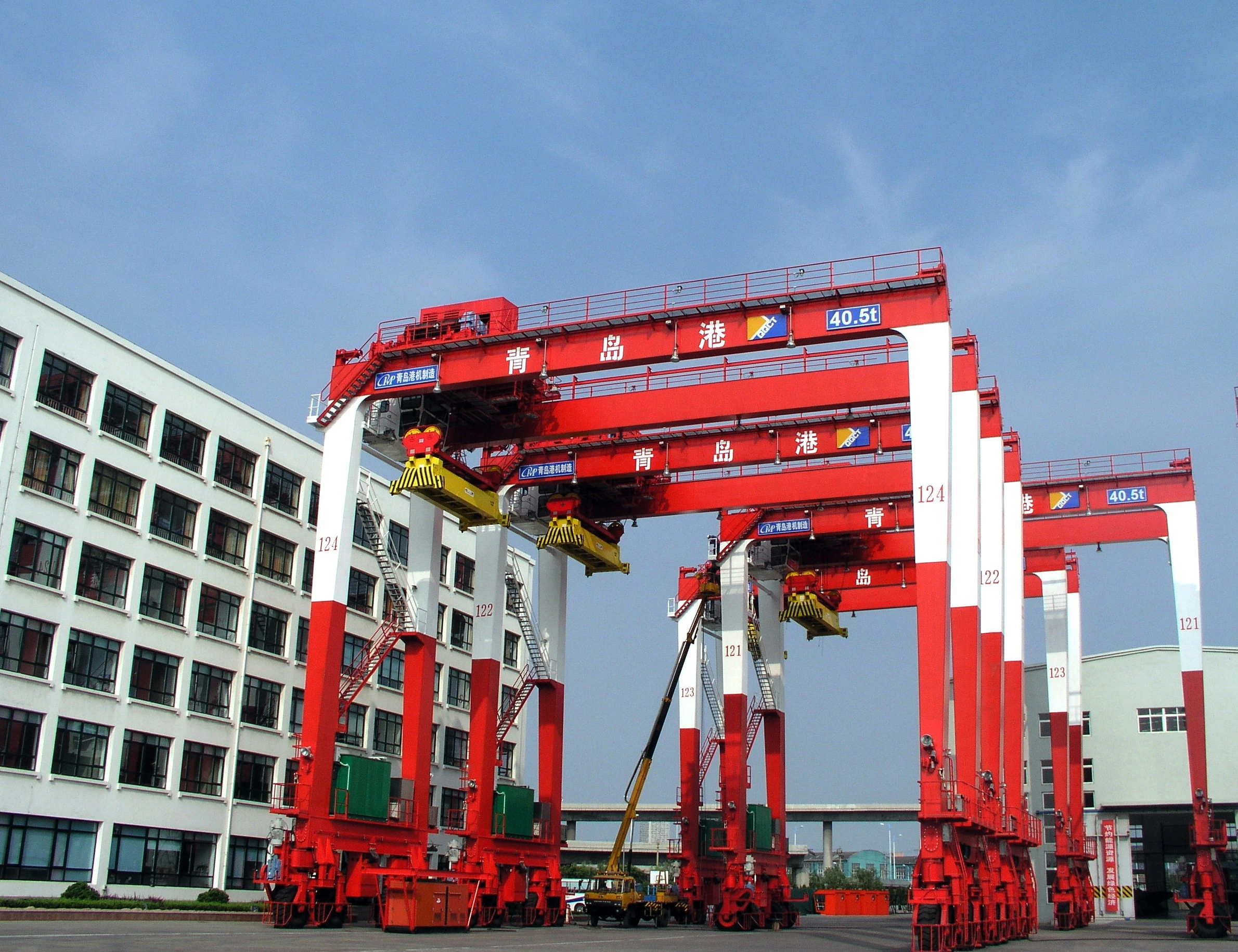
To ensure optimal safety and performance, it’s essential to tune limit protection correctly on a container gantry crane. Properly configuring this feature not only enhances crane safety but also minimizes downtime. CEGC stands out by implementing advanced preemptive checks and applying robust coatings for superior durability. By effectively stopping load sway and preventing collisions, CEGC equipment helps avoid overloading situations. Regular inspections of the container gantry crane further reduce accident risks and maintain high safety standards.
|
Feature |
CEGC Equipment |
Other Manufacturers |
|---|---|---|
|
Safety |
Proactive checks before issues arise |
Regular checks |
|
Reliability |
Durable, strong coatings |
Weaker materials |
|
Downtime Prevention |
Advanced sensors and warning systems |
Limited monitoring |
With CEGC, you can be confident that your container gantry crane will operate safely and efficiently when you tune limit protection correctly.
Key Takeaways
-
Setting limit protection the right way makes cranes safer and helps them work longer. You need to check and fix things often.
-
Training operators is very important. Show your team how limit switches work and teach them safety rules so no one gets hurt.
-
Use two-stage limit switches for more safety. They make the crane slow down before it stops, which keeps people and machines safe.
Limit protection and crane safety essentials
Understanding overload protection and limit switches
It is important to know how limit protection and overload protection work together. These systems help keep your container gantry crane safe. Limit protection uses devices and sensors. These make sure the crane does not move outside safe areas. Overload protection stops the crane from lifting too much weight. This keeps the crane from getting damaged and keeps people safe.
Here are the main parts of these systems:
-
Load detection sensors check how much weight you lift.
-
The control unit looks at the load and compares it to the crane’s rated capacity.
-
Operator alerts warn you when you get close to unsafe limits.
-
Automatic actions stop the crane if you go over safe limits.
Limit switches are very important in this process. You use a crane limit switch to set movement boundaries. The limit switch stops the hoist, trolley, or bridge before it reaches the end. This helps stop over-travel, over-lifting, and dangerous things like two-blocking. Safety limit switches give you a safety buffer for every job. Checking and taking care of crane limit switches often makes sure they work right.
Emergency stop and safety interlocks
An emergency stop system lets you stop all crane actions right away. This safety device cuts power and helps stop accidents. Safety interlocks give you even more protection. They block unsafe moves, stop hoisting during unsafe gantry travel, and turn off motion if there is too much weight. Overload limit switches and overload protectors work with these systems. They give full load protection and stop overload. Checking and taking care of crane limit switches and overload limit switch devices keeps your equipment working well.
|
Safety Risk |
Mitigation Strategy |
|---|---|
|
Damage to containers and cargo |
Anti-sway technology, load protection |
|
Accidents from swinging loads |
Anti-sway systems, overload protection |
|
Crane tipping in busy ports |
Safety interlocks, overload limit switch |
|
Handling inaccuracies |
Impact detection, limit switch |
International rules help design these systems. You can trust CEGC container handling equipment to follow these rules and keep your port safe.
Tuning limit protection on container gantry cranes

Preparation and pre-checks
You need to get ready before tuning limit protection. This helps you avoid mistakes and keeps everyone safe. First, make sure the crane is not lifting anything. Move the crane to a safe spot where you can work. Check the power supply and see if all safety systems work, including the emergency stop.
Next, look at each limit switch. Check for damage, dirt, or loose wires. Clean around the switches. Tighten any loose wires or screws. Look at the overload sensors and make sure they are not rusty. Check the emergency stop buttons to see if they work smoothly. If you find problems, fix them before you go on.
Operator training is very important. Make sure your team knows how each limit switch works. Teach them how to tell you if something is wrong. Use special training and simulators to help them learn fast. Good training means fewer mistakes and better safety.
Adjusting crane limit switch and overload protection
You need to adjust each crane limit switch carefully. First, find all the limit switches on your crane. These switches control the hoist, trolley, and bridge. Each switch sets a stopping point. When the crane gets there, the switch stops it. This keeps the crane from going too far and protects it.
Here are the steps to adjust limit switches and overload protection:
-
Move the crane slowly toward the stopping point.
-
Watch the limit switch as the crane gets close. The switch should turn on just before the end.
-
If the switch does not turn on at the right spot, move it. Loosen the screws and slide the switch until it works at the right place.
-
Tighten the screws and test the switch again.
-
Do this for every limit switch on the crane.
You also need to check the overload protection system. Use load cells and sensors to watch the weight. Set the overload limit to match the crane’s rated capacity. If the load is too heavy, the system should stop the crane and sound an alarm. Calibrate the overload sensors two times a year to stop false alarms.
Here are some best practices for adjusting limit switches and overload protection:
|
Description |
|
|---|---|
|
Regular Inspections |
Check limit switches often to find problems early. |
|
Two-Stage Limits |
Use two-stage limits to make things safer and softer. |
|
Operator Training |
Teach operators about switches and how to report problems. |
|
Routine Calibration |
Calibrate limit switches twice a year to keep them working right. |
|
Limit Switch Function |
Make sure limit switches stop over-travel and protect the crane. |
You can use two-stage limit switches. The first stage slows the crane down. The second stage stops it fully. This helps the crane last longer and keeps people safe.
Testing, verification, and troubleshooting
After you adjust the limit switches and overload protection, you need to test everything. Start with a setup check. Make sure the crane is not lifting anything and is in a safe spot. Look at each limit switch for damage, dirt, or wear. Check the wires and connections for rust or looseness.
Turn on each limit switch by hand. Use a tool or move the part that triggers it. The switch should move easily and go back to its place. Next, run the crane and move it toward each limit. The switch should stop the crane at the right spot. Watch to see if it works fast and right.
Write down what you find. Note any problems and how you fixed them. Test the overload protection system too. Make sure the sensors stop the crane if the load is too heavy. Test the emergency stop system. Make sure it cuts power and stops the crane right away.
Here is a checklist for testing and checking:
-
Make sure overload sensors work right.
-
Check that limit switches stop the trolley and hoist from going too far.
-
See if anti-sway systems work with heavy loads.
-
Do load tests to check the crane’s rated capacity.
-
Make sure all systems follow safety rules.
If you find a problem, check the wires, clean the switches, or reset the sensors. Change any broken parts right away.
CEGC gives you advanced technical solutions for container gantry crane: tune limit protection correctly. You can pick variable-frequency drives for smooth starts and saving energy. Regenerative systems save energy when braking. Smart standby modes use less power when the crane is not working. Strong coatings and materials keep your equipment safe from bad weather. You can also add automation, anti-sway technology, and connect your crane to your terminal operating system. These upgrades help you tune limit protection and keep your port safe and working well.
Tip: Always keep a maintenance log. Write down every adjustment, test, and repair. This record helps you see patterns and plan for future maintenance.
If you follow these steps, you can tune limit protection on your container gantry crane. You will make things safer, have less downtime, and help your equipment last longer.
You keep the crane safe by doing these things:
-
Check limit switches often.
-
Teach operators about safety rules.
-
Use two-stage limits for more safety.
Doing regular maintenance stops problems and helps the crane last longer. Maintenance means checking, cleaning, and changing parts. It helps stop the crane from breaking down. It makes sure your container gantry crane works well. Maintenance also helps everyone stay safe.
FAQ
How often should you check crane limit switches?
Check crane limit switches once a month.
Checking them often helps you spot problems early. This keeps your container gantry crane safe.
What happens if you ignore overload protection?
If you ignore overload protection, your crane can get damaged.
|
Risk |
Result |
|---|---|
|
Crane damage |
Expensive fixes |
|
Safety hazard |
Someone could get hurt |
Can you upgrade CEGC cranes with more safety features?
You can add more safety features to your CEGC container gantry crane.
-
Pick anti-sway systems
-
Add better sensors
-
Upgrade the emergency stop controls


