
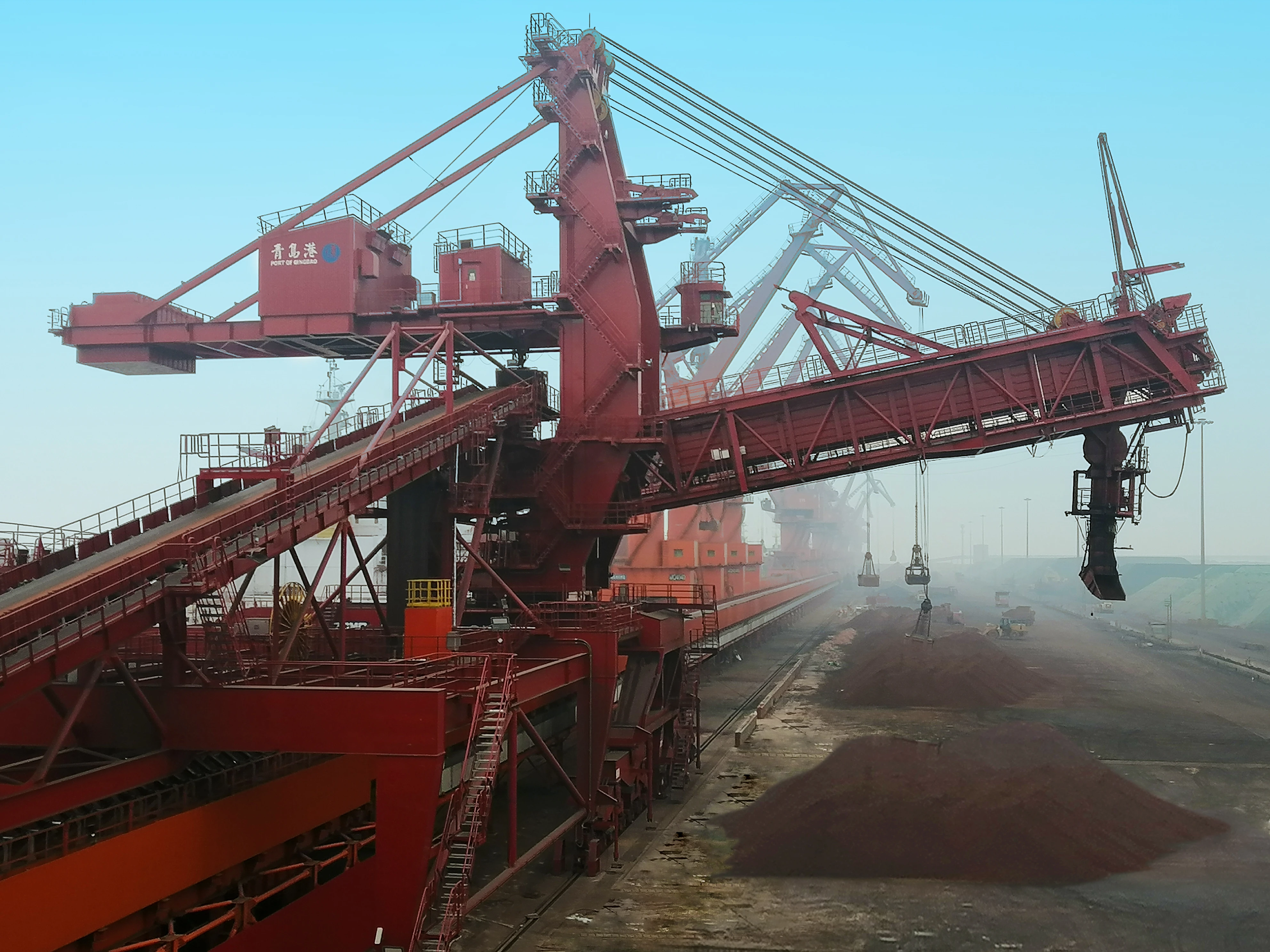
If you overlook Cargo crane rust hotspots: where failures start, you expose your operation to serious risks. These rust-prone areas are exactly where failures begin, threatening the safety and reliability of your equipment. Rust can lead to major issues for your port or terminal, impacting both performance and costs. CEGC provides advanced solutions to help you identify and address Cargo crane rust hotspots: where failures start, ensuring your cranes remain safe and dependable. Evaluate your current inspection routines—implementing robust anti-corrosion strategies and proactive maintenance with CEGC can make a significant difference.
Key Takeaways
-
Checking cargo cranes often helps find rust spots early. This stops expensive fixes and keeps people safe.
-
Using special marine coatings and cathodic protection can lower rust a lot. These steps help your equipment last longer.
-
Predictive maintenance tools help you fix things on time. This can cut breakdowns by up to 70%. It also saves money on repairs.
Cargo crane rust hotspots: where failures start
Key structural areas at risk
You should watch closely for the main spots where rust and corrosion begin on your cargo cranes. These cargo crane rust hotspots: where failures start often include:
-
Joints and welds: These areas trap water and salt, making them easy places for rust under insulation.
-
Hoist ropes and wire ropes: Moving all the time and exposed to weather, these parts can rust easily.
-
Moving parts and bearings: Friction and not enough lubrication can speed up rust under insulation.
-
Bottom of platforms and walkways: Water and dust gather here, creating spots for rust.
-
Electrical boxes and control panels: Moisture can get inside, causing rust and electrical problems.
Portal cranes, container cranes, ship cranes, and other equipment from CEGC face these risks. If you use a container gantry crane, reach stacker forklift, or ship loader, check these areas often. Rust under insulation can weaken the structure and cause unexpected breakdowns and safety issues.
Environmental factors speeding up rust
Cargo crane rust hotspots: where failures start often get worse in tough environments. Several things make rust under insulation happen faster:
-
Humidity: When the air is very humid (above 60-70%), a thin layer of water forms on metal. This makes rust happen faster under insulation.
-
Temperature: Warm weather speeds up rust by making chemical reactions happen quicker.
-
Pollutant gases: Gases like sulfur dioxide and nitrogen oxides mix with water to make acids. These acids attack metal and cause more rust under insulation.
-
Salty air: If your port is near the ocean, salt in the air sticks to metal. This keeps surfaces wet and damages protective coatings, leading to more rust.
Dust and industrial pollution in the air also help rust form. Dust and pollutants mix with water to make acids. These acids increase hydrogen ions on the metal surface. This creates tiny electrical cells that speed up rust under insulation and cause rust spots.
You should do regular inspections. Major checks for cranes in high-rust areas should happen every 1 to 12 months, based on your equipment and rules. Routine inspections help you find rust hotspots: where failures start before they get worse.
Common signs of early rust
You can see early rust under insulation if you know what to look for. Watch for these signs on your cargo cranes:
-
Discoloration or reddish-brown stains on joints, welds, or hoist ropes
-
Flaking or blistering paint, especially on moving parts or under insulation
-
Small holes or pits in metal surfaces
-
Strange noises or more friction in bearings and moving parts
-
Moisture or rust inside electrical boxes
If you ignore these signs, you risk more than just damage. Rust under insulation is a big safety hazard. It can cause service stops, expensive repairs, and accidents. The shipping industry loses billions each year because of rust under insulation, maintenance, and early equipment replacement.
To stop cargo crane rust hotspots: where failures start, you need strong technical solutions. Marine-grade coatings like Apexior Number 1® and Apexior Number 3® protect metal from heat and moisture. Cathodic protection systems use sacrificial anodes, like zinc or magnesium, to draw rust away from important parts. Thick, cross-linked polymer coatings resist chloride ions, common in coastal ports. These products turn active rust into a stable surface and help prepare for topcoats, saving you time and money.
|
Coating Name |
Description |
Uses |
|---|---|---|
|
Apexior Number 1® |
Heat-resistant coating for metal parts in boiling water up to 700°F. |
Water-side parts of marine equipment like steam generators, turbines, and economizers. |
|
Apexior Number 3® |
Cheap rust protection for hard-to-coat metal surfaces. |
Condensers, air tanks, brine tanks, rudders, propeller blades, and chain lockers. |
You can also use cathodic protection to keep rust under insulation away from your key parts. These methods help your portal crane, container crane, ship loader, and other equipment last longer.
Tip: Finding rust early and stopping it will keep your cargo crane rust hotspots: where failures start from becoming big problems. Regular checks and good anti-rust systems protect your equipment and keep your work safe.
Inspection and prevention strategies
Visual and advanced inspection methods
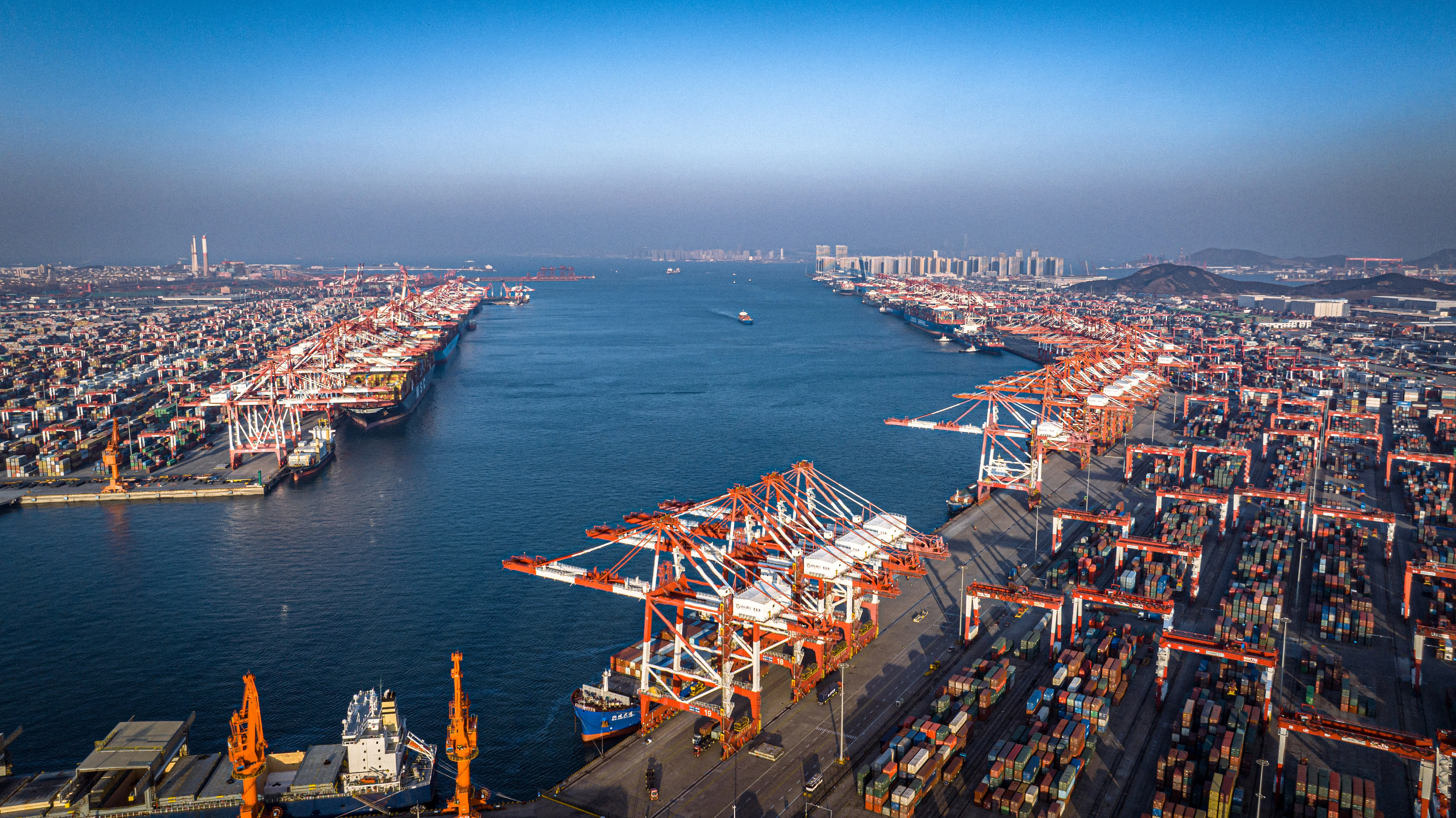
You should check your cargo crane often. Start by looking at it closely. Search for cracks, rust, or paint that is peeling. This helps you find problems early. Next, do load testing to see if the crane can lift what it should. For deeper checks, use ndt. These tests include Magnetic Particle Inspection and Ultrasonic Testing. They help you find hidden problems without taking the crane apart. Some ndt methods, like Phased Array Ultrasonic Testing and Automated Corrosion Mapping, are very accurate. These tools show where rust hides under insulation. XOM Services and other companies offer ndt like Time of Flight Diffraction and Long Range Ultrasonic Testing. These advanced ndt tests let you check your crane while it is still working. Always follow CEGC’s rules to keep your container handler or ship loader safe.
|
Technology Type |
Description |
Key Features |
|---|---|---|
|
Phased Array Ultrasonic Testing |
Finds hidden corrosion with high precision |
1mm resolution, high detection rate |
|
Automated Corrosion Mapping |
Uses waterbox tech for detailed inspection |
Superior data integrity |
Predictive maintenance and monitoring
You can use predictive maintenance to stop surprise breakdowns. Condition monitoring tools watch temperature, vibration, and electrical signals. These systems warn you before a part breaks. Predictive maintenance lets you plan repairs when it works best for you. This can cut breakdowns by up to 70%. It also saves up to 25% on maintenance costs. Finding wear early keeps your cargo crane working longer. You can use AI analytics to move containers faster and cut wait times. This system also helps you fix problems quickly. You can spot trouble early and fix it before it gets worse.
Finding problems early stops bigger issues. For example, you can save a gearbox by changing a bad bearing before it breaks. This makes your crane last longer and saves time on repairs.
Best practices for ongoing protection
You should use many ways to keep your equipment safe from rust. Use marine-grade coatings to make parts last longer. These coatings work better than regular paint and save money over time. Use cathodic protection to send electricity to sacrificial anodes. This stops rust on important parts. Pick corrosion-resistant materials like stainless steel for your container gantry crane or reach stacker forklift. Always clean and prepare surfaces before coating them. Regular checks and maintenance help you find and fix rust early. Modular design makes repairs and checks faster. Real-time diagnostics let you watch your equipment and plan fixes. These steps keep your cargo crane, ship crane, and other equipment safe and working well.
You can keep your cargo crane and port machines safe by finding problems early. Checking your equipment often and using special coatings saves money and helps your machines last longer.
|
Solution |
Benefit |
|---|---|
|
Predictive Maintenance |
Cuts down on time lost and repair costs |
|
Protects metal from tough weather |
Be ready and use trusted solutions to keep things safe for a long time.
FAQ
What is the most common rust hotspot on a cargo crane?
You often find rust at joints and welds. These spots trap water and salt, which start corrosion.
How can you slow down rust on your container crane?
You can use marine-grade coatings and do regular inspections. These steps protect metal and help you find rust early.
Why should you check your crane often?
-
You spot rust before it spreads.
-
You avoid costly repairs.
-
You keep your equipment safe for workers.


