
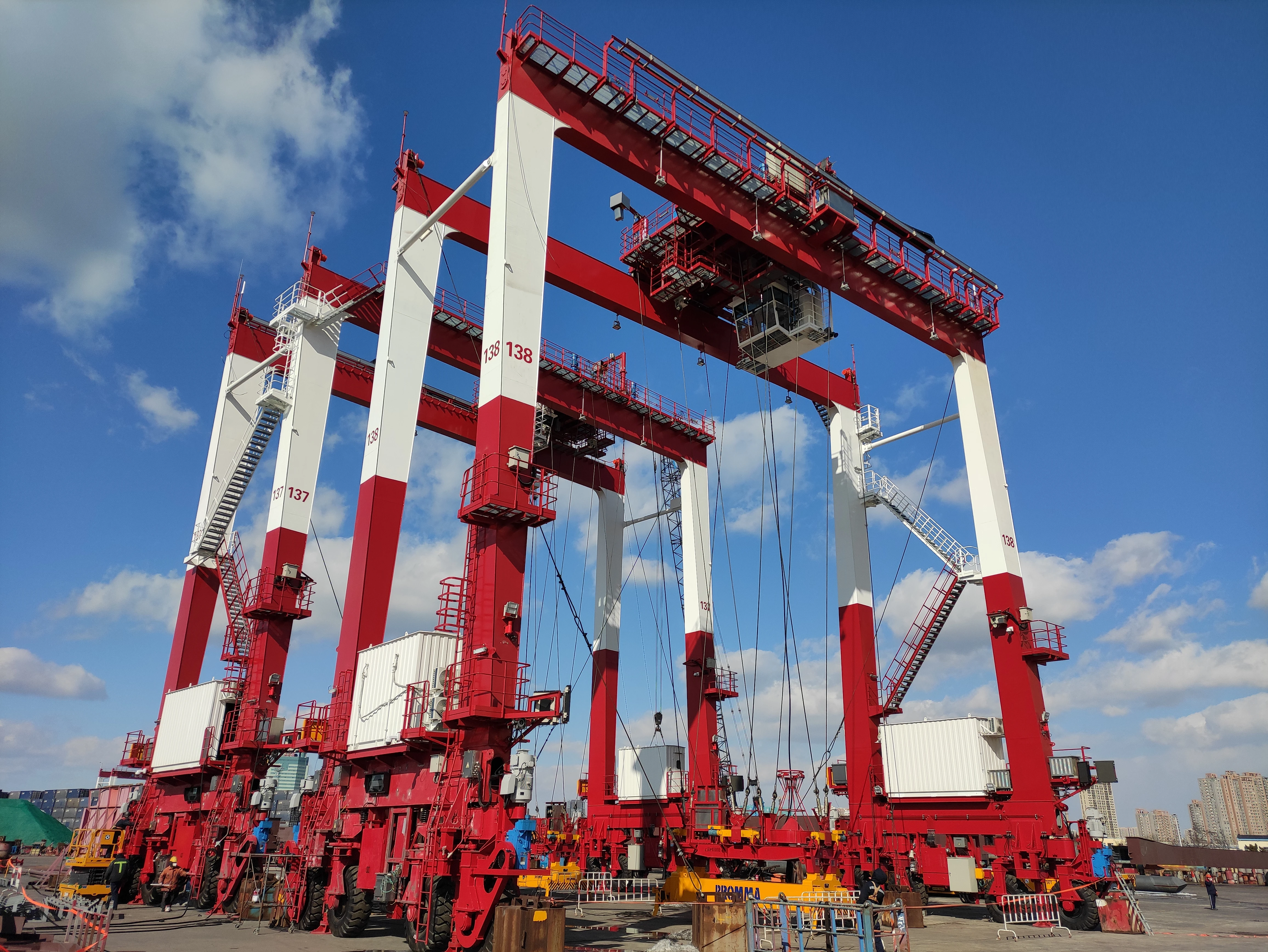
Port crane corrosion: stop rust before it stops you is a big problem you should not ignore. Salt, wind, and humidity hurt steel every day. This makes port crane corrosion: stop rust before it stops you a big safety risk. You may lose money and time when port crane corrosion: stop rust before it stops you causes hidden damage. Reports show that port crane corrosion: stop rust before it stops you often leads to failures you cannot see. CEGC gives strong anti-corrosion solutions because port crane corrosion: stop rust before it stops you can harm your whole operation.
Key Takeaways
-
Pick the best materials and coatings to keep cranes safe from corrosion. Add more than one layer to give better protection from rust.
-
Check and clean cranes often to find rust early. This stops expensive fixes and keeps cranes working safely.
-
Use predictive maintenance systems to watch crane conditions. This helps stop surprise breakdowns and makes cranes last longer.
Why cranes face corrosion risks
Port environment challenges
Cranes work in very tough places. Salt spray, wet air, and changing temperatures hurt metal parts. These things make corrosion happen faster and can make cranes unsafe. There is also pollution and strong wind that make the problem worse.
-
Salt leaves tiny bits called chloride on metal. This keeps the metal wet and breaks its protective layer.
-
When humidity is over 60%, it makes a wet mix that eats away metal and makes corrosion faster.
-
When the temperature changes, water forms on the metal. This starts corrosion again.
-
Gases like SO2 and NOx mix with water and turn into strong chemicals. These chemicals damage steel.
Cranes at ports also deal with bad weather and shaky ground. This can make them less stable and not last as long.
Vulnerable crane components
Some crane parts get more corrosion than others. These parts are more open to the air or have special jobs.
-
Wire ropes, big metal pieces, and electric parts are most at risk.
-
Corrosion can make steel thin, break welds, and hurt electric parts.
-
Cranes outside, like portal cranes, container cranes, and ship cranes, are in the most danger. This is worse near the sea or in places with chemicals.
|
Contributing Factor |
Description |
|---|---|
|
Salt-laden atmosphere |
|
|
High humidity |
Wet air helps rust attack metal. |
|
Temperature fluctuations |
Water forms and starts rust again. |
|
Mechanical wear |
Scratches show new metal, so rust starts easier. |
How corrosion starts and spreads
Corrosion does not hurt every crane part the same way. There are different kinds of corrosion, and each one is risky.
-
Uniform corrosion makes steel thin in big areas.
-
Pitting corrosion makes deep holes that can weaken cranes fast.
-
Galvanic corrosion happens when two metals touch. One metal rusts faster.
-
Crevice corrosion hides in small spaces where water stays.
-
Stress corrosion cracking mixes pulling and chemicals. This can break parts suddenly.
How fast corrosion happens depends on where the crane is. The splash zone gets the worst rust because it gets wet and dry a lot and things rub against it. You need to know these dangers to keep cranes safe and working.
Prevent corrosion: best practices and solutions
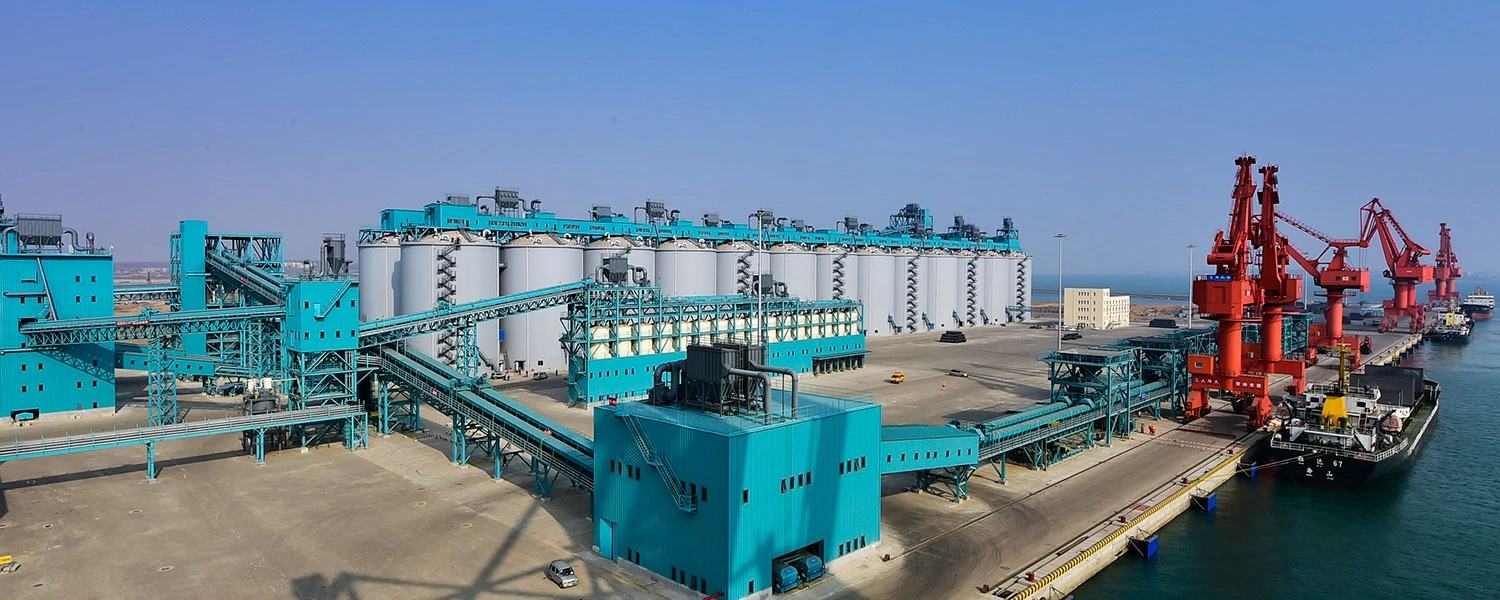
It is hard to stop corrosion on cranes. You need the right steps to keep your equipment safe and working well. CEGC gives you good solutions for all types of port cranes. This includes container cranes, ship loaders, and reach stackers. Here are some ways to make your equipment last longer and manage corrosion better.
Material selection and coatings
Picking the right materials and coatings is very important. You should use materials that do not rust easily. These materials must survive tough marine weather. CEGC says you should use many layers to protect cranes. First, you prepare the surface. Then, you add special coatings. The table below shows the best ways and their benefits:
|
Material/Coating |
Function/Benefit |
|---|---|
|
Sandblasting |
Removes rust and prepares the surface for better adhesion of coatings. |
|
Epoxy primer |
Creates a dense barrier against moisture and oxygen, enhancing corrosion resistance. |
|
Polyurethane topcoat |
Provides excellent weather resistance and protection against UV rays and chemicals. |
|
Hot-dip galvanizing |
Coats metal parts with zinc for long-term corrosion protection in harsh conditions. |
Always pick coatings that fit how your crane is used. CEGC’s marine coatings are strong and meet industry rules. You can also choose custom options for extra protection and longer life.
Regular cleaning and inspection
Cleaning and checking cranes often is very important. You must clean off salt, dust, and dirt from all parts. This stops rust before it starts. Here are some tips for inspections:
-
Do big checks every 1 to 12 months, depending on the crane.
-
Check cranes every day or week if there is a lot of salt or humidity.
-
Look at cranes at the start of each shift for rust or cracks.
-
Pay attention to damage, welds, drums, and other key parts.
-
Write down all inspections to keep track and follow rules.
New tools like wall-sticking drones help you check hard-to-reach places. These drones use ultrasonic testing to find rust early. They can take many readings fast and measure wall thickness. Other tools help you find rust and cracks quickly. This makes your corrosion system better.
Lubrication and rust inhibitors
Using the right lubricants and rust blockers is very important. You need strong lubricants made for port cranes. These products help parts last longer and stop rust. CEGC has special solutions for your needs. They have tested these for over 90 years.
|
Feature |
Description |
|---|---|
|
Lubrication and protection |
Significant reduction of wear and decomposition processes with various materials |
|
Tested effectiveness |
Numerous tests on in-house test rigs |
|
Matching solutions |
Made specifically for individual requirements |
|
High-performance product range |
Competence and expertise gained from more than 90 years of research and experience |
Put lubricants and rust blockers on wire ropes, gears, and moving parts. This helps your equipment last longer and keeps rust from spreading.
Cathodic protection and advanced systems
Cathodic protection is a good way to stop rust on metal parts. First, you use a coating. Over time, coatings can wear out. Cathodic protection uses special systems as a backup. These include sacrificial anodes and ICCP. ICCP is good for big terminals and complex cranes.
-
ICCP uses special machines and anodes that last over 25 years.
-
Noble metal anodes work well in very rusty places.
-
These systems change their power to give the best protection.
Using both coatings and cathodic protection can make cranes last over 50 years. You should check both systems often to keep rust away for a long time.
Predictive maintenance and lifecycle planning
Predictive maintenance is very important for stopping rust. You can use sensors and computers to watch cranes all the time. This helps you find rust early and fix problems before they get worse. Sensors check things like shaking, heat, and wetness.
-
Predictive maintenance helps you avoid surprise breakdowns.
-
You get alerts right away so you can act fast.
-
Using weather data helps you plan repairs and make cranes last longer.
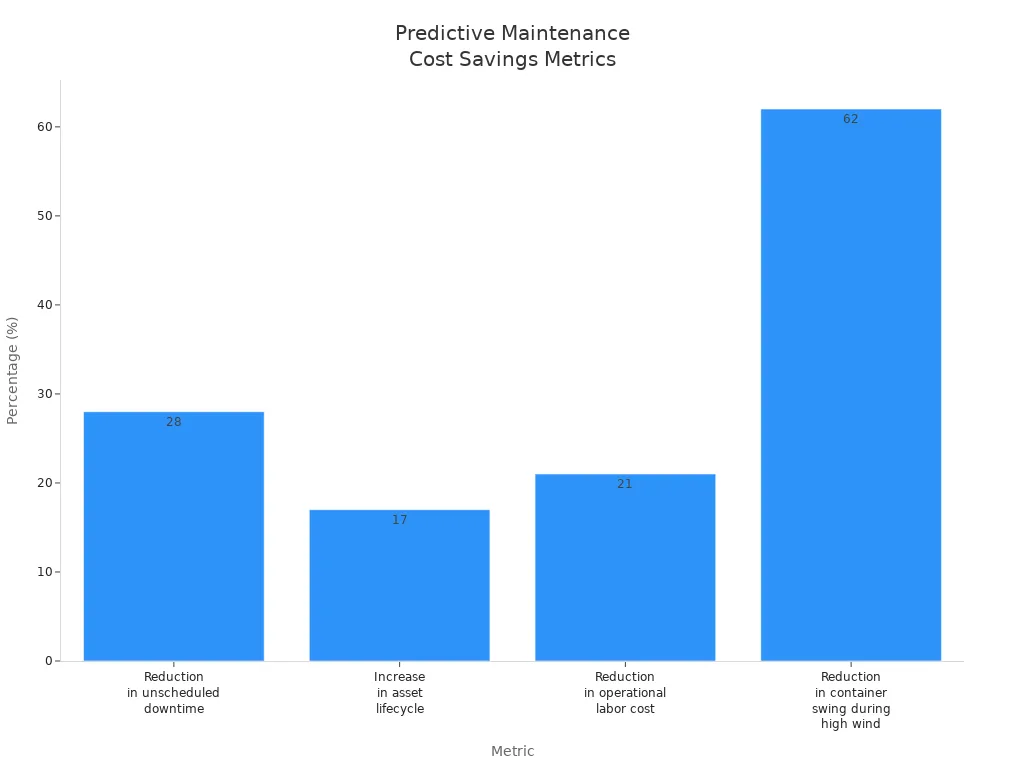
Here are some benefits of predictive maintenance:
|
Metric |
Value |
|---|---|
|
28% |
|
|
Increase in asset lifecycle |
17% |
|
Reduction in operational labor cost |
21% |
|
Reduction in container swing during high wind operations |
62% |
You can also use predictive maintenance with safety systems. This makes your cranes safer and stops rust better.
Corrosion control policies and standards
You need strong rules to stop rust. Follow the rules for cleaning, checking, and using coatings. CEGC’s solutions match the best standards for all types of cranes. You can change your system to fit local laws and your needs.
Tip: Teach your workers how to stop rust and do maintenance. Training helps you get better results and keeps everyone safe.
If you follow these steps, you can stop rust, save money, and keep your cranes working well. CEGC can help you with the best solutions for all your port equipment.
-
Pick the right materials and coatings for your machines. 2. Plan regular checks and cleaning to find rust early. 3. Use new control systems and upgrades to help machines last longer. 4. Watch how fast rust happens and change your plan if needed. 5. Ask CEGC for special help to keep your machines safe and working well.
|
Benefit |
Description |
|---|---|
|
Downtime minimized |
Good checks and care help stop long delays. |
|
Repair costs lowered |
Finding rust early keeps machines from breaking. |
|
Long-term efficiency |
Taking action early helps machines last longer. |
Keep your machines and work safe—stop rust before it causes problems.
FAQ
How often should you inspect your port crane for corrosion?
Check your crane at least once every month. If your port has a lot of salt, wet air, or the crane works a lot, check it more often.
What is the best way to prevent rust on a container crane?
Use marine-grade coatings on your crane. Clean all surfaces often. Use CEGC’s anti-corrosion systems too. These steps help protect your crane from tough port weather.
Can CEGC customize anti-corrosion solutions for different crane types?
Yes. CEGC can make special anti-corrosion plans for portal cranes, ship loaders, reach stackers, and all container handling equipment.


