
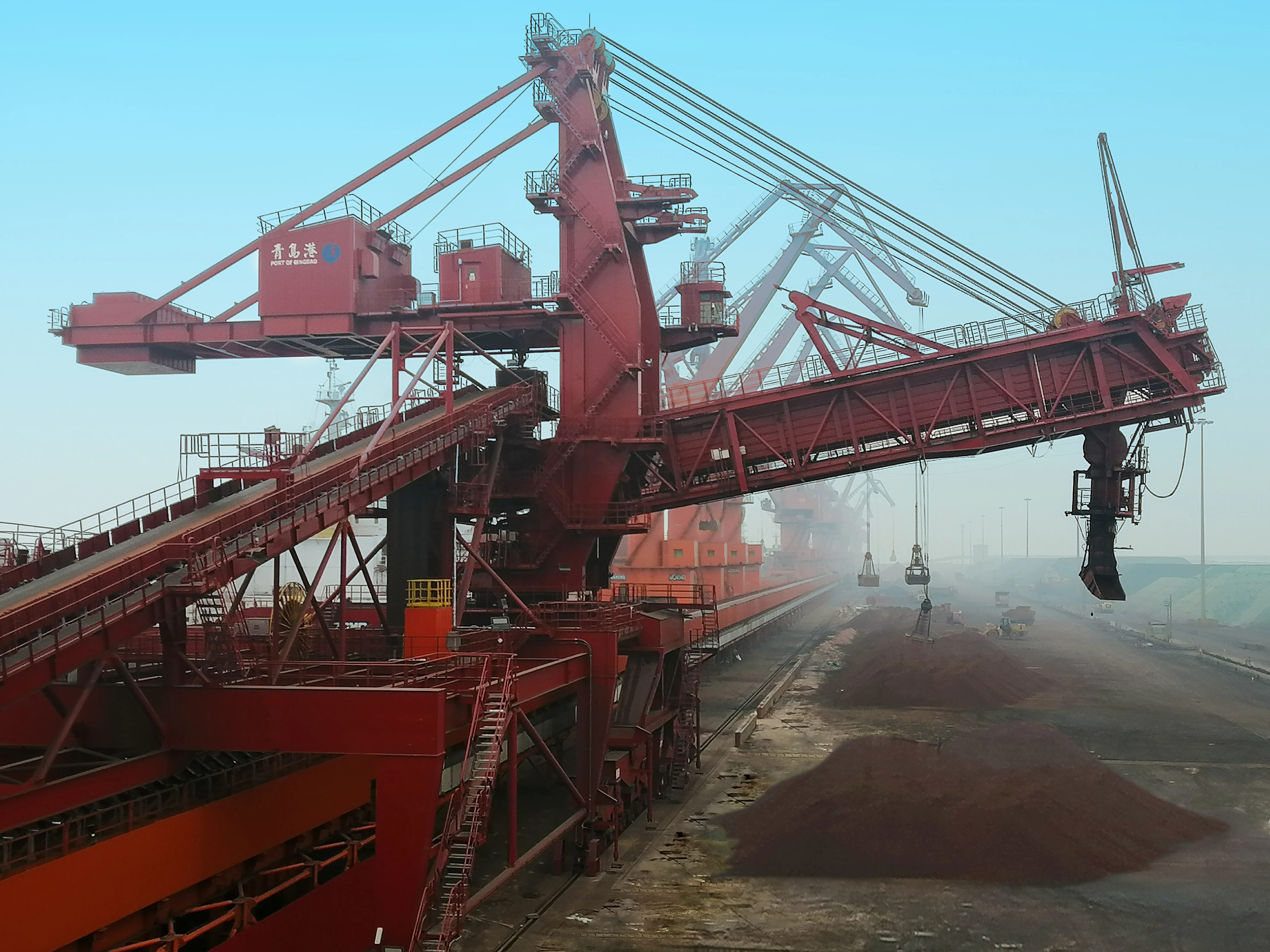
You want portal crane: fog operations without blind risk. You need portal crane: fog operations without blind risk to stay safe. Portal crane: fog operations without blind risk keeps you safe and strong. Portal crane: fog operations without blind risk helps workers pay attention during work. CEGC gives portal crane: fog operations without blind risk even when fog is thick.
Key Takeaways
-
Fog makes it hard to see. You must stop lifting if you cannot see past 100 meters. This helps keep people safe.
-
Use special tools like cameras and bright lights to see better in fog. These tools help stop accidents and protect workers.
-
Maintenance and training are very important. Check equipment often. Make sure everyone knows safety signals and what to do.
Fog Risks and Blind Spot Safety
Visibility Hazards in Fog
Operating portal cranes in fog is very hard. Fog makes it tough to see the ground crew and cargo. You may not see important signals.
Fog and bushfire smoke can hide signs and people. Crane operators need to see clearly to work safely. Signalers and dogmen may not be seen from the cab. It is dangerous when you cannot see the ground crew. You cannot judge swing paths or landing spots well. You may not see nearby structures.
You must watch your visibility closely. If you cannot see more than 100 meters, stop lifting. This keeps you and your team safe from accidents. CEGC always puts safety first and has strict rules for foggy days.
How Blind Spots Occur
Blind spots are a big problem in fog. You may not see workers or things in your way. Many things can cause blind spots:
-
Wet decks and moving loads make it hard to see, causing blind spots.
-
Low light makes it even harder to see, which can cause accidents.
-
Rushing because of tight schedules can make workers skip safety steps.
You must stay alert to these dangers. Use all tools you have to keep lifting safe.
When to Pause Operations
You need to know when to stop lifting for blind spot safety. The table below shows times when accidents are more likely:
|
Scenario Type |
Evidence |
|---|---|
|
Use of Safety Technologies |
Wireless crane cameras help operators see better. This is important when it is hard to see. |
|
Best Practices for Prevention |
Camera systems help operators see in real time. This helps them make good choices during hard lifts. |
|
Low-Light Operation |
Infrared or night-vision cameras help operators see at night or in dark places. |
You should use radios, alarms, and warning lights. These tools help you talk to the ground crew and avoid accidents. Radios and alarms give clear signals even if you cannot see each other. Warning lights show danger zones and where loads may fall. This makes lifting safer for everyone.
Solutions to Prevent Blind Spots
Advanced Lighting and Cameras
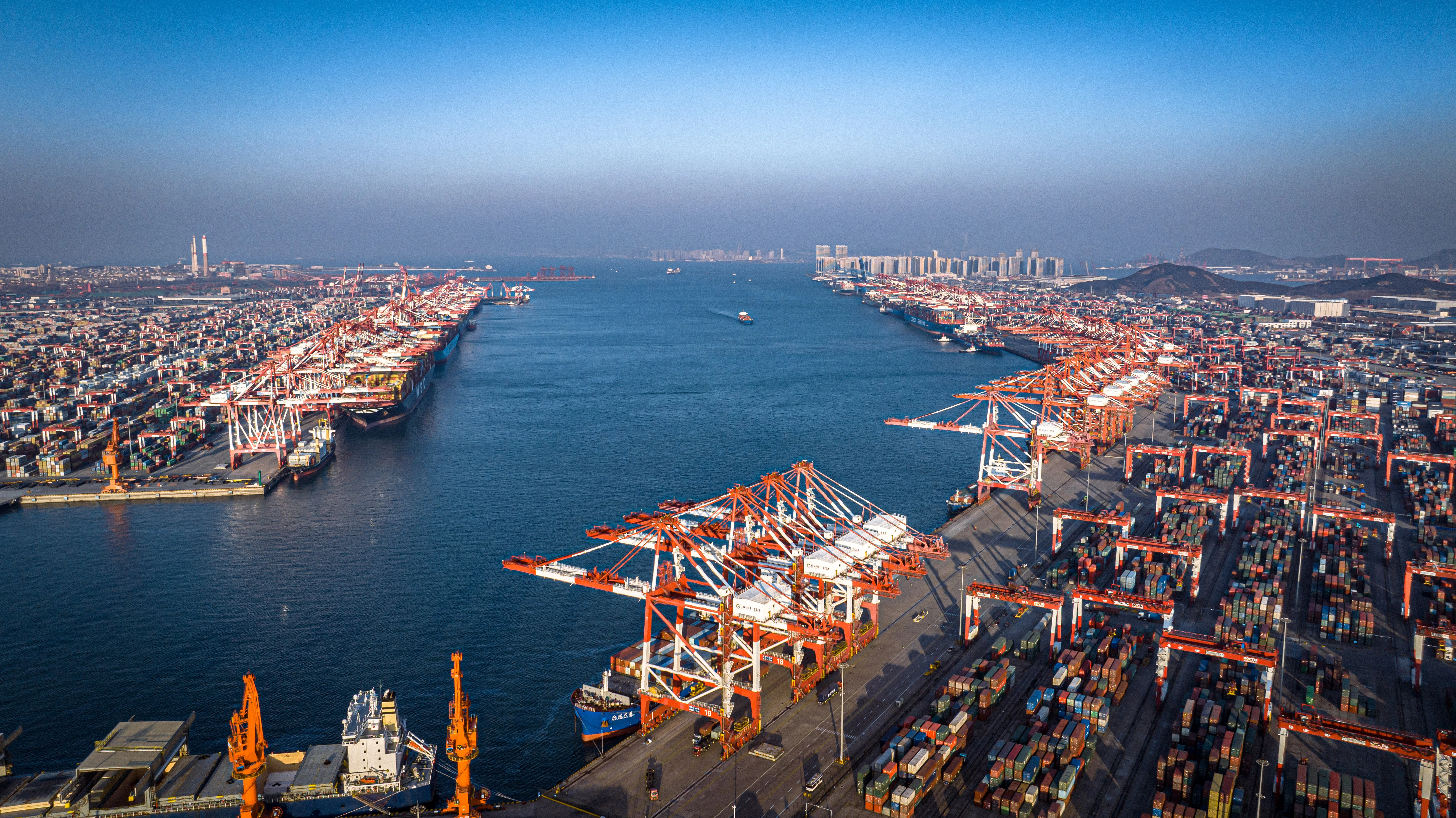
You need to see well to avoid blind spots in fog. Smart glass helps you see better by cutting down on reflections. It can get darker when the sun is bright, so you do not get glare. This keeps your view clear. Bright floodlights light up the ship’s hold and the path for lifting. Adaptive brightness changes the lights when the weather changes. You get enough light even if the fog is thick.
Modern worksites use lights, sensors, and crane cameras together. These tools show you what is behind the crane right now. You can see dangers, workers, or equipment that fog might hide. This helps you stop blind spots and keeps your team safe. Good lighting and cameras make crane safety systems work better and more often.
Anti-Sway and Collision Systems
You need to keep the load steady and stop accidents. Anti-sway systems help you control the crane load. These systems cut swinging by up to 90%. Lifts stay steady even if wind or mistakes make the load move. Collision avoidance uses sensors and software to find dangers. Triple protection stops the crane from hitting walls or moving too fast.
|
Functionality |
Description |
|---|---|
|
Anti-sway function |
Cuts 90% of swing during work, keeping the grab steady when closed. |
|
Collision avoidance |
Triple protection stops crashes, with double safety for top speed and wall hits. |
|
Fog operation |
Crane systems work safely in tough weather, even with low visibility. |
Anti-sway crane controls can cut swing by 85–95%. This makes work safer and cuts down on lost time. Anti-collision uses sensors and smart programs to stop crashes. These systems lower the chance of hitting cranes, gear, or people.
Operator Training and Communication
You need good training to avoid blind spots and stay safe. Training teaches you about dangers in foggy weather. You learn to use the equipment the right way. You follow safety rules, work slower, and stop lifts if you cannot see well.
Best ways to train include:
-
Spotting dangers and changes in the weather.
-
Using spotters to help you see blind spots.
-
Talking clearly with radios or headsets.
-
Practicing real-life drills to spot warning signs.
-
Making safe choices when things get busy.
-
Learning about the exact machines you use.
-
Following rules for speed, load size, and walking areas.
-
Checking equipment and telling someone if it is broken.
You must use hand signals, radios, and light-up batons. Spotters help you in places where you cannot see well. Standard signals and words keep everyone updated. Bright vests and LED tools make talking easier and safer.
Maintenance and Inspection
You need to check and fix your crane often to stop blind spots. Crashes often happen because operators cannot see well. Regular checks keep cameras and other tools working. You can watch blind spots and make sure you can see well.
Preventive steps include:
-
Putting cameras or extra tools in the crane cab.
-
Checking all visibility tools before every shift.
-
Making sure lights and sensors work right.
-
Fixing any problems right away.
Smart maintenance can cut lost time by up to 35% and save 20% in costs. CEGC uses AI and real-time data to keep your crane safe and working well. These systems meet or beat safety and reliability rules.
Tip: Regular checks and fixing help you stop blind spots and keep your crane safety systems strong.
You can make portal crane work safer in fog with new technology, strong rules, and good training. Anti-Collision Systems help stop crashes when you use the crane. You need to check the weather and stay far enough from others. Training helps you know what to do when you cannot see well. Here is a checklist you should use:
-
Test cameras and lights before you start
-
Talk to your team with radios
-
Stop working if you cannot see well
CEGC gives you ways to work safer and meet your special needs.
FAQ
How do you keep portal crane operators safe in fog?
You use advanced cameras, bright lights, and clear radios. You follow strict rules. You stop work if you cannot see well.
What should you check before foggy crane operations?
-
Test all cameras and lights.
-
Make sure radios work.
-
Review safety signals with your team.
Can CEGC customize portal cranes for special fog conditions?
| Yes, CEGC offers project-based customization. You can request extra sensors, anti-corrosion features, or special safety systems for your port. |


