
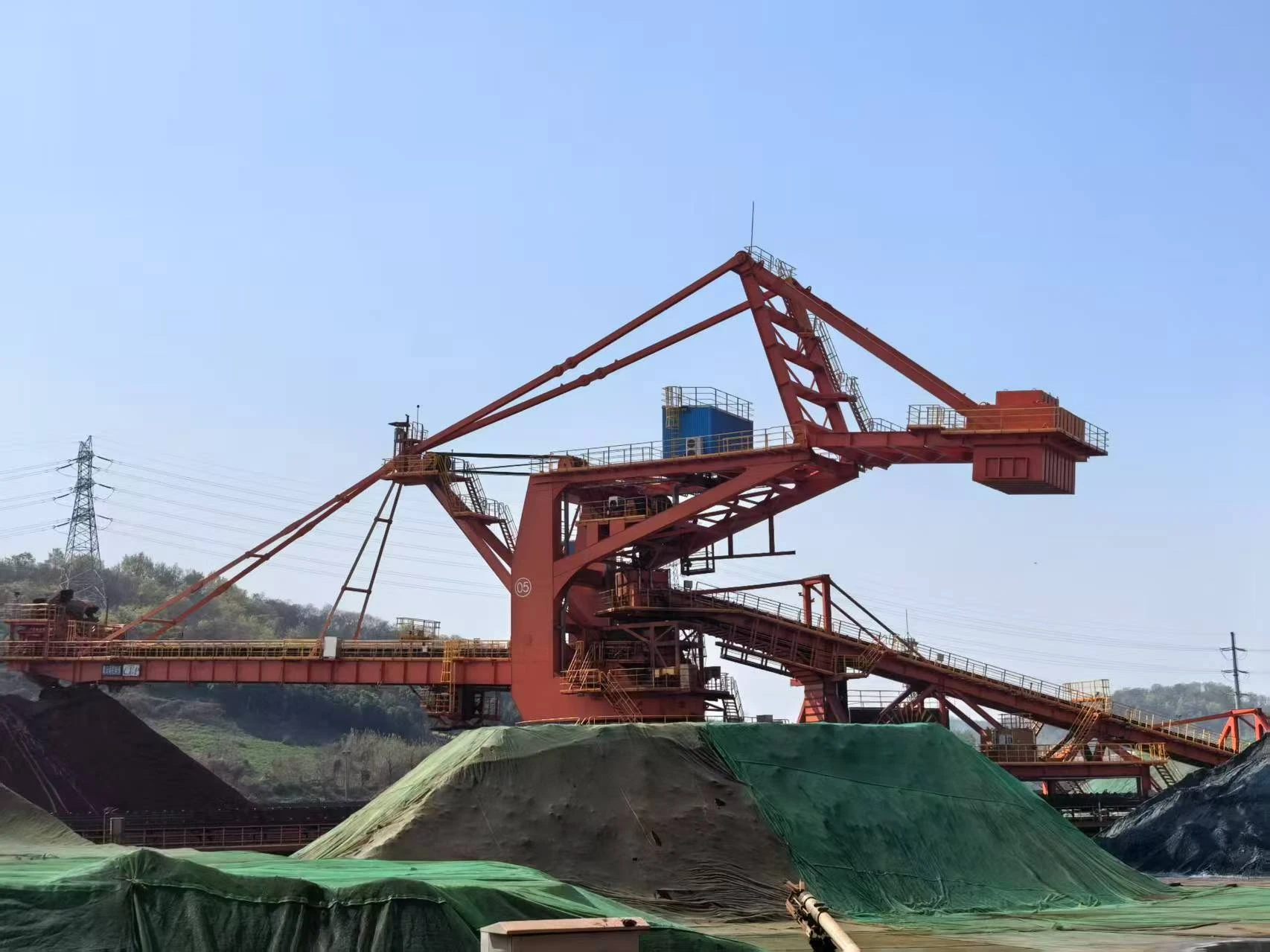
You face real danger if a latch fails when moving fast. Cargo crane: why latches fail under speed is important for your crew’s safety. It also matters for how well your terminal works. CEGC designs help you stop delays, accidents, and cargo getting damaged.
|
Impact Area |
Description |
|---|---|
|
Cargo Integrity |
Crane safety keeps cargo safe while working. |
|
Terminal Efficiency |
Good latches stop delays and help work go faster. |
|
Crew Safety |
Working latches keep everyone safe on the ship and dock. |
|
Schedule Reliability |
Fewer problems mean ships and customers stay on time. |
Key Takeaways
-
Check latches often to find cracks, rust, or other problems early. This helps stop accidents and keeps your team safe.
-
Use anti-sway systems to keep cargo steady when it moves. This lowers the chance of latch failure and helps work go faster.
-
Use smart technology for predictive maintenance. This lets you watch latch conditions and fix things before they break.
Cargo crane: why latches fail under speed
Mechanical and Material Causes
Every latch must stay strong when moving cargo fast. When you use a cargo crane quickly, the latch faces many stresses. These stresses can make the latch weak and cause it to break. Here are the main forces that affect latches:
-
Impact forces happen when containers swing or stop fast. These impacts can make weak spots in the latch.
-
Vibrations from moving machines shake the latch. Over time, these vibrations can loosen parts and cause cracks.
-
Rapid accelerations put extra pressure on the latch. Quick changes in speed or direction can bend or damage the latch.
Material fatigue is also important. If you use a latch many times without checking it, small cracks can get bigger. Bad maintenance makes this worse. Dirt, rust, or worn parts can stop the latch from working well. You see these problems in all kinds of port machines, like container cranes, portal cranes, and ship cranes. CEGC designs help lower these risks by using strong materials and smart engineering.
Hook latch design flaws
Some latches break because of design mistakes. If the latch does not fit or move right, it cannot keep cargo safe. The table below shows common design problems in hook latches:
|
Design Flaw |
Description |
|---|---|
|
Preload Settings |
Wrong preload settings change how the latch holds in locked and unlocked positions. |
|
Component Materials |
Weak materials like old bronze or aluminum can jam or break under stress. |
|
Component Geometry |
Sharp edges on the latch can damage other parts and cause early failure. |
|
Air Supply Problems |
Poor air flow or moisture in air lines can stop the latch from locking or unlocking properly. |
Modern hook latch designs, like those in CEGC container handling equipment, use better materials and smart systems. These latches hold cargo safely, even during fast moves. Real-time monitoring helps you find problems early and keep your team safe.
Environmental and Operational Factors
Your worksite faces tough weather and conditions. Wind, salt air, and heat all change how well a latch works. Wind can make containers sway, which puts extra force on the latch. Salt air causes corrosion, which eats away at metal parts. Heat can change the shape of the latch and make it weaker.
-
Wind makes containers unstable and sway. This raises the risk of dropped cargo or tipping.
-
Corrosion from salt air breaks down metal surfaces. This makes the latch less reliable.
-
Regular maintenance, like washing and checking for rust, helps stop sudden latch failures.
High-speed operation makes these problems worse. When you move containers quickly, the latch faces more impact and acceleration. The table below shows how speed adds to the stress:
|
Type of Stress |
Description |
|---|---|
|
Impact |
Sudden hits transfer energy to the container, raising the chance of latch failure. |
|
Acceleration |
Fast changes in speed or direction put more force on the latch. |
|
Crane Operation Speed |
Lifting and lowering containers quickly creates strong mechanical forces on the latch. |
You can lower these risks by using anti-sway and safety control systems. CEGC offers advanced solutions for cargo cranes, portal cranes, and container gantry cranes. These systems help you control load sway, reduce impact, and keep your crew safe. Regular checks and smart technology keep your latch working, even in tough port environments.
Warning Signs and Prevention
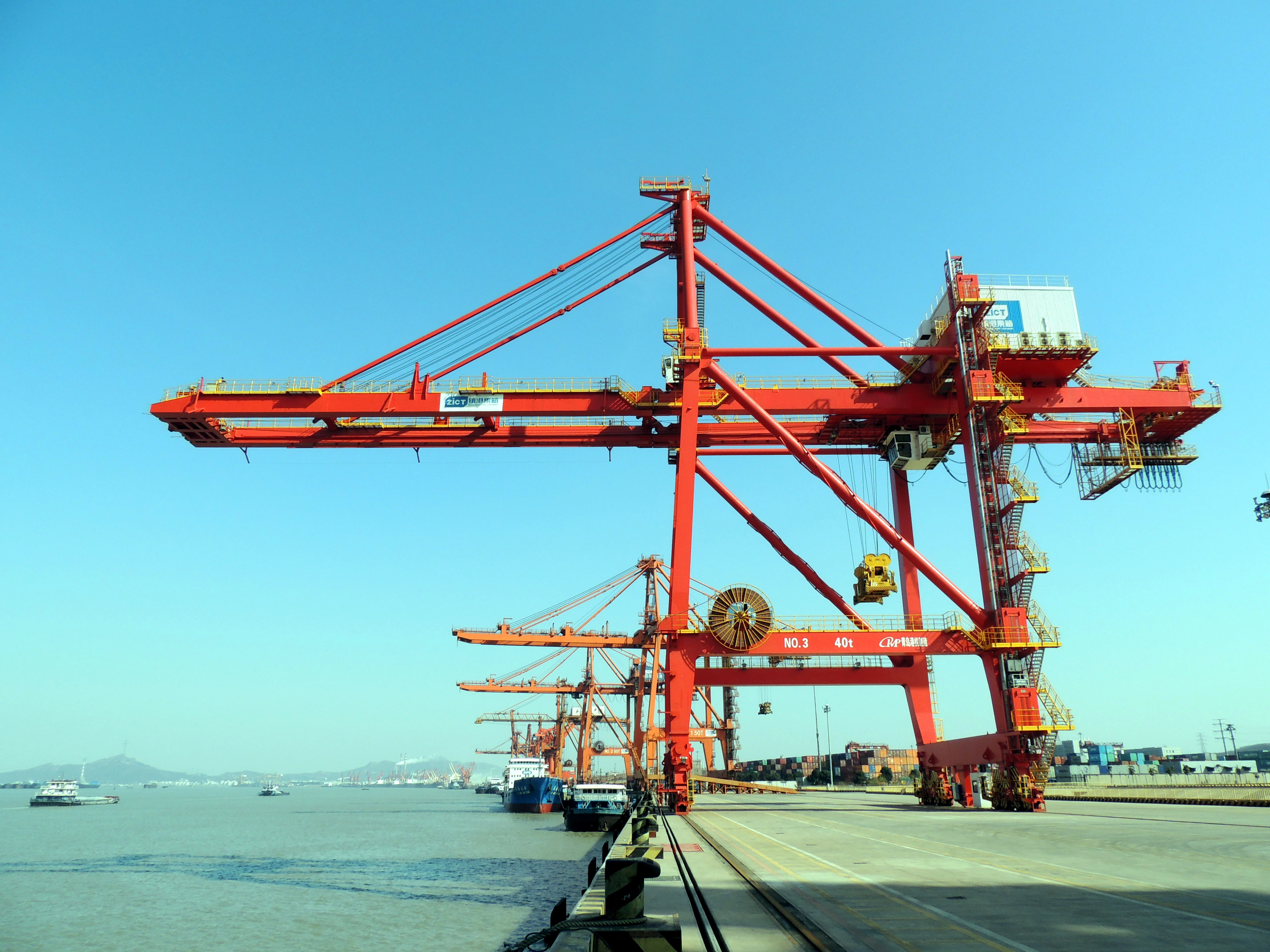
Early warning signs in hook latches
You need to find problems before they get dangerous. Early warning signs help stop accidents and keep your crew safe. When using a cargo crane fast, watch each latch for these signs:
-
You might see cracks or deep marks on the latch. These show the metal is getting weak.
-
Rust or small holes mean the latch is losing strength. If rust eats more than 10% of the latch, you must replace it.
-
If a hook latch does not open or close easily, it could be a problem. If it sticks, jams, or moves too loosely, it may not hold the load.
-
Listen for strange sounds. Grinding or clicking can mean parts are wearing out.
-
If the latch does not lock itself, stop using it right away.
Sensor-based monitoring systems help you spot these problems early. These systems use smart technology to check for changes in vibration, heat, or movement. You get alerts before a latch fails. This lets you fix things before they cause accidents or delays.
Inspection and maintenance best practices
You need to check your latches often to keep equipment safe. Industry rules say how often you should inspect each part. The table below shows when to check latches:
|
Inspection Type |
Interval |
|---|---|
|
Frequent Inspection |
Daily to monthly intervals |
|
Periodic Inspection |
1 to 12-month intervals |
|
Hooks Inspection |
Daily visual; monthly certified |
During each check, look for these problems:
|
Criteria for Removal |
Description |
|---|---|
|
Corrosion or Pitting |
Weakens the hook, especially if it exceeds 10% of the cross-section |
|
Cracks, Gauges, or Necks |
Any visible cracks or deep marks threaten the hook’s integrity |
|
Malfunctioning Hook Latches |
Latch is missing or does not work properly |
Always follow OSHA rules. Slings must attach tightly to their loads. Using a hook latch helps you follow this rule and keeps cargo safe.
Predictive maintenance makes your job easier. With sensor-based systems, you can watch each latch’s condition. These systems help you plan repairs before something breaks. You save time and avoid expensive delays.
Safe operation and anti-sway systems
You can stop most latch problems by using safe habits and new technology. Anti-sway systems help keep cargo steady. These systems use electronics to stop loads from swinging while lifting or moving. When you use anti-sway, you lower the risk of crashes and latch failure. Your crew works faster and stays safer.
Overload protection adds more safety. These systems stop the crane if the load is too heavy. They cut power, slow down lifting, or sound alarms to protect the latch and your team. The table below shows what overload protection does:
|
Functionality |
Description |
|---|---|
|
Overload Switch |
Cuts power to the hoist motor or engages a mechanical brake when lifting capacity is exceeded. |
|
Safety Mechanism |
Slows hoisting speed before halting upward motion to prevent load increase. |
|
Immediate Cut-off |
Triggers an alarm and locks the brake to stop lifting, protecting against dropped loads. |
|
Structural Protection |
Reduces risk of structural failure and protects operators from hazards. |
CEGC gives you many ways to make cranes safer and more reliable. You can pick overload protection, limit switches, emergency stops, special coatings, and wireless controls. These choices help you match your crane to your port’s needs. Regular checks and load tests keep your cargo crane working well.
You must also follow world safety rules. For example, lifting hooks must have safety latches with no defects. You cannot start moving cargo until you check all lifting equipment for safety and function.
Tip: Teach your team to spot problems early. Use checklists and alarms to help them work safely. CEGC offers controls that make these steps easy.
By following these steps, you keep your crew safe, protect your cargo, and avoid costly delays. Every inspection and upgrade helps you build a safer, more reliable port.
You can have latch problems if you move cargo quickly. Latch failure can begin with cracks, rust, or latches coming loose. You need to check every latch often to stay safe. Looking at latches often and using smart systems helps you find problems early. Safety gets better when you use new technology. CEGC gives you latch solutions for your port.
-
Predictive maintenance helps you find latch problems before work stops.
-
Checking latches often keeps them safe and lowers accidents.
-
When latches fail less, safety is better and cargo is safer.
-
AI checks help you make ships faster and keep people safe.
-
Inspections help you follow safety rules and keep latches working.
Pick CEGC for safe latches and special solutions. Make checking latches part of your daily jobs. You keep your team and cargo safe when you care about latch safety.
FAQ
What should you do if a latch fails during crane operation?
You must stop the crane right away. Check the latch for damage. Always follow safety rules. Report the problem to your supervisor. Never risk safety for speed.
How can you improve safety when using cargo cranes?
You can inspect latches before each shift. Use anti-sway systems. Train your team on safety steps. Always follow safety guidelines. Safety keeps your crew and cargo protected.
Why do loads sometimes disengage from hook latches at high speed?
Loads can disengage from hook latches if the latch does not close fully. High speed increases risk. Always check latch safety before lifting. Safety checks prevent accidents.


