
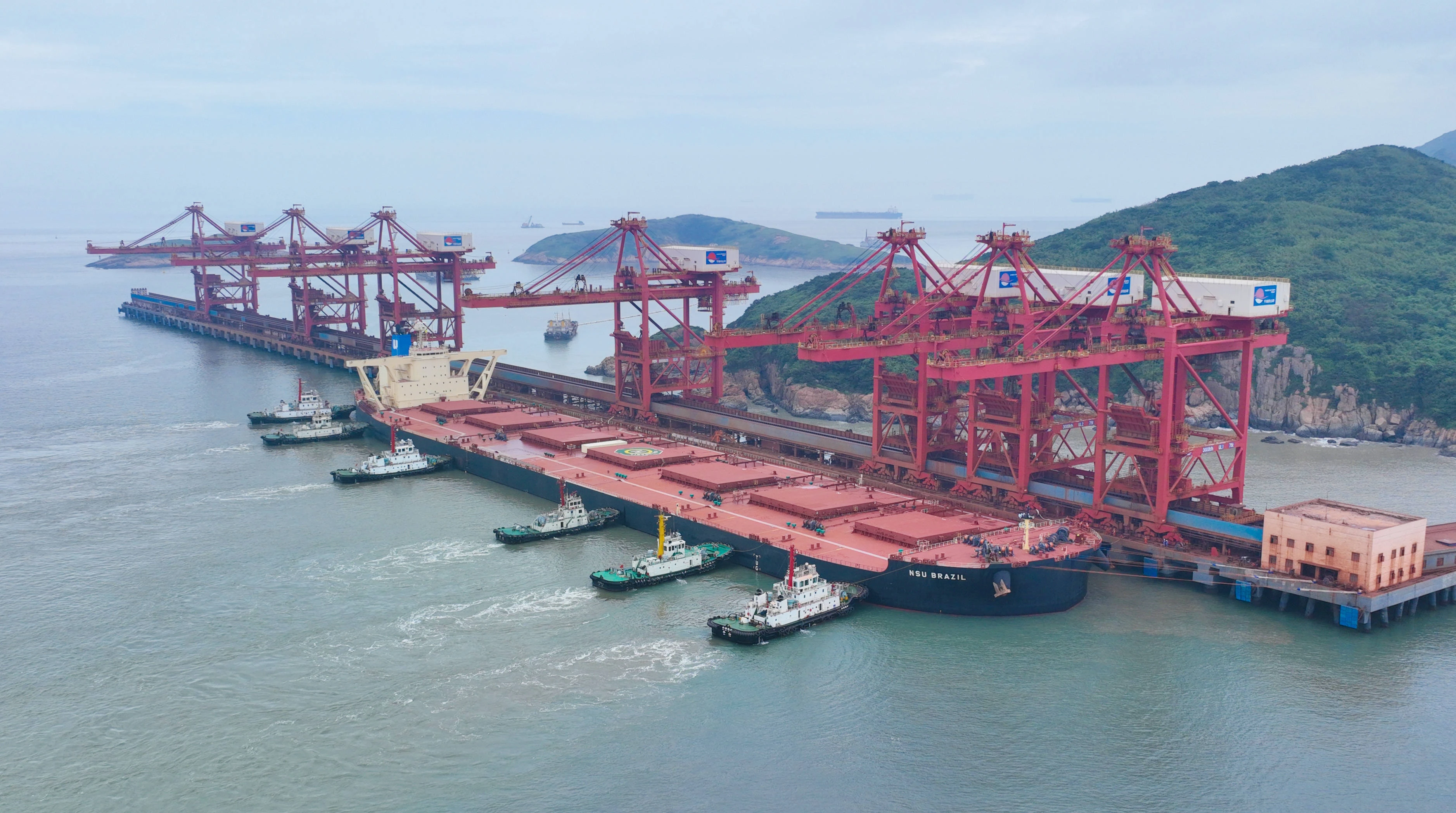
Imagine operating a portal crane during heavy rain—safety must always be your top priority. Portal crane: improve pick success in rain by following essential safety guidelines and regularly inspecting your equipment. CEGC provides specialized solutions designed to help you prepare for any weather conditions on the job.
Key Takeaways
-
Always put safety first by looking at visibility and weather before you use a portal crane in the rain. - Use materials that do not slip and wear the right PPE to stop slips and falls on wet ground. - Check your crane often for water damage and rust to keep it safe and working well.
Rainy weather risks for portal crane
Visibility challenges
Heavy rain makes it hard to see outside. You might not see the load or the path. Other workers can also be hard to spot. Rain often comes with fog or mist. This makes using a portal crane even harder. If you cannot see well, you might make mistakes. These mistakes can cause accidents. Always check the weather before you start work. If you cannot see enough, stop working until it gets better. This keeps your team and equipment safe in bad weather.
Slippery surfaces and traction
Rain makes platforms, ladders, and walkways slippery. Watch out for puddles and water on the ground. These can make people slip and fall. Wet ground can also get soft and unsafe after heavy rain. Check the ground often for signs of damage or weakness. Good drainage stops water from building up where you work. Use non-slip materials on steps and wear the right shoes. This helps stop accidents when the weather is bad.
Electrical and corrosion hazards
Rainy weather makes electrical problems more likely. Water can get into panels or controls and cause them to break. Always check that everything is sealed and waterproof before you start. Rain and wet air can also make metal parts rust faster. CEGC uses special coatings and strong materials to protect important parts. Clean and take care of your crane often to keep it safe. Galvanization and special steel can help your equipment last longer.
Tip: Try not to use your crane in very wet or acidic places. This helps stop damage and keeps your crane ready for work.
Pre-operation safety checks
Equipment inspection in rain
Start every shift by checking your equipment. Rain makes these checks even more important. Look at all parts before you use the crane. Watch for water on ladders, walkways, and platforms. Make sure non-slip materials are there. Check the windshield wipers and clean the cab’s glass if needed. Always look at the electrical control boxes to keep water out. Move your crane under shelter if you can. Watch for water buildup and use drains to keep things dry. If the rain gets heavier, check again during your shift.
-
Look at the ground to see if it is stable after rain.
-
Check outriggers and supports to make sure they are safe.
-
Watch for rust or corrosion.
-
Make sure all safety interlocks and anti-sway controls work.
Load ratings and weather monitoring
You need to know the load ratings before you start. Rain can change how much weight is safe to lift. Always check the weather forecast before you begin. If heavy rain is coming, stop and wait for better weather. Use your checks to see if all load sensors and alarms work. Watch for wind and other dangers that can affect your pick. CEGC gives you safety features you can change for the weather.
Tip: Stay alert and be ready to stop if the weather changes fast.
Waterproofing and anti-corrosion steps
Pre-operational checks help you find leaks or weak seals. Look at all marine-grade coatings and seals before you use the crane. Watch for water getting into electrical parts. Use sprays or coatings to stop rust as part of your checks. CEGC’s marine-grade sealing and anti-corrosion systems protect your equipment in wet weather. Always do these steps in your checks to keep your crane safe and ready.
Operation: improve pick success in rain
Adjusting pick techniques
When you use a portal crane in the rain, you face new problems. Wet loads and slippery spots make it harder to work. Move slower to keep the crane steady. Always look at the load before you lift it. Make sure the hook and spreader are dry and tight. Use smooth and gentle moves so the load does not swing. This helps you stay in control and lowers the chance of accidents.
You should always follow crane safety rules. Lower the load slowly and do not make sharp turns. If you see water on the load or spreader, wipe it off first. Rain can make the load heavier, so check the weight every time. If you are not sure, stop and ask your team for help. These steps help you keep the crane steady and make picking in the rain better.
Communication and visibility aids
Talking with your team is very important in bad weather. Speak clearly so everyone knows what to do. Use radios or hand signals if you cannot see each other. Rain and fog can block your view, so always check that messages are clear. Repeat instructions to make sure everyone understands. This helps stop mistakes and keeps everyone safe.
You can use tools to help you see better. Bright lights and cameras help you watch the load and the area. Clean the camera lenses and lights before you start. If you use a container crane or container handler, check that all alarms and signals work. These tools help you find dangers and keep your team safe.
Tip: Always test your radios and other tools before you start work in bad weather. This helps your team get ready for any problem.
Anti-sway and collision prevention
Rain makes loads swing more than usual. You need to use anti-sway systems to keep things steady. These systems help you control the load and stop it from moving too much. When you use a portal crane in the rain, turn on the anti-sway control. This gives you more control and helps you place loads safely. It also keeps you and your team safe.
-
The anti-sway system stops the load from swinging in the rain.
-
It gives you better control and keeps things steady.
-
It keeps crane safety high, even when the weather is bad.
You also need to use collision prevention systems. These systems use radar and sensors to find dangers. They work well in rain, fog, and dust. The table below shows how these systems help you when you use the crane:
|
Feature |
Description |
|---|---|
|
Detection |
Radar finds how far the crane is from other things. |
|
Speed Control |
The system slows the crane to stop accidents. |
|
Robustness |
It works in rain, dust, and other tough weather. |
|
Signal Integrity |
Rain and fog do not block the signals. |
|
Safety Mechanism |
The system keeps working even if the power goes out. |
|
Frequency Diversity |
It uses many frequencies to avoid signal problems. |
|
Environmental Resistance |
The system works in all weather, like rain and sun. |
|
Microwave Signal |
It measures distance very well, even in bad weather. |
You should always use these systems to keep crane safety high. CEGC gives you real-time monitoring, anti-sway technology, and overload protection. These features help you follow the best ways to use a portal crane in the rain. You can trust these systems to keep things steady and safe every time you pick, even when the weather is bad.
Crane safety and team measures
PPE for rainy weather
You need the right ppe to stay safe in the rain. Rain makes the ground and steps slippery. This means you can get hurt more easily. Wear slip-resistant boots so you do not slip on wet floors. Rain jackets and waterproof gloves keep you dry and warm. Hard hats and bright vests help your team see you near the crane. Always check your personal protective equipment before you start work. Good ppe and safety gear help stop accidents from happening.
-
Wear slip-resistant boots so you do not slip.
-
Use rain jackets and waterproof gloves to stay dry.
-
Keep your hard hat and vest clean and easy to see.
Good ppe is one of the best ways to stay safe when using a crane in the rain.
Emergency plans and training
You must know what to do if something bad happens. Your team should practice emergency plans many times. Learn how to stop the crane fast and call for help. Talk about safety steps with your team before each shift. Training helps you remember what to do and what gear to use. You should know where the emergency exits are and how to use the radio for help. These steps help everyone get ready for any problem.
Non-slip materials and safe access
You need safe walkways and platforms to use the crane. Non-slip materials on steps and ladders help stop falls. Keep all areas clean by taking away mud and trash. Check that the drains work well so water does not build up. Good drainage keeps the ground dry and safe. Use handrails and guardrails for extra safety. These steps make crane work safer for everyone.
|
Safety Measures |
Purpose |
|---|---|
|
Non-slip materials |
Stop slips and falls |
|
Good drainage system |
Keep the ground dry |
|
Clean walkways |
Take away mud and trash |
|
Handrails and guardrails |
Help people stay safe |
You keep yourself and your team safe by following these crane safety steps every day.
Post-operation maintenance
Cleaning and inspection after rain
You need to clean your crane after every rainy shift. Rainwater can leave dirt and moisture on the crane. Start by wiping down all surfaces and removing any standing water. Check the cab, ladders, and platforms for mud or debris. Look at the electrical panels and make sure they are dry. You should also drain the fuel-water separators to stop water from damaging the fuel system. Check the hydraulic oil. If it looks cloudy, flush the system and refill it. Inspect all electrical terminals for signs of corrosion and clean them if needed. These steps help you keep crane safety at a high level.
-
Wipe down all crane surfaces.
-
Remove water from the cab and platforms.
-
Check hydraulic oil clarity.
-
Inspect and clean electrical terminals.
Reviewing pick performance
After you finish crane operations in the rain, review how each pick went. Look for any problems with load control or crane safety. Write down if the load swayed or if you had trouble seeing. Use this information to improve your next shift. You can also check if the anti-sway system worked well. Reviewing your work helps you spot risks and keep crane safety strong.
Team feedback and improvement
Ask your team for feedback after every rainy shift. Talk about what went well and what could be better. Use a table to track ideas for crane safety improvements.
|
Area |
What Worked |
What Needs Work |
|---|---|---|
|
Load Handling |
|
|
|
Communication |
|
|
|
Equipment Care |
|
|
Share these notes with everyone. When you listen to your team, you make crane safety better for all crane users.
You can make portal crane picks better in the rain by using these ideas:
-
Always use safety steps when you cannot see well.
-
Do things to stop slips and falls from happening.
-
Look at your crane often to find water problems.
|
Customizable Feature |
Description |
|---|---|
|
Reinforced Structures |
|
|
Advanced Features |
Remote control and load checks make work safer |
|
Protective Coatings |
Special finishes keep away rust and stop corrosion |
Keep watching for danger and change your rainy day rules often so everyone stays safe.
FAQ
What should you check first before using a portal crane in the rain?
You should check all safety systems, look for water on surfaces, and test the anti-sway control. Make sure everything works before you start.
How does CEGC help you keep your crane safe in wet weather?
CEGC gives you marine-grade coatings, anti-sway systems, and real-time monitoring. These features protect your crane and help you work safely in the rain.
What personal protective equipment (PPE) do you need for rainy crane work?
|
PPE Item |
Why You Need It |
|---|---|
|
Slip-resistant boots |
Stop slips and falls |
|
Rain jacket |
Keep your body dry |
|
Waterproof gloves |
Protect your hands |


