
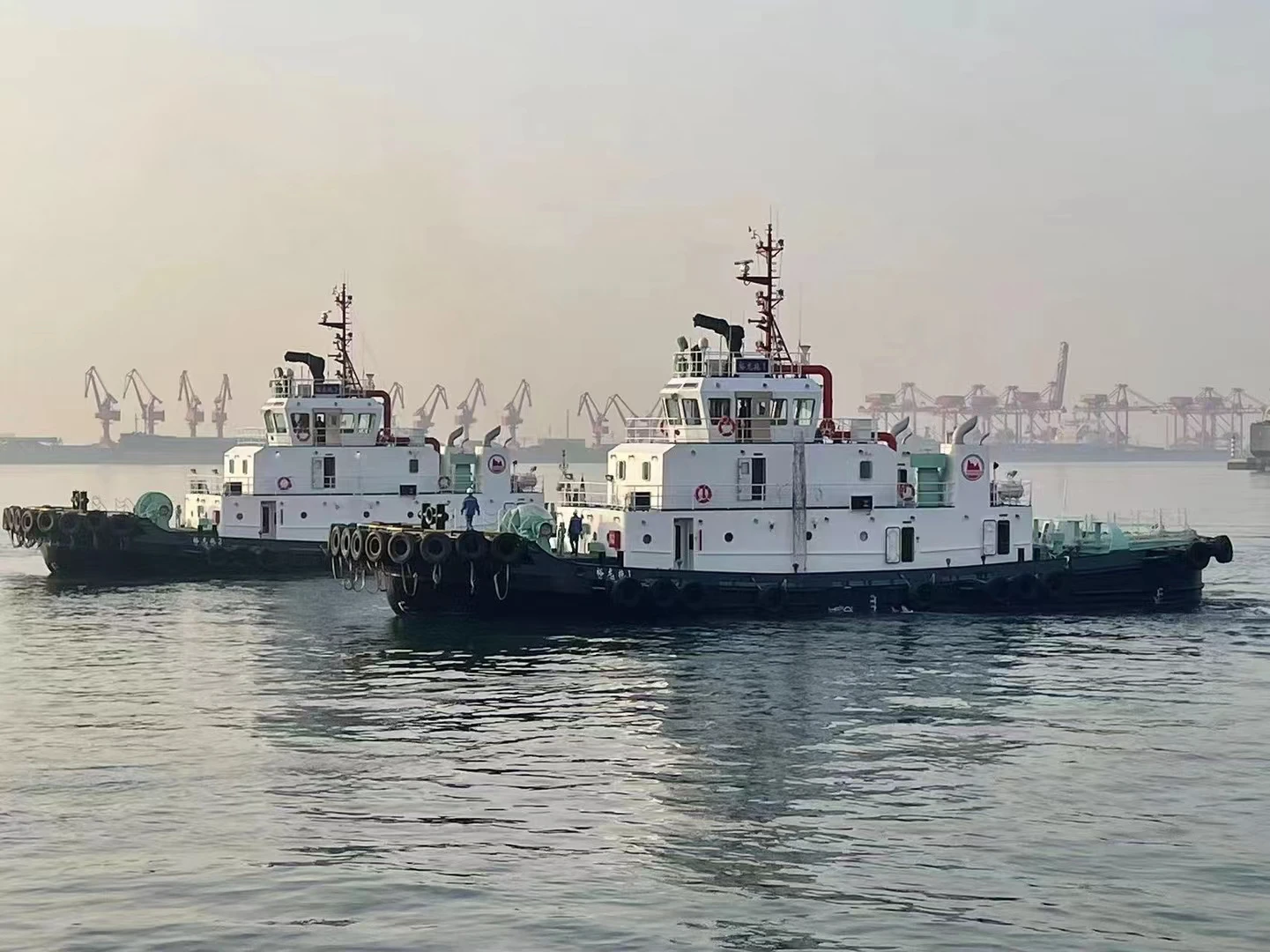
You can achieve ship crane pick success and avoid deck damage claims by following careful preparation steps. Proper planning and readiness are key to preventing deck damage during ship crane operations. Safety experts recommend thorough pre-operation checks and strategic load planning to ensure every lift is safe and efficient. Monitoring environmental conditions and having a clear emergency response plan are also essential. CEGC provides advanced solutions that minimize load sway and enhance safe lifting at sea, helping protect your deck and improve operational performance.
|
Preparation Step |
Description |
|---|---|
|
Pre-operation inspections |
Inspect all critical components daily, including boom tools, hydraulic systems, and load measuring devices to ensure ship crane pick success and avoid deck damage claims. |
|
Load planning |
Adjust rigging design for each load movement, making sure the load is distributed safely to prevent deck damage. |
|
Environmental monitoring |
Continuously monitor wind speed, wave height, and visibility to determine safe lifting conditions and support ship crane pick success. |
|
Emergency response planning |
Develop and train crew on emergency procedures for incidents at sea, ensuring readiness and minimizing risk of deck damage claims. |
Key Takeaways
-
Check the crane every day before using it. Make sure all parts are safe and work well. This stops accidents and keeps your deck safe.
-
Plan how to lift things and use dunnage the right way. Spread the weight out evenly when lifting. This lowers the chance of deck damage and keeps everyone safe.
-
Use real-time monitoring systems to watch crane work and load conditions. This helps you fix problems fast and keeps your equipment safe.
Deck inspection & protection
Pre-lift deck checks
You need to look at the deck and crane before each lift. This helps you find problems early and keeps everyone safe. Check for oil leaks, cracks, or dents on the crane boom. Look for wire ropes that are frayed or rusty. Make sure the ground is flat and strong. Take away anything in the path of the load. You also have to check if the crane has a current inspection certificate.
Tip: Always use bright lights and safe walkways when you check. Good lighting helps you see dangers on the deck and near the deck cranes.
Here is a table that shows how often you should check your deck and crane:
|
Inspection Type |
Frequency |
|---|---|
|
Frequent Inspection |
Daily to monthly intervals |
|
Periodic Inspection |
1 to 12-month intervals |
You should follow this plan to keep your deck cranes working well. Checking often helps stop accidents and lowers the chance of damage claims.
Dunnage, mats, and rigging
You have to protect the deck from heavy things. Dunnage, mats, and good rigging are very important. Dunnage is any material that holds and protects cargo when lifting. The best kind depends on how heavy and what shape the load is.
Dunnage can be made from many materials and comes in different shapes. If you pick the wrong kind, you can have more costs, loads that move too much, or materials that break down from water or lots of use.
Here are some materials you can use to keep your deck safe:
|
Material Type |
Purpose |
|---|---|
|
Wood Blocks & Cribbing |
Makes a strong base, spreads out weight, stops direct contact. |
|
Rubber Mats & Friction Pads |
Stops sliding and moving, good for smooth loads. |
|
Plastic Bracing |
Gives extra support for odd-shaped or fragile items. |
|
Inflatable Dunnage Bags |
Fills spaces and stops side-to-side movement in mixed loads. |
You should always balance the loads and use the right rigging tools. This stops the load from tipping or turning and hurting the deck. Plan each lift and talk with your team so everyone knows the risks. Check slings, shackles, and lifting beams before you use them. Take away any broken gear right away.
Corrosion and maintenance
You need to keep your deck cranes safe from rust. Salt, wet air, and dust can hurt metal parts. Doing regular care keeps your equipment safe and working well. Wash cranes with fresh water after you use them. Put on special anti-rust treatments for all metal parts. Use strong coatings and sealed bearings to slow down rust. Stainless fasteners and covers give even more safety.
Here is a table for how often you should do crane care:
|
Inspection Type |
Frequency |
|---|---|
|
Type A |
Every 4 months (or 500 operating hours) |
|
Type B |
Once a year or after about 2,000 hours |
|
Type C |
Every six years or after 8,000 hours |
You should pay attention to these parts when you do maintenance:
-
Wire ropes and sheaves
-
Hydraulic systems and hoses
-
Structural parts and welds
-
Electrical systems and controls
-
Slewing rings and bearings
Lubrication and stopping rust are very important steps. Always do what the maker says. CEGC gives special anti-rust and service solutions. These help your deck cranes last longer and work better. Regular care and good protection keep your deck safe and your work going well.
Ship crane pick success: avoid deck damage claims
Operator training & communication
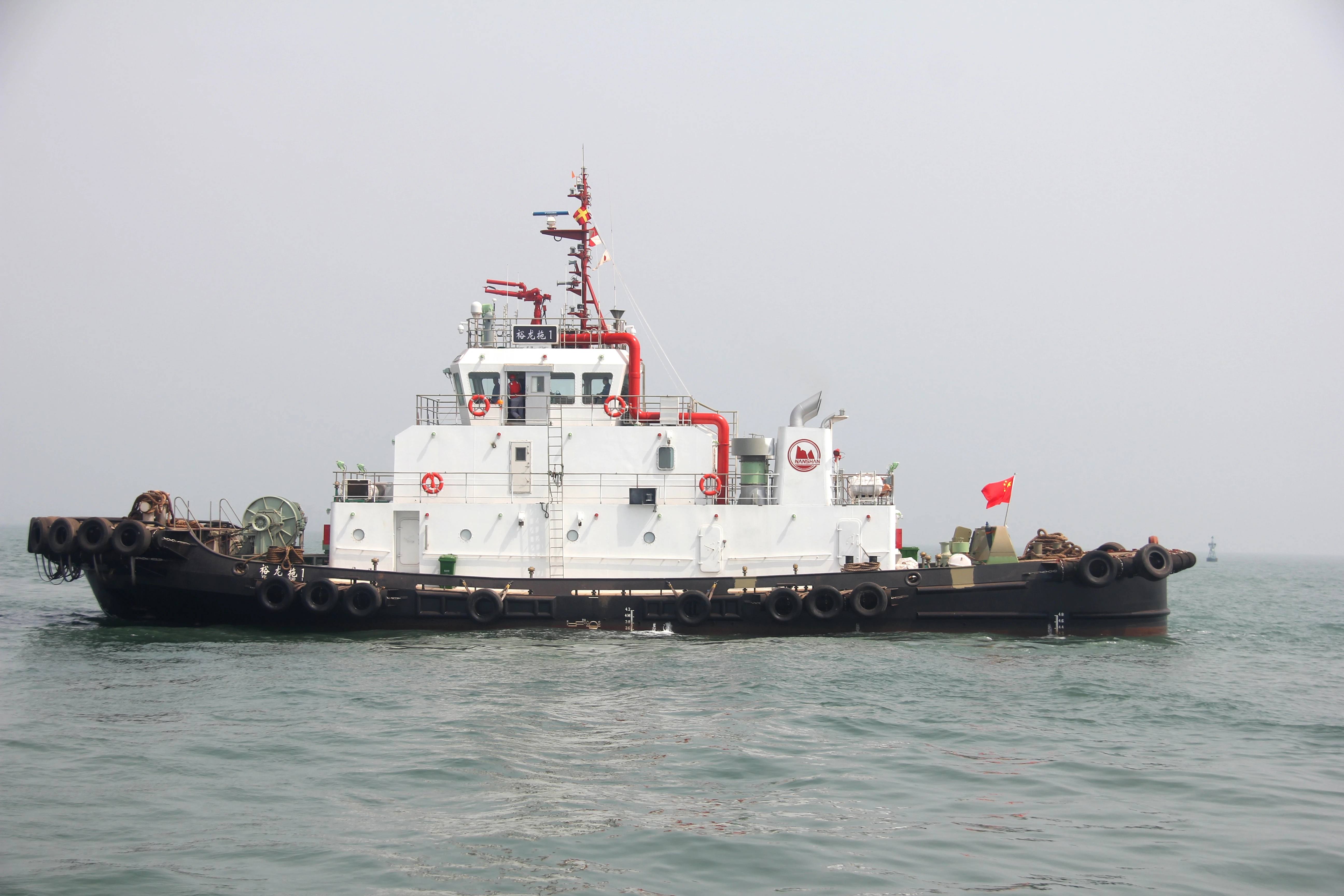
You are important for ship crane pick success: avoid deck damage claims. Your skills and talking clearly help stop dangers and lower risks. You must follow safety rules every time you use a crane. Safety steps help you spot dangers and keep the deck safe. You need to check load charts and see how much weight the crane can lift before each job. This makes sure you do not put too much weight on the crane or hurt the deck.
You should always place outriggers right and check the ground to keep the crane steady. Outriggers hold up the crane and stop it from tipping over. You must look for things in the way and make sure the deck is steady during lifts. Good leaders and teamwork make things safer. When you talk with your team, you share ways to spot dangers and lower risks. You must tell about dangers and follow safety rules to keep the deck safe.
Tip: You can use checklists to go over safety rules and check outrigger placement. This habit helps you avoid mistakes and keeps the deck safe.
Anti-sway & safety systems
You need advanced anti-sway systems for ship crane pick success: avoid deck damage claims. Anti-sway control stops loads from moving too much and keeps things steady. New cranes use sensors, controllers, and smart software to cut down sway. These systems help you put loads in the right place and protect the deck from harm.
Anti-sway systems give you many good things:
-
More safety by stopping accidents and lowering risks.
-
Faster moving of loads and better crane work.
-
Less tired operators and fewer mistakes.
-
Less wear on equipment and longer crane life.
-
Better work in windy weather and more steady lifts.
You must use safety interlocks and do regular care to lower risks. Safety interlocks stop unsafe moves and block overloads. Deck cranes need checked safety interlocks, certified fasteners, and good hydraulic controls. You must follow safety rules and do regular care to keep the crane safe. CEGC’s anti-sway control and safety interlocks help you get ship crane pick success: avoid deck damage claims.
|
Benefit |
Description |
|---|---|
|
Enhanced Safety and Compliance |
Upgrades help meet new safety rules and lower risks from old systems. |
|
Reduced Maintenance Costs |
Good parts and smart care make equipment last longer and cost less to fix. |
|
Improved Energy Efficiency |
New systems use less fuel and make fewer emissions, saving money. |
|
Increased Operational Reliability |
Smart automation and checks cut down mistakes and make work safer. |
You can use tools like CRANEVISION and AUTOMOVE. CRANEVISION uses cameras to spot dangers and make things safer. AUTOMOVE lets you move loads automatically and exactly, cutting down swing and keeping the deck safe. You must check load charts and see how much weight the crane can lift before every job.
Real-time monitoring & post-lift checks
You must use real-time monitoring for ship crane pick success: avoid deck damage claims. Monitoring systems watch crane moves and load conditions. Watching with cameras stops cargo theft and makes things safer. Automatic crane systems move containers faster and cut down waiting time. Smart care lowers risks and saves money.
Load monitoring systems check the real weight and compare it to safe limits. Sensors warn you when loads get close to danger levels. These systems block unsafe moves and use emergency brakes if needed. You must write down overload events and study them to lower risks.
After each lift, you must check the deck and crane. You need to look for damage, check care logs, and write down any dangers. Post-lift checks help you find problems early and keep the deck safe. You must follow safety rules and regular care plans. CEGC’s monitoring and smart care features help you get ship crane pick success: avoid deck damage claims.
Note: You should always check care logs and inspection reports. This habit helps you track risks and make things safer.
|
Inspection Step |
Action Required |
|---|---|
|
Deck Inspection |
Look for cracks, dents, or oil leaks |
|
Crane Inspection |
Check wire ropes, hydraulic systems, and controls |
|
Outrigger Check |
Make sure outriggers are placed right and steady |
|
Load Charts Review |
See how much weight the crane can lift |
|
Maintenance Log Review |
Write down dangers and plan regular care |
You must use outrigger placement, check the ground, and follow safety rules to keep the deck safe. Real-time monitoring, post-lift checks, and writing things down help you get ship crane pick success: avoid deck damage claims.
You can keep your deck safe by doing these things:
-
Put on temporary protection right after you install the deck.
-
Pick the right Armour Protection Board for what you need.
-
Hold boards in place with Armour Tape and do not use things that soak up water.
-
Think about how many people will walk on the deck and how long the project will last to pick the best UV protection.
Doing regular care and using smart tools helps you stop claims. CEGC’s special port machines make your work faster and help your terminal do more.
|
Advantage |
Description |
|---|---|
|
Efficiency |
Container machines help trucks move faster and stop traffic jams. |
|
Reduced Yard Dwell Time |
Reach Stacker saves money and makes work quicker. |
|
Improved Cargo Handling |
Container gantry crane uses automation to make moving cargo safer and faster. |
|
Enhanced Productivity |
Portal crane plans help finish jobs faster and use real-time data to work better. |
You do well when you follow good steps and pick the best tools.
FAQ
How do you prevent deck damage during crane picks?
You need to use dunnage, mats, and the right rigging. Always check the deck and crane before you lift anything. CEGC’s anti-sway systems help keep loads steady.
What is the benefit of real-time monitoring for ship cranes?
Real-time monitoring lets you find problems early. You can fix things before they cause harm. This keeps your deck and gear safe.
Why choose CEGC for port machinery?
You get top safety, anti-rust, and smart control features. CEGC can make special plans for your portal crane, container crane, or reach stacker.


