
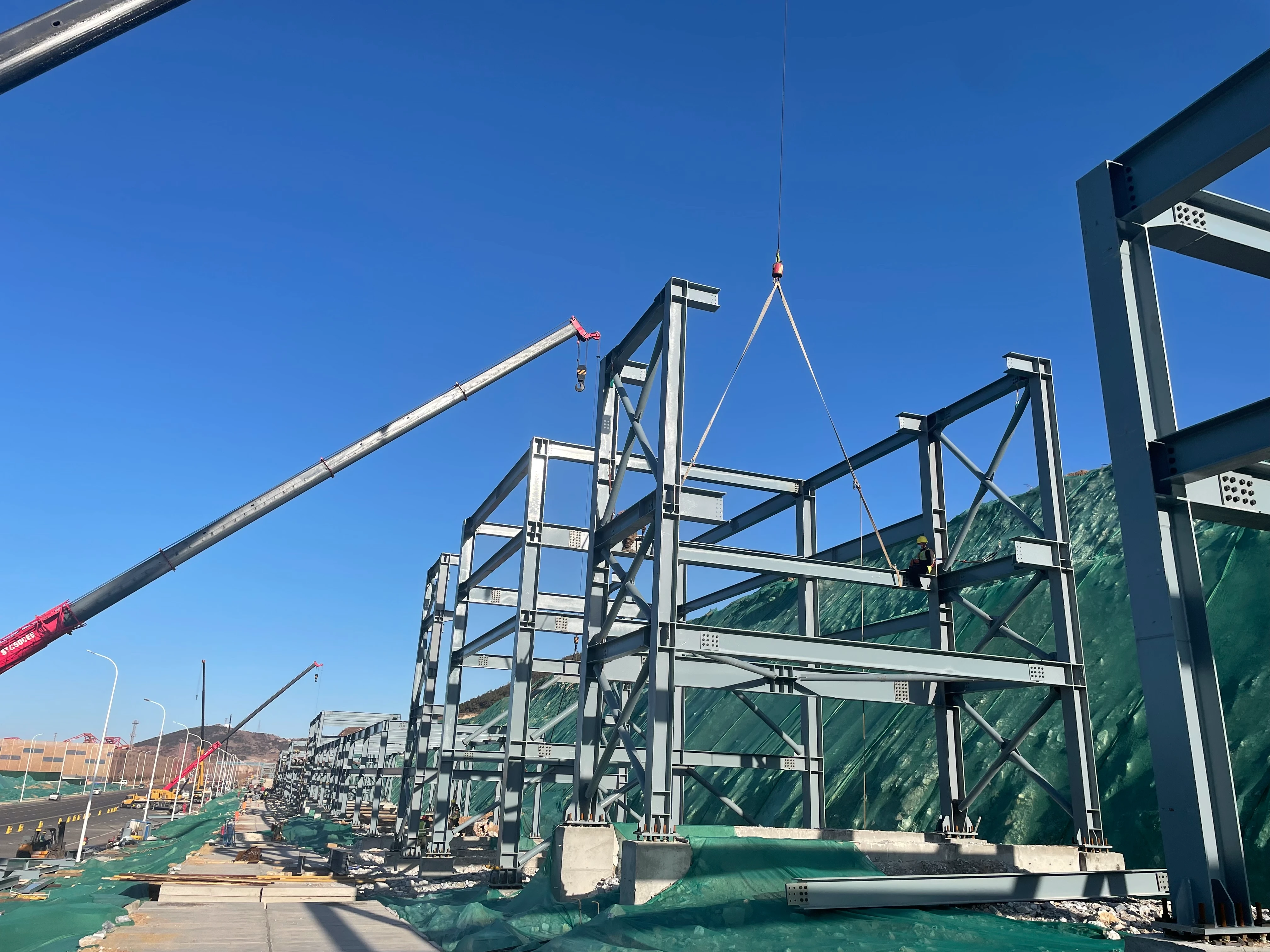
CEGC leads the industry with container crane anti-sway: quickest ROI upgrade for port operators. By 2026, this solution offers the fastest return on investment. Port operators face challenges with load sway and safety risks, as well as unpredictable cargo crane cycle times. CEGC’s advanced anti-sway systems utilize sensor feedback and intelligent motion control to address these issues. Customizable solutions from CEGC help ports and contractors save money and improve operational efficiency.
Key Takeaways
-
Upgrading to anti-sway systems can make crane load drift much less. This helps make work safer and causes fewer accidents.
-
Ports can get their money back fast, sometimes in just one year. This happens because repairs cost less and work gets done faster.
-
Picking the right anti-sway system for your equipment is very important. It helps keep people safe and makes the work better.
Why upgrade container cranes now
Operational pain points
Port operators have many problems with old container cranes. Many ports do not use the same hardware or software. This makes it hard to upgrade or add new systems. Getting good data is also a problem. Operators sometimes cannot find the right information. This slows down digital changes. Teams and platforms do not always work well together. This causes delays and less work gets done.
|
Pain Point |
Description |
|---|---|
|
Hardware and software differences make integration and upgrades difficult. |
|
|
Data Accessibility |
Incomplete or inaccurate data slows down digitalization and innovation. |
|
Coordination Issues |
Poor communication and platform development reduce automation and efficiency. |
Load sway is still a big problem. Operators need more time to fix crane load drift. This makes cargo crane cycle time longer and raises the chance of crashes. Mechanical wear can make drift worse. It is harder to place loads in the right spot and work slows down. Cycle times are not always the same. Operator mistakes and equipment problems can make things less safe and less efficient.
ROI and efficiency gains
Upgrading to better anti-sway systems gives clear benefits. These systems help operators control crane load drift. Lifts are smoother and safer. Automation does routine corrections. Operators can focus on putting loads in the right place. They do not have to worry about load sway. New operators learn faster because the system keeps the load steady. Training is easier and safer.
|
Benefit |
Description |
|---|---|
|
Operators focus on positioning, not correcting drift. |
|
|
Reduced Fatigue |
Automation handles routine corrections, keeping operators alert. |
|
Consistent Results |
Both new and skilled operators achieve stable lifts. |
|
Higher Safety Compliance |
Automated systems ensure safe lifting practices every time. |
|
Reduced Downtime and Liabilities |
Fewer incidents mean less unplanned downtime and lower costs. |
|
Longer Equipment Life |
Controlled movement reduces mechanical stress and extends crane lifespan. |
|
Increased Lifting Accuracy |
AI-supported cranes maintain precision without slowing operations. |
Ports that buy anti-sway systems get their money back faster. They have fewer accidents and spend less on repairs. Operations become easier to predict. When crane load drift goes down, safety goes up and ports can move more cargo.
Evaluation criteria for anti-sway systems
ROI and payback
Port operators want to get their money back fast. Anti-sway systems help by stopping accidents and lowering repair bills. These systems also help control crane load drift. This means there are fewer delays and work is easier to plan.
In jobs where loads get damaged a lot from swinging or mistakes, the money spent on anti-sway can be earned back in just a few months.
When ports stop crane load drift, they have fewer problems and pay less for insurance. This makes the money spent on anti-sway worth it very quickly.
Installation and compatibility
Picking the best anti-sway system depends on how well it works with what you already have. Some systems come with new cranes. Others can be put on old cranes as upgrades. Newer systems can be changed to fit what each port needs.
|
Integration Method |
Description |
|---|---|
|
Integrated at the time of manufacture |
Anti-sway systems can be included as standard or optional features during crane production. |
|
Retrofit into existing cranes |
Existing cranes can be upgraded with anti-sway systems using compatible drives and control systems. |
|
Customization |
Modern solutions can be tailored to specific operational environments and load types. |
Anti-sway systems stop crane load drift by using smart ways to speed up and slow down, special commands, and safety areas.
Maintenance and safety
Operators want systems that are simple to take care of and keep people safe. Advanced anti-sway systems cost less to fix and do not wear out as fast. They also need fewer repairs and last longer.
|
Feature |
Advanced Anti-Sway Systems |
Traditional Solutions |
|---|---|---|
|
Maintenance Costs |
Lower |
Higher |
|
Mechanical Stress |
Reduced |
Higher |
|
Wear and Tear |
Less |
More |
|
Maintenance Frequency |
Decreased |
Increased |
|
Operational Lifespan |
Prolonged |
Shorter |
These systems also make things safer by stopping crane load drift. This lowers the chance of accidents and helps everyone stay safe at work.
Throughput and productivity
Anti-sway systems help ports work faster and better. By stopping crane load drift, operators can move containers quicker and with more accuracy. This means cargo crane cycle time is shorter and ports can handle more work.
Anti-sway control systems let cranes work with more skill. They help ports lift bigger loads at faster speeds. Watching and controlling crane load drift in real time also stops accidents and keeps everything running well.
Top container crane anti-sway: quickest ROI upgrade systems
CEGC Active Anti-Sway System
CEGC gives ports the container crane anti-sway: quickest ROI upgrade. This system uses smart sensors and motion control. Operators notice less crane load drift every time they lift. The system works with both new and old equipment. CEGC engineers make it easy to install fast with little downtime.
Unique Features:
-
Stops sway right away using smart computer programs.
-
Has many safety checks to avoid crashes.
-
The operator screen is simple for checking status and help.
-
Can be changed for different portal crane, ship loader, or offshore platform jobs.
ROI Analysis:
CEGC’s container crane anti-sway: quickest ROI upgrade pays for itself in under a year at most ports. The system makes cargo crane cycle time up to 20% shorter. Operators see fewer crane load drift problems, so repair bills and insurance costs go down. The system works the same every time, so ships wait less and ports move more cargo.
Pros:
-
Money comes back fast.
-
Safety and performance meet top standards.
-
Can be changed for span, duty cycle, and power needs.
Cons:
-
Not the cheapest at first, but saves money fastest.
“CEGC’s anti-sway system made our work better. We saw less crane load drift and ships unloaded faster in just weeks.”
— Terminal Operations Manager, Southeast Asia
BrandX SmartSway Controller
BrandX SmartSway Controller is another choice for container crane anti-sway: quickest ROI upgrade. The system is made of parts that fit most new cranes. BrandX is easy to install and stops basic sway.
Unique Features:
-
Easy-to-add parts for quick upgrades.
-
Stops basic sway for normal container work.
-
Simple controls help operators learn fast.
ROI Analysis:
BrandX gives a container crane anti-sway: quickest ROI upgrade with a payback in one to two years. The system cuts crane load drift in most cases. Some operators see cycle times get 10-15% better. It works best for ports with normal crane control setups.
Pros:
-
Easy to put in.
-
Costs less at the start.
-
Good for normal jobs.
Cons:
-
Not many ways to change it.
-
Does not work as well for hard or windy jobs.
“BrandX helped us stop crane load drift, but we needed more for offshore platform jobs.”
— EPC Project Engineer, Europe
BrandY MotionGuard Solution
BrandY MotionGuard Solution is for ports that want container crane anti-sway: quickest ROI upgrade with smart data tools. The system uses smart math to watch crane load drift and make moves better.
Unique Features:
-
Uses smart math to manage crane load drift.
-
Works with port data systems.
-
Makes reports to help plan repairs.
ROI Analysis:
BrandY gives a container crane anti-sway: quickest ROI upgrade for ports that use lots of data. The system cuts crane load drift and saves money on repairs over time. Operators see more steady container moves and fewer surprise stops.
Pros:
-
Works well with data systems.
-
Good for big ports with digital jobs.
-
Helps plan repairs before things break.
Cons:
-
Harder to set up.
-
Needs trained workers to run.
“MotionGuard gave us better crane load drift control and helped us plan repairs. It was harder to learn, but worth it.”
— Port Maintenance Supervisor, Middle East
Comparison Table
|
System |
Sway Prevention |
Customization |
Payback Period |
Data Integration |
Best For |
|---|---|---|---|---|---|
|
CEGC Active Anti-Sway System |
Advanced |
High |
< 1 year |
Optional |
All port and offshore uses |
|
BrandX SmartSway Controller |
Basic |
Low |
1-2 years |
Limited |
Standard terminals |
|
BrandY MotionGuard Solution |
Predictive |
Medium |
1-2 years |
Strong |
Digitalized terminals |
Tip: Ports should pick the container crane anti-sway: quickest ROI upgrade that fits their crane control system and work needs for the best results.
System comparison: ROI, cost, and features
Port authorities and terminal operators look at anti-sway systems in a few ways. They check how fast they get their money back, how easy it is to install, how safe it is, and how much they can change it. The table below shows how CEGC, BrandX, and BrandY do in these areas.
|
Feature |
CEGC Active Anti-Sway |
BrandX SmartSway Controller |
BrandY MotionGuard Solution |
|---|---|---|---|
|
ROI |
< 1 year |
1-2 years |
1-2 years |
|
Upfront Cost |
Medium |
Low |
Medium |
|
Installation |
Fast retrofit or new |
Simple add-on |
Moderate complexity |
|
Safety |
Advanced interlocks |
Basic safety |
Predictive safety |
|
Customization |
High |
Low |
Medium |
CEGC gives money back fast and has strong safety features. It works with both new cranes and old ones. This helps ports upgrade without waiting a long time. BrandX costs less at first and is easy to put in. But it does not let you change much. BrandY works well with data and has smart safety. It is good for ports that use lots of computers.
Being able to change the system is important for how well it works. CEGC lets you adjust controllers and safety zones for each job. This makes it easier for ports to stop sway and keep people safe. When operators use both feedback and feedforward control, they get better results. Loads move more exactly and the system reacts faster. These things help make cargo crane cycle time shorter and work gets done quicker.
Tip: Ports should pick a system that fits how they work and keeps them safe. Being able to change the system can really help every day.
Implementation tips for port operators
Selecting the right anti-sway system
Port operators need to think about many things before picking an anti-sway system for their equipment. The table below shows the most important things to look at:
|
Factor |
Explanation |
|---|---|
|
Helps stop accidents by making crane moves and load placement more exact. |
|
|
Operational Efficiency |
Makes it faster to steady loads, so work gets done quicker in busy ports. |
|
Reduction of Wear and Tear |
Puts less stress on crane parts, so they last longer and cost less to fix. |
|
Precise Load Placement |
Makes sure containers go in the right spot, so there are fewer problems and less damage. |
|
Operator Stress Reduction |
Takes away some of the operator’s work by fixing sway, so the job is less stressful. |
|
Energy Efficiency |
Uses less power by keeping loads steady, so cranes move smoother and use less energy. |
|
Environmental Benefits |
Helps the environment by using less energy and lowering pollution from port work. |
Operators should pick a system that fits what their port needs. CEGC lets you change the system a lot, so it works for portal cranes, ship loaders, and offshore platforms.
Installation best practices
Putting in an anti-sway system can be hard. Operators might have to pay a lot at first, deal with tricky setups, or not have enough trained workers. The table below lists common problems and ways to fix them:
|
Challenge |
Mitigation Strategy |
|---|---|
|
Choose options that save money |
|
|
Integration complexity |
Give good training to workers |
|
Lack of skilled personnel |
Make sure there is strong support after buying |
Doing projects step by step helps keep costs and time under control. Teams should plan for training and help during setup. Using systems that come in parts, like CEGC’s, can make setup faster and cut down on waiting.
Tip: Start talking with vendors early and keep everyone in the loop to make installation go smoothly.
Integration and training
It is important to make sure the new system works well with what the port already has. Operators need to fix problems like slowdowns, broken equipment, and systems that do not work together. The table below shows main steps for making everything work together:
|
Challenge |
Solution |
|---|---|
|
Delays, failures, isolated workflows, or lost connectivity |
Use strong equipment, check conditions often, and use automation to keep things running. Watching data and fixing problems right away helps a lot. |
|
Compatibility with various systems |
Use the same tech rules and pick systems that work together easily. |
Training helps everyone get the most out of anti-sway systems. The Container Handling Equipment Training Program teaches safety, how to work better, and how to talk clearly. Workers learn in class and by doing, check cranes before shifts, and practice using hand signals and the phonetic alphabet.
Note: Teams that train well can run container cranes safely, quickly, and without problems when using anti-sway systems.
CEGC’s active anti-sway system is special because it gives money back fast. It also keeps people safe and lets you change how it works. Operators have fewer accidents and lifts are smoother. Over time, cranes move faster, break less, and are easier to control.
|
Improvement Type |
Description |
|---|---|
|
Makes load sway smaller, so there are fewer accidents and injuries. |
|
|
Enhanced Precision and Control |
Helps put loads in the right spot every time. |
|
Higher Operational Speed |
Lets cranes move faster without being unsafe, so more work gets done. |
|
Reduced Wear and Tear |
Puts less stress on crane parts, so they need less fixing. |
|
Operator Skill Compensation |
Lets workers with less skill use cranes safely. |
-
Anti-sway systems stop loads from swinging, so accidents happen less.
-
Operators can pay attention to lifting instead of stopping swing.
-
There are fewer crashes and dropped loads, so everyone stays safe.
Leaders should look at what problems they have now. Upgrading with a good company like CEGC helps ports stay safe, work well, and get ready for the future.
FAQ
What is an anti-sway system for container cranes?
An anti-sway system uses sensors and smart controls. It keeps loads steady during lifting. Operators see less swinging and more precise placement.
How fast can ports see ROI after installing CEGC’s anti-sway system?
Most ports recover their investment in less than one year. Reduced accidents and faster cycle times drive quick payback.
Can CEGC’s anti-sway system fit older cranes?
Yes. CEGC engineers design retrofit kits. These kits work with many existing portal cranes, ship loaders, and offshore platforms.


